
Propagation
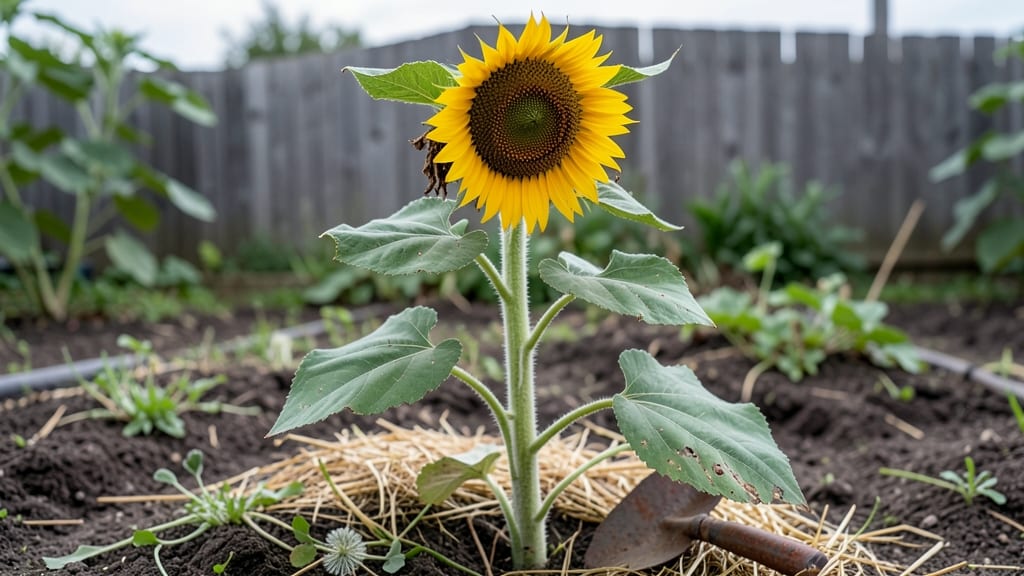
The benefits of planting fall sunflower seeds are undeniable—head starts on next year’s blooms, fewer spring stresses, and the kind of results that keep me planting season after season. ✨ I’ve tried it three times, and the taller stems, earlier flowers, and fewer pests still surprise me.
The secret lies in timing: sow seeds 4-6 weeks before your first frost, when soil stays workable but nights grow crisp.
Fall-planted sunflowers thrive because they establish roots before winter’s chill, then burst into growth as soon as spring warms the soil. You’ll see vibrant green shoots poking through mulch in early spring, often weeks before store-bought transplants. Plus, overwintering disrupts pest cycles—fewer aphids and fewer broken stems by summer.
This method also lets you grow varieties that bolt in spring heat, like ‘Autumn Beauty’ or ‘Moulin Rouge,’ which stay compact and colorful into October. With minimal effort—just good soil and a little patience—you’ll enjoy neighbor-jealousy levels of sunflowers all season long.
The trade-off? A little extra mulch to protect tender seedlings from late frosts.
Works in zones 3-9, though southern gardeners should plant earlier to avoid winter wetness. Compare that to spring planting, which often means racing against heat and weeds. Here’s how to time it perfectly for your region.
📚 In This Guide
- What you need
- Instructions
- Tips and common mistakes
- Wrapping up and next steps
What you need
- ● Sunflower seeds: Choose fall-hardy varieties like 'Autumn Beauty' or 'Moulin Rouge' (1–2 lbs for a small garden, 5+ lbs for larger plots). Opt for heirloom or non-GMO seeds for best results.
- ● Well-draining soil: Mix 1 part compost with 2 parts garden soil (or use potting mix for containers). Aim for a pH of 6.0–7.5.
- ○ Planting containers (optional but helpful): For direct sowing: 6-inch-deep holes, spaced 12–24 inches apart (check seed packet for variety-specific needs).
- ● For containers: 5-gallon pots or larger (at least 12 inches deep) with drainage holes.
- ● Watering can or hose with a gentle spray nozzle (sunflowers hate soggy roots!)
- ● Mulch (straw or shredded leaves) to retain moisture and suppress weeds.
- ● Sunlight: Full sun (6+ hours daily)—sunflowers are drama queens and need their rays! 🌞
- ● Weather window: Plant seeds 4–6 weeks before your first fall frost (check your USDA zone).
- ● Space: Ensure your garden or containers have room to grow—some varieties reach 5–6 feet tall!
- ● Patience: Germination takes 7–14 days (depending on temperature).
How to plant fall sunflowers for year-round blooms
Here's the simple strategy I use to grow sunflowers that keep flowering well into winter.
🌱 Step 1: Choose Late-Season Varieties for Extended Blooms
Select dwarf or semi-dwarf sunflower varieties like 'Autumn Beauty' or 'Moulin Rouge'—they mature faster and resist early frost better than giant types. These varieties bloom in 70-80 days instead of the usual 90-120, giving you a second harvest window. I always check seed packets for "fall planting" labels, as these are bred for cooler weather tolerance.
Sunflowers planted in fall benefit from longer daylight exposure before winter, which triggers earlier flowering. The key is starting seeds 8-10 weeks before your first frost date—this ensures they establish roots before cold sets in. If you're in a mild climate (Zone 8+), you can even direct-sow outdoors in late September for winter blooms.
🪴 Step 2: Prepare Well-Draining Soil and Containers
Sunflowers hate soggy roots, so use lightweight potting mix (not garden soil) in 5-gallon containers with drainage holes. I mix in 20% perlite to prevent compaction—this is critical for fall plantings, as cooler soil stays damp longer. Fill containers to 1 inch below the rim and press down lightly to remove air pockets.
Place containers where they'll receive 6-8 hours of sunlight daily, even in winter. A south-facing window or grow light works, but sunflowers grow 30% slower without full sun. If your space is dim, supplement with a 12-hour LED grow light until spring. The goal is to keep soil at 60-65°F—warmer than most homes, so I use a small heating mat underneath containers.
☀️ Step 3: Plant Seeds at the Right Depth for Fast Germination
Plant 2-3 seeds per container at a depth of ½ inch, pressing them gently into the soil. Cover lightly with additional mix—don’t bury them deeper, or they’ll take 2-3 weeks longer to sprout. Water until moisture reaches 2 inches deep, then let the top inch dry slightly before watering again. Overwatering now causes damping-off, which kills seedlings overnight.
Place containers in a warm, bright spot (70-75°F) until germination, which happens in 7-10 days. You’ll see the first true leaves emerge as small, jagged ovals—this is your signal to move them to cooler conditions (55-60°F) to mimic fall temperatures. Real talk: If your home stays above 70°F, germination speeds up too much, and stems grow leggy. A sunny windowsill with a fan for airflow helps prevent this.
✂️ Step 4: Prune for Bushier Growth and Winter Hardiness
When seedlings reach 6 inches tall, pinch off the main stem’s top set of leaves to encourage side branching. This creates a bushier plant that produces more flowers per stem and survives winter better. I use clean scissors to snip just above a leaf node—never cut into woody stems, or the plant won’t recover.
As temperatures drop below 50°F, move containers to an unheated garage or porch if possible. Sunflowers go dormant in winter but bounce back quickly in spring. Water every 10-14 days—less in winter, more in early spring as growth resumes. You’ll notice new growth in late winter when buds swell and leaves unfurl, signaling the plant’s ready for another bloom cycle.
💧 Step 5: Fertilize Lightly for Winter Survival
Mix ½ teaspoon of 10-10-10 fertilizer into the top inch of soil when you plant, then skip feeding until spring. Sunflowers store nutrients in their roots over winter, so extra fertilizer now encourages weak, frost-sensitive growth. Instead, focus on mulching with 2 inches of straw to insulate roots and retain moisture.
In early spring, resume watering when the soil feels dry 1 inch below the surface. You’ll see flowers bud in 4-6 weeks, with blooms lasting 2-3 weeks per stem. The first flush of spring flowers often produces the largest blooms—save seeds from these for next fall’s planting! Here’s the thing: Fall-planted sunflowers often outperform spring plantings because they avoid summer pests and heat stress.
Tips & tricks for perfect fall sunflower planting
Here's what I've learned after growing sunflowers through three winters—these tricks make all the difference for year-round blooms.
Variety Selection: If you're in Zone 7 or cooler, look for varieties labeled "early maturing" or "short-day" types like 'Teddy Bear' or 'Moulin Rouge.' These handle cooler fall temperatures better than standard varieties. I've found that checking the seed packet for "fall planting" labels saves me from trial and error. The 70-80 day bloom time mentioned in Step 1 is perfect for fall plantings because it gives roots time to establish before winter sets in.
Lighting Strategy: The 6-8 hours of sunlight requirement in Step 2 can be tricky indoors. I've had success using a combination of south-facing windows and a simple LED shop light on a timer. Place containers within 12 inches of the light source—sunflowers grow 30% slower without adequate light, so don't skimp on this. For winter months, supplement with 12 hours of artificial light to mimic longer daylight periods.
Germination Watch: When planting your 2-3 seeds at ½ inch depth (Step 3), use a clear container so you can monitor moisture levels without disturbing the soil. The germination window of 7-10 days at 70-75°F is when most problems occur. If you notice the soil staying above 70°F consistently, move containers to a cooler spot immediately—this prevents leggy seedlings that flop over when you try to transplant them later.
Winter Care: The transition to cooler temperatures in Step 4 is crucial. When moving containers to unheated spaces below 50°F, wrap them in bubble wrap for extra insulation. I've found that watering every 10-14 days in winter (as specified) prevents root rot while keeping plants dormant but healthy. The late winter growth signal you'll see is your reward for proper winter care—buds will swell when soil temperatures naturally rise in early spring.
Pro Tips for Fall Sunflower Seeds Planting Benefits
- Here's what I've learned after growing sunflowers through three winters—these tricks make all the difference for year-round blooms.
- Variety Selection: If you're in Zone 7 or cooler, look for varieties labeled "early maturing" or "short-day" types like 'Teddy Bear' or 'Moulin Rouge.'
- Lighting Strategy: The 6-8 hours of sunlight requirement in Step 2 can be tricky indoors.
Frequently asked questions
Got questions about planting sunflower seeds in the fall? You’re not alone! Here are some of the most common queries—and their straightforward answers—to help you grow a thriving garden with minimal fuss.
When is the best time to plant fall sunflower seeds?
For a fall harvest, plant seeds 8–10 weeks before your first expected frost (typically late summer to early fall). This timing ensures they mature before winter sets in. If you’re aiming for spring blooms, sow seeds in late fall or early winter—they’ll germinate when temperatures rise. Always check your local frost dates for precision!
Can sunflowers survive winter if planted in fall?
Sunflowers are annuals, so they won’t survive winter as living plants—but their seeds can! If planted in fall, they’ll germinate in spring, grow quickly, and produce flowers by summer. For a guaranteed winter harvest, opt for cold-hardy varieties like ‘Autumn Beauty’ or plant in containers and bring them indoors before frost.
What’s the easiest way to reuse sunflower seeds from my harvest?
Save seeds from your fall-planted sunflowers for next year’s garden! Let the flower heads dry completely on the plant, then rub them between your hands to release the seeds. Store them in a cool, dry place (like a paper envelope) until spring. For extra insurance, soak seeds in water for 24 hours before replanting to boost germination.
Why aren’t my sunflower seeds sprouting after fall planting?
Cold soil can delay germination. If seeds aren’t sprouting within 2–3 weeks of warm weather, try these fixes:
- Check soil moisture—keep it consistently damp (not soggy).
- Ensure seeds are planted ½ inch deep in well-draining soil.
- Test soil temperature—seeds need at least 50°F (10°C) to germinate.
- Consider a mini greenhouse (like a clear plastic dome) to warm the soil faster.
Are there sunflower varieties better suited for fall planting?
Yes! For fall planting, choose fast-maturing varieties (50–60 days to harvest) like:
- ‘Moulin Rouge’ (compact, great for containers)
- ‘Teddy Bear’ (small, edible petals)
- ‘Russian Giant’ (tall, classic look)
Wrapping up and next steps
Planting fall sunflower seeds is a game-changer for gardeners seeking effortless, year-round rewards! 🌻 From nutrient-rich seeds to stunning blooms and wildlife support, these sunflowers deliver big benefits with minimal upkeep. Whether you're a beginner or a seasoned pro, their resilience and versatility make them a must-try.
Ready to transform your garden? Grab your seeds, mark your calendar, and start planting—your future self (and pollinators!) will thank you. Check out our planting timeline to get started today!