
Flowers
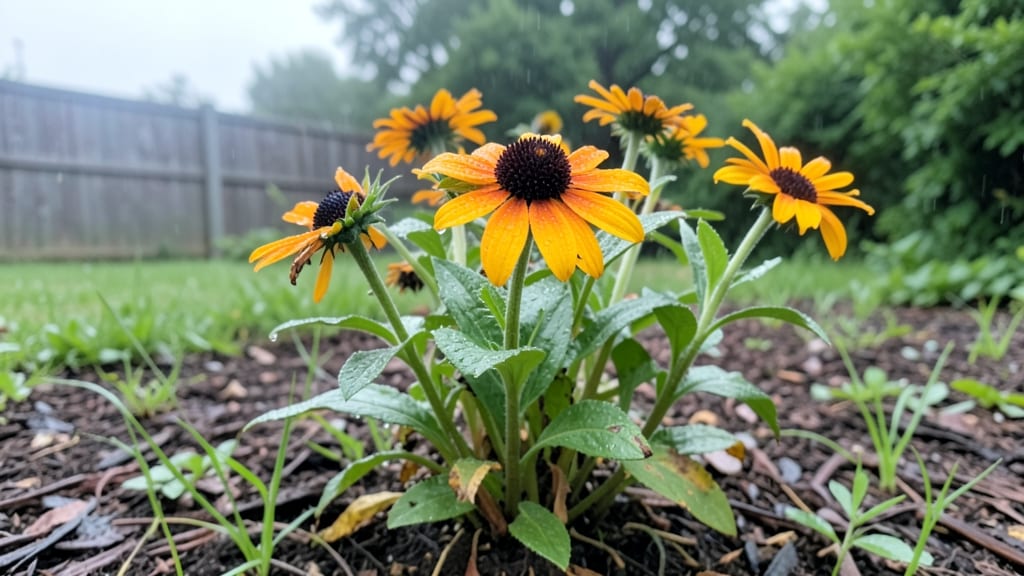
The Pacific Northwest’s rain-kissed blooms transform gardens into jewel-toned dreamscapes after every shower. 💚 I’ve spent years studying which flowers thrive in this damp climate—petals that stay vibrant even when the air feels heavy with mist.
The secret lies in choosing varieties that love moisture but resist rot, like camellias with their waxy petals or hellebores that bloom through winter’s last drizzle.
These flowers don’t just survive rain—they glow after it. Dew clings to delicate petals like tiny diamonds, and the air fills with that earthy, slightly sweet fragrance that’s uniquely Pacific Northwest. My garden’s best performers?
Rhododendrons with their velvety blooms, ferns that unfurl like lace, and even native salal bushes that stay lush year-round. The key is planting in layers so moisture-loving plants get shade from taller neighbors.
You’ll end up with a garden that feels like a living painting—soft blues deepening after rain, pinks taking on a pearlescent sheen, and greens so rich they look freshly washed. The best part? These plants handle our rainy seasons without fuss, and their post-shower beauty lasts for days.
Photographers love this effect too—golden-hour light through damp petals creates shots that look like they’re straight out of a storybook.
Spring through fall is prime time for this magic, but even winter’s occasional rain can make dormant stems glisten. The trick is to group plants by their moisture needs and elevate containers slightly to prevent soggy roots.
Once you see your garden come alive after a storm, you’ll never look at rain the same way.
📚 In This Guide
- What you need
- Instructions
- Tips and common mistakes
- Wrapping up and next steps
What you need
- ● Soil: Well-draining, acidic soil (pH 5.0–6.5) – mix in peat moss or pine bark for optimal conditions.
- ● Compost (2–3 gallons per planting hole) – boosts fertility and moisture retention.
- ● Plants: Choose from these Pacific Northwest favorites (quantities adjust based on garden size): Heather (Calluna vulgaris) – 3–5 plants (dwarf varieties for borders).
- ● Salal (Gaultheria shallon) – 1–2 mature shrubs (low-growing, evergreen).
- ● Western Azalea (Rhododendron occidentale) – 2–4 plants (fragrant spring blooms).
- ● Sword Fern (Polystichum munitum) – 3–6 clumps (frost-resistant foliage).
- ● Mulch: 2–3 inches of cedar chips or pine needles (preserves moisture and mimics forest floors).
- ● Garden trowel or spade (for planting).
- ● Pruning shears (sterilized with rubbing alcohol).
- ● Watering can or hose with a gentle spray nozzle (avoids damaging delicate blooms).
- ○ Optional (but helpful): Soil pH test kit (to confirm acidity levels).
- ● Frost cloth (lightweight, for early-season protection).
- ● Decorative stones or bark (for a natural, rainforest-inspired look).
- ● Partial to full shade location (most PNW natives thrive here).
- ● Weekly watering (deep soaks, not overhead spraying, to prevent fungal issues).
- ● Patience! Some plants (like salal) grow slowly but reward you with decades of beauty.
How to create a Pacific Northwest rain garden with fragrant, frost-resilient flowers
Here's how to design a lush, low-maintenance garden that thrives in the PNW's damp climate.
🌱 Step 1: Choose the Perfect Low-Sun Spot
The key to rain-loving flowers is selecting the right location. Look for areas that stay moist for most of the year—think under large trees, near downspouts, or along slopes where water naturally collects. These spots will stay damp even after heavy rains, which is exactly what frost-resistant blooms like.
I like to test potential spots by digging a small hole and filling it with water. If it drains completely within 1-2 hours, the area gets too much sun and may dry out. If it stays wet for 24+ hours, that's your perfect rain garden location. The soil should feel cool to the touch even in summer—this tells you it's naturally moist.
🪴 Step 2: Prepare the Soil with Organic Amendments
PNW gardens often have heavy, clay-based soil that drains poorly. Break up the soil in your chosen area to a depth of 6-8 inches using a garden fork. This helps water penetrate rather than pool on the surface. Add 2-3 inches of compost and mix it thoroughly—this improves drainage while retaining moisture.
For extra frost protection, I spread a 1-inch layer of coarse sand over the amended soil. This creates tiny air pockets that prevent waterlogging while still allowing roots to breathe. The sand also helps regulate soil temperature, protecting delicate roots during sudden cold snaps that happen even in mild PNW winters.
☀️ Step 3: Plant Frost-Resilient, Fragrant Varieties
For the Pacific Northwest, focus on plants that thrive in partial shade to full shade and can handle 30-40°F nights. Some of my top picks include heuchera (coral bells), astilbe, ligularia, and tiarella (foamflower)—all of which bloom beautifully after rains and release their sweetest fragrance when the air is damp.
Space plants 12-18 inches apart to allow for air circulation, which helps prevent fungal diseases that thrive in the PNW's humid conditions. I like to group plants with similar water needs together—this makes maintenance easier and ensures no plant gets waterlogged or drought-stressed.
💧 Step 4: Mulch Heavily to Retain Moisture and Protect Roots
Spread 3-4 inches of wood chips or shredded bark mulch over the soil surface, keeping it 2-3 inches away from plant stems. This thick layer helps regulate soil temperature, prevents erosion from heavy rains, and slowly releases moisture back into the soil. The mulch also creates a natural barrier that protects roots from sudden temperature swings.
I always use untreated wood mulch because it breaks down slowly and adds organic matter to the soil over time. Replenish the mulch layer every 6-12 months—this ensures it stays thick enough to do its job. The mulch will look especially beautiful when damp after a rain, creating a lush, natural carpet around your flowers.
✂️ Step 5: Maintain with Minimal Care After Establishment
Once established, these rain-loving flowers require very little maintenance. Water only during extended dry spells (more than 7-10 days without rain), and then only enough to keep the soil lightly moist. The deep mulch and amended soil will hold moisture for weeks, so you won't need to water frequently.
Deadhead spent blooms in early spring to encourage more flowers, but otherwise, let the plants go dormant naturally in winter. The thick mulch protects roots from frost heave, and many of these plants will surprise you with early spring blooms—often just after the first heavy rains of the season.
Tips & tricks for perfect Pacific Northwest rain gardens
Creating a rain garden that thrives in the PNW's damp climate takes a few strategic moves—here's how to make your fragrant blooms stand out after every rain.
Location Intelligence: When testing your spot in Step 1, don't just check the water test—also observe the area after a natural rain. Look for spots where water pools for 1-2 hours but doesn't become a swamp. These "just-right" zones create perfect conditions for frost-resistant flowers to thrive without drowning. The key is finding that sweet spot between too wet and just right.
Soil Science: In Step 2, take your compost preparation one step further by mixing in 1 part perlite for every 4 parts compost when amending the 6-8 inch soil depth. This creates even better drainage while still holding moisture—critical for preventing root rot in our heavy clay soils. The perlite also helps prevent soil compaction from heavy winter rains, keeping roots aerated year-round.
Plant Pairing: For Step 3, consider adding Japanese forest grass (like Hakonechloa) as an optional groundcover between your heuchera and astilbe. These grasses thrive in damp conditions and their cascading forms create beautiful texture that enhances the fragrance. Just be sure to space them 12-18 inches away from your main plants to prevent competition.
Mulch Magic: When applying your 3-4 inch mulch layer in Step 4, create a slight depression in the center of your planting area. This helps water naturally flow toward the roots during heavy rains, preventing runoff. The mulch will naturally settle and compact over time, so add an extra ½ inch initially to account for this natural compression.
Pro Tips for Flowers After Rain
- Creating a rain garden that thrives in the PNW's damp climate takes a few strategic moves—here's how to make your fragrant blooms stand out after every rain.
- Location Intelligence: When testing your spot in Step 1, don't just check the water test—also observe the area after a natural rain.
- Soil Science: In Step 2, take your compost preparation one step further by mixing in 1 part perlite for every 4 parts compost when amending the 6-8 inch soil depth.
Frequently asked questions
about flowers after rain in the Pacific Northwest—where petals meet mist and fragrance lingers in the damp air. Here’s what curious gardeners and nature lovers often ask:Why do some flowers smell stronger after rain?
Rain triggers volatile organic compounds (VOCs) in flowers, releasing their fragrance as a way to attract pollinators like bees and butterflies. The cooler, humid air after a shower also enhances scent diffusion—think of it as nature’s perfume boost!
How long after rain do flowers stay fragrant?
Most rain-scented blooms peak in fragrance for 24–48 hours post-rain, depending on humidity and temperature. In the PNW’s damp climate, some like sweet peas or lilacs may linger longer. Morning walks are ideal for catching the freshest aromas!
Can I plant flowers that thrive because of rain?
Native PNW favorites like Symphoricarpos (snowberry), Heuchera (coral bells), and Rhododendron love moisture and rain. Avoid drought-tolerant species like succulents—they’ll wilt faster in the region’s wet winters.
What if my flowers look sad after rain?
Wilting or yellowing leaves? Overwatering or fungal issues (like powdery mildew) might be the culprit. Improve drainage, space plants for airflow, and avoid overhead watering. Ferns and hostas often recover quickly, but monitor for pests if symptoms persist.
Best flowers for rain-soaked photography?
Dew-kissed blackberry blossoms, salal berries, and Western columbines create stunning, moody shots. Early mornings with soft light and misty backgrounds elevate the ethereal PNW aesthetic. Pro tip: Use a polarizing filter to enhance color vibrancy!
Wrapping up and next steps
The Pacific Northwest’s flowers after rain aren’t just a fleeting beauty—they’re a symbol of resilience and renewal. From the hardy Lupine to the delicate Camassia, these blooms remind us that even after the storm, life thrives with vibrant color and intoxicating fragrance.
Whether you’re a gardener or simply a nature lover, take inspiration to nurture your own green spaces or simply pause to appreciate the magic unfolding outside.
🌧️ Next step: Grab your rain boots and explore a local garden or trail—you might just discover your new favorite rain-loving bloom! 🌸