
Flowers
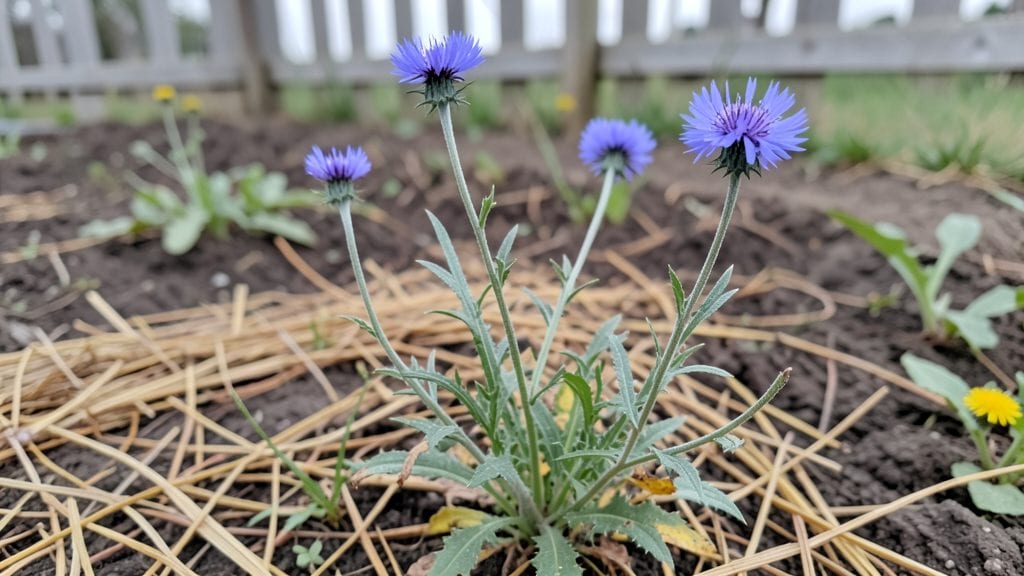
Growing centaurea cyanus cornflowers in the Pacific Northwest means you can enjoy frost-proof blooms from spring until hard frost—no greenhouse needed. 🌿 These cheerful blue stars thrive where other flowers falter, and their self-seeding habit means more color every year with almost no effort.
The secret lies in their love for cool weather and well-drained soil, which makes them perfect for our rainy climate.
You’ll need full sun (at least 6 hours daily), average garden soil, and minimal fuss—cornflowers tolerate poor conditions better than most annuals. Start seeds indoors 6-8 weeks before last frost or sow directly in spring after soil warms to 50°F, spacing them 12-18 inches apart.
They’re tough enough to handle light frosts, so don’t rush planting; cooler soil actually helps germination.
Once established, these plants reward you with weeks of vibrant blooms that cut beautifully for bouquets or attract pollinators like bees and butterflies. Water them once a week unless it rains, and watch for aphids (spray with soapy water if needed).
The real magic? They’ll self-seed prolifically, giving you free flowers for years to come.
Perfect for borders, wildflower meadows, or even container gardens—cornflowers bring effortless charm to any space. Whether you’re a beginner or a seasoned gardener, these hardy blooms prove that stunning flowers don’t require complicated care. Let’s get those seeds planted!
📚 In This Guide
- What you need
- Instructions
- Tips and common mistakes
- Wrapping up and next steps
What you need
- ● Cornflower seeds (Centaurea cyanus): 1–2 packets (50–100 seeds) for small gardens
- ● 3–5 packets (200+ seeds) for borders or mass planting
- ● Pro tip: Choose heirloom varieties like ‘Black Ball’ or ‘Carmin’ for bold colors!
- ● Well-draining soil: pH 6.0–7.5 (amend with compost if needed)
- ● Loamy or sandy texture (cornflowers hate soggy roots!)
- ● Sunlight access: Full sun (6+ hours/day)
- ● Watering can or hose with gentle spray
- ● Garden trowel or transplanting spade
- ○ Stakes or small cages (optional, for tall varieties)
- ● Slow-release fertilizer (5-10-5 ratio, sprinkled lightly at planting)
- ● Mulch (straw or shredded leaves to retain moisture)
- ● Seed-starting trays (if sowing indoors 6–8 weeks before last frost)
- ● Bird netting (to protect seeds from hungry birds!)
- ● Pruning shears (for deadheading spent blooms)
Step-by-step instructions for growing Pacific Northwest cornflowers
Here's how I coax vibrant cornflowers through our damp, cool seasons—no fuss, just reliable blooms.
🌱 Step 1: Choose the Right Site and Soil
Cornflowers thrive in full sun—at least 6 hours daily—so pick the sunniest spot in your garden. In the Pacific Northwest, that often means south-facing slopes or raised beds where morning sun dries dew quickly. Avoid low-lying areas where cold air settles, as cornflowers despise soggy roots.
Amend your soil with 2-3 inches of compost before planting to improve drainage. Cornflowers prefer lean, well-draining soil—too much richness leads to floppy stems and fewer blooms. I like to mix in a handful of perlite per square foot to prevent compaction, especially in clay-heavy PNW soils.
🌱 Step 2: Direct Sow Seeds at the Right Time
Sow seeds outdoors in early spring (March-April) as soon as the soil reaches 50°F, or late summer (August-September) for fall blooms. Cornflower seeds germinate best in cool conditions—don’t rush them indoors. Plant seeds ¼ inch deep and 6-8 inches apart in rows 12-18 inches apart to allow airflow.
Here's the thing—cornflowers self-seed aggressively, so if you love them, let them naturalize. If not, deadhead spent blooms before seed heads form. Water lightly after sowing, but avoid oversaturating—seeds need moisture to germinate, but not to rot. You’ll see sprouts in 10-14 days if conditions are right.
☀️ Step 3: Provide Consistent Care for Frost-Proof Growth
Once established, cornflowers are drought-tolerant, but young plants need 1 inch of water weekly during dry spells. In the PNW, that often means less in spring/fall, more in summer. Let the soil dry slightly between waterings—wilting is normal, but prolonged droop means roots are struggling.
Fertilize lightly in spring with 5-10-10 at half strength—cornflowers don’t need much. Too much nitrogen produces leafy growth at the expense of those iconic blue blooms. I skip fertilizer entirely after the first year, relying on compost and natural soil microbes to feed them.
✂️ Step 4: Prune and Deadhead for Long-Lasting Blooms
Deadhead spent flowers regularly to encourage more blooms. Simply pinch off faded blooms at the base with your fingers or clean pruners. This prevents seed formation and redirects energy to new flowers. I do this every 2-3 days during peak bloom—it’s a quick habit that keeps plants flowering for months.
In late fall, cut back stems to 2-3 inches above the ground. Cornflowers are hardy to Zone 3, so they’ll bounce back in spring. If you’re in a milder PNW microclimate, you might even get winter blooms—just protect them from heavy snow with a light burlap wrap.
Tips & tricks for growing Pacific Northwest cornflowers
These hard-earned lessons will help you grow cornflowers that thrive in our damp climate and keep blooming until frost.
Sunlight Strategy: While cornflowers need at least 6 hours of sun daily, I’ve found they tolerate morning sun plus afternoon shade better than full shade. In cloudy PNW summers, supplement with a reflective surface like a white garden wall or aluminum foil behind plants to maximize light exposure. This is especially helpful in shaded areas where blooms might get sparse.
Soil Secrets: The 2-3 inches of compost recommendation is perfect, but here’s the thing—cornflowers hate soggy feet. If your garden has heavy clay soil (common in the PNW), mix in a generous handful of perlite per square foot as mentioned, but also consider adding coarse sand to improve drainage. I’ve seen plants in poorly drained soil develop root rot despite the compost.
Timing Tip: That 10-14 day germination window can feel like forever, but patience pays off. If you’re not seeing sprouts after 14 days, gently scratch the soil surface to check for seeds—sometimes they’re just buried too deep. In cool PNW springs, germination may take up to 21 days, so don’t give up too soon. A mini greenhouse made from a clear plastic bottle can speed things up by 3-5 days.
Watering Wisdom: The 1 inch weekly watering guideline works, but here’s my adjustment: water in the morning rather than evening to prevent fungal issues from prolonged moisture. In our damp climate, I often reduce to every 10 days once plants are established, letting the soil dry completely between waterings. The deep blue blooms are your reward for this restraint!
Pro Tips for Centaurea Cyanus Cornflower
- These hard-earned lessons will help you grow cornflowers that thrive in our damp climate and keep blooming until frost.
- Sunlight Strategy: While cornflowers need at least 6 hours of sun daily, I’ve found they tolerate morning sun plus afternoon shade better than full shade.
- Soil Secrets: The 2-3 inches of compost recommendation is perfect, but here’s the thing—cornflowers hate soggy feet.
Frequently asked questions
Got questions about growing Centaurea cyanus (cornflower) in the Pacific Northwest? You’re not alone! Here are some of the most common queries—and their answers—to help you cultivate stunning, frost-hardy blooms year-round.
When is the best time to plant cornflowers in the PNW?
For Centaurea cyanus, sow seeds directly in early spring (March–April) or late summer (August–September). PNW’s mild, wet winters mean seeds can sprout in cooler months, but avoid planting in soggy soil. Start indoors 6–8 weeks before the last frost if you prefer head starts!
Can cornflowers survive PNW’s frost and rain?
Cornflowers are hardy to USDA Zone 3, thriving in the PNW’s chilly, damp climate. Their drought-tolerant roots handle rain well, but ensure well-draining soil to prevent rot. Mulch lightly in winter to protect emerging seedlings.
Why aren’t my cornflowers blooming?
Cornflowers may skip blooms if they’re over-fertilized (they prefer lean soil) or crowded. Thin seedlings to 12–18 inches apart and deadhead spent blooms to encourage continuous flowering. Too much shade? Move to full sun (6+ hours/day) for best results.
What can I plant alongside cornflowers for a pollinator-friendly garden?
Pair Centaurea cyanus with native PNW companions like Lavandula (lavender), Eschscholzia californica (California poppy), or Achillea millefolium (yarrow). These plants attract bees, butterflies, and beneficial insects while thriving in similar conditions.
Are cornflowers annual or perennial in the PNW?
Technically annual, but they self-seed prolifically in the PNW’s mild winters! Let spent blooms go to seed, and you’ll get volunteer plants for years. For guaranteed returns, collect seeds before they scatter.
Wrapping up and next steps
Growing Centaurea cyanus—the charming cornflower—is a rewarding journey for Pacific Northwest gardeners, offering vibrant blooms that thrive even in frost. Whether you’re drawn to their easy-care nature or their year-round beauty, these flowers bring joy with minimal effort. 🌸
Ready to transform your garden? Start by planting a few seeds this season and watch your outdoor space flourish with color. Happy gardening! 🌱