Flowers
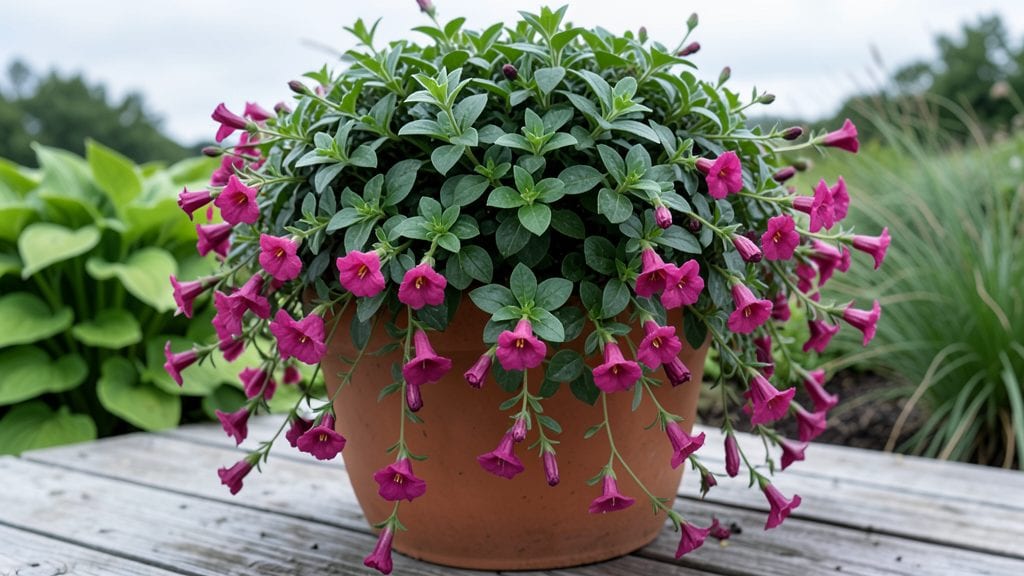
Growing million bell flowers means transforming your garden into a hummingbird hotspot with year-round blooms that spill like tiny waterfalls of color. 🌸 I’ve watched these trailing beauties go from sparse seedlings to cascading mounds of flowers, and the secret isn’t complicated—just the right balance of sun, soil, and a little patience.
The plants thrive in full sun to partial shade, though they’ll reward you with the most blooms if they get at least 6 hours of direct light daily.
Well-draining soil is non-negotiable—these babies hate soggy roots. A light, airy potting mix works wonders in containers, while amending garden beds with compost ensures they stay happy and productive.
By summer, you’ll have a nonstop floral display that hummingbirds can’t resist, and the best part? They keep blooming well into fall if you deadhead spent flowers regularly. Even in winter, with proper care, you can coax new growth indoors or in sheltered spots.
Whether you’re spilling them over pots, lining a raised bed, or training them up a trellis, million bells bring effortless charm to any space. Let’s get yours thriving—hummingbirds will thank you!
📚 In This Guide
- What you need
- Instructions
- Tips and common mistakes
- Wrapping up and next steps
What you need
- ● Million Bell Flowers Seeds or Plants: Choose from varieties like Superbells or Million Bells (available at nurseries or online). Start with 10–20 plants for a small garden bed or 50+ for a full border.
- ● Well-Draining Potting Mix: 10–20 lbs (depending on container size). Use a blend of 50% peat moss, 30% perlite, and 20% compost for optimal drainage.
- ● Containers or Garden Beds: Containers: 6–12 inch pots with drainage holes (1 plant per pot). Use hanging baskets for cascading varieties.
- ● Garden Beds: Full sun to partial shade (4–6 hours of sunlight daily). Amend soil with compost for fertility.
- ● Fertilizer: Balanced liquid fertilizer (10-10-10 or 20-20-20) for potted plants. Apply every 2–4 weeks during growing season.
- ● Slow-release granules (e.g., Osmocote) for garden beds (1 cup per 10 sq ft).
- ● Watering Can or Drip System: Keep soil consistently moist (not soggy). Containers dry faster—water daily in hot weather.
- ● Gloves & Pruners: Wear gloves to handle plants; use sterilized pruners for trimming dead blooms.
- ○ pH Test Kit (Optional): Ideal soil pH: 5.8–6.2. Adjust with lime (to raise pH) or sulfur (to lower).
- ○ Mulch (Optional): 1–2 inches of organic mulch (e.g., pine bark) to retain moisture and suppress weeds.
- ○ Hummingbird Feeder (Optional): Place a feeder nearby to attract pollinators and boost blooming!
Step-by-Step instructions for cultivating million bell flowers
Here's how to create a vibrant hummingbird magnet with these prolific bloomers.
🌱 Step 1: Choose the Perfect Planting Location
Million bell flowers thrive in full sun to partial shade, with at least 6 hours of direct sunlight daily. I always select a spot with morning sun and afternoon shade in hotter climates—this prevents leaf scorch while ensuring abundant blooms. The plants will tolerate light shade, but you'll sacrifice some of that spectacular flowering.
Check your site's drainage first. These beauties despise soggy roots, so if your soil stays wet for more than a day after rain, amend it with 2-3 inches of compost mixed into the top 12 inches of soil. The ideal spot has well-draining soil with a slightly acidic to neutral pH (6.0-7.0). A simple soil test kit will tell you if you need to adjust your soil's pH before planting.
🌿 Step 2: Plant at the Right Time and Depth
Sow seeds 6-8 weeks before your last frost date for spring blooms, or directly in the ground after all danger of frost has passed. Million bell flowers germinate best in soil temperatures between 60-70°F. If planting from seed, press them ¼ inch deep—they need light to germinate, so don't bury them too deeply.
When transplanting established plants, space them 12-18 inches apart in rows 2 feet apart. Dig a hole twice as wide as the root ball but only as deep as the container's base—planting too deep can suffocate the roots. Water deeply right after planting to settle the soil and eliminate air pockets around the roots.
☀️ Step 3: Maintain Consistent Watering and Fertilization
Water 1-1.5 inches per week, keeping the soil evenly moist but never soggy. The key is consistency—let the top 1-2 inches of soil dry out between waterings to prevent fungal diseases. You'll know you're on track when the foliage stays vibrant and the stems feel sturdy when gently squeezed.
Feed your plants with a balanced, water-soluble fertilizer (10-10-10) every 4-6 weeks during the growing season. I also recommend a slow-release granular fertilizer applied in early spring for steady nutrition. Stop fertilizing in late summer to encourage blooming rather than leafy growth.
✂️ Step 4: Prune for Longer Blooming Seasons
Deadhead spent blooms regularly to encourage continuous flowering. Pinch off flowers as they fade—this redirects the plant's energy toward producing new buds instead of setting seed. I like to do this every 2-3 weeks during peak bloom, which usually runs from early summer through fall.
After the first frost, cut back the stems to 4-6 inches tall. This prevents the plant from becoming woody and ensures a stronger, more vigorous regrowth in spring. Mulch around the base with 2-3 inches of organic mulch to protect roots from freezing temperatures and retain moisture during dry spells.
🪴 Step 5: Overwinter for Year-Round Beauty
Million bell flowers are surprisingly hardy and can survive winter in many climates. In USDA zones 8-11, they'll often regrow from the roots in spring with minimal care. In colder zones (below 7), cut back the foliage to 2-3 inches above the ground and cover the base with 4-6 inches of mulch for insulation.
In early spring, remove the mulch and trim back any dead or damaged stems. Water lightly to encourage new growth, and you'll see fresh shoots emerging within 2-3 weeks. This is the moment that matters—it's when your hummingbird haven truly comes to life again.
Tips & tricks for perfect million bell flower cultivation
Took me a while to figure these out, so here's how to avoid the common pitfalls while maximizing those stunning blooms.
Lighting Strategy: In Step 1, when choosing your location, pay special attention to how sunlight shifts throughout the day. I've noticed that morning sun (especially between 8-11am) is most critical for preventing leaf scorch while still giving those flowers their energy boost. If you're in a particularly hot climate, consider using shade cloth (30-50%) during peak afternoon hours to protect the foliage without sacrificing too much light.
Soil Preparation Secret: The 2-3 inches of compost recommendation in Step 1 is non-negotiable, but here's what nobody tells you—mix in a handful of perlite or coarse sand when amending that top 12 inches of soil. This creates tiny air pockets that prevent compaction, which is especially important in clay-heavy soils where these flowers often struggle. The roots will thank you with better nutrient uptake and disease resistance.
Planting Depth Insight: That ¼-inch seed depth in Step 2 might seem shallow, but it's perfect because million bell flowers need light to germinate. I've learned the hard way that burying them deeper than ½ inch dramatically reduces germination rates. For transplanting, use your finger to create a small trench around the root ball—this encourages roots to spread outward rather than circling, which leads to stronger plants.
Watering Technique: The 1-1.5 inches per week guideline in Step 3 is spot-on, but here's the pro move: water deeply but infrequently. I use a soaker hose set on low for 20-30 minutes twice weekly rather than daily sprinkling. This encourages deep root growth and prevents fungal issues that plague shallow watering methods. The top 1-2 inches drying out between waterings is your cue that it's time again—don't let the soil get bone dry.
Pro Tips for Million Bell Flowers
- Took me a while to figure these out, so here's how to avoid the common pitfalls while maximizing those stunning blooms.
- Lighting Strategy: In Step 1, when choosing your location, pay special attention to how sunlight shifts throughout the day.
- Soil Preparation Secret: The 2-3 inches of compost recommendation in Step 1 is non-negotiable, but here's what nobody tells you—mix in a handful of perlite or coarse sand when amending that top 12 inches of soil.
Frequently asked questions
Got questions about cultivating your own million bell flowers (Calibrachoa)?
You’re in the right place! Whether you’re a beginner or a seasoned gardener, these answers will help you grow a vibrant hummingbird magnet with minimal stress. Let’s dive in!
How long does it take for million bell flowers to bloom after planting?
With the right care, you’ll see the first delicate blooms 6–8 weeks after transplanting seedlings (or 8–10 weeks from seed). If planted in spring, expect a non-stop show from late spring through frost—just keep deadheading spent flowers to encourage more! Pro tip: Use slow-release fertilizer at planting to speed up flowering.
Why aren’t hummingbirds visiting my million bell flowers?
Hummingbirds love these flowers, but a few factors might keep them away:
- Timing: They’re most active in the morning and late afternoon—observe when they’re active in your area.
- Color contrast: Plant near red, orange, or purple flowers to create a “traffic light” effect.
- Water source: Add a shallow birdbath nearby—they need water too!
- Patience: It can take 1–2 weeks for them to discover your garden.
Can million bell flowers survive winter in cold climates?
These tropical beauties are annuals in zones 9–11 but can be grown as tender perennials in cooler zones with protection. Here’s how:
- In zones 8–9, mulch heavily and cover with burlap in winter.
- In zones 7 and below, treat them as annuals or grow in containers to move indoors before frost.
- Pro tip: Start seeds early indoors (10–12 weeks before last frost) for a jumpstart on blooms.
What’s the best alternative if I can’t grow million bell flowers?
If your climate or space is tricky, try these hummingbird-friendly substitutes that thrive in similar conditions:
- Petunias (trailing varieties like ‘Wave’)
- Fuchsias (dangling blooms, loves shade)
- Salvias (drought-tolerant and fragrant)
- Lantana (heat-loving and long-blooming)
All of these attract pollinators and offer bright, tubular flowers hummingbirds adore!
My million bell flowers have brown edges—what’s wrong?
Brown, crispy edges are usually a sign of underwatering or low humidity, but other causes could be:
- Over-salinity: Tap water with high minerals can build up in pots. Use rainwater or distilled water if needed.
- Fungal issues: If brown spots appear after rain, improve airflow and avoid overhead watering.
- Cold stress: Sudden temperature drops (below 50°F/10°C) can shock the plants.
Pro tip: Mulch with coco coir or pine needles to retain moisture and protect roots.
Wrapping up and next steps
Transforming your garden into a vibrant million bell flowers haven is easier than you think—and the rewards are endless! 🌸 These stunning blooms not only attract hummingbirds but also bring year-round color and joy to your outdoor space.
Whether you're a seasoned gardener or just starting out, the key is patience, proper care, and a little creativity.
Now that you’re armed with the how-to, why not take the next step? Start small—plant a few seeds or a single cutting—and watch your garden burst into life. Share your progress with fellow plant lovers, experiment with companion plants, or even gift a cutting to a friend.
The beauty of million bell flowers is that they invite you to keep growing, learning, and enjoying every season!