
Flowers
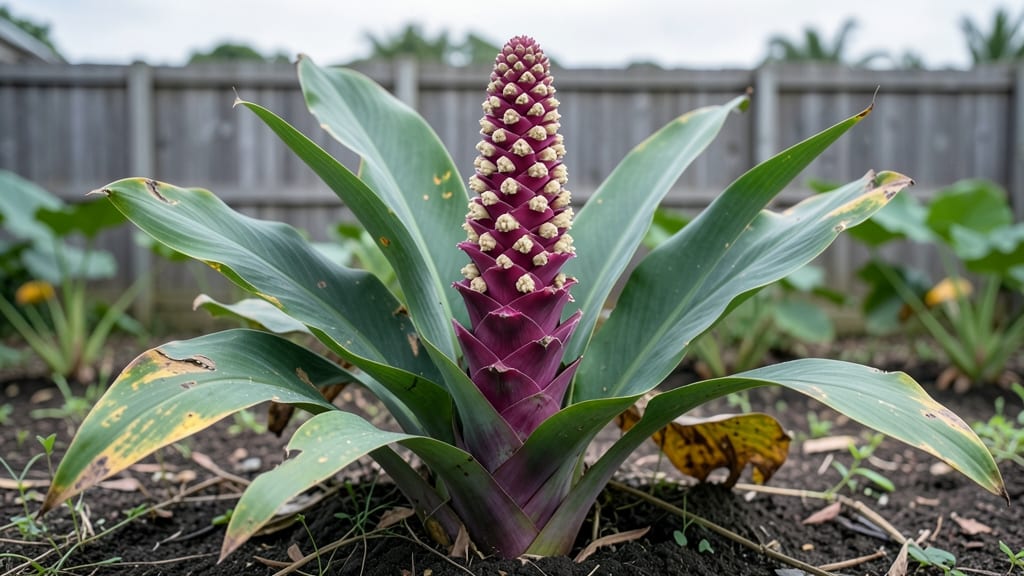
Growing cone ginger flowers means bringing a fragrant, tropical canopy to your garden that blooms year-round with minimal fuss. 🌿 I first fell for this plant when its cone-shaped flowers burst open like nature’s fireworks, filling the air with a sweet, spicy scent that lingers for days.
Unlike finicky tropicals, cone ginger thrives in heat and humidity but also handles partial shade—making it perfect for zones 9-11 and even containers in cooler climates.
The secret to its success lies in rich, well-draining soil and occasional deep watering—never soggy roots. I’ve grown mine in a mix of garden soil and compost, with a handful of sand to keep things airy.
Once established, it’s nearly indestructible, sending up bold foliage that frames those dramatic flower spikes like living art. The key? Prune spent blooms to encourage more flowers, and watch as new growth emerges within weeks.
By summer’s end, your plant will reward you with vibrant clusters of pink and white blooms that attract hummingbirds and fill your space with an intoxicating fragrance. Even in winter, the glossy leaves stay lush, making it a standout ornamental.
Whether you’re adding height to a tropical border or creating a fragrant focal point, this plant delivers drama with almost no effort.
Fair warning: It can spread, so give it room or contain it in a large pot. But the trade-off? A garden that smells like a tropical paradise without the travel. Ready to grow yours?
📚 In This Guide
- What you need
- Instructions
- Tips and common mistakes
- Wrapping up and next steps
What you need
- ● Cone ginger plants: Choose healthy nursery-grown rhizomes or potted plants (1–3 per container, depending on pot size). Look for Alpinia zerumbet (shell ginger) or Hedychium coronarium (white ginger lily) for classic cone-shaped blooms.
- ● Well-draining potting mix: 5–10 gallons of a blend like 60% peat moss/compost, 30% perlite/pumice, and 10% coarse sand (or a pre-mixed tropical mix). Avoid heavy clay soil!
- ● Containers: Pots with drainage holes (12–18" diameter for mature plants) or in-ground beds in warm climates (Zones 8–11). Terracotta or fabric pots work best.
- ● Slow-release fertilizer: A balanced 10-10-10 or 20-20-20 granular fertilizer (2–3 tbsp per plant at planting time). Organic options like worm castings or fish emulsion also work.
- ● Mulch: 2–3 inches of organic mulch (straw, pine bark, or coconut coir) to retain moisture and regulate soil temp.
- ● Garden trowel or small shovel
- ● Pruning shears (sterilized with rubbing alcohol)
- ● Watering can or hose with a gentle spray nozzle
- ● pH test kit (ideal range: 5.5–6.5)
- ● Gloves (ginger rhizomes can be prickly!)
- ● Grow lights (for indoor setups in cooler climates)
- ● Soil moisture meter (cone gingers love consistent dampness!)
- ● Epsom salt (1 tbsp/month for magnesium boosts)
- ● Companion plants like Heliconia or Canna for a tropical vibe
Step-by-Step guide for cultivating cone ginger flowers
Here’s how to coax these bold tropical blooms into thriving life—no greenhouse required.
🌱 Step 1: Select the Right Spot and Prepare the Soil
Cone ginger (Alpinia purpurata) craves warmth and humidity, so pick a location with partial shade—think dappled sunlight or filtered light from a sheer curtain. If you’re planting outdoors in zones 10-11, choose a sheltered corner where temperatures stay above 60°F. For containers, a 12-15 gallon pot with drainage holes works best.
Use a well-draining tropical potting mix blended with 20% perlite or orchid bark to prevent soggy roots. Cone ginger hates wet feet, so add a 2-inch layer of gravel at the pot’s bottom if growing in containers. Amend garden soil with compost until it’s loose and airy—cone ginger roots need room to breathe.
☀️ Step 2: Plant and Establish Your Cone Ginger
Dig a hole twice as wide as the root ball but only as deep as the container’s original level—burying too deep suffocates the plant. Gently tease apart crowded roots before placing it in the hole. For containers, nestle the root ball into the prepared mix, then backfill with soil, pressing lightly to eliminate air pockets.
Water deeply right after planting—soak the soil until water drains freely from the bottom. Mulch with 2-3 inches of shredded bark to retain moisture and mimic the plant’s natural forest floor. Cone ginger thrives in 70-85°F and high humidity, so mist the leaves daily in dry climates or group pots together to create a microclimate.
💧 Step 3: Water and Feed for Lush Growth
Keep the soil evenly moist but never soggy—cone ginger’s roots rot quickly in waterlogged conditions. Water when the top 2 inches of soil feel dry, and always water at the base to avoid fungal issues. In containers, check moisture daily during hot spells; outdoor plants need less frequent watering once established.
Feed every 4-6 weeks with a balanced liquid fertilizer (10-10-10) diluted to half strength. For a natural boost, top-dress with well-rotted compost in spring. You’ll know it’s happy when new leaves unfurl bright green and glossy—a sign it’s thriving.
✂️ Step 4: Prune and Encourage Blooms
Deadhead spent flower spikes by cutting them back to the nearest leaf node. This redirects energy to new growth and encourages more blooms. Prune leggy stems in early spring to shape the plant and promote bushier foliage. Use sterilized pruners to avoid spreading disease.
Cone ginger blooms best with bright, indirect light—if you notice leaves yellowing or stretching toward the window, move it closer to the light source. In containers, rotate the pot quarter-turn weekly to ensure even growth. With proper care, your plant will reward you with fragrant, cone-shaped blooms in late summer or fall.
🪴 Step 5: Overwinter for Year-Round Success
If you’re in a cooler climate, bring potted cone ginger indoors before temperatures drop below 50°F. Place it near a south-facing window or under grow lights for 12-14 hours daily. Reduce watering in winter—let the top 3 inches of soil dry out between waterings to prevent root rot.
Fertilize lightly in winter with a low-nitrogen formula (5-10-10) to keep the plant dormant but healthy. Resume regular care in spring when new growth appears. With patience, your cone ginger will thrive year-round, gifting you with bold, fragrant blooms season after season.
Tips & tricks for perfect cone ginger flowers
Here's what I learned after growing these tropical beauties for years—these little details make all the difference.
Location is Everything: In Step 1, that partial shade isn't just about light—it's about temperature control. Cone ginger flowers thrive in the 70-85°F range, so if your spot gets hotter than 85°F, provide afternoon shade to prevent leaf scorch. I've seen plants in full sun wilt dramatically by midday, even when temperatures were within range. A sheer curtain or lattice structure works perfectly for diffused light.
Root Ball Prep: When planting in Step 2, don't just drop the root ball in the hole—tease those roots apart gently. I learned this after seeing several plants struggle with root-bound issues. The goal is to encourage root spread immediately. For container plants, make sure the 12-15 gallon pot has drainage holes AND that gravel layer—this prevents the #1 killer of cone ginger: root rot from waterlogging.
Watering Wisdom: The "evenly moist but never soggy" rule in Step 3 is non-negotiable. I've seen plants recover from underwatering but never from overwatering. Use your finger to check that top 2 inches of soil
Light Rotation Hack: That weekly quarter-turn in Step 4 isn't just about aesthetics—it prevents the plant from leaning toward the light source. I noticed my plants developed uneven growth until I started rotating them. This ensures all sides get equal light exposure, which means more uniform foliage and better bloom production. Think of it like turning a roast in the oven for even cooking!
Pro Tips for Cone Ginger Flowers
- Here's what I learned after growing these tropical beauties for years—these little details make all the difference.
- Location is Everything: In Step 1, that partial shade isn't just about light—it's about temperature control.
- Root Ball Prep: When planting in Step 2, don't just drop the root ball in the hole—tease those roots apart gently.
Frequently asked questions
When is the best time to plant cone ginger flowers?
Plant them in early spring (after the last frost) or late summer for tropical varieties. Cone ginger thrives in warm soil (60°F+), so avoid planting in cold months. If you’re in a frost-prone zone, wait until the ground is consistently warm to the touch—your plants will thank you with lush, fragrant blooms!
How long does it take for cone ginger flowers to bloom?
With patience! Most cone ginger varieties take 1–2 years to produce flowers, depending on growing conditions. Pro tip: Fertilize lightly with a balanced, organic mix in spring and summer to encourage faster growth. Once established, they’ll reward you with striking, cone-shaped blooms that last weeks.
Can cone ginger flowers grow indoors?
Yes, but with limitations. They need bright, indirect light (a south-facing window or grow lights) and high humidity (mist leaves or use a pebble tray). A large pot (12"+ diameter) with well-draining soil is key. Expect slower growth indoors—outdoor planting yields bigger, showier blooms!
What pests should I watch for with cone ginger flowers?
Keep an eye out for aphids, spider mites, and mealybugs. Troubleshoot: Spray leaves with neem oil or insecticidal soap weekly during peak growing season. For severe infestations, wipe pests off with a damp cloth. Healthy plants (with proper watering and airflow) are less vulnerable—prevention is your best defense!
Are there any non-toxic alternatives if I can’t grow cone ginger?
Try bird-of-paradise (Strelitzia), canna lilies, or ginger lilies (Hedychium) for similar tropical vibes. These also thrive in warm climates, offer fragrant blooms, and attract pollinators. Bonus: Many are just as low-maintenance as cone ginger!
Wrapping up and next steps
Cone ginger flowers aren’t just a stunning addition to your garden—they’re a fragrant, low-maintenance powerhouse that rewards patience with year-round beauty and tropical charm. 🌿 Whether you’re drawn to their striking blooms, aromatic foliage, or resilience, these plants prove that growing showstoppers doesn’t have to be complicated.
Now that you’re equipped with the right soil, sunlight, and care tips, why not take the next step?
🌱 Ready to Plant?
- Start small with a single plant or propagate cuttings from a friend’s garden.
- Monitor your cone ginger’s progress and adjust care as needed—you’ve got this!
- Share your blooms on social media with #ConeGingerLove to inspire others!
Your fragrant canopy is just a few weeks (or clicks) away—go ahead and make it happen!