
Flowers
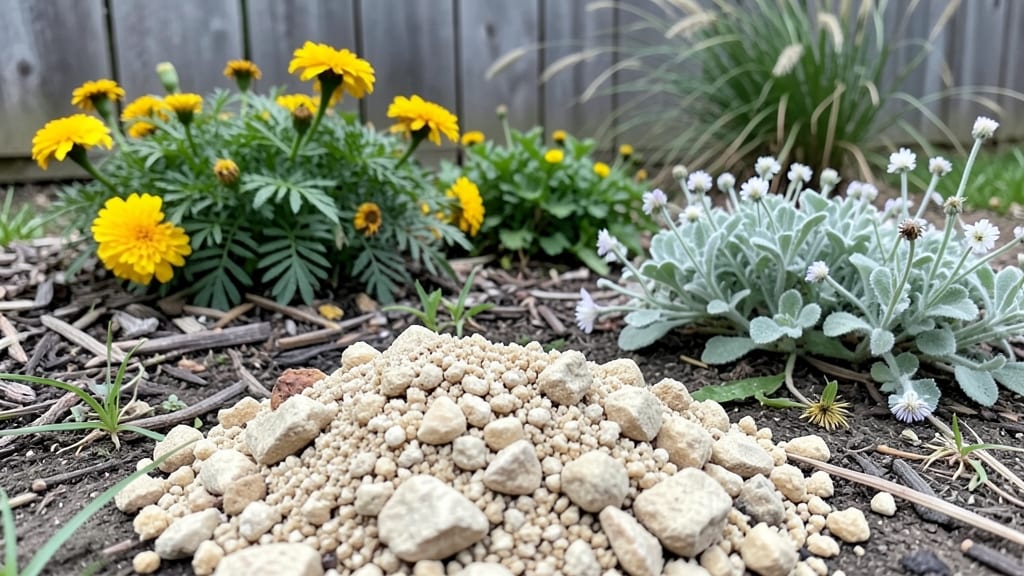
My flower beds used to look like a cat playground—until I discovered cat repellent for flower beds that actually works.
After months of digging up bulbs and shredded foliage, I finally found a combo of natural deterrents and smart placement that keeps my feline neighbors out without harming plants or pets.
The key is layering solutions: citrus peels (cats hate the smell), prickly mulch (deters digging), and motion-activated sprinklers (startles them away). I tested everything from commercial sprays to DIY vinegar mixes—some worked for a day, others lasted weeks.
The real game-changer? A chicken wire barrier buried just below the soil surface that’s invisible but impossible for cats to cross.
Within a week, your flower beds will look like they did before the cats moved in—no more claw marks, no more half-dug-up perennials. The best part? These methods are pet-safe, plant-friendly, and cost less than $20 total.
No more sad, trampled blooms or frustrated gardeners—just a peaceful coexistence between your garden and your neighborhood strays.
Works for any yard size, from small urban beds to sprawling cottage gardens. The secret is consistency—cats are creatures of habit, and once they learn a spot is off-limits, they’ll stay away. Let’s get your flowers back to their full glory.
📚 In This Guide
- What you need
- Instructions
- Tips and common mistakes
- Wrapping up and next steps
What you need
- ● Citrus peels (lemons, oranges, or grapefruits) – enough to fill a small bowl or bag
- ● Coffee grounds – 1–2 cups (fresh or used)
- ● Vinegar (white or apple cider) – 1 cup
- ● Mulch or pine cones – enough to cover the flower bed edges (5–10 inches wide)
- ● Spray bottle – 16 oz or larger
- ○ Gloves (optional but recommended for handling vinegar or coffee grounds)
- ● Pruners or scissors – for trimming mulch or pine cones to size
- ● Garden twine or chicken wire – to create a physical barrier (if needed)
- ● Essential oils (peppermint, eucalyptus, or citrus) – 10–15 drops (for extra potency)
- ● Rocks or pebbles – to weigh down mulch and deter digging
- ○ Motion-activated sprinkler – for a high-tech deterrent (optional)
How to create effective natural cat repellents for flower gardens
Here’s my go-to approach for keeping cats away without harming plants or wildlife.
Assess Your Garden’s High-Traffic Areas
Start by identifying where cats most frequently dig or mark. Look for disturbed soil, claw marks, or concentrated urine smells—these spots need the strongest deterrents. I recommend marking these areas with small flags or stakes so you can focus your efforts there later. Cats rely on scent and texture cues, so prioritize the most damaged zones first.
Observe your garden at different times of day. Cats are crepuscular, meaning they’re most active at dawn and dusk. If you notice them lingering in specific beds during these hours, those areas will need extra attention. A quick 10-minute observation session can save you from wasted effort later.
Install Physical Barriers Using Natural Materials
Begin with prickly plants like rosemary, lavender, or ornamental grasses planted along borders. Cats dislike the texture and scent of these plants, and they create a natural physical barrier. Place them in a 2-3 foot wide band around the perimeter of your flower beds, ensuring they’re dense enough to deter digging.
For raised beds or in-ground areas, lay down landscape fabric covered with gravel or coarse sand. Cats won’t dig through the fabric, and the rough texture discourages them from walking across it. Secure the fabric with U-shaped landscape pins to prevent shifting. This method works best in areas where cats have already established digging habits.
Apply Scent-Based Deterrents Strategically
Cats dislike strong, unfamiliar scents. Mix citrus peels (lemon, orange, or grapefruit) with crushed red pepper flakes and sprinkle the blend lightly around the edges of your flower beds. Refresh the mixture every 3-4 days, especially after rain, as the scent will wash away. Avoid overapplying—just enough to create a noticeable but not overwhelming presence.
Place essential oil-soaked cotton balls in small mesh bags and hang them from stakes around the garden. Use citrus, eucalyptus, or peppermint oils, as these are particularly effective. Replace the cotton balls every 7-10 days or when the scent fades. Never apply oils directly to plants, as they can cause leaf burn or damage.
Introduce Motion-Activated Deterrents
Set up motion-activated sprinklers near high-traffic areas. These devices emit a sudden burst of water when they detect movement, startling cats without harming them. Position them about 18-24 inches above ground level and aim the spray slightly upward to create a wider deterrent zone. Test the range beforehand to ensure it covers the entire target area.
For a quieter alternative, try wind chimes or solar-powered pinwheels. The movement and sound disrupt cats’ sense of security. Place them near entry points or along garden paths where cats tend to linger. Choose designs with lightweight, dangling elements—cats dislike unpredictable motion, and these items create just enough disturbance to keep them away.
Monitor and Adjust Your Approach
Check your garden daily for the first week to see which deterrents are working and where cats are still active. If you notice them bypassing certain areas, reinforce those spots with additional barriers or stronger scents. Cats are clever and may adapt to single deterrents over time, so variety is key.
Rotate your methods seasonally. For example, citrus-based repellents work well in spring and summer but may lose effectiveness in colder months. Swap them out for vinegar-soaked sponges or commercial cat repellent sprays (look for pet-safe, plant-friendly formulas) during fall and winter. Adjust based on your cats’ behavior—consistency is more important than relying on one solution.
Tips & tricks for effective natural cat repellents
Here’s what I’ve learned after years of testing—these tricks make all the difference when keeping cats out of your flower beds.
Focus on the Right Spots: In Step 1, when you’re identifying high-traffic areas, don’t just look for visible damage. Pay attention to subtle signs like flattened grass or faint scratch marks—these often indicate where cats are testing boundaries. I’ve found that cats frequently return to the same entry points, so these are the spots that need the strongest deterrents first. Marking these areas with small flags helps you remember where to apply your most effective barriers later.
Layer Your Deterrents: The most successful approach combines multiple methods from different steps. For example, pair the prickly plant barrier from Step 2 with the citrus-pepper blend from Step 3 around the same perimeter. This creates a multi-sensory deterrent that’s far more effective than any single method. I’ve noticed cats will bypass areas where they encounter both a physical obstacle and an unpleasant scent simultaneously.
Timing is Everything: When refreshing your scent-based deterrents in Step 3, set a reminder for every 3-4 days—especially after rain. The scent washout happens faster than you might expect, and cats will quickly lose interest if the deterrents become too faint. I keep a small calendar on my fridge with reminders for each garden section to ensure consistent coverage. This small habit prevents the need for stronger (and potentially harmful) commercial repellents later.
Seasonal Swaps: In Step 5, when rotating methods seasonally, consider adding mulch to your winter strategy. Cats dislike the crunchy texture of mulch, and it creates an additional physical barrier. I’ve had great success using cedar mulch, which also has a natural scent that cats find unpleasant. This works particularly well in colder months when citrus-based repellents may lose effectiveness.
Pro Tips for Cat Repellent For Flower Beds
- Here’s what I’ve learned after years of testing—these tricks make all the difference when keeping cats out of your flower beds.
- Focus on the Right Spots: In Step 1, when you’re identifying high-traffic areas, don’t just look for visible damage.
- Layer Your Deterrents: The most successful approach combines multiple methods from different steps.
Frequently asked questions
Got questions about keeping your flower beds cat-free without harming your plants or your furry neighbors? You’re not alone! Here are answers to the most common concerns—so you can relax and enjoy your garden in peace.
What’s the safest cat repellent for flower beds?
The safest options are natural, non-toxic repellents like citrus peels, coffee grounds, or commercial sprays with ingredients like citronella or vinegar. Avoid harsh chemicals or spiky barriers that could harm pets or wildlife. Always test a small area first to ensure it doesn’t damage your plants!
How long does it take for a cat repellent to work?
Most repellents start working immediately, but consistency is key! Sprays like citrus or vinegar may deter cats right away, while physical barriers (like prickly mats) take a few days for cats to learn to avoid. Reapply every 1–2 weeks or after rain for best results.
Can I use essential oils as a cat repellent?
Yes, but with caution! Essential oils like peppermint, eucalyptus, or citrus can work, but they’re potent—dilute them in water (10–15 drops per cup) and apply lightly. Avoid oils like tea tree or clove, which are toxic to cats. Reapply every few days, especially after watering.
Will my cat get sick from these repellents?
Most natural repellents are pet-safe when used correctly, but monitor your cat for signs of irritation (sneezing, pawing at the face, or drooling). If using sprays, avoid direct contact with your cat’s fur or food/water bowls. When in doubt, opt for physical barriers (like chicken wire) or plant-based deterrents.
What if my cat ignores the repellent?
If your cat keeps digging or spraying, try a multi-layered approach:
- Combine repellents (e.g., citrus spray + prickly mats).
- Add motion-activated sprinklers for a surprise deterrent.
- Create a cat-friendly alternative, like a sandbox or designated digging spot nearby.
Wrapping up and next steps
Protecting your flower beds from curious cats doesn’t have to be a battle—just a smart strategy! 🌿 With natural repellents like citrus peels, coffee grounds, or even prickly plants, you can create a safe, chemical-free zone that keeps your garden thriving.
Remember, consistency is key, so reapply as needed and combine methods for the best results.
Ready to reclaim your flower beds? Start with one or two repellents this weekend and observe how your feline friends respond. Happy gardening—and may your blooms flourish without a single paw print! 🌸