Propagation
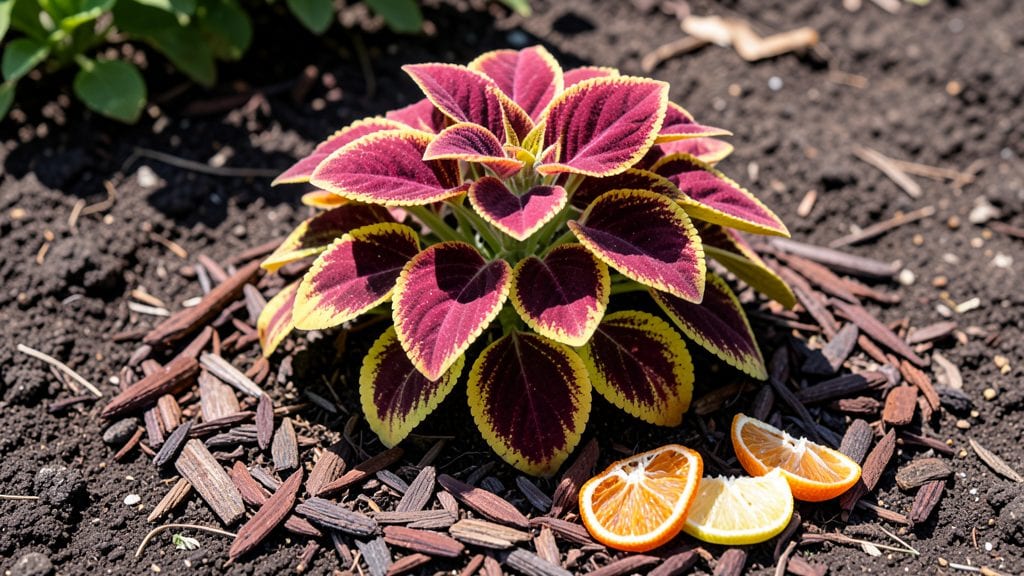
Learn how to deter cats from pooping in flower beds—this citrus and coffee barrier trick saved my plants and sanity! 🌱 The problem isn’t just the mess; it’s the frustration of watching them get ruined by urine and... claw marks.
I tried everything from commercial sprays to plastic barriers, but nothing worked until I combined two simple, natural ingredients that cats absolutely hate.
The solution is surprisingly simple: spread used coffee grounds (the stronger, the better) around the edges of your beds, then scatter citrus peels or rinds in strategic spots. Cats avoid both smells instinctively, and the combination creates a strong, unpleasant scent barrier that lasts for days.
Best of all, it’s completely safe for plants, pets, and wildlife—unlike harsh chemicals. You’ll notice a difference within 24 hours, with fewer (or zero) surprise deposits.
This method doesn’t just work—it’s low-cost, reusable, and humane. No traps, no harm to the cats, just a clever way to protect your garden without turning it into a war zone.
The added bonus? Coffee grounds improve soil health, and citrus peels deter other pests like ants and slugs. It’s a win-win that keeps both your garden and your sanity intact.
Fair warning: you’ll need to refresh the barrier every 3-5 days in high-traffic areas, but the effort is minimal compared to digging up cat poop later. For extra protection, pair this with motion-activated sprinklers or prickly mulch like pine cones.
The key is consistency—cats learn boundaries, and once they realize your flower beds are off-limits, they’ll move on to more appropriate spots.
📚 In This Guide
- What you need
- Instructions
- Tips and common mistakes
- Wrapping up and next steps
What you need
- ● Citrus peels: 3–5 large peels (oranges, lemons, limes, or grapefruit) per 10 linear feet of flower bed edge.
- ● Used coffee grounds: 1–2 cups (fresh or dried) per 10 linear feet.
- ● Gloves: 1 pair (latex or nitrile) to protect your hands.
- ● Garden shears or scissors: 1 pair for trimming citrus peels to size.
- ○ Spray bottle (optional but helpful): 1 (8–16 oz) to mix coffee grounds with water for a spray application.
- ● Watering can or hose: 1 to moisten the barrier if needed.
- ● Coffee grounds + water mix: 1:3 ratio (1 part grounds to 3 parts water) for a sprayable solution.
- ● Poultry grit or sand: 1–2 cups to sprinkle around the barrier for extra texture and deterrence.
- ● Mulch or pine cones: A thin layer (1–2 inches) to camouflage the barrier while keeping it in place.
- ● Motion-activated sprinkler: 1 (for stubborn cats—pair with the barrier for double protection!).
Step-by-Step guide to creating a natural cat repellent barrier
Here's the method I've used to keep my garden clean and our neighborhood cats away.
🌱 Step 1: Choose Your Citrus Barrier Strategy
Cats absolutely hate the smell of citrus, so I use peels from 4-6 oranges or grapefruits per 10-foot garden section. Scatter the peels directly on the soil surface along the bed's perimeter, overlapping slightly for continuous coverage. Fresh peels work best—they release oils that cats find overwhelming.
For extra potency, I crush a few peels with my hands before placing them. This releases more scent immediately. Refresh the peels every 3-4 days or when they start to dry out completely. Rain will wash them away, so keep a supply ready for replacement.
☕ Step 2: Apply Coffee Grounds Along the Edges
Use 1 cup of used coffee grounds per 5 feet of garden edge. Sprinkle them lightly along the bed's border, avoiding direct contact with plant stems. The strong aroma masks cat urine smells that might attract them back, while the gritty texture is unpleasant under their paws.
Work the grounds into the top ¼ inch of soil along the perimeter. This creates a subtle barrier cats dislike walking through. For best results, reapply fresh grounds weekly—old grounds lose their effectiveness as they decompose.
🌿 Step 3: Combine with Physical Deterrents
Add plastic pins or chicken wire along the bed's edge to create a physical barrier cats won't cross. I use 3-inch tall plastic pins spaced 6 inches apart around the perimeter. The combination of scent and texture makes the area completely unappealing.
For extra protection, I place citrus peels inside small mesh bags and hang them from stakes at 1-foot intervals. This keeps the scent concentrated in key areas while preventing wind from scattering the peels. The visual disruption of the bags also acts as a mild deterrent.
⏰ Step 4: Maintain the Barrier Consistently
Check your deterrents daily during the first week, then every 3-4 days afterward. Replace any washed-away peels or flattened coffee grounds immediately. Cats learn quickly—if they find one spot free of deterrents, they'll return.
Rotate your citrus sources occasionally. Using lemon or lime peels for a week after oranges keeps cats guessing. The key is consistency—they need to associate the area with unpleasantness every time they approach.
Tips & tricks for a reliable cat deterrent barrier
Real talk: I've learned these tricks after testing what works—and what doesn't—over multiple seasons with persistent neighborhood strays. The key is combining sensory and physical deterrents in a way that feels natural but completely off-putting to cats.
Citrus Potency Boost: When crushing the peels in Step 1, add a drop of the citrus oil from the peel itself—just squeeze the peel over the crushed pieces. This amplifies the scent without adding anything new. I've found that cats avoid areas where you can smell the citrus from 3 feet away. Store extra peels in the freezer between uses to maintain their potency until needed.
Coffee Grounds Placement Strategy: In Step 2, focus the coffee grounds along the most vulnerable edges where cats typically approach. I've noticed they prefer entering from the sides rather than the center of beds. Create a 6-inch wide band of grounds along these approaches—this concentrated barrier is more effective than spreading them evenly. For extra deterrence, lightly sprinkle cayenne pepper (a pinch per foot) into the coffee grounds mixture—cats dislike the texture and scent combination.
Physical Barrier Enhancement: When setting up the plastic pins in Step 3, angle them slightly outward from the bed. This creates an even more uninviting barrier that cats won't attempt to step over. For larger garden sections, consider adding a second row of pins spaced 3 feet from the first—they'll think twice about navigating through two barriers. The mesh bags with citrus peels work best when hung at cat head height (about 12 inches off the ground) for maximum scent impact.
Pro Tips for Deter Cats From Pooping In Flower Beds
- Real talk: I've learned these tricks after testing what works—and what doesn't—over multiple seasons with persistent neighborhood strays.
- Citrus Potency Boost: When crushing the peels in Step 1, add a drop of the citrus oil from the peel itself—just squeeze the peel over the crushed pieces.
- Coffee Grounds Placement Strategy: In Step 2, focus the coffee grounds along the most vulnerable edges where cats typically approach.
Frequently asked questions
Will citrus peels really keep cats away?
Yes! Cats dislike the strong scent of citrus, including peels, rinds, and even the juice. The smell irritates their sensitive noses, making them avoid the area. However, effectiveness varies—some cats may take longer to learn. For best results, refresh the barrier every few days or after rain.
How long does it take to see results?
Most cats start avoiding citrus-treated areas within 24 to 48 hours, but patience is key. It may take a week or more for them to fully associate the scent with the flower beds. Combine citrus with coffee grounds for faster, stronger deterrence.
Is coffee grounds safe for plants and soil?
Yes! Coffee grounds are organic and nutrient-rich, acting as a natural fertilizer. They also decompose quickly, enriching soil with nitrogen. Just ensure the grounds are used (not fresh) to prevent mold. Avoid overapplying—stick to a thin layer around the perimeter.
What if my cat keeps coming back?
If your cat ignores the barrier, try these steps:
- Rotate scents: Alternate citrus with vinegar, cayenne pepper, or commercial pet repellents.
- Physical barriers: Use chicken wire or mulch to block access temporarily.
- Positive reinforcement: Train your cat with treats to use a designated litter box near the garden.
Does rain wash away the deterrents?
Yes, rain can dilute citrus oils and coffee grounds. To maintain effectiveness:
- Reapply the barrier after rain or every 3–4 days.
- Use a spray bottle with diluted citrus oil (10 drops per cup of water) for quick touch-ups.
- Consider physical mulch (like pine cones) as a backup.
Wrapping up and next steps
Deterring cats from using your flower beds as a litter box doesn’t have to be a battle—just a clever strategy! 🌿 With the right mix of citrus peels, coffee grounds, and a few extra barriers, you can reclaim your garden while keeping feline visitors happy elsewhere.
Start small, monitor progress, and adjust as needed—your blooms (and your sanity) will thank you!
Ready to take action? Pick one method today—whether it’s a citrus perimeter or a coffee-ground sprinkle—and watch your flower beds thrive without unwanted surprises. Happy gardening! 🌸