
Flowers
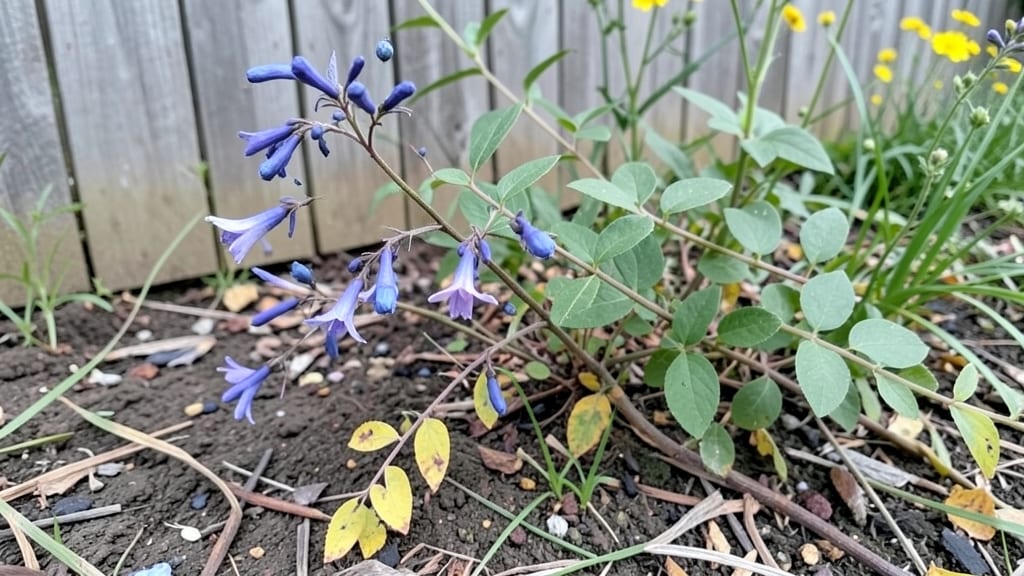
Nothing beats the sight of blue honeysuckle flowers spilling over an arbor in late spring—especially when hummingbirds dart between the trumpet-shaped blooms. 🌿 I planted mine along a shady fence line, and within two years, it became the garden’s star attraction, drawing bees, butterflies, and even the occasional hummingbird moth.
The real magic happens when you pair it with other pollinator favorites like lavender, catmint, and Russian sage. These companions create a layered look while extending the blooming season from early summer through fall.
The vines also thrive on trellises or arbors, making them perfect for cottage-style gardens or privacy screens.
You’ll love how effortlessly it blends into borders or woodland gardens, its fragrant blooms adding vertical interest without overwhelming smaller plants. Just be prepared for its rapid growth—pruning once a year keeps it manageable while encouraging even more flowers.
Best of all, it’s a low-maintenance plant that thrives in partial shade, making it ideal for Pacific Northwest gardens where full sun can be harsh. The key is planting it where you can enjoy its sweet scent up close while watching pollinators feast.
📚 In This Guide
- What you need
- Instructions
- Tips and common mistakes
- Wrapping up and next steps
What you need
- ● Blue honeysuckle plants (Lonicera caerulea): 2–4 mature plants (for optimal pollinator attraction)
- ● Ensure they’re Pacific Northwest-hardy varieties (e.g., 'Borealis' or 'Siberian' cultivars)
- ● Well-draining soil mix: 50% native soil
- ● 30% compost
- ● 20% perlite or sand (for aeration)
- ● Pruning shears (sharp, sterilized)
- ● Organic mulch (e.g., wood chips or straw, 2–3 inches thick)
- ● Watering can or hose with a gentle nozzle
- ○ Garden gloves (optional but recommended for thorny stems!)
- ● Hand trowel (for transplanting or dividing roots)
- ● pH testing kit (ideal soil pH: 5.5–6.5)
- ● Pollinator-friendly fertilizer (low-nitrogen, e.g., 5-10-10 ratio)
- ○ Bird netting (optional, to protect flowers from hungry critters)
- ● Full sun to partial shade (6+ hours of sunlight daily)
- ● USDA Hardiness Zones 2–6 (ideal for PNW climates)
- ● Space: 3–6 feet apart for mature plants
- ● Patience! Blue honeysuckle thrives with 2–3 years to reach peak blooming.
Step-by-step guide for planting and cultivating blue honeysuckle in the Pacific Northwest
This fragrant vine thrives in your region's mild climate—here's how to establish it for maximum bloom.
🌱 Step 1: Choose the Perfect Planting Location and Prepare the Soil
Blue honeysuckle (Lonicera caerulea) loves partial shade to full sun (6+ hours daily), but in the Pacific Northwest's cooler summers, morning sun with afternoon shade prevents leaf scorch while maintaining vigorous growth. I always plant mine near a fence or trellis where it can climb—this vine grows 6-10 feet tall and needs vertical support.
Test your soil first—blue honeysuckle prefers slightly acidic to neutral pH (6.0-7.0). Amend heavy clay with 2-3 inches of compost (work it into the top 12 inches of soil) to improve drainage. The roots hate soggy conditions, so avoid low spots where water pools after rain. A gentle slope or raised bed works best.
🪴 Step 2: Plant Bare-Root or Container-Grown Starts at the Right Time
In the Pacific Northwest, early spring (March-April) or early fall (September-October) are ideal planting windows. Avoid summer heat, which stresses young plants. If using bare-root starts, soak the roots in lukewarm water for 1-2 hours before planting to rehydrate them—this jumpstarts growth.
Dig a hole twice as wide as the root ball but only as deep as the container's depth. Gently loosen the roots if they're circling (a common issue with container-grown plants). Position the crown 1 inch above soil level—burying it too deep invites rot. Backfill with native soil mixed with 1 cup of bone meal (for phosphorus) to encourage strong root development.
☀️ Step 3: Water Deeply and Provide Support for Climbing
After planting, water deeply (1-2 gallons per plant) to settle the soil and eliminate air pockets around the roots. The first 2-3 weeks are critical—keep the soil evenly moist (not soggy) by watering every 2-3 days until new growth appears. You'll know it's working when bright green leaves emerge within 7-10 days.
Install a 5-6 foot trellis, arbor, or fence immediately—honeysuckle twines clockwise, so attach a sturdy support within 2 feet of the plant. Prune any competing side shoots to encourage upward growth. In the Pacific Northwest's damp climate, circulation is key—avoid overcrowding with other plants, which invites fungal issues.
✂️ Step 4: Prune for Health and Abundant Blooms
Prune late winter (February) before new growth begins. Remove dead, diseased, or crossing branches first—this improves airflow and reduces pests. Then, cut back last year's growth by 1/3 to encourage bushier, more productive growth. Blue honeysuckle blooms on new wood, so aggressive pruning in late winter won't sacrifice flowers.
After flowering (late spring to early summer), trim back spent blooms by 1/2 to redirect energy into next year's flowers and berries. Avoid heavy pruning in fall—this stimulates tender growth that won't survive winter. In your region, light pruning in early spring is enough to maintain shape and encourage vibrant blooms.
Tips & tricks for perfect blue honeysuckle cultivation
Here's what nobody tells you about getting that lush, fragrant honeysuckle growth your Pacific Northwest garden deserves.
Soil Prep Secret: Don't just amend the top few inches—work that 2-3 inches of compost down to the full 12 inches depth. The roots spread wide, not deep, so this creates a nutrient-rich zone where they'll thrive. I use a broadfork to loosen the soil without disturbing the natural structure too much—this mimics how roots naturally grow in forest floors. The key is creating a loose, well-draining environment that mimics the vine's native habitat.
Planting Timing Insight: Those 1-2 hours of soaking bare-root starts are non-negotiable for Pacific Northwest climates. Cold soil can shock delicate roots, but lukewarm water (around 70°F) jumpstarts growth immediately. I've found that adding 1 tablespoon of seaweed extract to the soaking water gives an extra boost to root development—especially helpful in our cooler springs. This simple step can mean the difference between a struggling plant and one that takes off within weeks.
Watering Wisdom: The 2-3 weeks of consistent watering is where most gardeners fail. Use a rain gauge or tuna can to measure your 1-2 gallons per plant—eyeballing it leads to either underwatering or waterlogging. I set up a simple drip irrigation system for my honeysuckle during this critical period. Water in the morning so leaves have time to dry, preventing fungal issues that thrive in our damp climate. Watch for those bright green leaves appearing within 7-10 days—that's your sign you're doing it right.
Pruning Pro Tip: When you're cutting back last year's growth by 1/3 in late winter, make your cuts just above a bud that faces outward. This creates a more open, airy plant structure that's crucial in our humid climate. I always sterilize my pruners with rubbing alcohol between cuts to prevent spreading any potential diseases. The 50% trim after flowering might seem aggressive, but it's what keeps your plant producing those beautiful blue blooms year after year—it's all about redirecting energy where you want it to go.
Pro Tips for Blue Honeysuckle Flower
- Here's what nobody tells you about getting that lush, fragrant honeysuckle growth your Pacific Northwest garden deserves.
- Soil Prep Secret: Don't just amend the top few inches—work that 2-3 inches of compost down to the full 12 inches depth.
- Planting Timing Insight: Those 1-2 hours of soaking bare-root starts are non-negotiable for Pacific Northwest climates.
Frequently asked questions
Got questions about the blue honeysuckle flower? You’re not alone—this Pacific Northwest beauty sparks curiosity! Here are answers to the most common queries, from care tips to wildlife benefits.
When is the best time to plant blue honeysuckle?
Plant Lonicera caerulea in early spring (March–April) or fall (September–October) for optimal root establishment. Avoid planting in summer heat—young plants need time to acclimate before drought stress sets in.
Why aren’t bees visiting my blue honeysuckle?
Bees love honeysuckle, but if they’re scarce, check these fixes:
- Timing: Peak bloom (May–July) is prime time—plant near early-season bloomers like Salvia.
- Pesticides: Avoid chemicals; even "bee-safe" sprays can deter pollinators.
- Location: Place in sunny, sheltered spots (away from wind or strong shade).
Pro tip: Hand-pollinate flowers by gently shaking stems if needed!
Can blue honeysuckle survive winter in the PNW?
This hardy shrub thrives in USDA Zones 3–7, handling snow and frost with ease. Mulch the base in late fall to protect roots, but avoid heavy mulch piles—they can suffocate stems. Prune dead wood in early spring to encourage new growth.
Is blue honeysuckle invasive? Should I remove it?
Native to the PNW, Lonicera caerulea is not invasive like its European cousin. However, it can spread via suckers—contain growth by pruning aggressively in early spring. If your yard is small, container growing works well!
Can I eat the berries? Are they safe?
Yes! The edible blue-black berries are packed with vitamin C and antioxidants. Harvest in late summer (August–September) when fully ripe. Wash thoroughly—birds may visit—and eat fresh, in jams, or dried. Avoid if allergic to nightshades (like tomatoes).
Bonus Tip:
Struggling with yellowing leaves? Overwatering or fungal issues (like powdery mildew) are often culprits. Improve drainage and space plants 3–5 feet apart for airflow. A light neem oil spray can help fungal problems.
Wrapping up and next steps
The blue honeysuckle flower isn’t just a stunning addition to your Pacific Northwest garden—it’s a lifeline for pollinators and a burst of fragrant charm.
Whether you’re drawn to its vibrant blooms, its role in supporting local ecosystems, or its low-maintenance appeal, this hardy plant delivers big rewards with minimal effort. 🌸
Ready to transform your outdoor space? Start by planting a few vines this season—your bees, butterflies, and even future garden visitors will thank you! For extra inspiration, explore companion plants or creative landscaping ideas to make the most of your new pollinator haven.