
Flowers
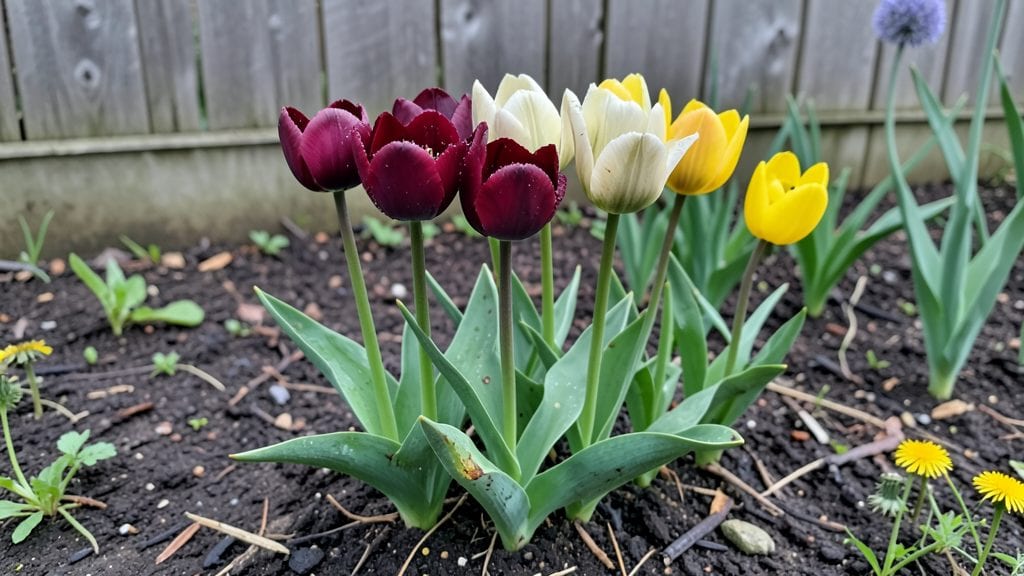
There’s magic in the glory of the flower when every season stitches a garden into endless bloom—especially in the Pacific Northwest’s spring-like climate, where blooms never truly fade. 🌸 winter hellebores to summer hydrangeas. This isn’t just gardening; it’s curating a living poem where every petal tells a story.
The secret lies in layering plants that bloom at different times, creating a continuous cascade of color without gaps. Start with evergreen shrubs like rhododendrons for structure, then add early bloomers like crocuses and late-season asters.
Fragrance matters too—think lilacs in spring, roses in summer, and even winter-scented daphne. The result? A garden that feels alive, not just decorative.
You’ll end up with spaces that spark joy—where morning coffee becomes a ritual under a sea of peonies, where children chase butterflies through a meadow of coneflowers, and where evening strolls are framed by the soft glow of evening primrose.
The glory isn’t just in the flowers; it’s in the moments they inspire. Let’s design yours.
This approach works for any PNW yard, from urban balconies to wooded acres. The key is balance: sun-loving perennials, shade-tolerant annuals, and native plants that thrive without fuss. Start small—one seasonal highlight at a time—and watch your garden become a sanctuary of color and meaning.
📚 In This Guide
- What you need
- Instructions
- Tips and common mistakes
- Wrapping up and next steps
What you need
- ● Flowering plants: 1–3 Rhododendrons (evergreen shrubs, zones 6–9)
- ● 1–2 Camellias (for winter blooms, zones 7–10)
- ● 3–5 Heucheras (ornamental foliage, zones 4–9)
- ● 1 Magnolia (early spring blooms, zones 4–9)
- ● 2–4 Pieris japonica (spring flowers, zones 5–8)
- ● Soil amendments: 5–10 lbs peat moss or coco coir (for acid-loving plants)
- ● 1–2 lbs slow-release fertilizer (10-10-10 or 8-3-9 blend)
- ● Mulch: 2–3 bags pine bark mulch (3–4 inches deep)
- ● Gardening tools: 1 trowel (for transplanting)
- ● 1 pruners (bypass pruners for clean cuts)
- ● 1 garden fork (for aerating soil)
- ● 1 wheelbarrow (for hauling materials)
- ○ Optional (but helpful!): 1 soil pH tester (to ensure acidity, ideal: 4.5–6.0)
- ● 1 hose with spray nozzle (for gentle watering)
- ● 2–3 garden stakes (for support if needed)
- ● Prerequisites: Partial to full shade (depending on plant selection)
- ● Well-draining, acidic soil (amend if needed)
- ● Consistent watering schedule (1–2 inches per week)
How to create a year-round floral display in the Pacific Northwest
Turn your garden into a living masterpiece with seasonal blooms that thrive in our unique climate.
🌱 Step 1: Plan for Seasonal Layering
Start by selecting plants that bloom at different times—early spring bulbs like daffodils, summer perennials such as coneflowers, and fall/winter shrubs like camellias. The Pacific Northwest’s mild winters allow many plants to bloom outside their typical seasons, so take advantage of that. Arrange them in layers: tall plants in back, mid-height in the middle, and ground covers or low-growing plants in front.
I always sketch a rough layout first. This helps visualize how each plant will contribute to the display throughout the year. For example, hellebores bloom in early spring, while hydrangeas take over in summer, and winter jasmine provides color in late winter. This ensures you’ll always have something in bloom.
☀️ Step 2: Choose the Right Location
Most Pacific Northwest gardens benefit from a mix of sun and shade. Place sun-loving plants like peonies and lavender in areas with at least 6 hours of sunlight, while shade-tolerant plants like astilbes and ferns thrive in dappled light or under trees. The key is to group plants with similar light requirements together to avoid stressing them.
Here’s the thing—our climate can be deceptive. Even "shady" spots might get sun during summer afternoons, so observe your garden throughout the year. If possible, avoid planting delicate shade-lovers in spots where they’ll get unexpected sun exposure.
💧 Step 3: Prepare the Soil for Long-Term Success
Amend your soil with 2-3 inches of compost before planting to improve drainage and fertility. The Pacific Northwest’s heavy clay or sandy soils can be tricky, so adding organic matter like leaf mold or well-rotted manure helps create a balanced growing medium. Test your soil’s pH—most flowers prefer a slightly acidic to neutral range (6.0-7.0), but rhododendrons and azaleas need acidic soil (5.0-6.0).
Don’t skip this step. Healthy soil means healthier plants, which means more vibrant blooms. I like to top-dress with a 1-inch layer of mulch after planting to retain moisture and suppress weeds. Use organic mulch like cedar chips or bark to avoid altering soil pH over time.
🌿 Step 4: Plant and Stagger Bloom Times
Begin by planting early bloomers like crocuses and snowdrops in late summer or early fall so they establish roots before winter. Follow up with spring bulbs like tulips and daffodils in fall. For summer and fall interest, plant perennials like black-eyed Susans and sedum, which thrive in our dry summers. Finally, add evergreens like boxwood or holly for structure and winter interest.
Real talk: timing matters. If you plant everything at once, you’ll have gaps in your display. Staggering planting ensures continuous color. For example, plant spring bulbs in fall, summer perennials in early spring, and fall bloomers in late spring. This way, you’ll have something in bloom from late winter through early winter.
✂️ Step 5: Maintain and Prune Strategically
Deadhead spent blooms regularly to encourage more flowers and keep your display tidy. For perennials, cut back foliage in late winter or early spring before new growth appears. This prevents disease and makes room for fresh growth. In the Pacific Northwest, where rain is frequent, ensure your plants have good airflow to reduce fungal issues.
Don’t over-prune. Some plants, like lavender, benefit from minimal trimming, while others, like hydrangeas, need regular shaping. I always research each plant’s specific needs before reaching for the shears. A little maintenance goes a long way in keeping your floral masterpiece thriving year-round.
Tips & tricks for perfect year-round floral displays
These pro strategies will help you create a vibrant, ever-blooming garden that truly thrives in the Pacific Northwest's unique climate. Here's what I've learned after years of trial and error.
Seasonal Layering Secret: When planning your layout in Step 1, consider adding a few evergreen shrubs like boxwood or holly as your structural base. These provide year-round interest and create a perfect backdrop for seasonal bloomers. I like to place them at the very back of my beds, then layer perennials in front, with annuals closest to the viewer for that "wow" factor. Think of it like painting - your evergreens are the foundation, perennials the mid-tones, and annuals the bright highlights.
Light Observation Hack: Before finalizing your Step 2 locations, spend a week observing your garden's light patterns. Use a simple notebook to track which areas get morning sun, afternoon sun, or dappled shade at different times of day. This is especially crucial in our region where summer sun patterns can be dramatically different from winter. I've caught myself making mistakes by assuming "shady" spots stay that way all year - don't make my mistake!
Soil pH Test Timing: For Step 3, test your soil's pH in early spring before planting. Our rainy winters can alter soil chemistry, so a fresh test gives you the most accurate reading. If you're planting acid-loving plants like rhododendrons or azaleas, consider adding sulfur to lower your pH to that 5.0-6.0 range. I've found that a simple soil test kit from your local garden center gives reliable results - no need for expensive lab testing unless you're dealing with very specific plant requirements.
Planting Calendar Pro Tip: Create a simple planting schedule based on Step 4's staggered approach. Mark your calendar for late summer (early bloomers), fall (spring bulbs), early spring (summer perennials), and late spring (fall bloomers). This visual reminder prevents that "oh no, I missed my window!" panic. I keep mine on my fridge and color-code each season - it's become an essential part of my garden planning routine.
Pro Tips for The Glory In The Flower
- These pro strategies will help you create a vibrant, ever-blooming garden that truly thrives in the Pacific Northwest's unique climate.
- Seasonal Layering Secret: When planning your layout in Step 1, consider adding a few evergreen shrubs like boxwood or holly as your structural base.
- Light Observation Hack: Before finalizing your Step 2 locations, spend a week observing your garden's light patterns.
Frequently asked questions
Exploring the glory in the flower—especially in the Pacific Northwest’s ever-blooming landscapes—can spark curiosity! Here are answers to some of the most common questions about cultivating, appreciating, and troubleshooting these floral treasures.
What’s the best time of year to plant flowers for year-round blooms?
The Pacific Northwest’s mild climate lets you plant perennials like Hellebores (Lenten roses) or Camassia in early spring or fall. For annuals, sow seeds in late winter (e.g., Sweet peas) or early summer (e.g., Zinnias) for staggered blooms. Pro tip: Layer bulbs (e.g., Daffodils and Alliums) in fall for spring-to-summer color!
How often should I water flowers in rainy PNW climates?
Overwatering is the biggest risk! Most established perennials thrive on 1–1.5 inches of water weekly, including rainfall. Check soil moisture—if the top inch is dry, water deeply but avoid soggy roots. Container flowers dry out faster; water daily in summer heat. Troubleshoot: Yellow leaves? Likely overwatering or poor drainage.
What pests should I watch for in PNW gardens?
Common culprits include aphids (sap-sucking insects), slugs (especially after rain), and Japanese beetles. Natural fixes: Spray aphids with soapy water; use beer traps for slugs; handpick beetles early morning. Diatomaceous earth works for crawling pests but avoid windy days!
Can I grow these flowers in containers or only in gardens?
Many PNW favorites—like Heuchera (coral bells), Geraniums, or Pansies—thrive in containers. Choose pots with drainage holes and well-draining soil. Bonus: Move containers to sunny spots in winter for extra blooms. Just ensure they’re large enough for root growth (e.g., 12+ inches for perennials).
How do I extend the bloom time of cut flowers?
Trim stems at an angle, remove lower leaves, and place in lukewarm water with floral preservative (or a pinch of sugar + bleach). Change water every 2–3 days and keep stems submerged. PNW hack: Add a penny to the vase—its copper ions may slow bacterial growth! Avoid direct sunlight to prevent wilting.
Wrapping up and next steps
The Pacific Northwest’s floral beauty isn’t just a seasonal spectacle—it’s a year-round masterpiece waiting to be discovered. From the bold glory in the flower of spring to the quiet resilience of winter blooms, every season offers a unique story of growth, color, and wonder.
Whether you’re a gardener, a nature lover, or simply someone who finds joy in small moments, this region’s flowers remind us to pause, appreciate, and connect with the world around us.
Ready to dive deeper? Start small: visit a local garden, sketch a favorite bloom, or plant a native flower in your own space. The glory isn’t just in seeing—it’s in participating. 🌸