
Flowers
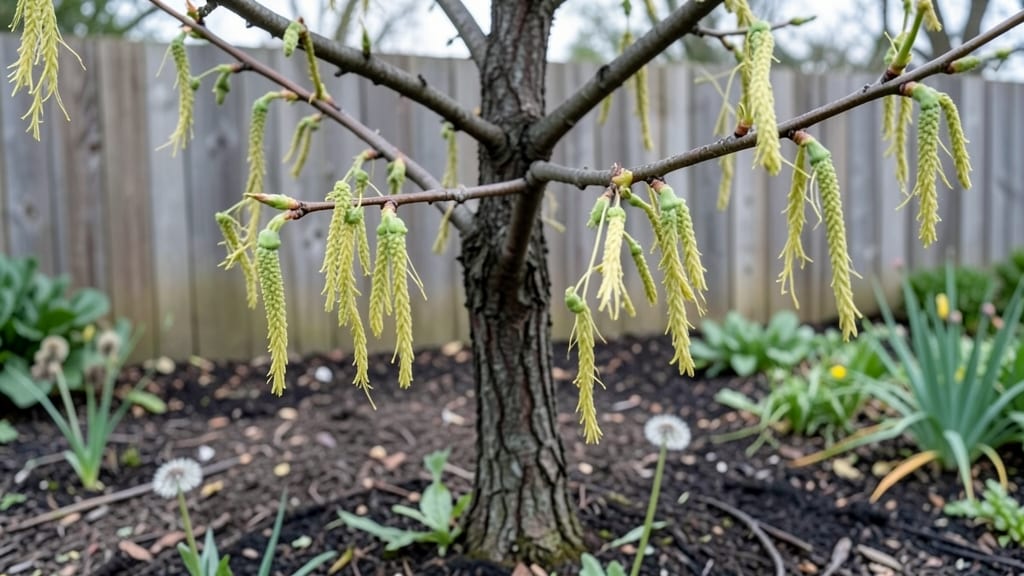
The black walnut tree flower is one of nature’s quiet marvels—tiny, greenish catkins that appear before the iconic nuts, signaling a tree’s health and future bounty. 🌿 I’ve watched them emerge in my Pacific Northwest garden, their delicate clusters a precursor to the towering shade trees that follow.
These flowers aren’t showy, but they’re essential: their wind-pollinated dance feeds ecosystems and, eventually, your dinner table.
Growing black walnuts here means timing matters—plant bare-root saplings in early spring or fall when soil stays workable but frost isn’t lurking. The trees thrive in well-drained soil with full sun, though they’ll tolerate partial shade if given space to stretch their roots.
Patience is key: it takes 5-7 years before you’ll see those first flowers, but once they arrive, they’re a sign of resilience against our region’s damp, cool summers.
What you’ll love most is how these trees reward long-term care. The flowers attract bees and butterflies, while the mature trees provide 100-foot shade and edible nuts by mid-autumn.
The trade-off? Juglone toxicity—keep other plants at least 50 feet away—but the payoff for pollinators and your pantry makes it worth it. Ready to plant for generations?
We’ll cover everything from site prep to frost-proofing young trees, plus how to spot healthy flowers (and when to intervene if they’re missing). The Pacific Northwest’s climate actually works in your favor—just follow these steps to turn your yard into a walnut wonderland.
📚 In This Guide
- What you need
- Instructions
- Tips and common mistakes
- Wrapping up and next steps
What you need
- ● Black walnut seeds or saplings: 3–5 high-quality seeds (or 1–2 grafted saplings) for optimal growth. Pro tip: Ensure seeds are fresh (less than 1 year old) or sourced from a trusted nursery.
- ● Well-draining soil: A mix of 60% topsoil, 30% compost, and 10% coarse sand or perlite (1–2 cubic yards per planting site). 💡 Black walnuts thrive in slightly acidic to neutral soil (pH 6.0–7.5).
- ● Organic mulch: 2–3 inches of wood chips or straw to retain moisture and suppress weeds.
- ● Slow-release fertilizer: 10-10-10 or 5-10-10 (1–2 lbs per tree) for initial planting. ✨ Avoid high-nitrogen fertilizers early on—they can stunt root development.
- ● Hand trowel or transplanting spade (for seed planting or sapling transfer).
- ○ Grafting tools (optional): Grafting knife, grafting tape, and grafting wax (if propagating from cuttings).
- ● Watering can or hose with a gentle spray nozzle (black walnuts hate soggy roots!).
- ● Pruning shears (sterilized with rubbing alcohol) for shaping young trees.
- ● Soil pH test kit (to monitor acidity levels).
- ○ Tree stakes & ties (optional): For windy PNW sites (use biodegradable stakes).
- ● Sunlight: Full sun (6+ hours daily). Partial shade may delay flowering.
- ● Spacing: Plant saplings 40–60 feet apart to allow root systems to expand.
- ● Frost hardiness: Black walnuts tolerate USDA Zones 4–9, but young trees need winter protection (mulch heavily in Zone 4).
- ● Juglone sensitivity: Avoid planting near tomatoes, potatoes, or fruit trees—juglone (a natural toxin) can stunt their growth.
- ● Patience: Black walnuts take 5–10 years to flower! 🌸
Step-by-step guide to cultivating black walnut trees in the Pacific Northwest
Here's how I've learned to grow hardy black walnut trees that thrive despite cold winters.
🌱 Step 1: Select and Prepare the Right Site
Black walnut trees need space—plant them 40-50 feet apart to allow proper root spread and canopy growth. Choose a location with full sun exposure (at least 6-8 hours daily) and well-draining soil. The Pacific Northwest's wet winters mean you'll want to avoid low spots where water pools.
Test your soil's drainage by digging a 12-inch deep hole—if water doesn't drain within 2-3 hours, amend with 2-3 inches of compost mixed into the top 12 inches of soil. Black walnuts hate soggy roots, so this step prevents future problems. I always add a 1-inch layer of wood chips around the planting area to improve soil structure over time.
🪴 Step 2: Plant at the Correct Time and Depth
Plant bare-root trees in late fall or early spring when the ground is workable but not frozen. Dig a hole twice as wide as the root ball and 2-3 inches deeper to accommodate the roots when spread out. The top of the root ball should sit 1-2 inches above ground level—this prevents water from pooling at the base.
Gently spread the roots outward and backfill with native soil, tamping lightly every 2-3 inches to remove air pockets. Water deeply until the soil settles. The tree will need 1-2 gallons of water per week during the first growing season, especially in the Pacific Northwest's dry summers. Mulch with 3-4 inches of wood chips, keeping it 6 inches away from the trunk to prevent rot.
☀️ Step 3: Provide Seasonal Care for Frost Resistance
Black walnut trees handle frost well once established, but young trees need protection. In the first 2-3 years, wrap the trunk with tree guard during winter to prevent rodent damage. The Pacific Northwest's cold snaps can drop below 20°F, so avoid pruning until late winter or early spring when the tree is actively growing.
Fertilize lightly in early spring with 10-10-10 fertilizer at a rate of ½ pound per inch of trunk diameter. Water deeply once a month during dry spells, but avoid overwatering—black walnuts are drought-tolerant once established. Watch for signs of stress: yellowing leaves may indicate too much water, while curled leaves suggest drought.
✂️ Step 4: Prune for Structure and Health
Prune black walnut trees in late winter before new growth begins. Remove dead, diseased, or crossing branches first, then thin the canopy to allow light penetration. Aim to keep the lower branches 8-10 feet off the ground to prevent future cleanup efforts. Sterilize pruning tools with rubbing alcohol between cuts to prevent disease spread.
Black walnut trees produce juglone, a natural herbicide, so avoid planting sensitive species like apples or tomatoes within 50-80 feet. The tree's strong root system means it will outcompete shallow-rooted plants. I always monitor for walnut anthracnose, a fungal disease common in wet climates—remove infected leaves promptly to keep the tree healthy.
Tips & tricks for cultivating frost-resistant black walnut trees
Let me share the hard-won lessons I've learned growing these hardy trees in our wet Pacific Northwest climate.
Site Selection Secrets: The 6-8 hours of daily sun requirement is non-negotiable—walnut trees won't tolerate shade. I've found the best spots are slight slopes where water drains naturally. If your yard has low areas, consider raised beds or mounds for planting. The 12-inch drainage test is crucial: if water lingers beyond 3 hours, you'll need to amend soil with compost before planting.
Planting Depth and Timing: That 1-2 inch elevation above ground level prevents water from pooling at the base, which black walnuts absolutely hate. I've seen many trees fail because they were planted too deep. For the 1-2 gallons weekly watering, use a soaker hose to deliver water directly to the root zone—this prevents fungal issues from overhead watering.
Winter Protection Strategy: The 20°F cold snaps we get in the PNW can damage young trees. I've learned to wrap trunks with tree guard starting in November and leave it on until March. For extra protection, wrap the guard with burlap to block wind. The 2-3 year protection window is critical—don't skip it, even if your tree looks established.
Pruning Insight: When you're thinning the canopy in Step 4, aim to remove branches that are growing inward. I've found that keeping lower branches at 8-10 feet prevents future cleanup headaches. Sterilizing tools between cuts is a must—walnut anthracnose spreads easily in our wet climate, and once it takes hold, it's tough to eradicate.
Pro Tips for Black Walnut Flower
- Let me share the hard-won lessons I've learned growing these hardy trees in our wet Pacific Northwest climate.
- Site Selection Secrets: The 6-8 hours of daily sun requirement is non-negotiable—walnut trees won't tolerate shade.
- Planting Depth and Timing: That 1-2 inch elevation above ground level prevents water from pooling at the base, which black walnuts absolutely hate.
Frequently asked questions
Got questions about cultivating black walnut flowers in the Pacific Northwest? You’re not alone! Here are some of the most common queries—plus straightforward answers to help you grow with confidence.
Do black walnut trees actually produce flowers, and what do they look like?
The black walnut (Juglans nigra) is primarily known for its nuts, but it does produce small, greenish-yellow, catkin-like flowers in early spring (March–April). Male flowers grow in drooping clusters, while female flowers are tiny and less noticeable. They’re not showy like garden blooms, but they’re essential for nut production!
Are black walnut flowers frost-resistant in the PNW?
Yes! Black walnut trees are hardy to USDA Zones 4–9, making them well-suited for the PNW’s chilly springs. However, late frosts (after buds swell) can damage flowers. Plant in sheltered microclimates or choose early-blooming cultivars like ‘Thomas’ for better resilience.
Can I grow black walnut flowers in containers, or do they need a yard?
Black walnut trees are not container-friendly—they need deep, well-draining soil and space to spread (up to 50–75 feet wide!). However, you can grow dwarf cultivars (like ‘Eureka’) in large pots (20+ gallons) for small yards, though nut production may be limited. Root competition is a bigger concern than frost!
Why aren’t my black walnut flowers turning into nuts?
Several factors can halt nut development:
- Pollination issues: Walnuts are wind-pollinated—plant two trees (or nearby compatible species like Juglans hindsii) for cross-pollination.
- Stress or pests: Check for walnut husk fly or aphids. Use neem oil if needed.
- Immaturity: Trees take 5–10 years to bear nuts. Be patient!
Are black walnut flowers toxic to other plants?
Yes! Black walnut trees release juglone, a natural chemical that can inhibit nearby plants like tomatoes, potatoes, and fruit trees. Keep them 50+ feet away from sensitive species. Safe companions include blackberries, sunflowers, and other hardy perennials.
Still stumped? Drop your question in the comments—we’re happy to help you troubleshoot!
Wrapping up and next steps
Growing black walnut flowers in the Pacific Northwest is a rewarding challenge that yields stunning blooms and resilient trees—perfect for gardeners who love frost-resistant plants! 🌿 With the right soil, sunlight, and care, you’ll soon enjoy their delicate beauty and the promise of future walnuts.
Ready to take the next step? Start by selecting your hardiest variety, prepping your soil, and planting in early spring or fall—then watch your garden thrive!
For extra success, join local gardening groups or consult your county extension office for regional tips. Happy planting! 🌱