
Pruning
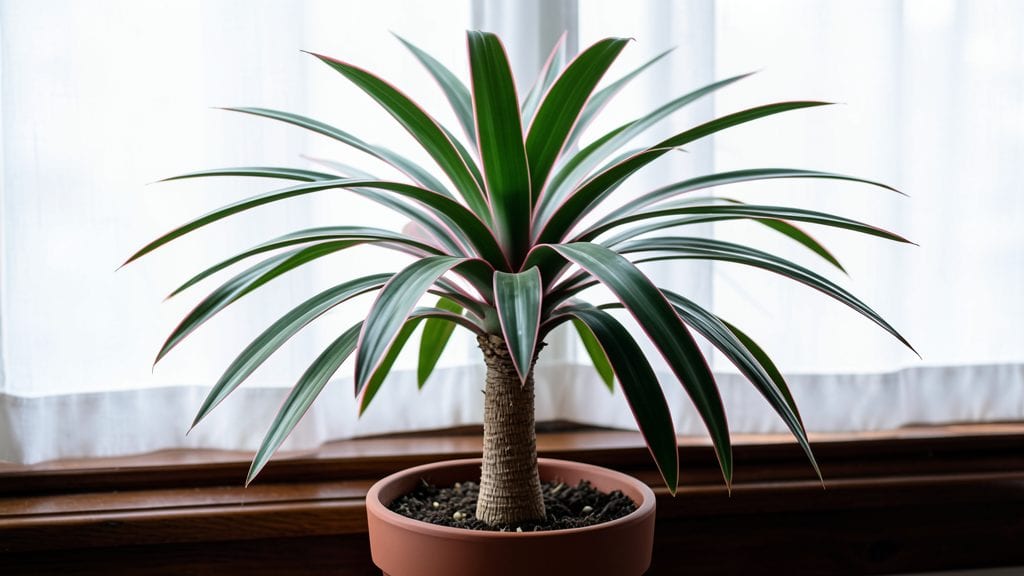
That stunning dragon tree flower might seem like a myth—but with the right pruning, your Dracaena marginata can burst into rare, fragrant blooms while staying lush all year. 🌿 I’ve pruned mine for years, and the secret isn’t forcing flowers but shaping growth so the plant stays healthy and happy.
Most people think these trees only grow tall and skinny, but with strategic cuts, you can encourage fuller foliage and occasional flowering.
The key is timing and technique. Prune leggy stems in early spring to encourage bushier growth, and avoid over-trimming—you want to keep at least a third of the plant intact. Dragon trees thrive on neglect, but a little strategic pruning turns them from "wall decorations" into lush, architectural centerpieces.
Even if flowers never appear (they’re rare indoors), the shape alone makes it worth the effort.
You’ll end up with a tree that stays compact, vibrant, and full of life—no more bare stems or sparse branches. The best part? It’s a low-maintenance plant that rewards patience.
Once you see how a single cut can transform its shape, you’ll never treat it the same way again. Ready to give it a try?
This works for both young plants and mature specimens—just adjust the cuts based on size. Whether you’re pruning for aesthetics or chasing those elusive blooms, the same principles apply. Let’s get started!
📚 In This Guide
- What you need
- Instructions
- Tips and common mistakes
- Wrapping up and next steps
What you need
- ● Sharp pruning shears – Bypass pruners (for clean cuts) or felco pruners (for thicker branches). Must be sterilized with rubbing alcohol.
- ○ Gloves – Heavy-duty gardening gloves (optional but recommended—dragon trees can have sap that irritates skin!).
- ● Disinfectant – 70% isopropyl alcohol or hydrogen peroxide (to prevent disease spread).
- ○ Pruning sealant – Tree wound pruning paste (optional but helpful for large cuts to prevent decay).
- ● Ladder or step stool – If your dragon tree is taller than 6 feet (safety first!).
- ● Trash bag or compost bin – For trimmings (dragon tree wood can be upcycled into crafts!).
- ● Rooting hormone – If you plan to propagate cuttings from pruned branches.
- ● Small pots or containers – For propagating new plants from cuttings.
- ● Hose or spray bottle – To rinse tools and clean sap off hands.
- ● Notebook & pen – To track pruning dates and growth patterns (great for long-term care!).
How to prune a dragon tree for health and stunning year-round growth
Here's my go-to approach for keeping your dragon tree thriving with minimal effort.
🌿 Step 1: Assess Growth and Identify Pruning Zones
Start by examining your dragon tree's structure from all sides. Look for areas where the plant is becoming too leggy or where branches are growing in awkward directions. The best time to prune is in early spring, just as new growth begins, but you can do light maintenance anytime.
Focus on removing any branches that are crossing or rubbing against each other, as these will eventually damage the plant. Also, look for branches that are growing straight up rather than outward—they often become top-heavy and can snap in strong winds. Use clean, sharp pruning shears to make your cuts.
I always mark the spots with a pencil first. This helps me visualize the final shape and ensures I don't over-prune. Dragon trees are forgiving, but removing too much foliage at once can stress the plant. Aim to remove no more than 20-25% of the plant's total growth in one session.
✂️ Step 2: Make Clean Cuts at the Right Spots
Make your cuts just above a leaf node or growth point. These are the small bumps along the stems where new leaves and branches emerge. Cutting here encourages the plant to branch out and fill in more densely. If you cut too close to a node, you risk damaging the growth point and stunting that branch.
For thicker stems, use your pruning shears to make a clean cut at a 45-degree angle about ¼ inch above the node. This prevents water from pooling on the cut and causing rot. For thinner stems, you can use sharp scissors or even your fingers if you're confident in your grip.
Real talk: If you're unsure where to cut, it's better to leave the branch alone. You can always prune more later, but you can't undo a bad cut. I've made this mistake before—don't skip this step (I learned the hard way).
🌱 Step 3: Encourage New Growth with Strategic Trimming
After pruning, your dragon tree will focus its energy on producing new growth from the remaining nodes. This is where the magic happens—you'll see fresh, vibrant leaves emerging within 4-6 weeks. To encourage this, place your plant in a spot with bright, indirect light after pruning.
Here's the thing—dragon trees are drought-tolerant, but they need consistent moisture to recover from pruning. Water the plant thoroughly after trimming, letting the water run out of the drainage holes. Then, wait until the top 1-2 inches of soil feel dry before watering again. Overwatering now can lead to root rot, which is the last thing you want after pruning.
You'll notice new shoots emerging from the nodes you cut above. These will grow into full branches over time, giving your dragon tree a fuller, bushier appearance. If you want to speed up this process, you can even propagate the cuttings in water or soil to grow new plants.
☀️ Step 4: Maintain Year-Round Care After Pruning
Once you've pruned, your dragon tree will need consistent care to keep it looking its best. Continue providing bright, indirect light—this is crucial for maintaining the plant's vibrant colors and preventing leggy growth. If you notice your plant stretching toward the light, it's a sign it needs to be moved closer to the window or under a grow light.
Fertilize your dragon tree lightly every 4-6 weeks during the growing season (spring and summer) with a balanced, water-soluble fertilizer. This will give it the nutrients it needs to recover from pruning and grow strong. In fall and winter, reduce fertilization to once every 2-3 months—the plant grows more slowly during these seasons.
Finally, keep an eye out for pests like spider mites or mealybugs, which can take advantage of a plant that's recovering from pruning. Wipe the leaves down with a damp cloth occasionally to remove dust and check for signs of infestation. A healthy dragon tree is resilient, but a little preventive care goes a long way.
Tips & tricks for perfect dragon tree flower pruning
Here's what nobody tells you about keeping your dragon tree looking its best year-round.
Timing is Everything: Early spring is ideal for pruning because that's when your dragon tree naturally begins its growth cycle. If you prune at this time, you'll encourage new, vibrant growth that aligns with the plant's natural rhythm. I've learned that pruning in late summer can stress the plant since it's preparing for dormancy. For minor maintenance, you can trim anytime, but avoid heavy pruning during winter when growth slows down.
Tool Selection Matters: Using clean, sharp pruning shears is non-negotiable. Dull tools crush stems instead of making clean cuts, which can damage the plant and make it more susceptible to disease. I keep a small bottle of rubbing alcohol handy to wipe down my shears between cuts—this prevents the spread of bacteria. For thicker stems, I use my pruning shears, but for delicate branches, I find that clean, sharp scissors work better than trying to use shears.
Visualizing the Final Shape: Before making any cuts, step back and examine your dragon tree from all angles. I find it helpful to sketch a rough outline of the shape I want to achieve. This prevents me from over-pruning or creating an unbalanced look. Focus on removing branches that are growing inward or crossing others—these are the ones that will eventually block light and cause problems. Remember, you can always remove more later, but you can't undo a bad cut.
Post-Pruning Recovery: After pruning, your dragon tree will need extra care to recover. Place it in a spot with bright, indirect light to encourage new growth. I've found that watering thoroughly after pruning helps the plant adjust, but then I wait until the top 1-2 inches of soil feel dry before watering again. This balance prevents root rot while keeping the plant hydrated enough to recover. You'll start seeing new shoots within 4-6 weeks if everything is done correctly.
Pro Tips for Dragon Tree Flower
- Here's what nobody tells you about keeping your dragon tree looking its best year-round.
- Timing is Everything: Early spring is ideal for pruning because that's when your dragon tree naturally begins its growth cycle.
- Tool Selection Matters: Using clean, sharp pruning shears is non-negotiable.
Frequently asked questions
Got questions about pruning your dragon tree flower (Dracaena marginata)? You’re not alone! Here are some of the most common concerns—and straightforward answers—to keep your plant thriving.
When is the best time to prune my dragon tree?
The ideal time to prune your dragon tree is in early spring when new growth begins. This encourages healthier regrowth and minimizes stress. However, you can also trim lightly anytime to remove dead leaves or overgrown branches—just avoid heavy pruning in winter when the plant is dormant. Pro tip: Always use clean, sharp tools to prevent disease!
Can I propagate my dragon tree from cuttings?
Dragon tree cuttings root easily in water or soil. After pruning, let the cuttings dry for a day to form a callus, then place them in water or moist potting mix. Keep them in bright, indirect light and maintain humidity. Roots typically form in 4-6 weeks. It’s a great way to expand your collection!
What if my dragon tree looks leggy after pruning?
Leggy growth happens when your plant isn’t getting enough light. After pruning, move it to a brighter spot (but avoid direct sun, which can scorch the leaves). Rotate the pot occasionally for even growth. If the legginess persists, consider fertilizing lightly with a balanced, water-soluble fertilizer to encourage fuller foliage.
Will pruning encourage more dragon tree flowers?
Dragon trees (Dracaena marginata) are rarely grown for their flowers—they’re more prized for their striking foliage. Flowers appear only on mature plants (often 10+ years old) and resemble small, star-shaped blooms. Pruning focuses on shape and health, not flowering. If you’re dreaming of blooms, consider Dracaena fragrans (corn plant), a close relative that’s more likely to flower indoors.
How often should I prune my dragon tree?
Light pruning—like trimming brown or yellow leaves—can be done monthly as needed. For shaping, prune once a year in spring. Over-pruning stresses the plant, so aim for no more than 25% of the foliage at a time. Observe your plant’s response: healthy new growth means you’re on the right track!
Wrapping up and next steps
The dragon tree flower is a stunning addition to any garden, and with the right pruning techniques, you can keep it thriving year-round! Remember, timing, tools, and technique are key—whether you're shaping its growth, encouraging blooms, or removing dead branches.
Your efforts will reward you with lush foliage and even those rare, fragrant flowers.
Ready to give your dragon tree the care it deserves? Start small—pick one technique to try this season and observe how your plant responds. With patience and practice, you’ll master the art of pruning and enjoy a dragon tree that’s as healthy as it is beautiful! 🌿✨