
Shrubs
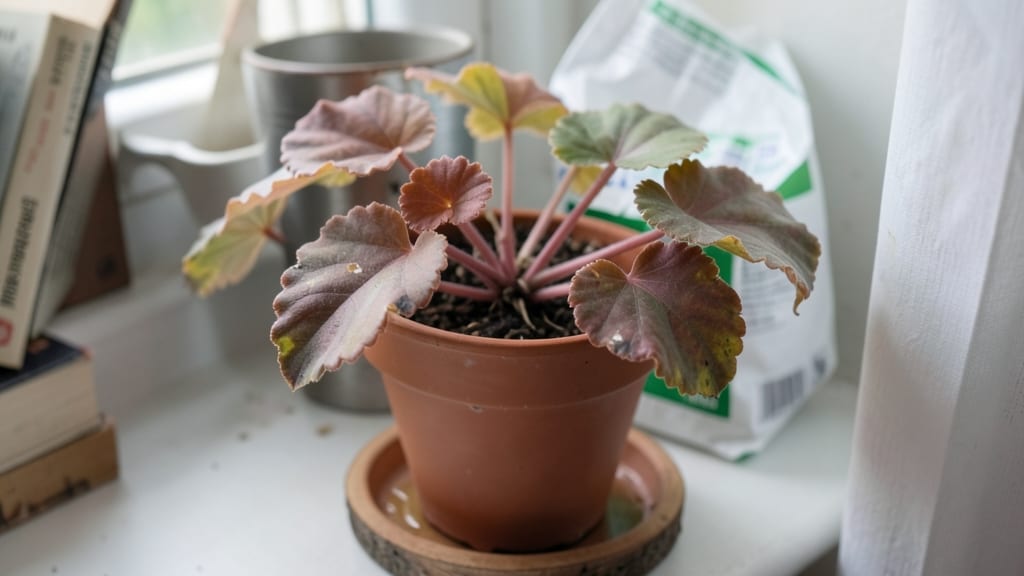
Your begonias stopped flowering because they’re telling you something important—usually light or overfeeding. 🌿 I’ve nursed back dozens of leggy, bloomless begonias by tweaking just two things: their light exposure and how I prune them.
The fix isn’t complicated, but it does require paying attention to what your plants really need.
Most begonia varieties crave bright, indirect light—think east-facing windows or a shaded patio spot. If they’re getting too much sun, they’ll burn; too little, and they’ll stretch toward the light, focusing all their energy on leaves instead of flowers.
Over-fertilizing with too much nitrogen is another common culprit, sending your plant into leafy overdrive while starving its blooms. Pruning isn’t just about cutting back—it’s about encouraging new growth in the right places.
Within 2-3 weeks of adjusting light and pruning, you’ll see fresh buds forming at the stems’ base. The key is patience: begonias reward gentle care, not aggressive fixes.
You’ll end up with lush foliage and a cascade of blooms—just like the ones that made you fall in love with them in the first place.
This works for wax, rex, and tuberous begonias alike, whether you’re growing them indoors or out. The same principles apply to reviving a single pot or a whole collection. Let’s get those flowers back where they belong!
📚 In This Guide
- What you need
- Instructions
- Tips and common mistakes
- Wrapping up and next steps
What you need
- ● Pruning shears or clean scissors – Sharp, sterilized tools (rubbing alcohol wipe works!) to trim dead or overgrown stems.
- ○ Gloves (optional but recommended) – Protect your hands from sap or thorns (especially for Begonia rex varieties).
- ● Grow lights or full-spectrum LED bulbs (6000K–6500K) – 1–2 bulbs for supplemental lighting (12–16 hrs/day) if natural light is insufficient.
- ● Balanced liquid fertilizer (10-10-10 or 20-20-20) – 1 bottle (dilute to half-strength for feeding).
- ● Spray bottle with room-temperature water – For gentle misting (avoid soggy leaves!).
- ○ Thermometer (optional but helpful) – To monitor temperature (ideal: 65–75°F / 18–24°C).
- ● Well-draining potting mix – 1 bag (peat-based or cactus/succulent mix blended with perlite for aeration).
- ● Humidity tray or pebble tray – Elevates moisture levels for tropical begonias.
- ● pH test kit – Ensures soil pH is between 5.5–6.5 (ideal for begonias).
- ● Rooting hormone (gel or powder) – Speeds up propagation if you’re pruning for new growth.
- ● Notebook & pen – Track light exposure, watering, and fertilizer schedules.
Step-by-Step fixes to restart your begonia's flowering
Here’s how to coax those showstopping blooms back—no fancy tools needed.
💧 Step 1: Check and Adjust Watering Habits
Begonias hate soggy roots but also dry spells. Water only when the top 1-2 inches of soil feel dry—stick your finger in to test. Overwatering causes root rot, while underwatering stresses plants into dormancy. I use a spray bottle for the top leaves on hot days to mimic humidity, but never let water pool in the saucer.
If your begonia’s leaves look droopy but spring back when watered, you’ve been underwatering. If they’re yellowing or mushy, you’ve overdone it. Drain excess water immediately and let the pot breathe between waterings. A well-draining mix (like the one you’re already using) helps prevent both extremes.
☀️ Step 2: Optimize Light Exposure
Most begonias need bright, indirect light—think east or west windows, not harsh midday sun. If your plant’s leaves are pale or stretching toward the light, it’s not getting enough. Move it closer to the window or rotate the pot a quarter turn weekly so growth stays even.
Here’s the thing—some varieties like angel-wing begonias tolerate more shade, while tuberous begonias need 4-6 hours of morning sun. Watch for brown leaf tips: that’s sunburn. If your begonia’s blooms stopped overnight, it’s likely light-related. A grow light 6-12 inches away for 12-14 hours daily works wonders if natural light is lacking.
✂️ Step 3: Prune Strategically to Stimulate New Blooms
Deadhead spent blooms every 2-3 days—this isn’t optional. Pinch off flowers with clean fingers or sharp scissors just above a leaf node. The plant redirects energy to fresh blooms instead of seeding. I also trim leggy stems back by 1/3 to encourage bushier growth.
If your begonia’s leaves are crowded at the top with bare stems below, it’s time for a harder prune. Cut back to 3-4 inches above the soil line—yes, it’ll look sad for a week, but new shoots will sprout from the base within 2-3 weeks. This is the reset button for flowering.
🌿 Step 4: Feed and Fertilize for Continuous Blooms
Flowering plants need balanced fertilizer every 2-4 weeks during bloom season. Use a 10-10-10 or 20-20-20 formula diluted to half-strength. I switch to a low-nitrogen, high-phosphorus (like 5-10-5) when buds form to push flowering. Never fertilize a thirsty plant—always water first.
Yellow leaves after feeding? You’re overdoing it. Flush the soil with plain water for 2 weeks to reset. Begonias are sensitive—when in doubt, feed lightly. The goal is steady, not aggressive, growth. A worm compost tea monthly gives gentle nutrients without burning.
Tips & tricks for reviving begonia blooms
Here's what nobody tells you about bringing your begonias back to life—these tricks work even when the plant seems hopeless.
Soil Check: Before adjusting watering, test your soil's drainage. Fill a clear container with your potting mix and water it—if water pools at the bottom after 30 minutes, your mix retains too much moisture. Mix in perlite or orchid bark (1 part to 3 parts soil) to improve airflow. This prevents the root rot that often stops flowering dead in its tracks.
Light Rotation Hack: The weekly quarter-turn rotation in Step 2 isn't just about even growth—it's also a way to check for hidden pests. Flip your plant upside down during rotation to inspect the undersides of leaves for spider mites or aphids. These tiny pests suck nutrients that could otherwise fuel blooms. A quick spray with water (or neem oil for stubborn cases) can make all the difference.
Pruning Timing: When you're doing that harder prune back to 3-4 inches, time it right: do it in late spring or early summer when days are longest. This gives your plant the maximum light exposure to recover and regrow. I've seen begonias that looked like they were giving up completely sprout fresh growth within 10 days when pruned during this window.
Fertilizer Schedule: The 2-4 week feeding window is perfect, but here's the secret: split your fertilizer into two applications per month. Use half the recommended dose every other week. This mimics natural nutrient cycles and prevents the shock that can cause yellowing. I've had begonias that rebloomed within weeks after switching to this gentler approach.
Pro Tips for Begonia Stopped Flowering
- Here's what nobody tells you about bringing your begonias back to life—these tricks work even when the plant seems hopeless.
- Soil Check: Before adjusting watering, test your soil's drainage.
- Light Rotation Hack: The weekly quarter-turn rotation in Step 2 isn't just about even growth—it's also a way to check for hidden pests.
Frequently asked questions
Got questions about why your begonia isn’t blooming? You’re not alone! Here are some of the most common concerns—and quick fixes—to get those vibrant flowers back in action.
Why did my begonia suddenly stop flowering?
Begonias often quit blooming due to light deprivation (they need bright, indirect light for 6+ hours daily) or overcrowded roots. Sudden temperature drops or nutrient imbalances (like too much nitrogen) can also trigger this. Check your plant’s location and care routine—small tweaks often revive blooms fast!
How long does it take for a begonia to flower again after adjustments?
With proper care, you might see new buds in 4–8 weeks. If you’ve recently pruned or repotted, expect a 2–3 week recovery period before blooming resumes. Patience is key—consistent light, water, and fertilizer (like a balanced 10-10-10 mix) speed up the process.
Can I prune my begonia to encourage more flowers?
Prune leggy or overgrown stems just above a leaf node to redirect energy toward blooming. For wax begonias, trim back 1/3 of the plant in early spring. Never cut flowers off—let them fade naturally to boost future blooms. Use clean, sharp scissors to avoid disease!
What should I do if my begonia only has leaves and no flowers?
Your plant might be starved for sunlight or over-fertilized with nitrogen (which promotes leaves over flowers). Switch to a phosphorus-rich fertilizer (like 5-10-5) and move it to brighter light. If roots are bound, repot into fresh soil—this often triggers a blooming rebound!
Does temperature affect begonia flowering?
Yes! Begonias thrive in 65–75°F (18–24°C) during the day and never below 60°F (15°C). Drafts, AC vents, or sudden cold snaps can shock the plant, halting blooms. Keep them away from windows in winter and avoid drastic temperature swings. A heat mat in chilly months can help!
Wrapping up and next steps
Don’t let a lack of blooms dim your begonia’s charm! With the right adjustments—like optimizing light exposure, pruning strategically, and tweaking care habits—your plant can bounce back to its vibrant best. 🌸 Start small: try one fix at a time, monitor progress, and celebrate even tiny improvements.
Ready to see those flowers return? Grab your shears, adjust that light source, and give your begonia the love it deserves. Your green thumb is closer than you think! 🌱