
Flowers
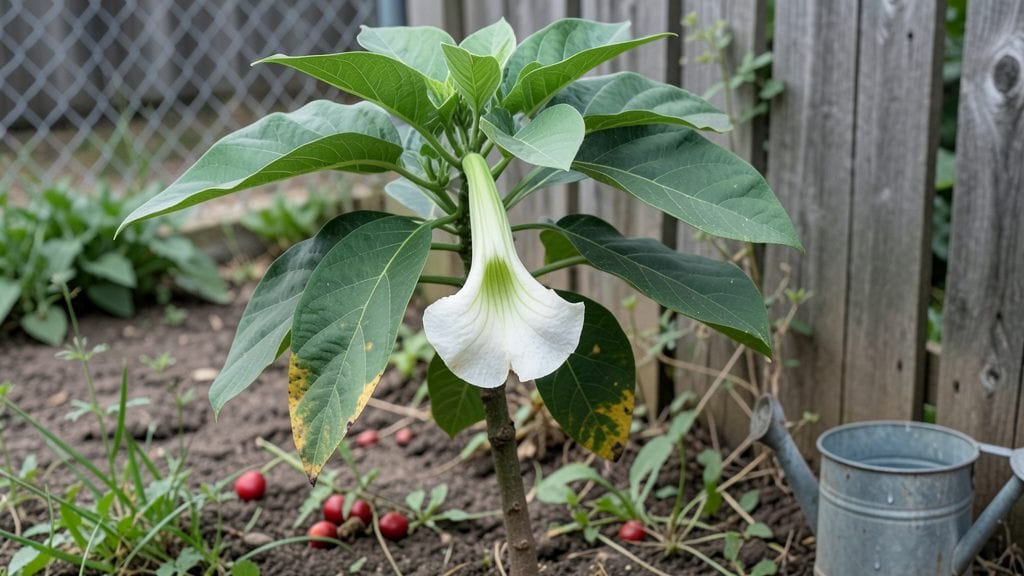
These beautiful but poisonous flowers dazzle with their striking looks—yet their hidden dangers demand caution: oleander, foxglove, and lily of the valley are garden showstoppers with toxic sap. belong in carefully controlled spaces.
I’ve used these dramatic plants in my own garden, tucked them behind borders where kids and pets can’t reach, and turned them into striking container specimens that still command attention from a distance.
The key is strategic placement: these plants thrive in sunny borders, woodland edges, or elevated containers where their glossy leaves and showy blooms shine without risk. Oleander’s fragrant spikes work beautifully in hot, dry climates, while foxglove’s towering spikes add drama to moist, shady spots.
Just remember—never plant them near play areas, and keep gloves on when pruning. The trade-off? A garden that feels like a botanical masterpiece without the guilt.
You’ll love how these plants transform a space—deep purple foxglove against a stone wall, crimson oleander spilling over a terrace, or bell-shaped lily of the valley softening a woodland garden edge.
The secret is balancing their allure with clear boundaries: use non-toxic alternatives like canna lilies or dahlias nearby to create safe, vibrant contrast. With the right setup, you get the drama without the danger.
For pet owners or families with young children, consider container gardening—these toxic beauties can still shine on a patio or balcony while staying safely out of reach. The trade-off? A garden that feels like a botanical masterpiece without the guilt.
Start small, observe how your plants perform, and soon you’ll have a stunning, safe garden that turns heads—and keeps everyone healthy.
📚 In This Guide
- What you need
- Instructions
- Tips and common mistakes
- Wrapping up and next steps
What you need
- ● Gloves (nitrile or latex) – Heavy-duty, long-cuffed (2-3 pairs) to protect skin from sap and toxins.
- ● Safety goggles – ANSI-rated to shield eyes from accidental contact with irritants.
- ● Pruning shears – Stainless steel, sharp, and sterilized (1 pair) for trimming without spreading contaminants.
- ● Plastic or metal containers – Sealed, labeled (2-3) for collecting soil/sap samples or disposing of clippings.
- ● Hand sanitizer (alcohol-based, 60%+) – Travel-sized (1 bottle) for immediate skin decontamination.
- ● First-aid kit – Include antihistamines, calamine lotion, and burn gel (1 compact kit).
- ● Labeling system – Waterproof tags + permanent marker to ID plants and document toxicity levels.
- ● Respirator mask (N95 or P100) – For handling highly toxic flowers like oleander or foxglove.
- ● Disposable coveralls – Full-body protection for heavy-duty gardening sessions.
- ● Digital pH meter – To test soil toxicity levels (especially for delphinium or lily of the valley).
- ● Pet-safe barriers – Wire mesh or fencing if growing near curious animals.
- ● Reference guidebook – A poisonous plant ID book (e.g., “Dangerous Plants of North America”).
How to select and safely incorporate poisonous flowers into your garden
Stunning yet dangerous blooms can transform your garden—but only if you know how to handle them.
Research and Choose the Right Varieties
Not all toxic flowers are equally hazardous, and some are safer for specific settings. I focus on mildly toxic varieties like oleander (highly toxic but breathtaking) or foxglove (deadly in large doses but stunning in borders). Check the USDA plant toxicity database or consult your local extension office for regional risks.
Look for plants with bold foliage or striking blooms—these often have higher concentrations of toxins. Lily of the Valley, for example, has delicate flowers but contains cardiac glycosides, which can cause severe heart issues if ingested. Always confirm the toxicity level before purchasing, as some nurseries label plants vaguely as "toxic" without specifying severity.
Plan for Safe Placement and Barriers
Never place toxic flowers where children, pets, or wildlife can easily access them. I recommend elevated planters (at least 4 feet off the ground) or securely fenced garden beds with lockable gates if you have curious pets or kids. For ground-level plantings, use dense shrubs or ornamental grasses as natural barriers to discourage foraging.
If you’re using container gardening, choose heavy, tip-resistant pots (like terra cotta or fiberglass) to prevent accidental spills. Label each pot with a clear "TOXIC" warning sign—even if the plant is beautiful, visibility is critical. I also avoid placing toxic flowers near water sources (birdbaths, ponds) where animals might drink contaminated water.
Implement Physical and Chemical Safeguards
Wear gloves when handling toxic plants, especially during pruning or deadheading. I keep a small first-aid kit (with activated charcoal for ingestion cases) near my gardening tools. If you have pets, consider pet-safe alternatives like marigolds or sunflowers unless you’re prepared for emergency vet visits.
For highly toxic species (like castor bean or angel’s trumpet), I recommend double containment: plant them in lined pots (with a plastic liner) and place those pots inside a larger, secure outer container. This prevents soil (which may contain seeds or sap) from spreading. Always dispose of clippings in sealed bags and never compost toxic plant material.
Educate Your Household and Visitors
Post clear, visible warnings near toxic plants—even if they’re in a locked garden. I use engraved metal signs (weatherproof) with both common and scientific names to avoid confusion. For example, "Oleander (Nerium oleander) – TOXIC TO HUMANS AND ANIMALS" leaves no room for misidentification.
If you host garden tours or have frequent visitors, give a quick safety talk before they explore. Highlight which parts are dangerous (e.g., foxglove seeds are deadly, but leaves are less so). Keep a printed emergency contact list (poison control, vet clinics) handy in case of accidental exposure.
Monitor and Maintain with Caution
Regularly inspect toxic plants for pests or disease, as stressed plants may produce more concentrated toxins. I use organic pest controls (like neem oil) to avoid chemical residues that could become hazardous. Never burn toxic plant material—the smoke can release harmful compounds.
When deadheading or pruning, dispose of waste immediately in sealed, labeled containers. If you’re composting non-toxic plants, keep toxic clippings completely separate. I also recommend washing hands thoroughly after handling these plants, even if you wore gloves—some toxins can absorb through skin.
Tips & tricks for stunning yet safe poisonous flower gardens
A few strategic choices can make your toxic beauty garden both breathtaking and secure. The key lies in balancing aesthetics with absolute safety protocols.
Variety Selection Intelligence: When researching plants in Step 1, prioritize varieties with moderate toxicity levels—these offer the most visual impact while minimizing risks. For example, oleander provides dramatic foliage and vibrant blooms but requires strict containment, while lily of the valley offers delicate charm with lower toxicity concerns. Cross-reference your selections with the University of California's Toxic Plants Database for precise toxicity ratings and regional warnings. This level of research prevents costly mistakes after planting.
Barrier Design Psychology: In Step 2, think beyond basic fencing when creating barriers. I've found that ornamental grasses like pampas grass or thorny shrubs such as pyracantha serve dual purposes—they create natural, aesthetically pleasing boundaries while physically deterring curious hands and paws. For container gardens, consider weighted ceramic planters with built-in saucers to catch any accidental spills during watering. The psychological barrier of visible warnings combined with physical obstacles creates multiple layers of protection.
Containment System Engineering: For highly toxic species mentioned in Step 3, implement a three-tier containment system: Start with a plastic-lined pot to prevent soil leakage, nest that inside a heavy ceramic outer pot for stability, and place the entire assembly on a waterproof tray to catch any runoff. This engineering approach prevents soil contamination while maintaining visual appeal. I've also found that elevated trellises for climbing toxic varieties like angel's trumpet keep the plants accessible for maintenance while keeping them out of reach of ground-level foragers.
Education Through Design: The warning signs in Step 4 should be more than just text—they should be visual learning tools. I create illustrated plant cards that show both the plant's appearance and a diagram of its most toxic parts. For example, the foxglove card includes a drawing showing which flowers contain the highest concentration of toxins. Place these near seating areas or garden entrances where visitors will see them naturally. This visual education transforms passive warnings into active learning experiences.
Pro Tips for Beautiful But Poisonous Flowers
- A few strategic choices can make your toxic beauty garden both breathtaking and secure.
- Variety Selection Intelligence: When researching plants in Step 1, prioritize varieties with moderate toxicity levels—these offer the most visual impact while minimizing risks.
- Barrier Design Psychology: In Step 2, think beyond basic fencing when creating barriers.
Frequently asked questions
Got questions about these stunning yet dangerous blooms? You’re not alone! Here are some of the most common concerns—and answers—to keep your curiosity (and your pets) safe while enjoying their beauty.
Are these flowers deadly to humans if touched or ingested?
Most beautiful but poisonous flowers pose minimal risk to humans unless consumed in large quantities or handled carelessly (e.g., crushing sap or touching broken stems). Symptoms like skin irritation, nausea, or dizziness may occur, but fatalities are rare. Always wash hands after contact and avoid ingesting any plant parts. When in doubt, consult a doctor!
Which of these flowers are dangerous to pets?
Some of the deadliest offenders for pets (especially cats and dogs) include oleander, foxglove, and lily of the valley. Even small amounts can cause vomiting, heart issues, or organ failure. Keep these flowers out of reach and contact a vet immediately if you suspect ingestion. Pet-safe alternatives like sunflowers or marigolds are great substitutes!
When is the best time to plant these flowers for safety?
Plant during spring or early fall when temperatures are mild, and roots can establish before extreme heat or frost. Avoid planting near patios, children’s play areas, or pet zones. Pro tip: Use raised beds or containers to limit accidental exposure while still enjoying their drama from a safe distance!
Can I grow these flowers in pots instead of garden beds?
Many poisonous flowers thrive in containers, making them easier to control and secure. Choose pots with drainage holes, use well-draining soil, and place them out of reach of curious hands or paws. Just remember: beauty and caution go hand-in-hand—even in a pot!
What should I do if someone or a pet accidentally ingests one?
Act fast! Remove any visible plant material from the mouth, then call Poison Control (1-800-222-1222 in the U.S.) or rush to the nearest ER. Keep the plant (or a photo) handy for identification. Never induce vomiting without professional guidance. Prevention is key—always supervise kids and pets around these stunning (but sneaky) blooms!
Wrapping up and next steps
The world of beautiful but poisonous flowers reminds us that nature’s most captivating creations often come with a side of caution. These striking blooms prove that danger and beauty can coexist—inspiring awe while urging respect for their power.
Whether you’re a gardener, a nature enthusiast, or just someone who admires bold floral drama, remember: knowledge is your best defense. 🌸⚠️
Ready to explore further? Dive deeper into toxic botany with a visit to your local botanical garden or a trusted horticulture resource. And if you’re inspired to cultivate these stunning (but risky) plants, always prioritize safety—gloves, labels, and research are your gardening superheroes! 🌿💚