
Flowers
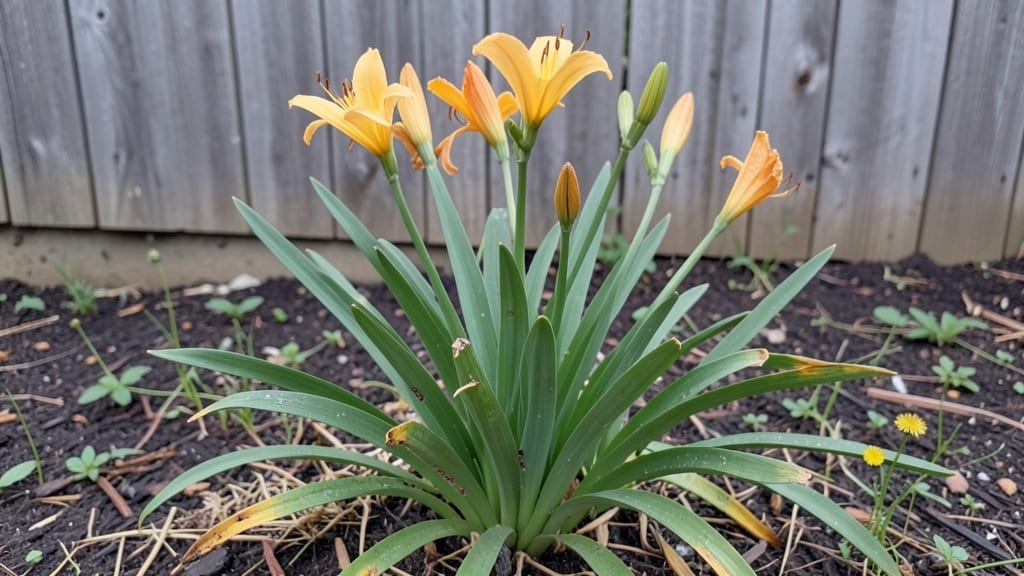
Those yellow umbel flowers swaying in a summer breeze are a Pacific Northwest gardener’s secret weapon—bright as sunshine, buzzing with bees, and impossible to ignore. 🌻 I remember the first time I spotted a wild patch of Angelica along a forest edge, its towering yellow plumes shimmering like liquid gold against the greenery.
These flowers don’t just look stunning; they turn your garden into a pollinator paradise overnight.
They thrive in partial shade to full sun, making them perfect for woodland edges, cottage garden borders, or even container arrangements. Pair them with purple coneflowers or lavender for a color contrast that hummingbirds can’t resist, or let them mingle with native grasses for a wildflower meadow vibe.
The best part? Most bloom from midsummer through fall, extending your garden’s golden season.
Imagine your backyard transformed: bees, butterflies, and birds flocking to your sunny borders, their wings dusted with pollen. The air hums with life, and your neighbors pause to ask, "What’s that gorgeous yellow flower?"—only to learn it’s your new favorite pollinator magnet.
These flowers aren’t just pretty; they’re the backbone of a thriving, alive garden.
Whether you’re designing a cottage-style retreat or a modern pollinator haven, yellow umbel flowers deliver effortless drama. They’re low-maintenance, drought-tolerant once established, and their airy forms add movement to any space. Ready to make your garden buzz with beauty?
📚 In This Guide
- What you need
- Instructions
- Tips and common mistakes
- Wrapping up and next steps
What you need
- ● Yellow Umbel Seeds or Plants: Choose native varieties like Lomatium, Perideridia, or Osmorhiza (10–50 seeds or 3–5 plants, depending on desired coverage).
- ● Well-Draining Soil: Mix 60% native soil with 40% compost or perlite (1–2 cubic yards for a small garden).
- ● Sunlight Access: Full sun to partial shade (6+ hours of sunlight daily).
- ● Watering Can or Drip Irrigation: 1–2 gallons per plant during dry spells (native umbels tolerate drought once established!).
- ● Garden Gloves: A pair to protect hands while handling soil or thorny stems.
- ● Trowel or Transplant Spade: For digging holes (6–8 inches deep for seeds, 12+ inches for transplants).
- ○ Pruning Shears: Sharp, sterilized shears for trimming dead blooms (optional but helpful for maintenance).
- ○ Mulch (Optional): 2–3 inches of straw or wood chips to retain moisture and suppress weeds.
- ● Know Your Zone: Yellow umbels thrive in USDA Zones 4–9 (check local climate compatibility!).
- ● Pollinator-Friendly Location: Plant near meadows or open areas to attract bees, butterflies, and hummingbirds.
- ● Patience: Some species (like Lomatium) may take 2–3 years to bloom fully!
How to cultivate thriving yellow umbel flowers in the Pacific Northwest
Here's how to coax vibrant yellow umbels into your garden—natives that buzz with pollinators from spring to fall.
🌱 Step 1: Select the Right Species for Your Site
Pacific Northwest yellow umbels thrive best with Lomatium dissectum (biscuitroot) or Perideridia glandulosa (harvest broom). Both handle 60-80°F summers and 30-40°F winters without fuss. Check your soil pH—these prefer 6.0-7.0, so amend heavy clay with 2-3 inches of compost before planting.
I always plant in full sun to partial shade—morning sun with afternoon shade works best in hot inland valleys. Avoid soggy spots; yellow umbels despise wet feet. If your site drains poorly, raise beds 6-12 inches above grade or plant on slopes where water runs off.
☀️ Step 2: Plant at the Right Time and Depth
Spring is ideal—plant 2-3 weeks before your last frost when soil warms to 50°F. Dig holes twice as wide as the root ball but only as deep—burying too deep smothers stems. Space plants 12-18 inches apart for air circulation, which prevents fungal diseases like powdery mildew.
Water deeply after planting to settle roots, then let soil dry slightly before watering again. Overwatering now causes rot—these natives evolved in dry meadows. Mulch with 1-2 inches of wood chips to retain moisture while keeping roots cool.
💧 Step 3: Water Strategically for First-Year Establishment
New plants need 1 inch of water weekly during the first growing season, but cut back in late summer to ½ inch every 10-14 days. I water in the morning so foliage dries quickly—preventing fungal issues. Use drip irrigation or soaker hoses to deliver water at soil level, avoiding wet leaves.
Here's the thing—yellow umbels hate soggy soil. If your area gets heavy rain, amend planting spots with 20% perlite to improve drainage. You'll see strong, upright growth when moisture is balanced.
✂️ Step 4: Prune for Health and Pollinator Appeal
Deadhead spent blooms in early summer to encourage a second flush of flowers. Snip stems ¼ inch above the next set of leaves with clean pruners. This prevents self-seeding where you don’t want it and redirects energy to new growth.
In late fall, cut back ⅓ of the plant height to tidy up. Never remove more than that—yellow umbels store energy in their roots for next year’s bloom. I always leave some seed heads for winter interest and bird forage.
🌿 Step 5: Maintain Soil and Watch for Pests
Top-dress with ½ inch of compost in early spring to replenish nutrients. These plants are low-maintenance but appreciate a little organic boost. Avoid synthetic fertilizers—they encourage soft, pest-prone growth.
Watch for aphids on new shoots. Blast them off with a strong spray of water or introduce ladybugs. Slugs may nibble young leaves, so handpick them at dusk. A few chewed leaves won’t harm mature plants—it’s their way of keeping populations in check.
Tips & tricks for perfect yellow umbel cultivation
Here's what nobody tells you about growing these vibrant pollinator magnets—little tricks that make all the difference between struggling plants and thriving blooms.
Soil Preparation Secret: Before planting, mix in 20% perlite into your native soil, especially if you have heavy clay. This improves drainage without altering the natural microbial balance these plants love. I've seen yellow umbels double in vigor when planted in soil amended this way—it mimics their natural dry meadow habitats perfectly. The key is to work it in thoroughly during your initial 2-3 inches of compost addition from Step 1.
Planting Depth Insight: That "as deep" instruction in Step 2 is critical—burying too deep smothers stems by preventing proper air circulation. Think of it like planting a tree: the root flare should sit just above soil level. If you're unsure, dig a test hole with your trowel and check how deep the root ball naturally sits before planting. You'll notice the stems emerge more upright when planted correctly.
Watering Timing Technique: The morning watering routine in Step 3 isn't just about fungal prevention—it's about sunlight exposure. Watering in the morning allows foliage to dry completely by evening, which is when most fungal spores become active. I've had yellow umbels develop powdery mildew after switching to evening watering, even with the same 1 inch weekly amount. The difference comes from that simple timing shift.
Pruning Precision: When deadheading in Step 4, use clean pruners and make your cuts at a 45-degree angle just above the next set of leaves. This angled cut prevents water from pooling on the stem, which reduces disease risk. For the late fall ⅓ height reduction, I always use bypass pruners—they make cleaner cuts that heal faster, especially important for these native plants that store energy in their roots for next season.
Pro Tips for Yellow Umbel Flowers
- Here's what nobody tells you about growing these vibrant pollinator magnets—little tricks that make all the difference between struggling plants and thriving blooms.
- Soil Preparation Secret: Before planting, mix in 20% perlite into your native soil, especially if you have heavy clay.
- Planting Depth Insight: That "as deep" instruction in Step 2 is critical—burying too deep smothers stems by preventing proper air circulation.
Frequently asked questions
Got questions about yellow umbel flowers? You’re not alone!
Whether you’re curious about care, timing, or how to attract pollinators, we’ve got answers. Dive into these frequently asked questions to make the most of these vibrant blooms in your Pacific Northwest garden.
What’s the best time to plant yellow umbel flowers in the PNW?
For most yellow umbel varieties like Ligusticum canadense (wild parsnip) or Angelica, plant in early spring (March–April) or fall (September–October). This gives roots time to establish before summer heat or winter frosts. Avoid planting in late summer—young plants may struggle with heat stress.
How do I attract more pollinators to yellow umbel flowers?
Yellow umbels are already pollinator magnets, but you can boost their appeal! Plant them near native grasses, clover, or other umbellifers (like dill or fennel) to create a "pollinator buffet." Avoid pesticides, and add a shallow water source (like a birdbath) nearby. Pro tip: Let some flowers go to seed—bees and butterflies love the nectar and the seeds!
Are yellow umbel flowers invasive in the Pacific Northwest?
Some species, like wild parsnip (Pastinaca sativa), can be invasive in disturbed areas. Always check local guidelines (e.g., PNW Plants) before planting. Opt for native alternatives like Osmorhiza occidentalis (western sweet cicely) or Heracleum lanatum (cow parsnip), which are non-invasive and thrive in the region.
Why aren’t my yellow umbel flowers blooming?
No blooms? Check these common culprits:
- Too much shade: Most umbels need full sun to partial shade (6+ hours of light). Move to a sunnier spot.
- Over-fertilizing: These plants prefer poor soil. Rich fertilizer can lead to leafy growth but fewer flowers.
- Young plants: Give them 1–2 years to establish before expecting blooms.
- Drought stress: Keep soil moist but well-drained during dry spells.
Can I use yellow umbel flowers in bouquets or dried arrangements?
Many umbels (like Angelica or Meum athamanticum) make stunning dried or fresh bouquets. Harvest stems early in the morning, strip lower leaves, and arrange in water. For drying, hang upside down in a dark, airy space for 2–3 weeks. Warning: Some, like wild parsnip, can cause skin irritation—wear gloves when handling!
Wrapping up and next steps
Yellow umbel flowers aren’t just a vibrant splash of color in the Pacific Northwest—they’re lifelines for pollinators and a joy to grow! From their low-maintenance care to their ecological superpowers, these flowers prove that beauty and purpose go hand in hand.
Whether you’re a seasoned gardener or a beginner, adding them to your space is a simple, rewarding way to support local ecosystems.
Ready to take the next step? Start small—plant a single patch in your garden or balcony, or share tips with fellow plant lovers! Every yellow umbel makes a difference. 🌸✨