
Flowers
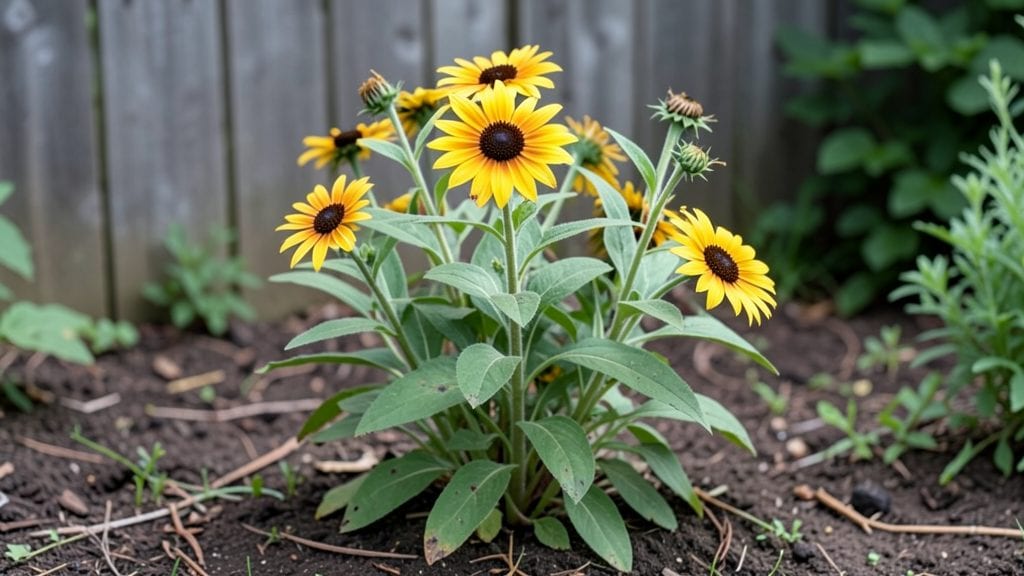
The yellow ombre coneflower transforms any garden into a sunlit painting—where petals blush from golden yellow to soft peach, fading like a sunset. 🌻 I first spotted one in a cottage garden last summer, and it stole the show: the way it caught morning light, then shifted hues as the sun moved.
This isn’t just a flower; it’s a living gradient that bridges sunny borders with shadier spots, creating depth where other plants can’t.
Pair it with lavender for contrast or let it mingle with purple salvia—the color play becomes magical. In containers, it thrives alongside black mondo grass for a bold modern look, or soften its drama with silver foliage like lamb’s ear.
The best part? It blooms from midsummer through frost, giving you months of that dreamy, shifting color.
📚 In This Guide
- What you need
- Instructions
- Tips and common mistakes
- Wrapping up and next steps
What you need
- ● Yellow Ombre Coneflower Seeds or Plants: Seeds: 10–20 seeds (or more for larger gardens)
- ● Transplants: 3–5 mature plants (spaced 12–18 inches apart)
- ● Well-Draining Soil: Mix of garden soil, compost, and perlite (1 part each). Aim for a pH of 6.0–7.0.
- ● Sunlight Spot: Full sun (6+ hours/day) for vibrant blooms, but tolerates partial shade.
- ● Watering Can or Hose: With a gentle spray nozzle for even moisture.
- ○ Garden Gloves (optional but recommended for seed handling).
- ● Trowel or Hand Spade (for digging and transplanting).
- ● Mulch (Straw or Pine Needles) (1–2 inches thick to retain moisture).
- ● Fertilizer (Balanced 10-10-10 or Organic Compost) (1 tbsp per plant, applied in early spring).
- ● Pruning Shears (for deadheading spent blooms to encourage regrowth).
- ○ Stakes or Supports (Optional) (if growing in windy areas).
- ● 🌡️ Timing Matters: Sow seeds indoors 6–8 weeks before the last frost or directly outdoors after soil warms (60°F+).
- ● ✨ Color Boost: Add a pinch of iron sulfate to soil for deeper yellow hues!
- ● 🔥 Drought-Proof: Once established, these beauties thrive with minimal watering—just 1 inch per week.
Step-by-step guide to growing stunning yellow ombre coneflowers
Here's how to coax those dreamy sun-to-shade petal gradients from seed to showstopper bloom.
🌱 Step 1: Start Seeds Indoors for Early Blooms
Fill small seed-starting trays with the provided seed-starting mix and press it down lightly—just firm enough to hold seeds in place without compacting. Coneflower seeds need light to germinate, so don't cover them with soil. Instead, sprinkle them evenly across the surface, spacing them about ¼ inch apart.
Mist the soil surface with water until it's evenly damp but not soggy. Place the trays in a warm spot (around 70°F) with bright, indirect light. You'll see tiny sprouts in about 10-14 days, though some may take up to 21 days—coneflowers aren't in a hurry. Once seedlings have their first true leaves, they're ready for their next move.
☀️ Step 2: Harden Off and Transplant for Strong Starts
Move the seedlings outdoors for a few hours each day, gradually increasing their time outside over 7-10 days. Start with just a couple of hours in a sheltered spot, then work up to full sun exposure. This process, called hardening off, helps them adjust to outdoor conditions without shock.
After they've spent a full day outside without wilting, it's time to transplant. Choose a location with full sun to partial shade—this is where the ombre magic happens. Dig holes twice as wide as the root ball and space plants 18-24 inches apart to give them room to grow. Water deeply after planting to help the roots settle in.
💧 Step 3: Water and Feed for Vibrant Color Gradients
Coneflowers are drought-tolerant once established, but they need consistent moisture during their first growing season. Water deeply about once a week, allowing the soil to dry out slightly between waterings. Overwatering can lead to weak stems and faded colors, so let the top 1-2 inches of soil dry out before watering again.
Feed your plants with a balanced, slow-release fertilizer at planting time, then again in early summer. You'll notice the most stunning ombre effects when plants receive consistent care—bright yellows deepen into soft golds and creams as they mature. Mulch around the base with 1-2 inches of organic mulch to retain moisture and keep roots cool.
✂️ Step 4: Deadhead and Maintain for Long-Lasting Blooms
After the first flush of blooms fades, snip off the spent flower heads with clean pruners. This encourages the plant to produce more blooms later in the season. Coneflowers often rebloom in late summer or fall, especially if you keep them deadheaded. Just be sure to leave some seed heads if you want to collect seeds for next year.
In late fall, cut back the stems to about 4-6 inches tall. This helps keep the plant tidy and encourages new growth in the spring. Coneflowers are tough perennials, so they'll come back year after year with even more dramatic color gradients if you give them the right care.
Tips & tricks for perfect yellow ombre coneflowers
Here's what I learned after growing these sun-kissed beauties for years—tricks that'll make your ombre magic even more stunning.
Light Matters: Coneflowers need that 70°F warmth for germination, but once established, they'll reward you with the most dramatic ombre effects when planted in full sun. I've seen the most vibrant yellow-to-cream gradients in spots that get at least 6 hours of direct sunlight daily. Morning sun and afternoon shade helps maintain those soft transitions—too much intense afternoon sun can bleach the petals prematurely.
Seed Spacing Secret: That ¼-inch spacing for seeds might seem tight, but it's perfect for preventing competition. When seedlings get crowded, they'll stretch toward light and develop weak stems that can't support those showstopper blooms. If you're using a larger tray, consider spacing them ½ inch apart—they'll still be fine, but with more room to develop strong roots.
Harden Off Gradually: The 7-10 day hardening off period is where many gardeners rush and end up with stressed plants. Start with just 1-2 hours the first day in a sheltered spot, then increase by 1 hour daily. Watch for wilting—if leaves droop, they're not ready for more sun. Healthy seedlings should look plump and upright by the end of this process.
Mulch Magic: That 1-2 inches of organic mulch isn't just for moisture—it's what creates those perfect growing conditions for ombre development. I use shredded leaves or straw because they break down slowly, keeping roots cool while allowing water to penetrate. Avoid thick mulch layers, though—they can smother stems and prevent proper air circulation.
Pro Tips for Yellow Ombre Coneflower
- Here's what I learned after growing these sun-kissed beauties for years—tricks that'll make your ombre magic even more stunning.
- Light Matters: Coneflowers need that 70°F warmth for germination, but once established, they'll reward you with the most dramatic ombre effects when planted in full sun.
- Seed Spacing Secret: That ¼-inch spacing for seeds might seem tight, but it's perfect for preventing competition.
Frequently asked questions
What’s the best way to plant yellow ombre coneflowers for maximum color impact?
Plant them in well-draining soil with full sun exposure (6+ hours daily) for the most vibrant ombre effect. Space them 18–24 inches apart to allow airflow and prevent overcrowding. Mulch lightly to retain moisture and enhance the gradient as they mature!
How long does it take for the ombre effect to develop?
The transition from yellow to pink or burgundy typically appears in late summer to early fall, about 60–90 days after planting. Patience pays off—cooler temps and sunlight trigger the color shift! Deadhead spent blooms to encourage more flowers and prolong the show.
Can I grow yellow ombre coneflowers in containers?
Yes! Use large pots (12+ inches deep) with drainage holes and a quality potting mix. Dwarf varieties like Echinacea ‘Hot Papaya’ work well. Place containers in sunny spots and fertilize lightly every 4–6 weeks for compact, vibrant blooms.
Are these flowers deer- or pest-resistant?
Coneflowers are generally deer-resistant, but hungry critters might nibble young plants. Use deer repellent if needed. For pests, watch for aphids or Japanese beetles—spray with neem oil or insecticidal soap if infestations occur. Their tough stems deter most garden pests!
What can I pair with yellow ombre coneflowers for a stunning garden?
Combine them with purple salvia, black-eyed Susans, or silver-blue artemisia for contrast. For height, add Joe Pye weed or Russian sage. Their ombre hues also glow near deep red sedum or goldenrod for a fiery autumnal display!
Wrapping up and next steps
Transforming your garden with yellow ombre coneflower is a vibrant way to add depth, texture, and a touch of whimsy to any space! 🌈 Whether you're a seasoned gardener or just starting, these sun-loving blooms bring effortless charm while attracting pollinators.
Their layered hues create a stunning visual gradient that evolves as the seasons change—proof that nature’s artistry is always in motion.
Ready to dive in? Start small—plant a few in a sunny spot, experiment with companion plants, or even grow them in containers. Watch your garden bloom into a masterpiece, one petal at a time! 🌱