
Flowers
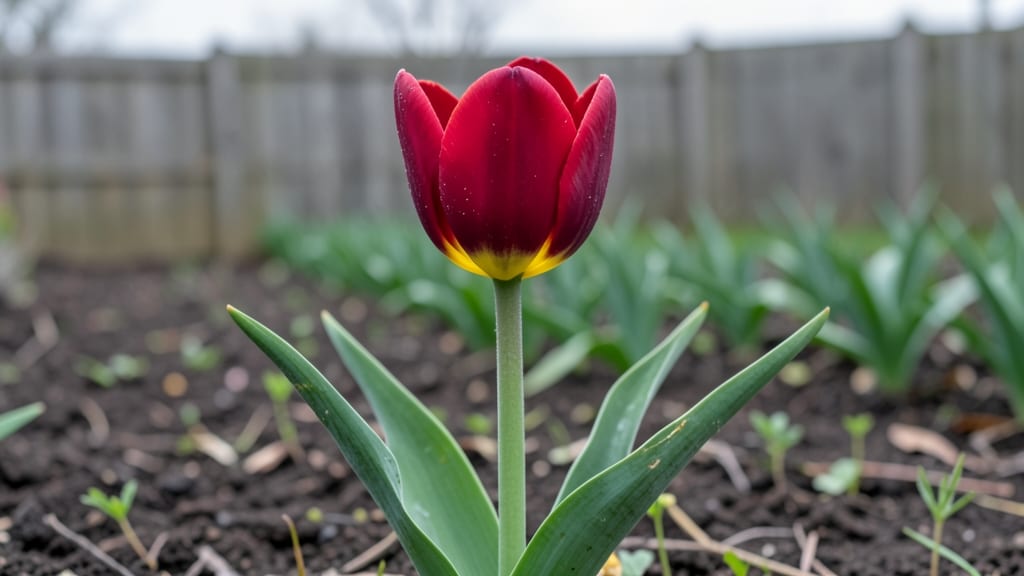
The striking red flowers with yellow in the middle—think of the bold marigolds in my grandmother’s garden—are the sunbursts that turn any garden into a showstopper. 🌻 These fiery blooms bring instant drama while attracting pollinators like crazy.
The contrast alone makes them impossible to ignore, whether planted in borders, containers, or wildflower meadows.
Think beyond just marigolds: black-eyed Susans, coneflowers, and certain roses all deliver that striking red-and-yellow combo. They thrive in full sun, need minimal fuss, and keep blooming from early summer through frost. My go-to is the ‘Copper King’ coneflower, which stays vibrant even when others fade.
Design with them as focal points—plant in odd-numbered clusters for maximum impact or mix with purples and whites for a cottage-garden vibe. They also repel pests naturally, so your veggie patch gets a bonus. The best part? They multiply every year, giving you free blooms for decades.
Perfect for pollinator gardens, cutting arrangements, or just adding wow factor to any space. Let’s dive into the top picks and how to make them shine in your yard.
📚 In This Guide
- What you need
- Instructions
- Tips and common mistakes
- Wrapping up and next steps
What you need
- ● Seeds or young plants: Choose Celosia argentea (Sunburst), Rudbeckia hirta (Black-Eyed Susan), or Zinnia elegans (Zahara series). Quantity: 10–20 seeds/plants per desired cluster.
- ● Well-draining potting mix: A blend of 50% garden soil, 30% compost, and 20% perlite/sand (for aeration). Volume: 1–2 cubic feet per 4" pot.
- ● Containers or garden bed: Containers: 4"–6" pots with drainage holes (for seedlings). Quantity: 1 per seedling.
- ● Garden bed: Full sun (6+ hours/day) with loose, fertile soil. Size: 12"–18" spacing between plants.
- ● Watering can or hose: With a gentle spray nozzle to avoid displacing seeds.
- ● Fertilizer: Balanced 10-10-10 or fish emulsion (diluted to half-strength). Frequency: Every 4–6 weeks.
- ● Hand trowel (for transplanting seedlings).
- ● Gloves (to protect hands from thorns or soil-borne pathogens).
- ● Pruning shears (for deadheading spent blooms).
- ○ pH testing kit (optional but helpful—ideal range: 6.0–7.0).
- ● Mulch: Straw or shredded leaves to retain moisture (1–2 inches around plants).
- ● Grow lights: LED bulbs (for indoor seedlings; 12–16 hours/day).
- ● Slow-release granules: Osmocote (mix 1 tbsp per gallon of soil).
- ● Insecticidal soap (for aphid/pest control—1 tsp per quart of water).
Step-by-Step guide to designing a stunning sunburst perennial border
Here's how to create a vibrant, low-maintenance display that brings bold color to your garden.
🌱 Step 1: Choose Your Sunburst Perennials
Select four complementary varieties that share similar light and soil needs. My go-to combinations include black-eyed Susan (Rudbeckia hirta), coneflower (Echinacea purpurea), daylily (Hemerocallis), and blanket flower (Gaillardia). These all thrive in full sun and well-draining soil, creating a cohesive look while offering different bloom times for continuous color.
For height variation, plant coneflower (2-3 feet) as your backdrop, blanket flower (1-2 feet) in the middle layer, and black-eyed Susan (1-2 feet) and daylily (1-3 feet) in front. This arrangement ensures no plant gets overshadowed. Check each plant's mature size—crowding leads to weak stems and fewer blooms.
☀️ Step 2: Prepare the Planting Site
Choose a location with 6+ hours of direct sunlight daily—these perennials won't tolerate shade. Clear the area of weeds and loosen the soil to a depth of 12 inches using a garden fork. Amend the soil with 2-3 inches of compost to improve fertility and drainage, especially if your soil is heavy clay.
Test your soil's pH—most sunburst perennials prefer a slightly acidic to neutral range (6.0-7.0). If your soil is too alkaline, mix in sulfur or peat moss to adjust. Avoid fresh manure, which can burn roots. Water the amended soil thoroughly before planting to help it settle.
🪴 Step 3: Plant for Maximum Impact
Dig holes twice as wide as the root ball but only as deep. Gently remove each plant from its container and tease apart any circling roots. Place the plant in the hole so the top of the root ball sits level with the surrounding soil—burying too deep suffocates stems, while planting too high leaves roots exposed.
Fill the hole with soil and press firmly around the base to eliminate air pockets. Water deeply to encourage root contact with the soil. Space plants according to their mature width: 18-24 inches apart for most varieties. Mulch with 2-3 inches of shredded bark to retain moisture and suppress weeds—just keep mulch 2 inches away from stems to prevent rot.
💧 Step 4: Water and Fertilize for Continuous Blooms
Water newly planted perennials deeply once a week for the first month, ensuring moisture reaches 6 inches down. After establishment, reduce to once every 10-14 days, depending on rainfall. These plants are drought-tolerant once established, but consistent moisture during their first season prevents stress.
Apply a balanced, slow-release fertilizer (10-10-10) at planting time and again in early spring. Avoid high-nitrogen fertilizers—too much leaf growth at the expense of flowers. Deadhead spent blooms regularly to encourage more flowers and extend the season. You'll notice a surge in new buds within 2-3 weeks of pruning.
✂️ Step 5: Prune and Maintain for Next Season
In early spring, cut back last year's stems to 4-6 inches above the ground. This removes dead foliage and encourages fresh, vigorous growth. For coneflower and black-eyed Susan, you can wait until after they bloom to prune. Divide clumps every 3-4 years in early spring or fall—dig up the plant, separate the roots, and replant the healthiest sections.
Watch for powdery mildew on leaves, especially in humid climates. Improve airflow by thinning crowded plants and watering in the early morning to let foliage dry quickly. If mildew appears, spray with a neem oil solution (1 tablespoon per gallon of water). With proper care, your sunburst border will reward you with months of vibrant color and minimal upkeep.
Tips & tricks for perfect sunburst perennial borders
These pro tips will help you create sunburst perennials that burst with color and thrive for years to come.
Plant Arrangement Secret: When arranging your sunburst perennials, consider the mature height of each plant to create a natural gradient. Start with the tallest variety—like coneflower (2-3 feet)—at the back, then work your way forward with blanket flower (1-2 feet), black-eyed Susan (1-2 feet), and daylily (1-3 feet). This layered approach not only creates visual impact but also ensures no plant gets overshadowed, allowing all to receive the full sun they need. Think of it as building a stage where each plant gets its spotlight.
Soil Prep Strategy: The 12-inch depth for loosening soil in Step 2 is crucial for root establishment, but don't stop there. After amending with 2-3 inches of compost, consider adding a handful of worm castings to the planting holes. These provide an immediate nutrient boost and improve soil structure. For heavy clay soils, mix in a bit of perlite or coarse sand to enhance drainage—your perennials will reward you with stronger growth and more vibrant blooms. This extra step prevents waterlogging, which can lead to root rot.
Mulching Wisdom: The 2-3 inches of shredded bark mulch serves multiple purposes: moisture retention, weed suppression, and temperature regulation. But here's the key detail: keep that mulch 2 inches away from plant stems to prevent rot. I've seen many gardeners make this mistake, leading to stem collapse and weakened plants. Instead, create a slight gap around each stem and fill that space with loose soil. This small adjustment makes a big difference in plant health.
Deadheading Technique: Regular deadheading of spent blooms in Step 4 is essential for continuous blooming, but timing matters. Remove faded flowers when they're completely dry—this prevents seed formation and redirects the plant's energy to producing new buds. For coneflower and black-eyed Susan, you can wait until after they bloom to prune, but for daylily and blanket flower, remove spent blooms as soon as they fade. You'll notice a surge in new buds within 2-3 weeks, creating that continuous color display you're after.
Pro Tips for Red Flowers With Yellow In The Middle
- These pro tips will help you create sunburst perennials that burst with color and thrive for years to come.
- Plant Arrangement Secret: When arranging your sunburst perennials, consider the mature height of each plant to create a natural gradient.
- Soil Prep Strategy: The 12-inch depth for loosening soil in Step 2 is crucial for root establishment, but don't stop there.
Frequently asked questions
Got questions about those stunning red flowers with yellow centers? You’re not alone! Here are answers to the most common questions gardeners ask—so you can grow (and enjoy) these sunburst beauties with confidence.
What are the most popular red-and-yellow flowers for perennial gardens?
Top picks include Gaillardia (blanket flower), Coreopsis (tickseed), Rudbeckia (black-eyed Susan), and Echinacea (coneflower). These thrive in full sun and offer bold color year after year with minimal fuss. For extra drama, mix them with Salvia or Lavender!
When is the best time to plant these flowers for continuous blooms?
Plant in early spring (after the last frost) or early fall for established roots before winter. If starting from seeds, sow in late spring once soil is warm (60°F+). Deadhead spent blooms throughout the season to encourage nonstop flowers—just pinch or snip off faded centers!
Why aren’t my red-and-yellow flowers blooming as much as I expected?
Common culprits: over-fertilizing (too much nitrogen = leafy growth, fewer flowers), poor sunlight (most need 6+ hours of sun), or crowded roots. Try dividing mature plants every 2–3 years to rejuvenate them. Pro tip: A light feeding with low-phosphorus fertilizer in early summer can boost blooms!
Can I grow these flowers in containers or small spaces?
Dwarf varieties like Coreopsis verticillata ‘Moonbeam’ or Gaillardia ‘Arizona Sun’ thrive in pots (12"+ diameter). Use well-draining soil and place containers in full sun. For vertical interest, pair them with trailing plants like Sweet Potato Vine or Lobelia.
What colors pair best with red-and-yellow flowers for a striking garden?
Try contrasting cool tones like deep purple (Salvia ‘May Night’), soft blue (Delphinium), or creamy white (Shasta Daisy) for a high-impact look. For warmth, add orange (like Marigolds) or gold (e.g., Black-eyed Susan varieties). Pro tip: Odd-numbered groupings (3, 5, or 7 plants) create natural, eye-catching clusters!
Still stumped? Drop your specific challenge in the comments—we’re happy to help you troubleshoot!
Wrapping up and next steps
From Black-Eyed Susans to Coneflowers and Mexican Sunflowers, these vibrant red-and-yellow beauties aren’t just eye-catching—they’re low-maintenance superstars that bring joy to gardens all season long.
Whether you’re a seasoned gardener or just starting out, adding these sunburst perennials is a simple way to transform your outdoor space with color and resilience. 🌻
Ready to turn your garden into a blooming paradise? Start by choosing one or two varieties that suit your climate and soil, then grab your gardening gloves—your future pollinator haven awaits! Check out our planting guide to get started today.