
Succulent
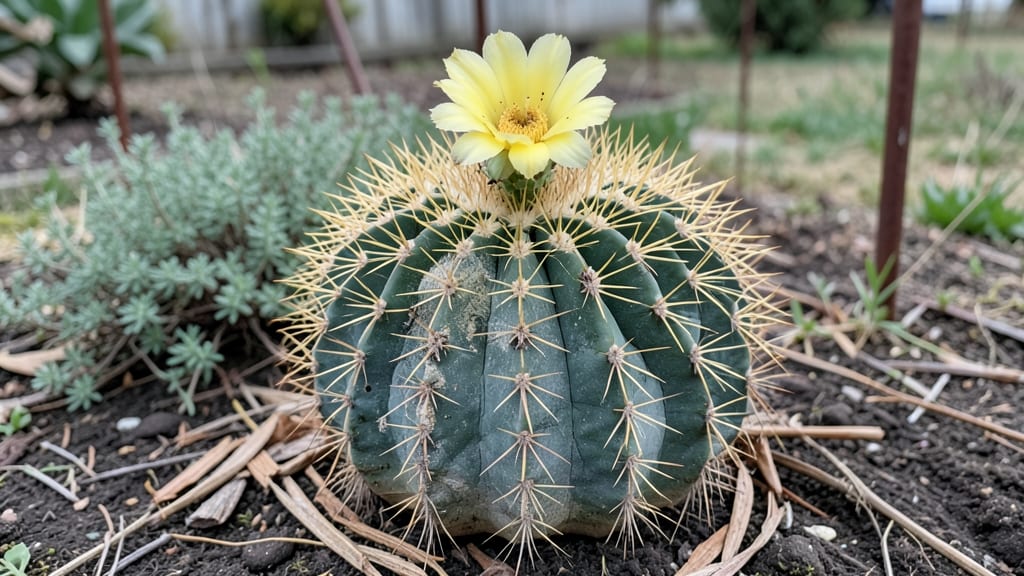
Nothing beats the shockingly cheerful sight of a yellow flowering cactus bursting into bloom—especially when you realize how easy they are to grow. 🌱 These desert stars thrive with almost no effort once you know their basic needs, and the payoff is weeks of vibrant color that outshines any other cactus variety.
Most yellow-blooming cacti, like the golden-barrel (Echinocactus grusonii) or the San Pedro cactus (Echinocereus dasyacanthus), love bright sunlight, well-draining soil, and water only when the soil is completely dry.
They reward patience with dramatic flowers that appear in spring or summer, depending on the species. The key is avoiding overwatering—this is where most beginners go wrong.
📚 In This Guide
- What you need
- Instructions
- Tips and common mistakes
- Wrapping up and next steps
What you need
- ● Yellow flowering cactus (e.g., Echinocereus dasyacanthus or Thelocactus bicolor) – 1-2 plants (check for healthy, plump stems and no signs of rot).
- ● Well-draining cactus/succulent soil mix – 1 bag (1-2 gallons). Pro tip: Mix with perlite or pumice (20-30%) for extra drainage!
- ● Pot with drainage holes – 1 (6-8 inches in diameter). Terracotta or ceramic works best.
- ● Gravel or pebbles – Small handful (for the pot’s bottom layer).
- ○ Gloves (optional but recommended) – Cactus spines can be sneaky! 😉
- ● Small trowel or spoon – For planting and soil adjustments.
- ● Watering can with a narrow spout – Prevents overwatering and soil displacement.
- ○ Sunlight gauge (optional) – Helps track light exposure if indoors.
- ● Fertilizer (balanced, diluted) – 1 bottle (use sparingly, 2-3x during growing season).
- ● Bright, indirect sunlight – At least 4-6 hours daily (south-facing window or grow light).
- ● Patience – Yellow blooms may take 1-3 years (or longer) to appear!
- ● Moderate humidity tolerance – These cacti thrive in dry conditions but avoid extreme drought.
Step-by-step instructions for cultivating vibrant yellow-blooming cacti
Here's how to coax those stunning yellow blooms from your prickly friends.
🪴 Step 1: Select the Right Container and Soil Mix
Choose a container with drainage holes—yellow flowering cactus roots despise soggy soil. I prefer terracotta pots because they breathe and prevent moisture buildup. The mix needs to be fast-draining: combine 50% cactus/succulent soil, 30% coarse sand, and 20% perlite. This blend mimics their arid native conditions and prevents root rot.
Fill the container halfway with your mix, then tap gently to settle. The reason we don't pack it down is that compacted soil blocks oxygen flow to roots. You'll see the perfect texture when it feels like damp sand between your fingers—not sticky, not dry.
☀️ Step 2: Position for Maximum Light Exposure
Yellow flowering cacti need full sun exposure—think 6-8 hours daily of direct light. A south-facing window works, but most homes don't provide enough intensity. I supplement with a full-spectrum LED grow light kept 12 inches away during winter months when sunlight weakens.
Watch for signs of insufficient light: stems stretch and become pale, and growth slows dramatically. If you notice leggy growth, move the plant closer to the light source immediately. The ideal spot is where the plant feels warm to the touch but never scorching.
💧 Step 3: Master the Watering Routine
This is where most beginners go wrong—overwatering kills yellow flowering cacti faster than anything. Water only when the soil feels completely dry to the touch, typically every 2-3 weeks in summer and every 4-6 weeks in winter. I use the "finger test": stick your index finger 2 inches deep into the soil—if it's dry, water thoroughly.
When watering, soak the soil until it drains freely from the bottom holes, then empty the saucer immediately. Yellow blooms signal the plant is thriving, but soggy roots will cause the stems to turn mushy and collapse. The key is patience—these plants store water in their stems, so they don't need frequent hydration.
⏰ Step 4: Trigger Blooming with Strategic Care
To encourage those vibrant yellow flowers, mimic their natural seasonal cycles. In late summer, reduce watering to every 4-6 weeks and stop fertilizing. This dormancy period mimics winter conditions and triggers blooming. Place the cactus in a cooler spot (55-65°F) with bright indirect light during this time.
Watch for the first signs of blooming: small buds will form along the stem's edges. This usually happens in late winter or early spring. Once buds appear, move the plant back to its sunny position and resume normal watering. The flowers will open within 2-3 weeks, and each bloom lasts about 5-7 days—so enjoy them while they last!
✂️ Step 5: Prune and Propagate for Long-Term Growth
After blooming, inspect the plant for any dead or damaged segments. Use sterilized pruning shears to cut these away at the base. The reason we sterilize tools is to prevent introducing pathogens that could rot the remaining plant. Healthy segments make ideal propagation material—simply let the cut ends dry for 3-5 days before placing them on fresh, dry soil.
Propagated cuttings root best in warm conditions (75-85°F) with bright indirect light. Keep the soil barely moist until new growth appears—typically within 4-6 weeks. This is how I've expanded my collection to four thriving plants over three years. Just remember: patience is key with cacti.
Tips & tricks for perfect yellow flowering cacti
I learned these tricks after watching three of my own cacti fail—don't make my mistakes.
Soil Texture Matters: When mixing your 50% cactus soil, 30% coarse sand, and 20% perlite, sift all components together to eliminate clumps. The goal is a texture that resembles damp sand—this ensures proper aeration and drainage. I find that pre-mixing everything in a large bowl and then gently fluffing with a fork works best. Compacted soil blocks oxygen flow to roots, which is why I always tap the container gently after filling it halfway.
Light Intensity Check: The 6-8 hours of daily direct light is non-negotiable for vibrant yellow blooms. If your south-facing window doesn't provide enough intensity, supplement with a full-spectrum LED grow light kept 12 inches away. I've found that placing the light on a timer for 12 hours daily mimics natural daylight cycles perfectly. Watch for leggy growth—this is your plant's way of saying "I need more light!"
Watering Precision: The finger test is your best friend. Stick your index finger 2 inches deep into the soil—if it feels completely dry, water thoroughly until it drains freely from the bottom holes. Empty the saucer immediately after watering to prevent root rot. I've ruined plants by leaving water in saucers, so I now use a small tray underneath my pots to catch excess water and dump it out after 10 minutes.
Blooming Trigger: To encourage those stunning yellow flowers, create a dormancy period in late summer by reducing watering to every 4-6 weeks and stopping fertilization. Place your cactus in a cooler spot (55-65°F) with bright indirect light. This mimics winter conditions and triggers blooming. Once you see small buds forming along the stem edges in late winter, move it back to its sunny position and resume normal watering. The flowers will open within 2-3 weeks—so enjoy them while they last!
Pro Tips for Yellow Flowering Cactus
- I learned these tricks after watching three of my own cacti fail—don't make my mistakes.
- Soil Texture Matters: When mixing your 50% cactus soil, 30% coarse sand, and 20% perlite, sift all components together to eliminate clumps.
- Light Intensity Check: The 6-8 hours of daily direct light is non-negotiable for vibrant yellow blooms.
Frequently asked questions
Got questions about your yellow flowering cactus?
Here are some of the most common ones—plus quick answers to keep your plant thriving with ease!
How often should I water my yellow flowering cactus?
Water your cactus only when the soil is completely dry—typically every 2-4 weeks in summer and once a month in winter. Overwatering is the #1 killer! Stick your finger 2 inches deep; if it’s dry, it’s time. Pro tip: Use a pot with drainage holes to prevent root rot.
Why isn’t my cactus flowering?
Yellow flowering cacti need 12+ hours of sunlight daily and a cool winter rest period (50–60°F for 6–8 weeks). Without this, blooms may skip a season. Place it near a south-facing window or under grow lights. Bonus: Fertilize lightly in spring with a succulent mix for extra blooms!
What pests should I watch for, and how do I treat them?
Common pests include mealybugs and scale insects. Wipe off pests with a damp cloth or spray with neem oil (mix 1 tsp per quart of water). For severe infestations, isolate the plant and repeat treatment every 3–5 days. Preventative tip: Inspect new plants before bringing them home!
Can I grow a yellow flowering cactus indoors?
Just ensure it gets bright, indirect light (a sunny windowsill works). Rotate the pot weekly for even growth. If blooms are sparse, supplement with a grow light 12–14 hours daily. Warning: Avoid cold drafts—keep temps above 50°F year-round.
How do I propagate my yellow flowering cactus?
Use stem cuttings in spring/summer. Let the cut end dry for 2–3 days, then place it on dry soil or perlite. Keep it in bright, indirect light and avoid watering for 1–2 weeks. Roots should form in 4–6 weeks! Pro move: Wait until the parent plant is mature (3+ years old) for best results.
Wrapping up and next steps
Growing a yellow flowering cactus is a rewarding journey that combines beauty with minimal effort—perfect for busy plant lovers! 🌵✨ With the right soil, light, and a little patience, you’ll soon be rewarded with vibrant blooms that brighten up any space.
Whether you’re a beginner or a seasoned gardener, these hardy plants prove that stunning results don’t require constant care.
Ready to turn your space into a desert oasis? Start small—pick your favorite variety, gather your supplies, and give it a try! Even if you’re new, these cacti thrive on neglect, so there’s no better time to dive in. Happy planting! 🌟