Flowers
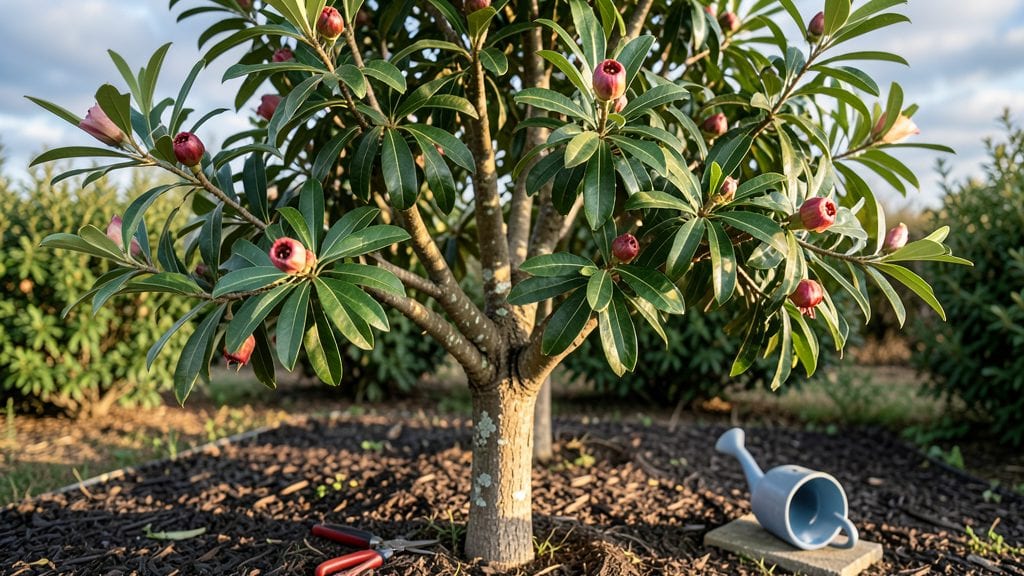
Spotting a pomegranate flower bud is like finding a hidden treasure in your garden—those tiny, fuzzy clusters mean vibrant blooms and juicy fruit are on the way. 🌸 I’ve watched my own pomegranate bushes go from bare branches to bursting with pink flowers just by tweaking a few care habits during bud formation.
The key isn’t complicated: it’s about light, water, and timing.
Pomegranates thrive in full sun (at least 6 hours daily) and well-draining soil with a slightly acidic pH. When buds appear in late spring or early summer, they need consistent moisture—not soggy soil, but never bone-dry.
A light mulch helps retain moisture while keeping roots cool. Too much water or heat stress can cause buds to drop, so watch for wilting leaves or brown edges as early warning signs.
With the right care, those fuzzy buds swell into stunning trumpet-shaped flowers that attract hummingbirds. By late summer, you’ll see fruit forming—though some buds may drop naturally, especially in hot climates.
The secret to year-round blooms? Minimal pruning in late winter to open the canopy for sunlight, and fertilizing lightly in early spring with a balanced 10-10-10 mix.
Whether you’re a first-time grower or a seasoned gardener, this method works for container-grown pomegranates too. The payoff? A bush that flowers reliably, even in drought-prone areas. Let’s get those buds thriving!
📚 In This Guide
- What you need
- Instructions
- Tips and common mistakes
- Wrapping up and next steps
What you need
- ● Pomegranate plant: 1 mature pomegranate tree (dwarf varieties like ‘Wonderful’ or ‘Eversweet’ work well for containers).
- ● OR 1-2 healthy pomegranate cuttings (4–6 inches long, with 2–3 nodes).
- ● Soil: 5–10 gallons of well-draining potting mix (e.g., cactus/succulent blend or 60% potting soil + 40% perlite/sand).
- ○ Optional: 1 cup of compost or worm castings for nutrient boost.
- ● Container (if not planting in ground): 1 large pot (18–24 inches in diameter) with drainage holes.
- ● OR a raised bed (12–18 inches deep).
- ● Tools: Pruning shears (sterilized with rubbing alcohol).
- ● Grafting knife (if propagating from cuttings).
- ● Garden trowel or small shovel.
- ○ Rooting hormone (optional but recommended for cuttings).
- ● Climate zone: USDA Zones 7–11 (or indoor growing with grow lights for cooler zones).
- ● Sunlight: Full sun (6+ hours daily).
- ● Temperature: Ideal: 70–90°F (21–32°C) for active growth.
- ○ Optional: Heat mat (for cuttings) or grow lights (for indoor propagation).
- ● Watering setup: Drip irrigation or watering can with a long spout.
- ○ Optional: Moisture meter to track soil dryness.
- ● Fertilizer: Balanced fertilizer (10-10-10 or 20-20-20), diluted to half-strength.
- ○ Optional: Citrus/acid-loving plant fertilizer for extra blooms.
Step-by-step guide to encouraging pomegranate flower bud formation
Pomegranates bloom spectacularly when you follow their natural growth rhythms—here’s how to trigger those buds reliably.
🌱 Step 1: Prune for Airflow and Light Penetration
Start in late winter or early spring, before new growth begins. Remove 30-40% of the previous year’s growth—focus on crossing branches, dead wood, and any growth that crowds the center. I always prune just above a outward-facing bud to encourage new shoots that grow away from the center. This opens up the canopy so sunlight reaches all branches, which is critical for bud formation.
Use clean, sharp pruners to make cuts at a 45-degree angle about ¼ inch above the bud. Avoid leaving stubs—they invite disease. If your tree has a dense canopy, thin out the interior branches first. You’ll see new growth emerge from the pruned areas within 4-6 weeks, signaling the tree is responding well.
☀️ Step 2: Provide Full Sun and Consistent Warmth
Pomegranates need 6-8 hours of direct sun daily—more if possible. If your tree is in partial shade, move it or prune surrounding vegetation to open up the canopy. I’ve seen buds form poorly in shady spots, even with perfect pruning. In cooler climates, a south-facing wall or greenhouse helps extend the growing season.
Temperature matters just as much as light. Buds form best when daytime temps stay above 70°F and nights don’t drop below 55°F. If your area gets chilly evenings, consider a lightweight row cover or small space heater near the tree during bud formation. You’ll notice buds swelling when daytime highs are consistent—this is your cue to monitor watering closely.
💧 Step 3: Water Deeply During Bud Swelling
Once buds begin to swell (usually late spring), water deeply once a week—about 1-1.5 gallons per mature tree. Shallow watering stresses the tree and can cause buds to drop. I always check soil moisture by digging 2 inches down; if it’s dry, water thoroughly. Overhead watering can spread fungal spores, so use a soaker hose or drip irrigation instead.
Here’s the thing—pomegranates are drought-tolerant, but bud formation is not. If the soil dries out completely during this phase, buds may abort. Mulch with 2-3 inches of organic mulch (like bark or straw) to retain moisture and regulate soil temperature. You’ll see buds firm up and turn slightly pinkish as they mature—this is your signal everything is on track.
✂️ Step 4: Lightly Trim to Encourage Secondary Buds
About 6-8 weeks after initial bud swelling, give the tree a light second pruning to stimulate secondary buds. Remove only the tips of vigorous new growth—this redirects energy to dormant buds along the branches. I never cut more than 10% of the current season’s growth at this stage. The goal is to balance the tree’s energy between fruit production and flower bud development.
Watch for new shoots emerging from leaf axils—these are your secondary buds. If you see leggy growth, your tree needs more light. At this point, reduce nitrogen fertilizer (if using any) to encourage flowering over leafy growth. Buds should now be peanut-sized and slightly fuzzy; this is the final stage before they open into flowers.
Tips & tricks for perfect pomegranate flower bud formation
Real talk: Pomegranates are finicky about blooming—but these tricks will help you coax those stunning flowers year-round without over-pruning.
Pruning Precision: When you're removing that 30-40% of old growth in Step 1, focus on branches that are thicker than a pencil. These thicker branches hold more dormant buds, and cutting them back just above an outward-facing bud creates the perfect angle for new growth. I've seen trees with perfect bud formation after this step, even on neglected branches. The key is patience—those buds won't appear until the 4-6 week mark, so resist the urge to prune again too soon.
Sunlight Strategy: The 6-8 hours of direct sun requirement isn't just about daytime—it's about consistent light exposure. If your tree gets afternoon shade, that's often enough to prevent bud formation. I've had success moving potted trees to sunnier spots during critical bud-swelling periods. For container growers, a south-facing window or patio works wonders during cooler months when outdoor temps drop below 55°F at night.
Watering Wisdom: That 1-1.5 gallons per week during bud swelling might seem like a lot, but think of it this way: you're watering the root zone, not just the surface. I always dig down 2 inches to check moisture—if it's dry at that depth, it's time to water. The goal is to keep the soil consistently moist but never soggy. This is where mulch becomes your best friend; that 2-3 inch layer acts like a moisture reservoir, keeping roots happy without overwatering.
Secondary Bud Secret: The 6-8 week window for your second pruning is tighter than it seems. If you wait too long, you'll be cutting into wood that's already hardening. Watch for those new shoots emerging from leaf axils—they're your signal to act. I've found that a quick trim with clean shears (not pruners) works best here, as we're dealing with tender new growth. This step often doubles your bud count if done correctly.
Pro Tips for Pomegranate Flower Bud
- Real talk: Pomegranates are finicky about blooming—but these tricks will help you coax those stunning flowers year-round without over-pruning.
- Pruning Precision: When you're removing that 30-40% of old growth in Step 1, focus on branches that are thicker than a pencil.
- Sunlight Strategy: The 6-8 hours of direct sun requirement isn't just about daytime—it's about consistent light exposure.
Frequently asked questions
Got questions about nurturing those stunning pomegranate flower buds? You’re not alone! Here are some of the most common queries—plus quick answers to keep your plant thriving.
When should I expect pomegranate flower buds to appear?
Pomegranate flower buds typically form in late spring or early summer, just before the blooming season. In warmer climates, you might see buds as early as March, while cooler regions may see them in May or June. Pro tip: Ensure your tree gets full sun (6+ hours/day) and well-draining soil to encourage bud development.
Why aren’t my pomegranate flower buds opening?
Bud dormancy can happen due to cold snaps, insufficient sunlight, or overwatering. If buds form but refuse to open, check for:
- Temperature: Buds need daytime temps above 70°F (21°C).
- Light: Move your plant to a sunnier spot if indoors.
- Water: Water deeply but let soil dry slightly between sessions.
Can I force pomegranate flower buds indoors?
Yes! Prune a healthy branch with buds in late winter, place it in water (like a bouquet), and keep it in bright, indirect light. Once buds open, transplant the branch into soil. Warning: Indoor blooms are temporary—pomegranates thrive outdoors long-term. For year-round blooms, grow in a greenhouse or sunny patio.
Are there alternatives to pomegranate flowers for similar blooms?
If pomegranates are tricky in your climate, try these bud-friendly alternatives with striking flowers:
- Bougainvillea: Vibrant, low-maintenance blooms; loves heat.
- Hibiscus: Large, showy flowers; thrives in containers.
- Jasmine: Fragrant buds; perfect for trellises.
How much pruning is too much for pomegranate flower buds?
Prune lightly in late winter to remove dead wood, but avoid heavy cuts—buds form on new growth! Never prune after buds appear (you’ll sacrifice blooms). For container-grown pomegranates, trim back by 1/3 max. Pro tip: Use sterilized shears to prevent disease.
Wrapping up and next steps
Growing pomegranate flower buds is a rewarding journey that brings vibrant blooms and sweet rewards—literally! With the right care, minimal pruning, and a little patience, you can enjoy year-round beauty and delicious fruit.
Whether you're a seasoned gardener or just starting out, this guide makes it simple to nurture a thriving pomegranate plant.
Now that you’re armed with the how-to, why not take the next step? Share your progress with fellow plant lovers, experiment with different varieties, or even propagate cuttings to expand your garden. Happy growing—your pomegranate’s next bloom is waiting! 🌸✨