
Flowers
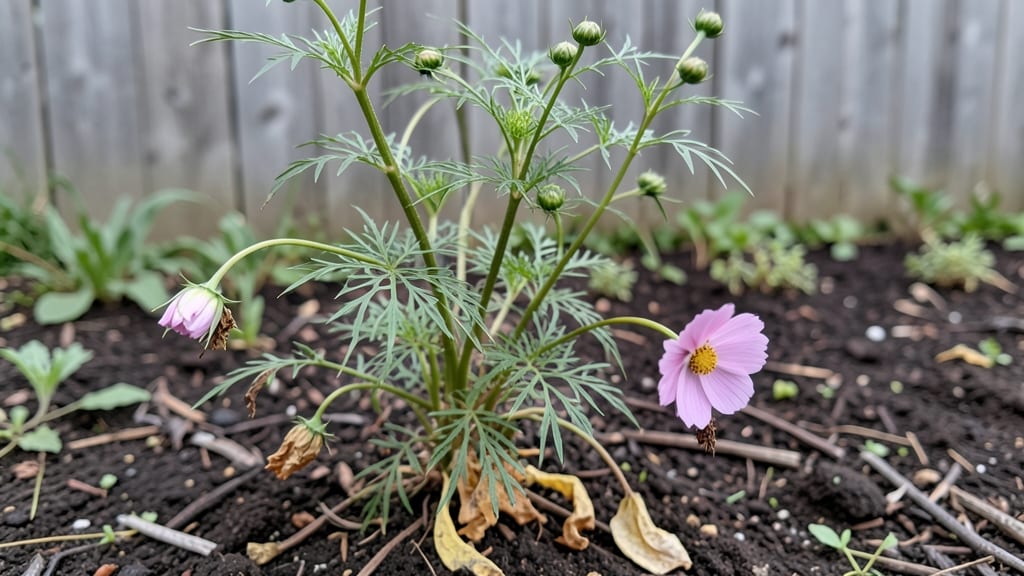
Wind-blown flowers turn gardens into living poetry, where every breeze tells a story. 🌿 The Pacific Northwest’s misty winds are perfect for creating meadows that dance instead of stand still—imagine poppies swaying like golden ribbons or grasses whispering secrets to the sky.
This isn’t just gardening; it’s crafting a landscape that moves with the weather, softening edges and inviting wildlife into the scene.
The secret lies in choosing the right plants—tall grasses like feather reed grass, airy poppies, or willow branches that bend effortlessly. These varieties thrive in coastal climates, where salt spray and steady breezes shape their growth.
Pair them with wildflowers that lean naturally, like lupines or black-eyed Susans, and suddenly, your garden feels alive with motion. No fancy pruning required—just let nature take the lead.
What you’ll end up with is a garden that shifts with the wind, catching sunlight in different ways all day. The movement creates a soothing rhythm, perfect for relaxing afternoons or morning coffee on the porch.
It’s not about perfection—it’s about the dreamy, untamed beauty that makes you want to linger outside a little longer.
This style works everywhere from coastal backyards to inland meadows, as long as you embrace the flow. Start small with a single wind-blown corner, then expand as you fall in love with the magic of a garden that breathes with the breeze.
📚 In This Guide
- What you need
- Instructions
- Tips and common mistakes
- Wrapping up and next steps
What you need
- ● Fresh or dried flowers: Pacific Northwest natives like Lupine, Yarrow, Sword Fern, or Oregon Grape (3-5 stems per type)
- ● Lightweight blooms (e.g., Baby’s Breath, Statice, or Daisies) for volume (10-15 stems)
- ● Floral wire or fishing line: 10-15 feet (for securing stems)
- ● Scissors or floral shears: Sharp pair for clean cuts
- ● Bucket or vase: Large enough to hold stems (1-2 gallons)
- ● Water: Fresh and clean (if using fresh flowers)
- ● Floral foam: For added support in arrangements
- ● Hot glue gun & glue sticks: For securing tricky stems
- ● Spray bottle with water: To mist dried flowers for a fresh look
- ● Natural twine or raffia: For wrapping stems (2-3 feet)
- ● Fan or hairdryer (cool setting): To mimic wind for a "blown" effect
- ● Small weights (e.g., pebbles or beads): To anchor stems in place
How to create a Pacific Northwest-inspired wind blown flower meadow
Here's how to craft a living, swaying meadow that thrives in coastal breezes.
🌱 Step 1: Choose the Right Native Species for Your Site
Start with Pacific Northwest natives like sword fern, yarrow, checkermallow, and Pacific coast iris—they're bred to handle wind, salt spray, and occasional coastal storms. I always check USDA hardiness zones (6-9 for most coastal PNW plants) and select varieties that match your specific microclimate—some meadow edges get harsher winds than sheltered spots.
Mix tall grasses (like California wild rye) with mid-height perennials (like beach strawberry) and low ground covers (like creeping thyme). This creates natural layers that prevent erosion and mimic true meadow ecosystems. Avoid anything with weak stems—wind will flatten it within weeks.
🪴 Step 2: Prepare the Soil with Organic Matter
Test your soil first—coastal areas often have sandy, acidic, or salty topsoil that drains too fast. Amend with 2-3 inches of compost and 1 inch of coconut coir to improve water retention without compacting. I spread a thin layer of peat moss in especially windy areas to help retain moisture.
Rake the area smooth but don't overwork the soil—native plants prefer loose, undisturbed earth. Scatter seeds lightly (they need light to germinate) and press them just enough to make contact with the soil. A gentle misting with a rainwater spray bottle ensures even moisture without washing seeds away.
☀️ Step 3: Plant in Staggered Rows for Wind Resistance
Instead of planting in uniform rows, use natural groupings—clusters of 3-5 plants spaced 12-18 inches apart create windbreaks for themselves. Tall plants go back, mid-height in the middle, and low growers front. This mimics how wildflowers establish in nature.
Water deeply once a week for the first month, then taper to every 10-14 days once roots establish. You'll know it's working when you see new growth appearing within 3-4 weeks—even in windy conditions. If leaves curl or yellow, that's normal stress; don't overwater.
✂️ Step 4: Maintain with Minimal Intervention
Let the plants grow tall and wild—that's the whole point! Cut back brown stems in late winter (before new growth starts) and remove only the dead material. Never trim more than ⅓ of the plant at once, or you'll shock the roots.
Add a light mulch of straw (not wood chips—they can compact) in early spring to protect new shoots. Watch for pests like slugs in damp coastal areas—handpick them at dusk when they're most active. The more you interfere, the less "wind-blown" your meadow will look.
⏰ Step 5: Enjoy the Movement and Seasonal Changes
Step back and watch the flowers sway in the breeze—that's the magic. In late summer, you'll see wildlife (bees, butterflies, hummingbirds) drawn to the nectar. Let some seedheads remain over winter for birds to enjoy.
This isn't a manicured garden—it's a living, breathing ecosystem. The real beauty comes when you stop controlling and start observing. That first year might look sparse, but by year two, it'll be a thriving, whispering meadow that moves with the wind.
Tips & tricks for perfect wind blown flowers
A few subtle adjustments can transform your coastal meadow from ordinary to breathtakingly alive. Here's what I've learned after watching my own gardens sway through Pacific Northwest storms.
Species Selection Matters: When choosing your Pacific Northwest natives like sword fern or checkermallow, look for local varieties from native plant nurseries rather than big-box stores. These plants have adapted to your specific microclimate—whether it's salt spray from Puget Sound or the drier winds of the Willamette Valley. I always ask nursery staff which varieties thrive in exposed coastal sites versus sheltered inland spots. The difference in wind resistance is noticeable within weeks.
Soil Prep Secret: The 2-3 inches of compost and 1 inch of coconut coir in Step 2 aren't just about nutrients—they create the perfect balance of water retention and drainage that coastal plants crave. For extra insurance in windy areas, mix in a handful of perlite (about 10% of your soil volume) to prevent compaction from heavy rains. I've seen meadows fail in their first winter because the soil became too dense and waterlogged.
Planting Layout Hack: The staggered clusters of 3-5 plants in Step 3 create natural windbreaks that protect each other. Here's my pro move: plant the tallest plants first in your clusters, then fill in the gaps with mid-height and low growers. This creates instant wind protection for new seedlings. I've found that adding one extra plant per cluster (so 4 instead of 3) gives even better coverage against gusts.
Watering Wisdom: That first month of weekly watering in Step 3 is critical, but timing matters just as much. Water in the early morning so leaves have time to dry before evening winds pick up. This prevents fungal issues that can weaken young plants. I set a reminder for 6 AM watering—it makes all the difference in coastal climates where humidity lingers.
Pro Tips for Wind Blown Flowers
- A few subtle adjustments can transform your coastal meadow from ordinary to breathtakingly alive.
- Species Selection Matters: When choosing your Pacific Northwest natives like sword fern or checkermallow, look for local varieties from native plant nurseries rather than big-box stores.
- Soil Prep Secret: The 2-3 inches of compost and 1 inch of coconut coir in Step 2 aren't just about nutrients—they create the perfect balance of water retention and drainage that coastal plants crave.
Frequently asked questions
about wind-blown flowers in the Pacific Northwest’s meadows—here’s what you need to know!Why do wind-blown flowers look so wild and untamed?
Wind-blown flowers thrive in the PNW’s breezy climate, where gusts naturally bend their stems and scatter petals. This wild, organic look isn’t accidental—it’s part of their survival strategy! Many native species, like Lupinus (lupines) or Achillea (yarrow), have flexible stems designed to sway without breaking. Embrace the chaos—it’s what makes them so enchanting!
When is the best time to visit wind-blown flower meadows?
The PNW’s meadows burst with color from late spring to early fall, but timing varies by species:
- Spring (April–June): Wildflowers like Camassia (camas) and Eschscholzia (California poppies) bloom early.
- Summer (June–August): Peak season for lupines, paintbrush (Castilleja), and goldenrod.
- Fall (September–October): Late bloomers like asters and sedums add golden hues.
Morning visits often yield the freshest, most vibrant displays before the wind picks up!
Can I grow wind-blown flowers at home, or are they wild-only?
Many PNW wind-blown flowers are easy to cultivate in gardens! Start with drought-tolerant natives like:
- Lupinus (lupines) – Thrives in poor soil and full sun.
- Achillea (yarrow) – Drought-resistant and deer-resistant.
- Grindelia (gumweed) – Adds texture and attracts pollinators.
Plant them in well-draining soil and mimic their natural conditions—they’ll flop beautifully in the breeze!
Are there any flowers I should avoid touching or picking?
Some meadow flowers are protected or toxic. Skip:
- Conium maculatum (poison hemlock) – Deadly if ingested (avoid entirely!).
- Delphinium (larkspur) – Beautiful but can irritate skin if handled roughly.
- Endangered species like Triteleia hyacinthina (PNW triteleia) – Leave them be!
When in doubt, admire from afar and follow local guidelines—many meadows are conserved for wildlife.
How can I preserve wind-blown flowers for bouquets or crafts?
Wind-blown stems are delicate—handle them gently!
- For drying: Hang upside-down in a dark, dry place for 1–2 weeks. Use brown paper bags to trap moisture.
- For bouquets: Trim stems at an angle and place in water immediately. Add a flower food packet to extend freshness.
- For crafts: Press flowers between heavy books for 2–4 weeks, or use silica gel for faster results.
Pro tip: Collect flowers early in the morning when they’re hydrated and sturdy!
Wrapping up and next steps
Wind-blown flowers in the Pacific Northwest aren’t just a fleeting sight—they’re a living testament to resilience and beauty. From delicate lupines swaying in the breeze to vibrant columbines dancing across meadows, these wild blooms remind us to pause and appreciate nature’s artistry.
Whether you’re a gardener, a nature lover, or simply someone who finds joy in fleeting moments, there’s always a new meadow to explore or a new way to celebrate these ephemeral wonders.
🌸 Next steps:
- Plan a visit to a local wildflower preserve—pack a sketchbook or camera to capture the magic!
- Try growing a few native species in your own garden to invite wind-blown charm home.
- Share your favorite wind-blown blooms with fellow plant enthusiasts—inspiration spreads like pollen! 🌿