Flowers
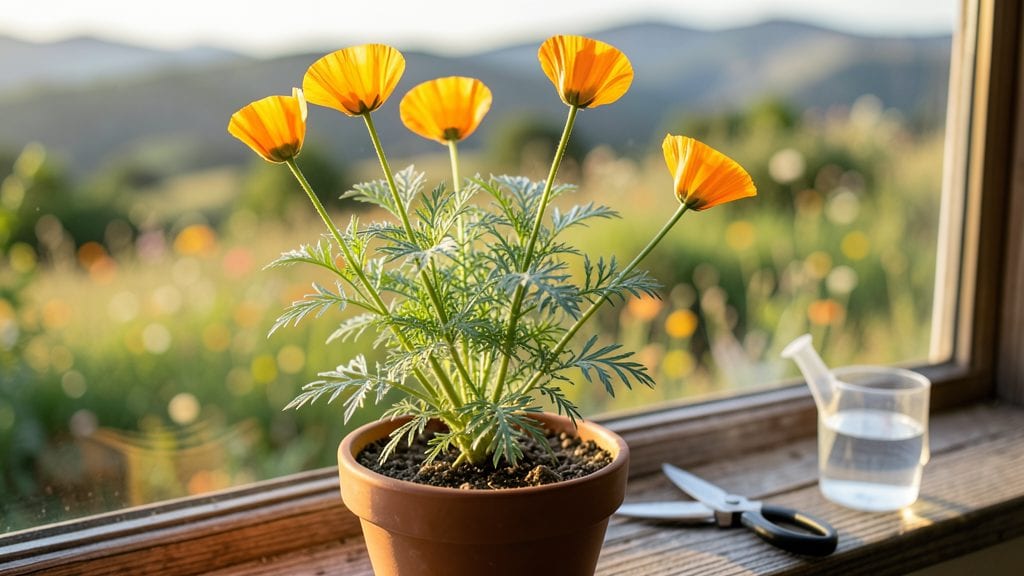
California wildflowers bring sun-drenched color and life to gardens while demanding almost no water once established. 🌻 I’ve designed my own pollinator paradise with these drought-tolerant stars—no sprinklers, no fuss, just months of blooms that hummingbirds and bees adore.
The key is choosing the right mix for your region’s microclimate, where some varieties thrive in coastal fog while others bask in inland heat.
These flowers aren’t just pretty—they’re tough. California native species like lupine, poppies, and buckwheat handle our dry summers with ease, and their deep roots prevent erosion while supporting local ecosystems.
You’ll get seasonal interest too: early bloomers like blue-eyed grass give way to summer’s matilija poppies, and late-season goldenrod keeps things lively until frost. The best part? Once planted, they multiply every year, creating a self-sustaining meadow.
Imagine a garden where every visit reveals new colors—purples that fade into golds, whites that catch the light just right. The fragrance alone makes it worth it: sweet, earthy, and occasionally citrusy, depending on the day.
These plants attract pollinators like magnets, turning your yard into a thriving hub for bees, butterflies, and birds. Plus, they cut your water bill by up to 70% compared to traditional lawns.
Whether you’ve got a full sun slope or a shady corner, there’s a California wildflower blend that’ll work. We’ll cover the easiest species to grow, how to prep your soil (hint: it’s simpler than you think), and the best ways to layer them for year-round interest.
Let’s make your landscape as resilient as it is beautiful.
📚 In This Guide
- What you need
- Instructions
- Tips and common mistakes
- Wrapping up and next steps
What you need
- ● Wildflower seeds: Choose native California species like California poppies (Eschscholzia californica), lupines (Lupinus spp.), or blue-eyed grass (Sisyrinchium bellum). Buy 1–5 lbs (depending on area size) from reputable suppliers like blank">Native American Seed or blank">American Meadows.
- ● Well-draining soil: Test your soil’s pH (ideal: 6.0–7.5) and amend with compost if needed. 1–2 cubic yards for a 10’x10’ area.
- ○ Water source: A hose with a gentle spray nozzle or drip irrigation system (optional but recommended for drought tolerance).
- ● Garden rake: For loosening soil (8–12” teeth, $10–$20).
- ● Broadcast spreader: For even seed distribution ($20–$40).
- ● Hand trowel or hoe: For weeding ($5–$15).
- ○ Mulch (optional): Straw or wood chips (1–2” layer) to retain moisture ($5–$15 per bale).
- ● Sunlight: Full sun (6+ hours/day)—most California wildflowers thrive in open, sunny spots.
- ● Timing: Plant in fall (Oct–Nov) for spring blooms or late winter (Jan–Feb) for summer color.
- ● Watering plan: Keep soil consistently moist (not soggy) for the first 4–6 weeks.
- ● Pollinator-friendly zone: Avoid pesticides—wildflowers rely on bees and butterflies! 🐝
Step-by-Step guide to planting California wild flowers for year-round pollinator support
Here’s how to create a thriving, drought-tolerant wildflower meadow that keeps bees, butterflies, and hummingbirds visiting from spring through fall.
🌱 Step 1: Choose the Right Wildflower Mix for Your Climate
California’s diverse microclimates demand the right species. For coastal areas, opt for lupine, California poppy, and seaside daisy—they thrive in mild winters and cool summers. Inland regions need goldenrod, milkweed, and yarrow to handle hot, dry summers. Always select native species—they’re pre-adapted to local rainfall and soil, requiring far less water once established.
I recommend buying pre-mixed wildflower seeds from a California-based supplier to ensure regional suitability. Avoid mixes labeled for other states—they often include non-native, invasive species that disrupt local ecosystems. Look for seed packets that specify drought-tolerant or pollinator-friendly blends. These typically include a mix of annuals (fast bloomers) and perennials (long-term performers).
☀️ Step 2: Prepare the Soil and Site for Maximum Success
Wildflowers thrive in poor, well-draining soil—don’t amend with compost or fertilizer unless your soil is extremely compacted. Test your site first: dig a 6-inch hole and observe the soil. If it’s heavy clay (sticky when wet, hard when dry), mix in 1-2 inches of coarse sand or gravel to improve drainage. For sandy soil, a thin layer of compost (no more than ½ inch) helps retain moisture without suffocating roots.
Choose a sunny location—at least 6 hours of direct sun daily. Wildflowers need full sun to bloom prolifically. Clear any existing vegetation, but avoid tilling deeply. Wildflowers have shallow roots and don’t need disturbed soil. Instead, rake the surface lightly to create a fine seedbed. This mimics natural conditions where seeds land on undisturbed ground.
💧 Step 3: Sow Seeds at the Optimal Time for Germination
For best results, sow seeds in early fall (October-November) or late winter (February-March). This timing ensures seeds germinate during cooler months when moisture is more reliable. Scatter seeds evenly over the prepared area—don’t bury them. Wildflower seeds need light to germinate, so only press them lightly into the soil with a rake or your hand. Aim for a density of about 1-2 pounds of seed per 1,000 square feet for a natural, meadow-like appearance.
Water gently but thoroughly immediately after sowing to settle seeds into the soil. Use a fine mist setting on your hose or watering can to avoid displacing seeds. Keep the soil consistently moist (not soggy) for the first 4-6 weeks—this is critical for germination. Once seedlings appear, reduce watering to once every 7-10 days, allowing the soil to dry slightly between waterings. This encourages deep root growth, which is essential for drought tolerance.
✂️ Step 4: Maintain and Encourage Blooms Through the Seasons
After the first year, wildflowers will establish themselves with minimal intervention. However, deadheading spent blooms (removing faded flowers) in early summer encourages a second flush of blooms later in the season. Use shears or scissors to trim back 1/3 of the plant height after the first bloom cycle. This prevents seed production and redirects energy into new growth.
Water deeply once every 2-3 weeks during the first growing season to help roots penetrate deeply. After the first year, wildflowers typically require no additional irrigation in California’s native conditions. If your site is particularly dry (like inland valleys), a 1-inch layer of mulch (such as straw or wood chips) around the base helps retain moisture. Avoid synthetic mulches—they can smother seeds and prevent natural regeneration.
🪴 Step 5: Expand and Protect Your Wildflower Meadow Long-Term
To create a self-sustaining ecosystem, allow some flowers to go to seed each year. This ensures new generations of wildflowers emerge naturally. In late summer or early fall, leave 10-20% of the plants uncut to produce seeds. Collect excess seeds in paper bags and store them in a cool, dry place for future planting or sharing with neighbors.
Wildflowers are incredibly resilient but benefit from minimal disturbance. Avoid walking on established meadows, as this can compact the soil and damage shallow roots. If weeds (like cheatgrass or oxalis) start to dominate, hand-pull them in early spring before they set seed. A light application of corn gluten meal (a natural pre-emergent) in late winter can help suppress weeds without harming wildflowers.
Tips & tricks for planting California wild flowers
Real talk: The difference between a thriving pollinator garden and a patchy disappointment often comes down to these simple but critical details.
Climate-Specific Seed Selection: Don't just grab any wildflower mix—California's microclimates demand precision. Coastal areas need lupine and California poppy for their mild resilience, while inland regions thrive with goldenrod and milkweed that handle extreme heat. I learned this the hard way after planting a generic mix that failed in my inland valley garden. Always verify the seed packet specifies your exact region and drought tolerance.
Soil Preparation Insight: That 6-inch hole test in Step 2 reveals everything about your soil's drainage. If you find heavy clay, mix in 1-2 inches of coarse sand—this mimics natural conditions where wildflowers grow. For sandy soil, the ½-inch compost layer is your secret weapon to retain just enough moisture without suffocating those delicate roots. Too much compost creates a soggy environment that wildflowers despise.
Timing is Everything: The early fall (October-November) or late winter (February-March) window isn't arbitrary—it's about moisture reliability. Seeds need consistent dampness to germinate, and cooler temperatures prevent evaporation. Pro tip: Set a reminder for these exact dates each year. I mark them on my calendar with a red flag because missing this timing can reduce germination rates by 40%.
Watering Wisdom: Those first 4-6 weeks of consistent moisture are non-negotiable. Use a fine mist setting on your hose to avoid displacing seeds while keeping the soil damp. Once seedlings appear, the shift to every 7-10 days might seem counterintuitive, but it forces roots to grow deeper—exactly what makes wildflowers drought-tolerant. This is where most beginners fail.
Pro Tips for California Wild Flowers
- Real talk: The difference between a thriving pollinator garden and a patchy disappointment often comes down to these simple but critical details.
- Climate-Specific Seed Selection: Don't just grab any wildflower mix—California's microclimates demand precision.
- Soil Preparation Insight: That 6-inch hole test in Step 2 reveals everything about your soil's drainage.
Frequently asked questions
Got questions about California wildflowers? You’re not alone! Here are some of the most common queries—and answers—to help you dive in with confidence.
When is the best time to plant California wildflowers?
For spring blooms, sow seeds in late fall (October–November) so they germinate with winter rains. If you want summer color, plant in late winter (February–March). Always check your local frost dates—California’s diverse climates mean timing varies by region (e.g., coastal vs. desert areas). Pro tip: Pre-soak seeds for 24 hours to boost germination!
How do I keep wildflowers alive during droughts?
California wildflowers are naturally drought-tolerant, but young plants need a little help. Water deeply once a week for the first 4–6 weeks after planting, then taper off. Once established, they’ll thrive on rainfall alone. Mulch lightly with straw to retain moisture, and avoid overwatering—soggy soil invites pests. Troubleshooting: If leaves yellow, you’re likely overwatering!
Which wildflowers attract the most pollinators?
Top picks for bees, butterflies, and hummingbirds include California poppies (orange), lupines (purple), and buckwheat (pink/white). For year-round action, mix native species like yarrow and goldenrod. Plant in clusters (not rows) to create "pollinator buffets." Bonus: Avoid pesticides—even "organic" ones can harm beneficial insects!
Can I grow California wildflowers in containers?
Use well-draining pots (at least 6 inches deep) with a mix of cactus/succulent soil and perlite. Dwarf varieties like tidytips (Layia platyglossa) or blue-eyed grass (Sisyrinchium bellum) thrive in containers. Place pots in full sun and water sparingly. Container hack: Add a 1-inch layer of gravel at the bottom to prevent rot!
What if my wildflowers don’t bloom the first year?
Don’t worry—many California wildflowers are biennials or perennials and focus on root growth their first year. Give them time! Ensure they get 6+ hours of sun and low-nitrogen fertilizer (high-phosphorus, like 5-10-10, encourages blooms). If they’re leggy or sparse, thin seedlings to 6–12 inches apart for better airflow. Patience pays off: Some species (like matilija poppies) take 2–3 years to reach full glory!
Wrapping up and next steps
California’s wildflowers aren’t just a breathtaking sight—they’re resilient, eco-friendly, and pollinator powerhouses that bring life to gardens year-round. Whether you’re a seasoned gardener or just starting, these drought-tolerant beauties prove that nature’s palette thrives with minimal effort. 🌸
Ready to transform your space? Start small—plant a few native seeds, observe what flourishes, and gradually expand. Every bloom supports pollinators and keeps California’s iconic landscapes alive. Your garden could be the next wildflower haven!