
Flowers
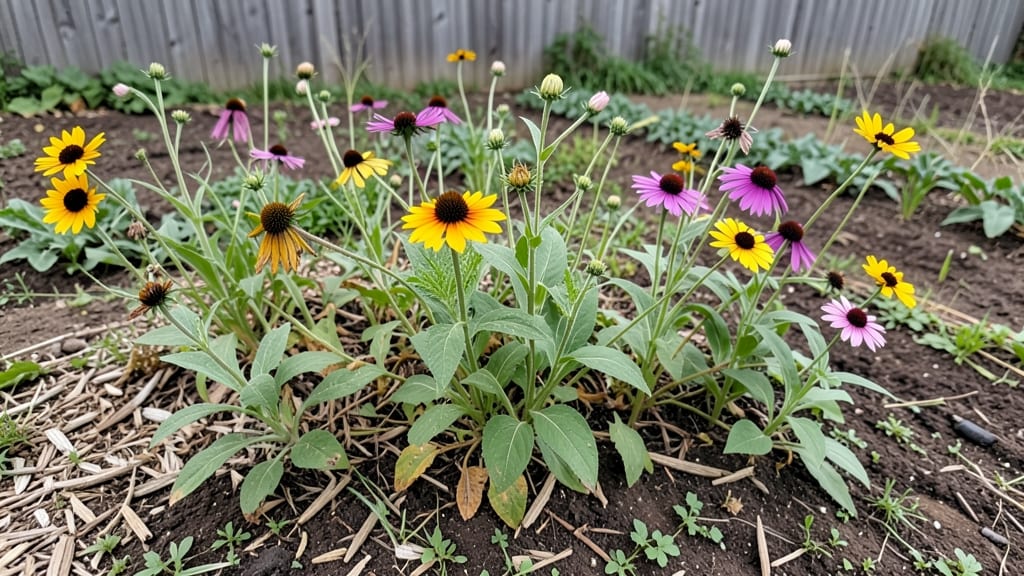
My Pacific Northwest-tested wildflower perennial mix is the secret weapon for gardens that thrive with minimal fuss while supporting bees, butterflies, and birds. 🌸 Last summer, I scattered a handful of these seeds along my garden’s edge and watched them transform a patch of weeds into a buzzing, colorful meadow within months.
What makes this mix special? It’s packed with native perennials like yarrow, lupine, and checkermallow—plants that handle our rainy winters and hot summers without complaint. They bloom from early spring through fall, giving pollinators a never-ending buffet while keeping your garden lively year-round.
Plus, they’re tough enough to outlast most annuals, so you won’t be replanting every year.
Imagine borders that hum with activity, containers that spill over with delicate blooms, or even a low-maintenance meadow where kids can pick flowers for hours. These wildflowers do the work for you—they suppress weeds, improve soil, and attract wildlife—while adding effortless beauty to any space.
Ready to let nature take the lead?
Whether you’re revamping a sunny border, filling a container, or dreaming of a pollinator paradise, this mix adapts to almost any spot. The best part? Once established, they’re nearly self-sufficient, leaving you more time to enjoy the show than to tend the garden.
📚 In This Guide
- What you need
- Instructions
- Tips and common mistakes
- Wrapping up and next steps
What you need
- ● Wildflowers Perennial Mix: 1–2 lbs (or ~2–4 oz per 10 sq ft) of seeds, tailored for your region (e.g., Pacific Northwest blends with Lupine, Yarrow, and Checker Mallow).
- ● Preparation Tools: Garden hoe or tiller (for breaking up compacted soil)
- ● Rake (to smooth and level the area)
- ● Garden gloves (to protect your hands)
- ● Soil Amendments (if needed): Compost (1–2 inches mixed into topsoil for nutrients)
- ● Sand or grit (for drainage in heavy clay soils)
- ● Watering Supplies: Hose with a gentle spray nozzle or watering can
- ○ Drip irrigation kit (optional but ideal for consistent moisture)
- ● Seed spreader (for even coverage on larger areas)
- ● Straw or mulch (to retain moisture and deter weeds)
- ● Soil test kit (to check pH—wildflowers prefer slightly acidic to neutral soil, ~6.0–7.0)
- ● Birdseed or wildflower attractant (to draw pollinators early!)
How to plant a Pacific Northwest wildflower perennial mix for lasting beauty
This resilient blend thrives in our wet, mild climate—here’s how to get it growing strong.
🌱 Step 1: Choose and Prepare Your Planting Site
Wildflowers love full sun but adapt well to partial shade in the Pacific Northwest. Pick a spot with at least 6 hours of sunlight daily—evenings count, too. Clear away weeds and debris first; wildflowers compete poorly with aggressive grasses.
Loosen the soil to a depth of 4-6 inches with a garden fork or tiller. If your soil is heavy clay (common in PNW), mix in 2-3 inches of compost to improve drainage. Test moisture—wildflowers hate soggy roots but need consistent moisture to establish.
Here’s the thing—don’t overthink soil amendments. These perennials are tough. A light raking and a sprinkle of compost where you’ll sow is plenty. Overworking the soil can actually bring up weed seeds you’ll regret later.
💧 Step 2: Scatter Seeds Evenly and Lightly Cover
Spread seeds by hand or use a seed spreader for even coverage. Aim for about 1 teaspoon per square foot—too many seeds lead to weak, crowded plants. I like to scatter in small patches rather than one giant area; it makes maintenance easier.
Press seeds lightly into the soil with your hand or a board. For most wildflower mixes, you only need to cover them with ¼ inch of soil or a thin layer of mulch. Some seeds (like lupines) need light to germinate, so don’t bury them.
Water gently but thoroughly right after planting. Use a fine spray nozzle to avoid washing seeds away. You’ll know you’ve done it right when the soil looks damp but not soaked. Overwatering now will drown the tiny seeds before they sprout.
☀️ Step 3: Maintain Moisture and Wait for Germination
Keep the planting area consistently moist for the first 4-6 weeks—this is critical for germination. Water in the morning so moisture has time to absorb before evening. A light mulch of straw helps retain moisture without smothering emerging seedlings.
Germination can take 10-21 days, depending on temperature and seed variety. Some seeds (like yarrow) may sprout quickly, while others (like penstemon) take longer. Don’t be tempted to water daily—let the soil dry slightly between waterings after the first two weeks.
Watch for the first green shoots—this is your signal to reduce watering. Once seedlings appear, water only when the top ½ inch of soil feels dry. Too much moisture now will cause damping-off, a fungal disease that kills young plants overnight.
✂️ Step 4: Thin and Support as Plants Establish
When seedlings reach 2-3 inches tall, thin them to 6-12 inches apart, depending on the mature size of the species. This prevents overcrowding and gives each plant room to grow strong. Use scissors to snip unwanted seedlings at soil level—pulling can disturb roots.
After the first year, wildflowers develop deep roots and become drought-tolerant. Reduce watering to once every 1-2 weeks during dry spells, unless your site gets heavy foot traffic. Mulch lightly in spring to suppress weeds without smothering the perennials.
Real talk: Some years will be better than others. Drought, deer, or late frosts might thin your patch, but these perennials self-seed reliably. You’ll get more blooms each year with minimal effort—just let them do their thing.
Tips & tricks for perfect wildflower perennial planting
Took me a while to figure these out, so here goes—these tricks will help your Pacific Northwest wildflowers thrive from day one.
Site Selection Strategy: While the instructions mention 6 hours of sunlight, I’ve found that morning sun (east-facing) combined with afternoon shade (west-facing) actually works better in our climate. This prevents afternoon heat stress while still giving the seeds the light they need to germinate. If you’re planting in a shadier spot, choose varieties like penstemon or lupine that tolerate partial shade better than others.
Seed Covering Technique: That ¼-inch soil cover is critical—but here’s what I learned the hard way: use a board or flat rock to press seeds down gently after covering. Simply patting with your hand can create uneven coverage. For larger areas, a simple garden rake with the teeth removed works perfectly to create an even surface without disturbing the seeds.
Watering Wisdom: The 4-6 week moist period is non-negotiable, but timing matters. I’ve had the best success using a soaker hose set on a timer for 10 minutes twice daily—once in the morning and once in the late afternoon. This mimics natural rainfall patterns and prevents fungal issues from prolonged surface moisture. Avoid overhead sprinklers that can wash seeds away or create mud puddles.
Thinning Timing: When those seedlings hit 2-3 inches, don’t rush the thinning process. Wait until you see at least 50% of your seeds have sprouted before thinning. This gives you a better sense of how densely they’ve germinated. I’ve found that thinning in two stages—first when they’re 2 inches, then again at 4 inches—gives plants more time to establish strong root systems between spacing adjustments.
Pro Tips for Wildflowers Perennial Mix
- Took me a while to figure these out, so here goes—these tricks will help your Pacific Northwest wildflowers thrive from day one.
- Site Selection Strategy: While the instructions mention 6 hours of sunlight, I’ve found that morning sun (east-facing) combined with afternoon shade (west-facing) actually works better in our climate.
- Seed Covering Technique: That ¼-inch soil cover is critical—but here’s what I learned the hard way: use a board or flat rock to press seeds down gently after covering.
Frequently asked questions
Got questions about wildflowers perennial mixes?
You’re not alone! Here are answers to the most common ones—so you can dive in with confidence.
What’s the best time to plant a wildflowers perennial mix in the Pacific Northwest?
For the PNW’s mild, wet winters, aim for late summer to early fall (August–September) or early spring (March–April). This timing helps seeds establish roots before summer heat or winter rains. Avoid planting in peak summer—drought stress can hinder germination.
Do I need to water a wildflowers perennial mix after planting?
Yes! Keep the soil consistently moist (but not soggy) for the first 4–6 weeks to encourage germination. After that, most PNW-adapted mixes tolerate drought once established. A light watering every 2–3 days (or daily in hot spells) works best.
Will wildflowers perennial mixes attract bees and butterflies?
Absolutely!
These mixes are packed with bee-friendly and butterfly-loved blooms like lupine, yarrow, and aster. For extra pollinator appeal, choose a mix with native PNW species—they’re the superstars for local wildlife. Just avoid pesticides!
Can I plant a wildflowers perennial mix in shade?
Most mixes thrive in full sun (6+ hours/day), but some shade-tolerant varieties (like violet, foamflower, or woodland phlox) work in partial shade (3–6 hours of sun). Check the seed packet for light requirements—PNW mixes often label shade-friendly options.
How do I maintain a wildflowers perennial mix long-term?
Once established, these plants are low-maintenance! Cut back dead foliage in early spring and avoid fertilizers (they thrive in lean soil). Pull weeds early, and consider lightly raking seed heads in fall to encourage new growth. Mulch lightly in winter if your area gets harsh freezes.
What if my wildflowers don’t bloom the first year?
Don’t worry—many perennials take 1–2 years to fully establish and bloom. Some, like lupine or penstemon, may surprise you with early flowers, while others (like goldenrod) wait until year two. Patience pays off with bold, vibrant displays!
Wrapping up and next steps
Transforming your Pacific Northwest garden into a vibrant, low-maintenance haven is easier than ever with a wildflowers perennial mix—packed with hardy, native seeds that thrive year after year. 🌸 These resilient blooms not only support local ecosystems but also bring joy with minimal effort, proving that beauty and sustainability go hand in hand.
Ready to get started? Start small! Pick a sunny patch, gather your tools, and sow those seeds this season. Your future self—and the pollinators—will thank you.