
Lawn
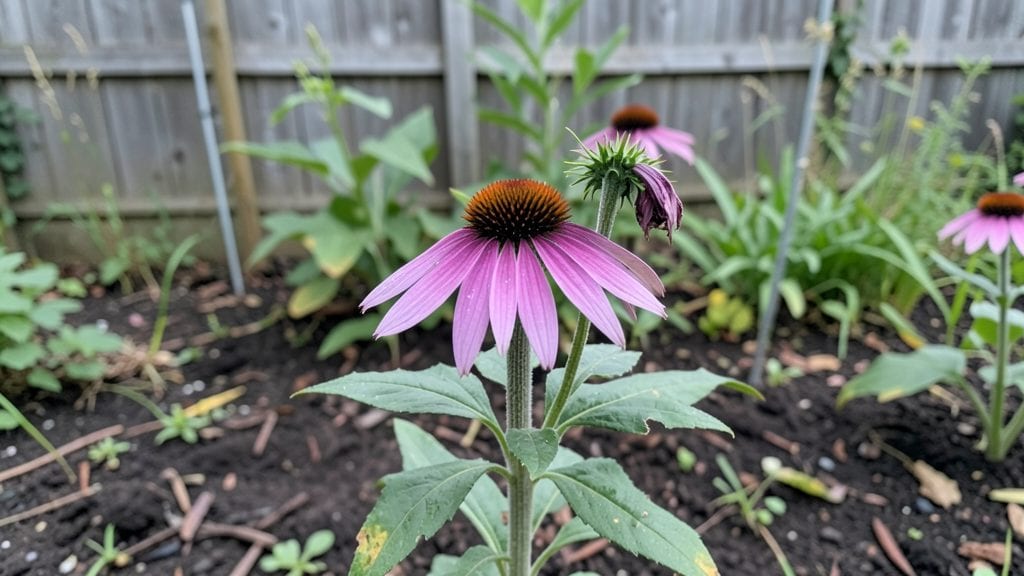
Those dried coneflower seed heads are the Pacific Northwest’s secret weapon for winter wildlife—golden perches for chickadees, finch buffets, and your garden’s last burst of color before snow. 🌿 I’ve left mine standing through three winters, watching cardinals and goldfinches strip the seeds bare while my neighbors toss them in the compost pile.
There’s no better way to feed birds naturally than letting nature do the work for you.
The best part? You don’t need fancy tools—just a pair of pruners, a dry spot, and patience. Harvest seed heads once they turn brown and papery (usually late fall), then bundle them upside-down in a paper bag for a few weeks.
Store them in a cool, dry place, and they’ll last until spring. No drying racks, no special storage—just good old-fashioned garden magic.
What you end up with is a year-round wildlife magnet. The dried blooms add rustic texture to winter bouquets, while the seeds become a free, organic bird feeder. My goldfinches return every winter, and the garden stays lively even when everything else is dormant.
Plus, you’re cutting down on waste—those seed heads would just decompose, but this way, they keep giving.
Works for any garden, from city balconies to rural meadows. Whether you’re a wildlife enthusiast or just love low-maintenance beauty, these seed heads are your go-to for effortless, eco-friendly gardening. Let’s get started—your birds (and your winter garden) will thank you.
📚 In This Guide
- What you need
- Instructions
- Tips and common mistakes
- Wrapping up and next steps
What you need
- ● Mature coneflower plants (e.g., Echinacea purpurea, E. angustifolia, or Rudbeckia species) – Ensure they’re fully bloomed and seed heads are dry and brown (late summer/fall).
- ● Pruning shears or sharp scissors – Choose tools with bypass blades (clean cuts!) and a 4–6 inch blade for precision.
- ○ Gloves (optional but recommended) – Nitrile or leather to protect against thorns or sap.
- ● Bucket or large bowl – A 5-gallon capacity with a handle for easy transport.
- ● Newspaper or cardboard – For drying seed heads indoors (if processing immediately).
- ● Paper bags or envelopes – Brown kraft paper (unbleached) for seed storage (1–2 per plant).
- ● Garden twine or floral wire – 18–20 gauge, for bundling seed heads into arrangements.
- ● Spray bottle with water – For misting seed heads if they dry out too quickly.
- ● Permanent marker – To label seed varieties (e.g., Echinacea ‘White Swan’).
- ○ Birdseed or suet feeder (optional) – If repurposing seed heads as winter bird feeders.
- ● Timing: Harvest seed heads on dry, calm days after the first frost for best viability.
- ● Location: Choose a spot with partial shade if drying indoors (prevents mold).
- ● Wildlife awareness: Leave at least 30% of seed heads on plants for birds and bees!
How to preserve coneflower seed heads for wildlife and garden beauty
Here's how to turn your coneflowers into a year-round wildlife magnet.
🌿 Step 1: Leave Seed Heads on Plants Until Fully Mature
Don't cut back coneflowers until late fall or early winter—this gives seed heads time to fully mature and dry. You'll know they're ready when the brown, papery petals have fallen away naturally, leaving only the spiky central cone. This process takes about 2-3 months after flowering, depending on your Pacific Northwest climate.
Here's the thing—birds and bees rely on these dried seed heads for food and shelter. If you cut them too soon, you're depriving wildlife of a critical winter resource. I always leave at least one-third of my plants standing until after the first frost, even if they look a little ragged.
✂️ Step 2: Harvest and Clean Seed Heads Properly
Once seed heads are completely dry, use clean, sharp pruners to cut 2-3 inch stems below the base. Wear gloves if you're sensitive to plant fibers—they can be scratchy! Place the cut heads in a paper bag (not plastic) to collect any loose seeds that might fall off during transport.
To clean them, gently shake or brush off any remaining debris or damaged seeds. You can also place them in a dry, well-ventilated area for a few days to ensure they're completely dry. This step is crucial because damp seed heads can mold, which harms both the seeds and any wildlife that might later use them.
🪴 Step 3: Arrange Seed Heads for Winter Interest
Create small bundles by tying 3-5 seed heads together with twine or floral wire. Space them 6-8 inches apart in your garden beds or containers for maximum visual impact. The natural texture contrasts beautifully with snow and provides year-round structure.
For extra wildlife appeal, leave some seed heads unbundled and scattered around shrubs or trees. This creates natural foraging opportunities for birds like goldfinches and chickadees. I like to place a few near my bird feeders—they'll stay longer when they have both food and shelter options.
🌱 Step 4: Maintain Seed Heads Through Winter
Check your seed head arrangements every 2-3 weeks during winter to remove any damaged or moldy heads. A quick shake test works—if seeds easily fall out, they're ready for wildlife. Replace any heads that look brown or shriveled with fresh ones from your stash.
This is also when you'll see the magic happen. In late winter, you'll notice birds perched on your dried flowers, pecking at the seeds. It's a rewarding reminder that even "dead" garden elements can support life. Keep a small supply of extra seed heads in a dry place for quick replacements.
Tips & tricks for perfect coneflower seed head preservation
These little details make all the difference when turning coneflowers into wildlife-friendly garden art.
Timing is Everything: In Step 1, resist the urge to cut back your coneflowers before late fall—this 2-3 month drying period is non-negotiable for proper seed maturation. I've learned the hard way that rushing this process means fewer seeds for birds and less structural integrity for winter arrangements. That first frost acts like nature's drying rack, so embrace the ragged look—it's part of the magic.
Harvesting Hack: When you're ready to harvest in Step 2, use a paper bag instead of plastic to catch any loose seeds that might fall during transport. Here's what nobody tells you—those tiny seeds are gold for wildlife, and they'll easily escape through plastic. I like to double-bag them just to be safe, especially if I'm transporting from the garden to my workbench.
Bundle with Purpose: In Step 3, those 3-5 seed head bundles aren't just for looks—they create perfect perches for birds. I've noticed goldfinches particularly love the bundles when they're spaced 6-8 inches apart. For extra winter interest, mix bundle sizes—some tall and dramatic, others low and scattered. The texture contrast against snow is stunning, and it gives birds multiple feeding options.
Winter Maintenance Secret: That 2-3 week check in Step 4 is your chance to spot the wildlife activity. If you see birds actively pecking at your seed heads, they're clearly a hit! I've started keeping a small notebook by my garden gate to track which arrangements get the most visitors. The ones near shrubs always win—birds feel safer with multiple hiding spots nearby.
Pro Tips for Coneflower Seed Heads
- These little details make all the difference when turning coneflowers into wildlife-friendly garden art.
- Timing is Everything: In Step 1, resist the urge to cut back your coneflowers before late fall—this 2-3 month drying period is non-negotiable for proper seed maturation.
- Harvesting Hack: When you're ready to harvest in Step 2, use a paper bag instead of plastic to catch any loose seeds that might fall during transport.
Frequently asked questions
Got questions about keeping your coneflower seed heads standing tall for wildlife? Here are some of the most common queries—and their answers—to help you make the most of these garden gems!
Why do coneflower seed heads sometimes fall over or droop?
Overly wet soil or heavy rain can cause seed heads to flop. To prevent this, plant coneflowers in well-draining soil and avoid overwatering. Prune spent blooms in early fall to encourage stronger stems for winter. If they’ve already toppled, stake them lightly with twigs or small garden stakes for support.
When is the best time to cut back coneflower seed heads for next year’s blooms?
Wait until late winter or early spring (February–March in the PNW) to prune back dead foliage. This timing lets seed heads feed birds and pollinators while giving new growth a head start. Never cut in fall—this removes winter food sources for wildlife!
Can I save coneflower seeds for planting next year?
Collect dry seed heads in late fall or early winter, place them in a paper bag, and let them dry completely. Remove seeds from the central cone by hand or with a fork. Store them in a cool, dry place until spring. Pro tip: Label your seeds—some varieties (like ‘Magnus’ or ‘White Swan’) may cross-pollinate!
What if my coneflowers don’t produce seed heads?
Missing seed heads often mean poor pollination. Ensure your plants get full sun (6+ hours/day) and avoid over-fertilizing (too much nitrogen = fewer blooms). Invite pollinators like bees and butterflies with companion plants like bee balm or milkweed. If issues persist, check for pests (e.g., Japanese beetles) or fungal diseases like powdery mildew.
Are coneflower seed heads safe for all wildlife?
Yes! They’re a nutrient-rich snack for birds (goldfinches, chickadees), squirrels, and even deer. The dried petals and seeds provide protein, fat, and carbohydrates—perfect for winter survival. Just avoid spraying herbicides or pesticides, as these can harm wildlife.
| Quick Troubleshooting Guide |
|---|
| Problem: Seed heads mold or rot |
| Solution: Prune affected stems immediately and improve airflow around plants. Avoid overhead watering. |
| Problem: No seed heads, but lots of blooms |
| Solution: Deadhead spent blooms in summer to redirect energy to seed production. |
Wrapping up and next steps
Coneflower seed heads are a game-changer for Pacific Northwest gardens, offering year-round sustenance for wildlife while adding rustic charm to your landscape. 🌿 From bees to birds, these resilient blooms keep ecosystems thriving with minimal effort.
Whether you’re a seasoned gardener or just starting, planting coneflowers is a simple, rewarding way to support local biodiversity.
Ready to take the next step? Start small—grab a packet of seeds, mark your spot, and let nature do the rest. Your garden (and the critters that visit!) will thank you.