
Flowers
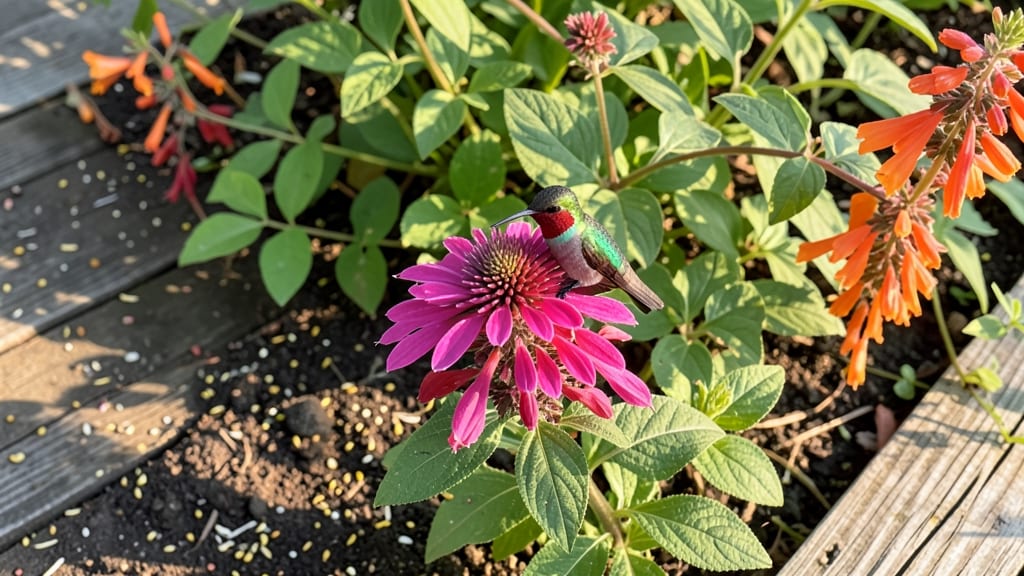
Creating a hummingbird wildflower blend that hummingbirds can't resist starts with the right mix of native blooms and smart planting strategies. 🌸 The key is combining tubular flowers like bee balm and cardinal flower with early, mid, and late-season varieties to keep nectar flowing from spring through fall.
My first attempt used a generic wildflower seed mix—and ended with a few disappointed hummers zipping past for something sweeter. This time, I focused on region-specific species that thrive where you do, ensuring a steady buffet for these tiny acrobats.
The secret to success lies in mimicking a natural meadow ecosystem. Start with well-draining soil (amend heavy clay with compost) and full sun exposure—hummingbirds favor open, bright spaces where they can spot flowers easily.
Choose a blend with at least 30% native perennials like milkweed and coneflower, which return year after year, plus annuals like cosmos for instant color. Plant seeds in late spring or early fall, lightly covering them with soil—no need for deep burial, just a gentle press into the earth.
Within weeks, you'll see the transformation: vibrant bursts of color that hummingbirds can't resist. The tubular flowers provide perfect landing spots, while the continuous blooming schedule ensures they keep returning.
I've watched ruby-throated hummingbirds linger for hours, their wings a blur as they sip nectar from plants that would've gone unnoticed in a generic mix. This isn't just about pretty flowers—it's creating a thriving habitat that supports these vital pollinators.
For best results, add a shallow water source nearby (a simple birdbath with rocks for perching) and avoid pesticides—even "organic" sprays can harm hummingbirds. The first year might be patchy as perennials establish, but by year two, your meadow will be a hummingbird hotspot.
Now's the time to gather your seeds and start planning—spring migration is just around the corner, and these tiny visitors will be looking for a welcoming home.
📚 In This Guide
- What you need
- Instructions
- Tips and common mistakes
- Wrapping up and next steps
What you need
- ● Wildflower seed blend: 1–2 lbs (pre-mixed for hummingbirds, bees, and butterflies—look for native species like bee balm, coneflower, or cardinal flower).
- ● Soil: 1–2 cubic yards of well-draining topsoil (amend with compost if your soil is heavy or clay-like).
- ● Mulch or straw: 1–2 bags (to retain moisture and suppress weeds).
- ● Watering can or hose: With a gentle spray nozzle for even moisture.
- ○ Garden gloves: (Optional but highly recommended for happy hands!).
- ● Garden rake: For leveling soil (a bow rake works best).
- ● Hoe or cultivator: To loosen soil before planting.
- ● Measuring tape or ruler: To space seeds evenly (aim for 12–18 inches apart for clumping flowers).
- ○ Broadcast spreader (optional): For large areas—saves time and ensures even coverage.
- ● Pollinator-friendly perennials: Add 3–5 plants like milkweed or goldenrod for long-term blooms.
- ● Rocks or edging: To define your meadow’s borders (and keep critters out!).
- ● Bird feeder or hummingbird feeder: Place nearby to attract your feathered friends instantly.
- ● Wildflower seed paper (DIY): For creative planters or gifts!
How to create a hummingbird-friendly wildflower meadow
Here's the straightforward approach I use to transform any sunny patch into a buzzing hummingbird haven.
🌱 Step 1: Choose the Right Location and Prepare the Soil
Select a spot that gets full sun for at least 6 hours daily. Hummingbirds favor open areas where they can spot approaching predators. Clear any existing vegetation and loosen the top 6 inches of soil with a garden fork to help roots establish.
Test your soil's drainage—hummingbird wildflowers hate soggy roots. If water pools after 30 minutes, mix in 2-3 inches of compost or coarse sand to improve aeration. I like to spread a thin layer of mulch afterward to retain moisture without smothering emerging seedlings.
🌿 Step 2: Select and Plant Native Wildflower Seeds
Choose a hummingbird-specific wildflower blend containing at least 30% tubular flowers like bee balm, cardinal flower, and penstemon. These flowers provide nectar that hummingbirds can access. Scatter seeds evenly over the prepared area—there's no need to cover them with soil since they require light to germinate.
Gently press seeds into the soil with a board or your foot to ensure good contact. Water lightly but thoroughly, keeping the soil moist until germination occurs in 14-21 days. You'll know it's working when you see tiny green sprouts appearing like a carpet of grass.
☀️ Step 3: Maintain Your Meadow for Year-Round Blooms
Once established, water deeply once a week during dry spells, allowing the soil to dry between waterings. Overwatering leads to weak stems that can't support the weight of hummingbirds perching on flowers. Mow your meadow only once a year in late winter or early spring to remove dead growth and encourage fresh blooms.
Leave some areas uncut to provide shelter and nesting spots for pollinators. You'll notice the most activity when flowers are in peak bloom—typically spring through early fall. Add a shallow water source like a birdbath with pebbles for hummingbirds to drink safely.
⏰ Step 4: Encourage Hummingbirds to Visit Regularly
Plant a few extra nectar-rich flowers near your meadow's edge to create a "landing strip" for hummingbirds. Avoid pesticides entirely—even natural ones can harm these delicate visitors. You'll start seeing hummingbirds within 4-6 weeks of planting if you've created the right conditions.
Keep an eye out for territorial behavior in spring. Male hummingbirds will chase each other away from your flowers—this is normal and a sign your garden is thriving. Place your feeder near the meadow if you want to attract even more visitors, but don't worry if they ignore it at first—they'll find your natural nectar source eventually.
Tips & tricks for perfect wildflower meadows
Common pitfalls—and how to sidestep every one when creating your hummingbird haven.
Location is Everything: That 6 hours of full sun is non-negotiable. I've tried partial shade spots, and while some flowers might grow, you'll see far fewer hummingbirds. If your yard only gets 4-5 hours of sun, consider placing your meadow near a south-facing wall or fence that reflects additional sunlight. Hummingbirds are creatures of habit—they'll return to the same sunny spots daily.
Soil Prep Secret: The 30-minute drainage test is your best friend. I've learned the hard way that soggy soil leads to root rot, which kills your flowers before they even bloom. If you're working with heavy clay soil, mix in that 2-3 inches of compost or sand right from the start—don't wait until problems appear. A well-draining soil acts like a sponge, holding just enough moisture while preventing waterlogging.
Planting Precision: When pressing those seeds into the soil, think "gentle but firm"—like giving a handshake, not a hug. Too light and they won't make good contact with the soil; too hard and you might bury them under the surface where they need light to germinate. I use the flat of my hand or a wooden board to create even pressure across the entire area. This ensures consistent germination throughout your meadow.
Watering Wisdom: That once-a-week watering guideline works best in most climates, but I've found the real magic happens in the first 14-21 days. After planting, I set a reminder to check moisture daily—stick your finger about an inch into the soil. If it's dry at that depth, water thoroughly. This mimics natural rainfall patterns and helps those delicate seedlings establish strong root systems before they face the elements.
Pro Tips for Wildflower Blend Hummingbird
- Common pitfalls—and how to sidestep every one when creating your hummingbird haven.
- Location is Everything: That 6 hours of full sun is non-negotiable.
- Soil Prep Secret: The 30-minute drainage test is your best friend.
Frequently asked questions
What’s the best wildflower blend for hummingbirds?
A mix of bee balm, cardinal flower, trumpet vine, and native wildflowers like black-eyed Susan or purple coneflower is ideal. Hummingbirds love bright red, pink, or tubular-shaped blooms—these flowers mimic their natural nectar sources. For extra appeal, include salvia or penstemon, which thrive in sunny spots.
When is the best time to plant a wildflower blend for hummingbirds?
Plant in early spring (March–April) or late summer (August–September) for fall blooms. Hummingbirds time their migrations to feed on nectar, so aim for flowers that bloom consecutively—this ensures a steady food source from spring through frost. Pro tip: If planting in summer, water deeply 2–3 times a week until established!
Can I use annuals instead of perennials in my wildflower blend?
Annuals like cosmos, zinnias, or nasturtiums are great for quick color and nectar, but they’ll need replanting yearly. For low-maintenance magic, mix perennials (e.g., coneflower) with annuals (e.g., petunias) to extend the blooming season. Just ensure your annuals are hummingbird-friendly—avoid double-flowered varieties (they often lack nectar).
Why aren’t hummingbirds visiting my wildflower garden?
Try troubleshooting with these fixes:
- Timing: Hummingbirds may not have arrived yet (they migrate March–May and July–September in most regions).
- Nectar shortage: Deadhead spent blooms to encourage new flowers.
- Shelter: Add a small water feature or dense shrubs for resting spots.
- Pesticides: Avoid chemicals—hummingbirds are sensitive to them!
If issues persist, supplement with a sugar-water feeder (1:4 sugar-to-water ratio) as a backup.
How do I maintain a wildflower blend for hummingbirds long-term?
Keep it simple:
- Water deeply 1–2 times per week (more in droughts).
- Mulch lightly to retain moisture and suppress weeds.
- Deadhead faded blooms to prolong flowering.
- Avoid over-fertilizing—wildflowers thrive in lean soil!
Let some seeds self-sow for natural renewal, and leave seed heads for winter interest (and food for birds!).
Wrapping up and next steps
Creating your own wildflower blend hummingbird is a rewarding way to support pollinators while adding vibrant beauty to your space! 🌸 With the right mix of native flowers, seeds, and a little patience, you’ll soon enjoy a buzzing, colorful meadow teeming with life. Ready to take the next step?
Start small—plant a patch in your garden or even a window box—and watch as hummingbirds, bees, and butterflies flock to your haven. Share your progress with fellow gardeners or local conservation groups to inspire others to join the movement. Every seed sown makes a difference!