
Size
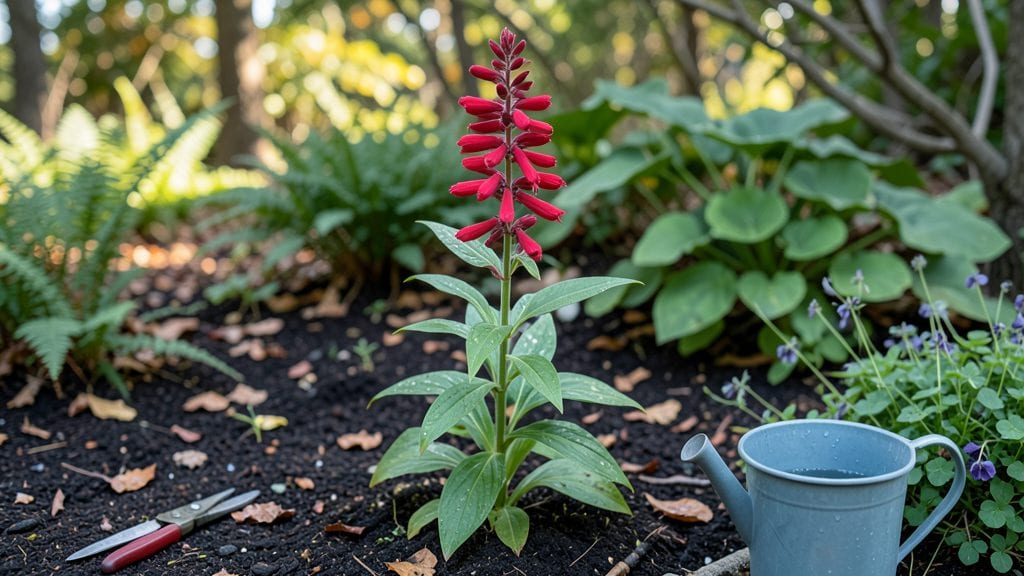
Growing cardinal flower from seed means hummingbirds will be your backyard neighbors by early summer. 🌿 I’ve watched these fiery red blooms transform my shady garden corner into a buzzing, winged paradise—all from seeds started in spring.
The key isn’t just patience; it’s about mimicking their native woodland habitat with rich soil and consistent moisture.
You’ll need a spot that gets partial shade (they tolerate full shade better than full sun), well-draining but moist soil, and a little extra nitrogen early on to encourage lush foliage.
Seeds are tiny and slow to germinate, so don’t rush—think of them as delicate woodland natives, not impatient annuals. Transplants are easier but less rewarding; starting from seed gives you that satisfying hummingbird magnet by midsummer.
By day 60, you’ll have 4-foot-tall spikes of bright red blooms that hummingbirds can’t resist. The foliage stays green even in deep shade, and the flowers last longer if you deadhead spent blooms. This isn’t just a pretty plant—it’s a living hummingbird feeder that outperforms any store-bought alternative.
Works in USDA zones 3-9, from woodland gardens to pond edges. If your soil dries out, mulch heavily—cardinal flower hates drought. Let’s get those seeds going!
📚 In This Guide
- What you need
- Instructions
- Tips and common mistakes
- Wrapping up and next steps
What you need
- ● Cardinal flower seeds: 50–100 seeds (or 3–5 young plants from a nursery). Choose heirloom or organic seeds for best results.
- ● Containers or garden bed: Containers: 6–12-inch pots (with drainage holes) for seedlings. Use 3–4 gallon pots or larger for mature plants.
- ● Garden bed: A sunny to partially shaded spot (4–6 hours of sunlight daily) with moist, well-draining soil (pH 5.0–6.5). Amend clay soil with compost or peat moss.
- ● Potting mix: Seed-starting mix (sterile and lightweight) for containers. For garden beds, use native soil enriched with compost.
- ● Watering can or hose: With a gentle spray nozzle to avoid disturbing seeds.
- ● Fertilizer: Balanced, water-soluble fertilizer (10-10-10 or 20-20-20) or organic compost.
- ● Mulch: 2–3 inches of organic mulch (e.g., straw or shredded leaves) to retain moisture.
- ● Trowel or hand shovel: For transplanting seedlings.
- ● Pruning shears: To trim dead blooms and encourage bushier growth.
- ● Garden gloves: Protect your hands from prickly stems.
- ● Plant labels: Mark varieties if growing multiple types.
- ○ Hummingbird feeder (optional): Place near plants to supercharge pollinator visits!
- ● 🌡️ Soil temperature: Wait until soil is at least 50°F (10°C) before planting seeds outdoors.
- ● ✨ Light needs: Cardinal flowers thrive in partial shade—ideal for under trees or near shrubs.
- ● 💧 Watering: Keep soil consistently moist (not soggy) during germination and growth.
Step-by-Step guide to cultivating vibrant cardinal flower
Here's the method I've used to coax these striking red blooms into my garden every summer.
🌱 Step 1: Choose the Perfect Planting Location
Cardinal flower thrives in moist, well-drained soil with partial shade to full sun—think dappled sunlight or morning sun with afternoon shade. I always plant mine near water features or along stream edges where humidity stays naturally high. The roots need consistent moisture, so avoid hot, dry spots where soil dries out quickly.
Test your site by digging a 6-inch deep hole. If water pools at the bottom, the area gets too much moisture—amend with 2 inches of compost to improve drainage. If the soil feels dry within an hour, you'll need to water more frequently once planted. Cardinal flower's deep taproot means it hates having its feet too wet or too dry.
🌿 Step 2: Prepare Soil and Plant Seedlings
Mix 3 gallons of rich, humusy soil (like compost or aged manure) into the planting hole to create a nutrient-rich zone. The roots will spread aggressively, so space your 4 plants 18-24 inches apart in a loose cluster. This mimics their natural woodland habitat and encourages stronger stems.
When transplanting, handle seedlings gently—they have delicate roots that bruise easily. Place each plant so the top of the root ball sits 1 inch below soil level. This prevents stem rot while encouraging root expansion. Water immediately after planting to settle the soil and remove any air pockets around the roots.
☀️ Step 3: Maintain Ideal Growing Conditions
Water deeply 2-3 times per week during the first 60 days until the plants establish strong root systems. You'll know they're happy when the soil feels moist but not soggy at a 2-inch depth. Mulch with 2 inches of organic mulch (like shredded bark) to retain moisture and suppress weeds—this is especially critical in hot climates.
Fertilize lightly with a balanced 10-10-10 fertilizer every 4-6 weeks during the growing season. Too much nitrogen produces leafy growth at the expense of flowers. I always skip fertilizer in late summer to encourage blooming rather than foliage. Watch for bright red, tubular flowers to appear after 60-70 days from planting.
✂️ Step 4: Encourage Continuous Blooming
Deadhead spent blooms immediately by snipping the flower stalk back to the nearest leaf node. This prevents seed formation and redirects the plant's energy into producing more flowers. I use clean, sharp pruners to avoid damaging the stems—cardinal flower responds well to regular pruning.
In late fall, cut back the stems to 6 inches tall before the first frost. This prevents the plant from putting energy into seed production and helps protect the roots during winter. In colder climates, mulch heavily with 4-6 inches of straw to insulate the crown through freezing temperatures.
Tips & tricks for perfect cardinal flower cultivation
Here's what I wish I knew before planting my first cardinal flowers—these tricks will help you avoid common pitfalls and get those vibrant blooms thriving.
Soil Depth Matters: The 6-inch deep hole test in Step 1 isn't just about drainage—it's about creating the perfect root environment. I've found that adding a handful of perlite to that 3 gallons of rich soil mix helps prevent compaction, which cardinal flowers hate. Their deep taproot needs room to expand, so don't skimp on the hole size. Think of it like giving your plant a cozy underground apartment with proper ventilation.
Planting Position Secret: When placing your seedlings so the top of the root ball sits 1 inch below soil level in Step 2, here's my pro move: I make a small mound of soil in the center of the hole first, then place the plant on top. This creates better root-to-soil contact right from the start. The 18-24 inch spacing between plants might seem generous, but trust me—cardinal flowers spread aggressively and will reward you with stronger stems and more blooms when given room to breathe.
Watering Wisdom: That 2-3 times per week watering schedule in Step 3 works perfectly for most gardens, but I've learned to adjust based on weather. After planting, I check soil moisture at 2-inch depth every morning—if it's dry by midday, I water immediately. The key is consistency: cardinal flowers hate drought stress but also can't tolerate soggy roots. In hot climates, I increase to daily watering until the plants establish their root systems after those 60 days.
Bloom Extension Strategy: The 60-70 days to first bloom timeline in Step 3 is impressive, but here's how to make it last longer: I've found that adding a 1-inch layer of compost around the base of established plants in early summer gives them a nutrient boost without encouraging excessive leaf growth. And when deadheading those spent blooms, I always snip just above a set of leaves with a healthy pair of pruners—this encourages more side shoots and prolongs the flowering season by weeks.
Pro Tips for Grow Cardinal Flower
- Here's what I wish I knew before planting my first cardinal flowers—these tricks will help you avoid common pitfalls and get those vibrant blooms thriving.
- Soil Depth Matters: The 6-inch deep hole test in Step 1 isn't just about drainage—it's about creating the perfect root environment.
- This creates better root-to-soil contact right from the start.
Frequently asked questions
Got questions about growing your own hummingbird haven? Here are answers to the most common queries about cardinal flower—from timing to troubleshooting—so you can cultivate these vibrant blooms with confidence!
How long does it take for cardinal flower seeds to germinate?
Cardinal flower seeds typically germinate in 2–4 weeks when kept moist and warm (around 60–70°F). Pro tip: Soak seeds overnight before planting to speed up the process! Patience is key—just keep the soil consistently damp until sprouts appear.
When is the best time to plant cardinal flower seeds?
For fastest results, sow seeds indoors 8–10 weeks before your last frost date or directly outdoors in early spring (after soil warms to 50°F). Cardinal flower thrives in cool weather, so avoid planting in scorching summer heat.
Why aren’t hummingbirds visiting my cardinal flowers?
If hummingbirds skip your blooms, check these fixes:
- Timing: Plant in late spring/early summer for peak nectar production.
- Location: Place near feeders or other pollinator-friendly plants.
- Health: Ensure flowers are red/orange (not fading) and pest-free.
Can I grow cardinal flower in containers or only in gardens?
Yes! Cardinal flower thrives in containers 12+ inches deep with well-draining soil. Use a mix of potting soil + perlite and place in partial shade. Just ensure the pot stays moist—they’re drought-sensitive but perfect for balconies or patios.
My cardinal flower leaves are turning yellow—what’s wrong?
Yellow leaves usually mean overwatering or poor drainage. Let soil dry slightly between waterings and amend heavy clay soil with compost. Check for root rot if leaves wilt—trim affected areas and repot if needed.
Wrapping up and next steps
Growing cardinal flower is a rewarding journey that brings vibrant color and hummingbird visitors to your garden in just 60 days! With the right soil, sunlight, and a little patience, you’ll enjoy stunning blooms that thrive with minimal fuss.
Whether you’re a beginner or seasoned gardener, this hardy plant offers beauty and ease—so roll up your sleeves and give it a try!
🌱 Ready to plant? Start by gathering your supplies, then pick a sunny spot in moist soil. Follow the steps, and soon you’ll be watching hummingbirds flutter around your Lobelia cardinalis like never before! Happy gardening! 🐦⬛💦