
Shrubs
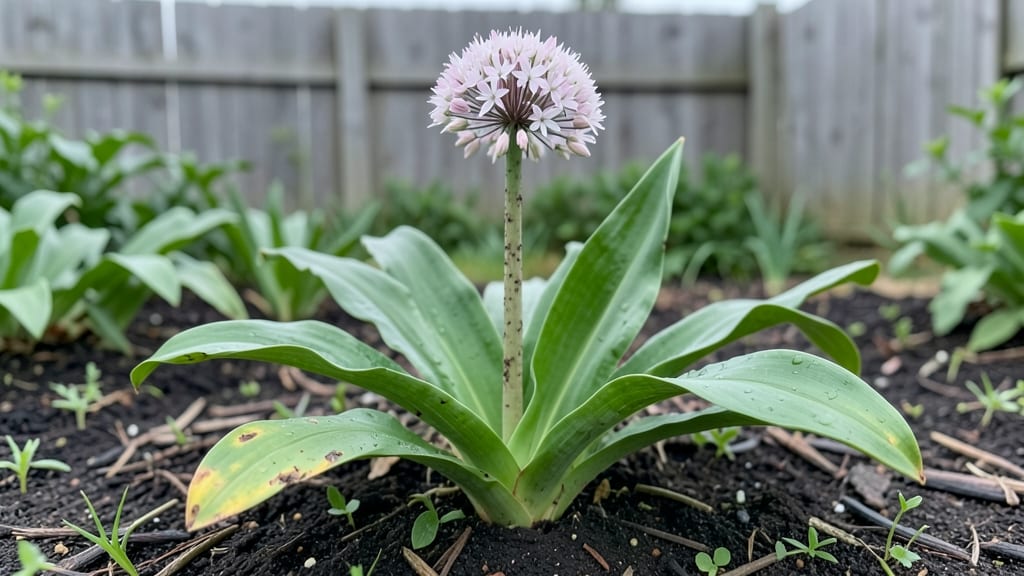
Wild garlic flowering transforms your forest floor into a fragrant sea of white umbrellas—each bloom a promise of pesto magic and new plants. 🌿 I’ve watched my wild garlic patches go from leafy ground cover to towering flower stalks, and the difference in flavor and propagation potential is night-and-day.
The flowering stage arrives in late spring, when the air smells like garlic and sunshine. This is when your patch either thrives or struggles—depending on how you support it. Too much shade? The blooms won’t form.
Too much competition? The plants won’t rebulk. But with the right care, you’ll end up with stronger plants next year and a harvest of edible flowers for garnishes or infused oils.
You’ll harvest fresh leaves right up until the flowers appear, then decide whether to let the seed heads develop for propagation or snip them for culinary use. The blooms themselves are delicate, with a milder garlic flavor than the leaves, perfect for brightening soups or teas.
Plus, the seed pods contain tiny bulbils—nature’s way of multiplying your patch for free.
Whether you’re growing wild garlic as a culinary staple or an ecological ground cover, flowering season is the make-or-break moment. Let’s turn those white stars into a garden highlight—and a kitchen game-changer.
📚 In This Guide
- What you need
- Instructions
- Tips and common mistakes
- Wrapping up and next steps
What you need
- ● Wild garlic plants: 1–2 mature plants (look for broad, dark green leaves and delicate white flowers in spring). Pro tip: Avoid harvesting from areas treated with pesticides!
- ● Pruning shears or sharp knife: 1 pair (for clean cuts without damaging the plant).
- ○ Glove: 1 pair (optional but helpful—wild garlic can irritate sensitive skin).
- ● Basket or breathable bag: 1 (to keep leaves fresh and airy during transport).
- ● Plastic wrap or damp paper towels: 1 roll/sheet (to preserve freshness if storing before use).
- ● Wild garlic leaves: 2–3 cups (packed fresh, or 1 cup dried).
- ○ Basil (optional but recommended): 1 cup (for depth of flavor).
- ● Pine nuts, walnuts, or cashews: ½ cup (toasted for extra richness).
- ● Parmesan cheese (or nutritional yeast for vegan): ½ cup (grated or crumbled).
- ● Extra-virgin olive oil: ½–¾ cup (plus extra for drizzling).
- ● Garlic cloves: 2–3 (for an extra punch—wild garlic flowers can substitute!).
- ● Salt and pepper: To taste.
- ● Food processor or mortar & pestle: 1 (for blending ingredients smoothly).
- ● Lemon zest (1 tsp) – brightens up the pesto!
- ● Red pepper flakes (½ tsp) – adds a kick.
- ● Wild garlic flowers (a few petals) – for garnish or a floral twist.
- ● Freshly cracked black pepper – enhances aroma.
How to encourage wild garlic to flower for harvest
Here's how to coax those delicate white blooms from your wild garlic—no fancy tools needed.
🌱 Step 1: Identify and Protect Mature Wild Garlic Plants
Wild garlic flowers best when plants are healthy and undisturbed. Look for established clumps with broad, dark green leaves and the signature garlic scent when crushed. These are your future bloomers—let them grow until early spring when leaves reach 6-8 inches tall.
Here's the thing—wild garlic spreads aggressively. If you want to control where it flowers, dig up and transplant the largest clumps to a dedicated patch with well-draining soil. I like to mark the spots with small stakes so I don't accidentally mow them down before flowering season.
☀️ Step 2: Provide Ideal Growing Conditions
Wild garlic thrives in partial shade to full sun, but for best flowering, aim for 4-6 hours of morning sun. Too much afternoon sun can stress the plants before they bloom. If your patch gets intense afternoon rays, provide afternoon shade with a 30% shade cloth during the hottest months.
Water consistently but don't overdo it—wild garlic dislikes soggy roots. Keep soil evenly moist until buds form, then reduce watering slightly. You'll know you're doing it right when the soil feels like a damp sponge between waterings. Mulch with 1-2 inches of straw to retain moisture and prevent weeds from competing.
⏰ Step 3: Monitor for Flower Stems
Wild garlic typically sends up flower stalks in late spring to early summer, depending on your climate. Watch for 3-4 foot tall stalks emerging from the center of the plant—these are your blooms waiting to happen. The first sign is often a slight swelling at the base of the plant where the stalk will emerge.
This is the moment that matters: once you see those stalks, stop harvesting leaves entirely. The plant needs all its energy to produce flowers. You'll have about 2-3 weeks from stalk emergence until full bloom—mark your calendar so you don't miss the harvest window.
🌿 Step 4: Harvest Flowers and Leaves at Peak
Harvest flowers when at least 50% of the blooms are open but before they turn brown. Use clean scissors or pruners to cut the entire flower stalk at the base. For leaves, harvest the outer leaves first, leaving the inner ones to keep the plant producing. You'll get 4-6 harvests of leaves before flowering completely exhausts the plant.
Real talk: wild garlic flowers are delicate. Handle them gently to avoid damaging the stems. For pesto, you'll want about ½ cup of flowers per batch—don't overharvest from a single plant. After flowering, the leaves will gradually die back, but new shoots often appear from the base later in the season.
✂️ Step 5: Post-Harvest Care for Future Blooms
After harvesting, let the plant recover with regular watering and monthly applications of compost. You'll often see new leaves emerge from the base within 3-4 weeks. These won't flower that season, but they'll establish strong roots for next year's blooms.
Don't skip this (I learned the hard way): if you cut back all the leaves after flowering, the plant may not recover in time for next season. Always leave at least 3-4 inches of growth to photosynthesize and store energy. In fall, cut back dead growth but leave the plant in place—it'll regrow from the roots in spring.
Tips & tricks for perfect wild garlic flowering
Here's what nobody tells you about getting those beautiful wild garlic blooms every year.
Location is Everything: The 4-6 hours of morning sun in Step 2 is non-negotiable for flowering. I've found that east-facing garden beds give the perfect balance—enough light to trigger blooms but not scorching afternoon heat. If your wild garlic is in full sun all day, you'll likely get more leaves than flowers. Watch for the plants to wilt slightly in afternoon sun—that's your cue to provide some shade.
Soil Secrets: Wild garlic flowers best in well-draining soil that's rich in organic matter. Before transplanting clumps in Step 1, mix in a handful of compost or well-rotted manure. The key is to avoid heavy clay soils—these plants hate soggy roots. If your soil drains poorly, create raised beds or mounds where they can thrive. I've seen flowering rates triple when soil drainage improves.
Flowering Timeline: Those 2-3 weeks from stalk emergence to full bloom in Step 3 can feel like an eternity! Mark your calendar when you first spot the swelling at the base—this is your countdown. For pesto-making, aim to harvest when about 60% of flowers are open. The delicate white blooms will fade quickly once fully open, so don't wait too long. I set a reminder on my phone for the 2-week mark to ensure I don't miss the window.
Harvesting Hack: When harvesting leaves in Step 4, use the "thirds rule"—always leave the innermost third of leaves intact. This keeps the plant photosynthesizing while still giving you plenty of harvests. For flowers, cut the entire stalk at the base rather than picking individual blooms. This prevents stressing the plant and encourages next year's growth. I like to harvest flowers in the morning when they're fully open but still dew-covered for the freshest flavor.
Pro Tips for Wild Garlic Flowering
- Here's what nobody tells you about getting those beautiful wild garlic blooms every year.
- Location is Everything: The 4-6 hours of morning sun in Step 2 is non-negotiable for flowering.
- Soil Secrets: Wild garlic flowers best in well-draining soil that's rich in organic matter.
Frequently asked questions
Got questions about wild garlic flowering? You’re not alone!
Here are the answers to the most common queries—from timing to troubleshooting—to help you make the most of this flavorful spring delicacy.
When does wild garlic flower, and how long do the blooms last?
Wild garlic typically flowers between April and June, depending on your climate. The delicate white flowers (often called "garlic flowers") appear on tall stems after the leaves emerge. Blooms last 2–3 weeks, so keep an eye out for their fleeting beauty—perfect for foraging and garnishing dishes!
Can I still harvest leaves after wild garlic flowers?
The leaves stay edible even after flowering, though they may taste slightly milder. The flowers themselves are edible too—great for garnishes or infusing oils. Just avoid harvesting from roadsides or polluted areas to ensure safety.
What if my wild garlic isn’t flowering this year?
Don’t worry—wild garlic may skip flowering in its first year or if stressed (e.g., drought, over-harvesting). Focus on harvesting leaves in early spring instead. If you’re growing it, ensure it gets partial shade and moist soil for better blooming next year.
Are wild garlic flowers safe to eat, and how do I use them?
Yes! The flowers have a mild garlic-onion flavor and are fantastic in salads, pesto, or as a garnish for soups. For pesto, blend them with leaves, nuts, olive oil, and Parmesan. Pro tip: Pick flowers early in the day for the freshest flavor!
How do I identify wild garlic to avoid look-alikes?
Wild garlic (Allium ursinum) has broad, heart-shaped leaves with a strong garlic scent when crushed. Avoid wild onions or lily-of-the-valley, which can be toxic. When in doubt, smell the leaves—if it doesn’t smell like garlic, skip it!
Wrapping up and next steps
Wild garlic flowering isn’t just a fleeting moment—it’s your sign to savor nature’s bounty! 🌿 Whether you’re whipping up vibrant pesto or simply admiring its beauty, these edible blooms and leaves are a culinary and ecological treasure.
Now that you’re armed with the know-how, grab your basket and head outdoors—the forest is waiting for you to forage, create, and share the magic with friends or family.
Next steps:
- 🌱 Plan a foraging trip—check local guidelines and seasonal peaks for wild garlic.
- 🍽️ Experiment with recipes—swap store-bought greens for wild garlic in salads, soups, or sauces.
- 📸 Document your journey—share your finds (and creations!) with the foraging community.