
Flowers
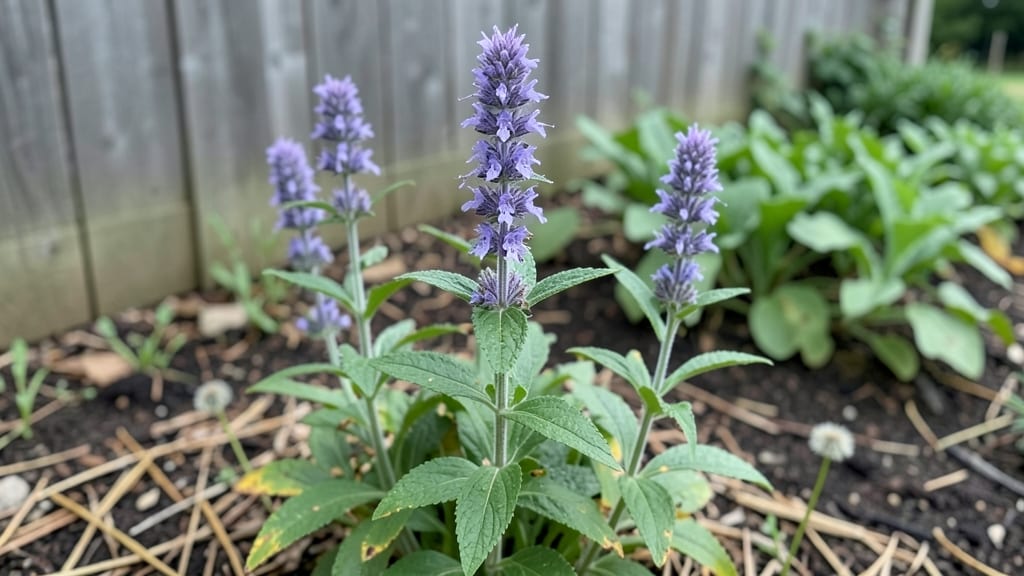
The delicate wild bergamot flower transforms sunbaked corners into fragrant havens, luring pollinators with its lavender-like charm while thriving where other perennials wither. 🌿 My first batch took over a droughty patch, proving this plant doesn’t just survive—it loves the heat.
The key is starting with the right conditions and letting nature do the rest.
The secret to wild bergamot’s success lies in its low-maintenance nature—it handles poor soil, full sun, and even dry spells with ease. You’ll need well-draining soil (even rocky ground works) and a spot where it can spread its aromatic foliage without competition.
Once established, it’s nearly indestructible, returning year after year with vibrant pink-purple blooms that hummingbirds and bees adore.
By late summer, you’ll have a thriving clump of wild bergamot that smells like a cross between mint and lavender. The flowers attract pollinators relentlessly, and the plant’s vertical growth habit makes it perfect for borders, meadows, or even containers.
Pruning after blooming keeps it tidy and encourages next year’s growth.
This isn’t just another pretty flower—it’s a pollinator powerhouse that thrives in zones 3-9, making it one of the most versatile perennials for sunny gardens. Let’s get you growing yours!
📚 In This Guide
- What you need
- Instructions
- Tips and common mistakes
- Wrapping up and next steps
What you need
- ● Wild bergamot seeds: 1 packet (50–100 seeds) or 5–10 young plants (if transplanting). Tip: Look for organic, non-GMO seeds for best results! 🌿
- ● Well-draining potting mix: 1–2 bags (1–2 cubic feet each). Use a blend with perlite or sand for optimal drainage.
- ● Containers or garden bed: For seeds: 4–6-inch pots or seed trays with drainage holes.
- ● For transplanting: A sunny garden spot (6+ hours of direct sunlight) or large containers (12+ inches deep).
- ● Garden tools: Trowel or small shovel
- ● Pruning shears (for harvesting or trimming)
- ● Watering can or hose: With a gentle spray nozzle for seedlings.
- ○ Organic fertilizer: Balanced 10-10-10 or compost (optional but recommended for faster growth).
- ● Mulch: Straw or shredded leaves (to retain moisture and suppress weeds).
- ● Grow lights (if starting seeds indoors before the last frost).
- ● Pollinator-friendly companion plants (e.g., bee balm, coneflowers, or marigolds).
- ● Pest control: Neem oil or insecticidal soap (for aphids or spider mites).
- ● Drip irrigation system (for consistent watering in dry climates).
Step-by-Step guide for cultivating wild bergamot in sun-dappled spaces
This hardy perennial thrives with minimal fuss—just sun, patience, and the right soil.
🌱 Step 1: Select the Perfect Planting Site
Wild bergamot craves full sun—at least 6-8 hours daily—but tolerates light shade in hot climates. I scout locations where the soil drains freely, avoiding low spots where water pools after rain. The plant’s deep roots despise soggy conditions, so raised beds or slopes work beautifully.
Test the soil’s pH with a simple kit—wild bergamot prefers 6.0-7.0. If your soil is heavy clay, amending with 2-3 inches of compost improves drainage without smothering roots. I always dig in a handful of organic matter at planting time to encourage early establishment.
🌿 Step 2: Plant Seeds or Transplants at the Right Time
For seeds, sow directly in spring after the last frost when soil reaches 60°F. Scatter seeds ¼ inch deep, spacing them 12-18 inches apart—they’ll self-seed aggressively if given room. Press lightly but don’t cover too deeply; wild bergamot seeds need light to germinate.
If using transplants, choose established plants with multiple stems and healthy foliage. Dig holes twice as wide as the root ball but only as deep as the container’s base. Gently tease apart crowded roots before placing in the hole—this prevents girdling as the plant matures.
☀️ Step 3: Provide Consistent Moisture Without Overwatering
Water deeply once weekly during the first growing season, letting the soil dry slightly between waterings. Wild bergamot’s deep taproot means it’s drought-tolerant once established, but young plants need steady moisture to develop strong stems. You’ll know it’s thriving when new leaves emerge every 2-3 weeks.
Mulch around the base with 2 inches of organic mulch to retain moisture and suppress weeds. Avoid piling mulch against the stems—this invites rot. I use straw or shredded leaves, keeping them 3 inches away from the crown.
✂️ Step 4: Prune and Deadhead for Longer Blooms
Cut back faded flower spikes to the first set of healthy leaves after blooming. This encourages a second flush of flowers and prevents the plant from seeding everywhere. I deadhead in late summer to redirect energy into root growth for next year.
In early spring, trim back any dead or damaged stems to 6 inches tall. Avoid heavy pruning—wild bergamot blooms on new growth, and aggressive cuts delay flowering. Watch for powdery mildew on crowded plants; thin stems if leaves develop white spots.
🪴 Step 5: Divide and Propagate Every 3-4 Years
Dig up clumps in early spring or fall when the plant is dormant. Separate sections with a sharp spade, ensuring each division has 3-5 stems. Replant divisions immediately, watering deeply to help them establish. This keeps the plant vigorous and prevents overcrowding.
Share divisions with fellow gardeners—wild bergamot spreads easily, and you’ll have more plants than you know what to do with. I’ve found that dividing in cool weather reduces transplant shock and speeds up regrowth.
Tips & tricks for perfect wild bergamot cultivation
Here's what I've learned after years of growing these fragrant beauties—simple secrets that make all the difference.
Sunlight Strategy: While wild bergamot thrives in 6-8 hours of daily sun, I've found that morning sun with afternoon shade in hot climates actually produces slightly more vibrant blooms. The key is avoiding the intense midday heat when temperatures exceed 90°F—this can stress the plants and reduce flowering. If you notice leaves wilting in afternoon heat, consider providing some afternoon shade during peak summer months.
The Soil Secret: That 6.0-7.0 pH range is critical, but I've discovered an even better approach: mix in a handful of wood ash when amending your soil. The potassium boost encourages stronger root development, and the slightly alkaline nature helps maintain that ideal pH. Just be careful not to overdo it—too much ash can make the soil too alkaline. Test your soil again after amending to ensure it stays in that perfect range.
Watering Wisdom: The once-weekly watering guideline works beautifully, but I've perfected a simple test to determine when it's truly time to water. Stick your finger about 2 inches into the soil—if it feels dry at that depth, it's time to water. This method prevents both underwatering and overwatering, which is especially important during the first growing season when those deep roots are establishing. The goal is to keep the soil consistently moist but never soggy.
Pruning Precision: When trimming back those faded flower spikes in Step 4, I cut just above the first set of healthy leaves rather than at the base. This encourages new growth from that node while maintaining the plant's natural shape. For spring pruning, I never cut below that 6-inch mark—this ensures the plant has enough foliage to support new blooms. The key is to be patient; wild bergamot rewards careful pruning with extended flowering seasons.
Pro Tips for Wild Bergamot Flower
- Here's what I've learned after years of growing these fragrant beauties—simple secrets that make all the difference.
- Sunlight Strategy: While wild bergamot thrives in 6-8 hours of daily sun, I've found that morning sun with afternoon shade in hot climates actually produces slightly more vibrant blooms.
- The Soil Secret: That 6.0-7.0 pH range is critical, but I've discovered an even better approach: mix in a handful of wood ash when amending your soil.
Frequently asked questions
Got questions about growing wild bergamot? You’re not alone!
Here are answers to the most common queries—from planting tips to troubleshooting—so you can cultivate these fragrant lavender-like blooms with confidence.
When is the best time to plant wild bergamot seeds or seedlings?
For direct sowing, plant seeds in early spring (after the last frost) or late summer (6–8 weeks before the first frost). Seedlings can be transplanted in spring or early fall to avoid heat stress. Wild bergamot thrives in full sun, so choose a location with 6+ hours of sunlight daily.
How long does it take for wild bergamot to flower?
With patience, you’ll see blooms in the first year if planted as seedlings, but second-year plants produce the most abundant flowers (June–September). Deadhead spent blooms to encourage longer flowering and prevent self-seeding if you prefer controlled growth.
Can wild bergamot grow in containers, or does it need a garden bed?
Yes! Wild bergamot adapts well to containers (12"+ diameter) with drainage holes and well-draining soil. Use a lightweight potting mix and repot every 2–3 years to prevent root-bound stress. Just ensure the pot gets full sun—it’s drought-tolerant but hates soggy roots.
Are wild bergamot flowers attractive to bees and butterflies?
Absolutely!
Wild bergamot is a pollinator magnet, especially for bumblebees, monarchs, and swallowtail butterflies. Its fragrant, tubular blooms are a favorite for late-summer foraging. Plant in clusters (3+ plants) to maximize their impact in your pollinator garden.
Why aren’t my wild bergamot plants flowering this year?
Common culprits include:
- Too much shade: Needs 6+ hours of sun for blooms.
- Over-fertilizing: Wild bergamot prefers poor soil—too many nutrients = leafy growth, fewer flowers.
- Young plants: First-year seedlings may focus on root growth. Be patient!
- Pests/disease: Check for aphids or powdery mildew (treat with neem oil if needed).
Try pruning back 1/3 of the plant in early spring to encourage new growth and blooms.
Wrapping up and next steps
Growing wild bergamot is a rewarding journey that brings fragrant, lavender-like blooms to your garden while supporting pollinators and adding a touch of rustic charm. With the right sunlight, soil, and patience, these hardy perennials will thrive and reward you with years of beauty. 🌿
Ready to dive in? Start by prepping your space—whether it’s a sunny meadow, a wildflower patch, or a container on your patio—and plant your seeds or seedlings this season. Watch your garden transform into a pollinator paradise!