Size
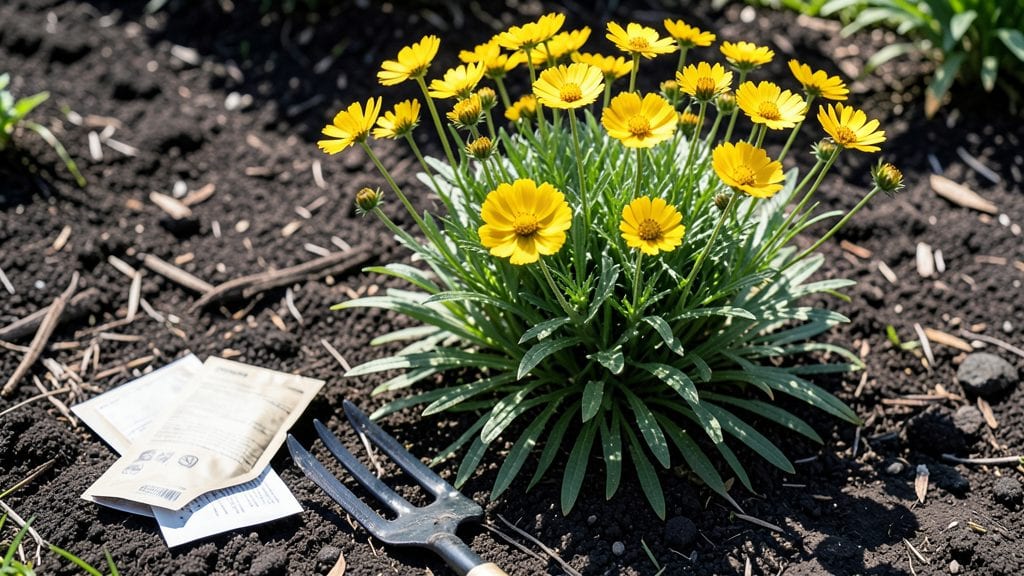
Learn how to grow a wildflower patch from scratch—it’s like painting with nature’s own brush, except the colors shift with each season. 🌸 The key to success starts with the right soil prep and seed mix, because a wildflower meadow isn’t just pretty. it’s a thriving ecosystem that supports pollinators and cuts down on mowing time.
You’ll need a sunny spot (at least 6 hours of light daily), a rake, some native wildflower seeds, and patience—though the hard work pays off in just 4-6 weeks of vibrant blooms. The secret?
Skipping the tilling (wildflowers love undisturbed soil) and choosing seeds suited to your climate. I’ve found that a mix of black-eyed Susans, coneflowers, and milkweed delivers nonstop color with almost no effort.
Once established, your patch will need minimal watering—just enough to keep seeds moist for the first few weeks. After that, rain does the work, and the flowers reward you with months of blooms while providing food for bees and butterflies.
The best part? No weeding required if you crowd out weeds with thick planting.
Spring or fall planting gives the best start, but even late summer works in cooler climates. The first year might look sparse, but by year two, your meadow will burst into life—low-maintenance, high-impact beauty that keeps giving back to the environment. Let’s get those seeds in the ground!
📚 In This Guide
- What you need
- Instructions
- Tips and common mistakes
- Wrapping up and next steps
What you need
- ● Wildflower seeds: Choose a native mix suited to your climate (e.g., 1 lb for a 100 sq ft patch). Look for no-mow or pollinator-friendly blends.
- ● Soil: Topsoil (2–3 inches deep) for bare spots or poor soil.
- ○ Compost (optional but highly recommended) to boost nutrients.
- ● Tools: Garden rake (for leveling soil).
- ○ Hoe or broadfork (to loosen soil, optional for compacted areas).
- ● Garden hose or watering can (with a fine rose nozzle).
- ● Location: Full sun (6+ hours/day) for most wildflowers. Partial shade works for woodland mixes.
- ● Soil prep: Clear weeds/grass (mow short or smother with cardboard + mulch).
- ● Water access: A nearby spigot or soaker hose for the first 2–3 weeks.
- ● Seed starter fertilizer (for slow-growing seeds).
- ● Mulch (straw or wood chips to retain moisture).
- ● Birdseed or suet feeders (to attract pollinators fast!).
- ● Wildflower seed tape (for precision planting).
Step-by-Step guide to establishing a thriving wildflower meadow
Transform bare ground into a vibrant, pollinator-friendly meadow with these proven techniques.
🌱 Step 1: Clear and Prepare the Site
Start by removing existing vegetation—grasses, weeds, or sod—down to bare soil. I use a sod cutter or spade to pull up roots completely. Any remaining roots will compete with your wildflowers for nutrients and light. Once cleared, rake the area smooth to eliminate debris and create an even seedbed.
Test your soil's pH if possible; most wildflower mixes prefer slightly acidic to neutral soil (pH 6.0-7.0). If your soil is heavy clay or compacted, loosen the top 6 inches with a broadfork or tiller. This improves drainage and root penetration. Avoid adding fertilizer—wildflowers thrive in lean, natural soil conditions.
💧 Step 2: Choose and Plant the Right Seed Mix
Select a wildflower seed mix suited to your climate and sunlight conditions. Native mixes require less water once established, while annual blends offer quick color but need replanting yearly. I recommend scattering seeds evenly by hand on a calm day—wind can create uneven patches.
Lightly press seeds into the soil with a rake or board, covering them with no more than ¼ inch of soil. This ensures good soil contact for germination. Water gently but thoroughly to settle seeds and moisten the soil to a depth of 1-2 inches. Avoid heavy watering, which can wash seeds away.
☀️ Step 3: Maintain Moisture and Control Weeds
Keep the soil consistently moist but not soggy for the first 4-6 weeks—this is critical for seed germination. Water deeply 2-3 times per week, aiming for ½ inch of water per session. Use a sprinkler or soaker hose to avoid disturbing the soil surface.
Once seedlings appear, reduce watering to once weekly unless your area experiences drought. Weeds will sprout alongside your wildflowers—pull them by hand when small to prevent competition. Mulch isn’t necessary, but a light layer of straw can help retain moisture and suppress weeds without smothering delicate seedlings.
✂️ Step 4: Encourage Growth and First-Year Care
By late summer, your wildflowers will establish roots but may look sparse. This is normal—first-year blooms are often minimal. Cut back dead foliage in early fall to prevent seed heads from spreading unwanted seeds. Leave some seed heads if you want natural reseeding next year.
In late fall or early spring, mow the area to 2-3 inches tall to remove old growth and encourage new shoots. Avoid mowing when flowers are in bloom to support pollinators. Over time, your meadow will develop deeper roots and require less watering—aim for once every 10-14 days once established.
🪴 Step 5: Long-Term Maintenance for a Self-Sustaining Meadow
After the first year, your wildflower patch will need minimal care. Mow once yearly in late fall or early spring, cutting back to 3-4 inches to promote fresh growth. This mimics natural meadow cycles and prevents woody plants from taking over.
Watch for invasive species like thistles or creeping charlie—pull them immediately. Native wildflowers are tough once established, but competition from aggressive weeds can overwhelm them. If your meadow looks tired after a few years, lightly rake and reseed with a mix of native perennials to refresh the display.
Tips & tricks for perfect wildflower meadow growth
Creating a thriving wildflower patch isn't just about planting seeds—it's about setting the stage for nature to do its magic. Here's how to give your meadow the best possible start.
Soil Preparation Secret: When loosening that top 6 inches of soil in Step 1, focus on breaking up compaction rather than turning the soil completely. Wildflowers prefer loose, aerated soil that mimics natural meadow conditions. I've found that using a broadfork is gentler than a tiller—it preserves soil structure while improving drainage. This step is particularly crucial in clay-heavy soils where water can pool and suffocate young roots.
Seed Scattering Strategy: For Step 2, I recommend scattering seeds on a calm day when temperatures are mild—ideally in the late afternoon. The cooler evening air helps prevent seeds from drying out before they can establish contact with the soil. You can also mix your seeds with a little fine sand (about 1 part sand to 10 parts seeds) to help distribute them more evenly. This simple trick prevents clumping and ensures a more uniform meadow.
Watering Wisdom: During those critical first 4-6 weeks in Step 3, water in the early morning to allow foliage to dry completely by evening. This prevents fungal diseases that can attack damp seedlings. I've seen many meadows fail because of overwatering—wildflowers are tough once established, but seedlings need consistent moisture without becoming waterlogged. A soaker hose works wonders for even distribution without disturbing the soil surface.
First-Year Maintenance: In Step 4, when you're cutting back dead foliage in early fall, leave some seed heads standing if you want natural reseeding. I've noticed that leaving 10-15% of the plants uncut creates a seed bank that will sprout next spring. This creates a more natural, self-sustaining meadow over time. The key is to avoid cutting everything down—just remove the majority of the dead growth to prevent seed spread while still maintaining some vertical structure.
Pro Tips for Grow A Wildflower Patch
- Creating a thriving wildflower patch isn't just about planting seeds—it's about setting the stage for nature to do its magic.
- Soil Preparation Secret: When loosening that top 6 inches of soil in Step 1, focus on breaking up compaction rather than turning the soil completely.
- Seed Scattering Strategy: For Step 2, I recommend scattering seeds on a calm day when temperatures are mild—ideally in the late afternoon.
Frequently asked questions
Got questions about transforming your space into a blooming wildflower haven? Here are some of the most common ones—and their answers—to help you get started with confidence!
How long does it take for wildflowers to grow and bloom?
Most wildflower seeds take 4-6 weeks to germinate, but full blooms may take 6-12 weeks depending on the species and weather. Some perennials (like coneflowers or black-eyed Susans) may take a full season to establish but reward you with years of color afterward. Patience pays off!
Do wildflowers need a lot of water once established?
Once your wildflower patch is 3-4 weeks old, it’s drought-tolerant! Water deeply once a week during the first month to help roots grow, then let nature take over. Overwatering can actually kill them—they thrive in dry conditions, just like their wild cousins.
Will wildflowers attract bees or other pests?
Yes—but that’s a good thing! Wildflowers are bees’ favorite buffet and support pollinators. To minimize pests, avoid over-fertilizing (they hate it!) and plant native species, which are less likely to attract invasive bugs. If you’re worried, opt for bee-friendly but pest-resistant varieties like yarrow or goldenrod.
Can I grow wildflowers in containers or small spaces?
Use deep containers (12+ inches) with drainage holes and a lightweight soil mix. Dwarf wildflowers like alyssum, baby’s breath, or creeping thyme work perfectly. Just ensure they get 6+ hours of sun daily—even balconies or window boxes can host a mini meadow!
What if my wildflowers don’t grow back next year?
Some annuals (like poppies or cosmos) die after blooming, but perennials (like milkweed or blazing star) return yearly. If your patch looks sparse, reseeding or adding a light mulch layer can help. Avoid tilling—wildflowers love undisturbed soil!
Wrapping up and next steps
Growing a wildflower patch is a rewarding way to bring beauty, biodiversity, and joy to your space—without the fuss! By choosing the right location, preparing the soil, selecting native seeds, and embracing a little patience, you’ll soon have a thriving meadow that hums with life. 🌼
Now that you’re ready to roll up your sleeves, take the first step today—whether it’s clearing a small corner of your yard or sketching out a bigger dream. Every wildflower starts as a single seed, and yours could be the beginning of something magical. Happy planting! 🌱