
Flowers
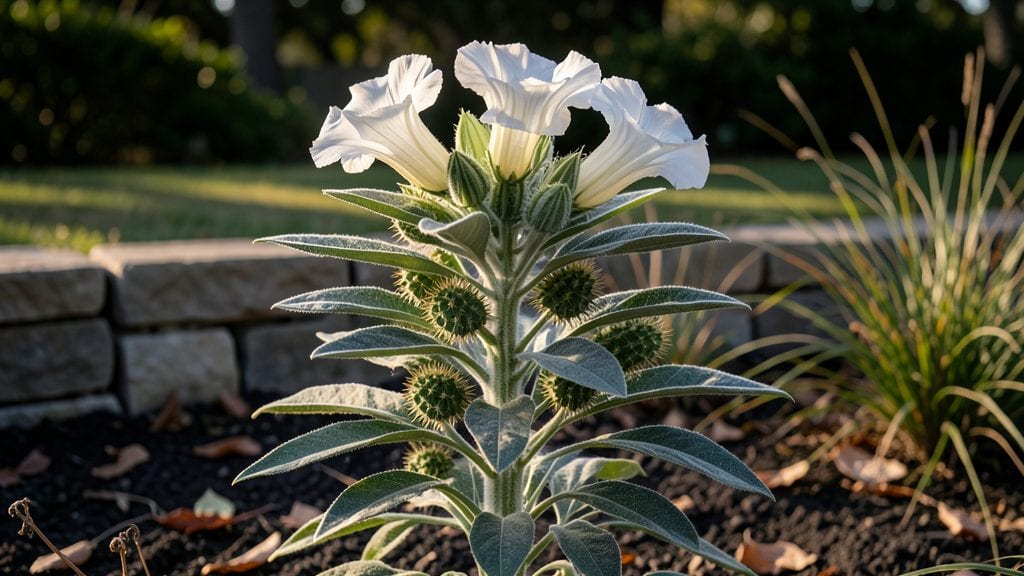
The white knight allium isn't just a flower—it's a garden game-changer with its towering, globe-shaped blooms that look like they belong in a medieval tapestry. 🌿 I fell in love with these dramatic stalks after seeing how they transformed a dull corner of my garden into a focal point that lasts from late spring into summer.
Their pure white petals catch the light in a way that makes every path feel like a grand entrance.
What makes them so special? They thrive in full sun or partial shade, need almost no fuss once planted, and pair beautifully with deep purples, soft blues, or even bold reds.
My favorite combo is white knight alliums with lavender and salvia—it creates that timeless cottage garden feel without requiring constant upkeep. The best part? They're deer-resistant, so you won’t have to worry about losing them to hungry critters.
You’ll end up with a garden that feels like a storybook illustration—tall, elegant, and effortlessly striking. The blooms dry well too, so you can bring their beauty indoors or create long-lasting arrangements. Perfect for borders, cut gardens, or even as a standalone statement piece in a pot.
Works in almost any garden style, from rustic to modern, and they’ll keep coming back year after year. Here’s how to make them the star of your space!
📚 In This Guide
- What you need
- Instructions
- Tips and common mistakes
- Wrapping up and next steps
What you need
- ● White Knight Allium bulbs: 5–10 bulbs (choose Allium ‘White Knight’ or similar varieties for bold, globe-shaped blooms).
- ● Well-draining potting mix: 2–3 gallons (use a blend with perlite or sand for aeration).
- ● Containers: Pots with drainage holes (6–8 inches in diameter) or garden beds in full sun (6+ hours/day).
- ● Compost or slow-release fertilizer: 1 cup per pot or 2 lbs per 10 sq ft for garden beds.
- ● Watering can or hose with a gentle spray nozzle.
- ○ Garden gloves (optional but recommended) 🧤—to keep hands clean while handling bulbs.
- ● Hand trowel or bulb planter (for digging holes in garden beds).
- ● Mulch (straw or shredded bark)—to retain moisture and regulate soil temp.
- ● Pruning shears—for trimming dead foliage after blooming.
- ○ Stakes or supports (optional)—if growing in windy areas or tall containers.
- ○ Slow-release bulb fertilizer (optional)—like Osmocote for extra nourishment.
Step-by-step guide to growing white Knight Alliums
Here's how to cultivate these striking blooms with minimal fuss.
🌱 Step 1: Choose the Perfect Planting Location
White Knight Alliums thrive in full sun—at least 6 hours daily. I always pick the sunniest spot in my garden because they reward you with bold, dramatic blooms when they get enough light. If your yard has partial shade, plant them where they'll receive the most sun possible, even if it means grouping them near taller plants that won't shade them out later.
These bulbs tolerate a variety of soil types but prefer well-draining soil. If your garden soil is heavy clay, mix in 2-3 inches of compost to improve drainage. You'll know you've chosen the right spot when the blooms stand tall and proud, not flopping over from weak stems.
🪴 Step 2: Plant Bulbs at the Right Depth and Spacing
Plant White Knight Allium bulbs 6-8 inches deep and 8-12 inches apart. The deeper you plant them, the stronger the stems will grow, supporting those heavy globes of white flowers. I like to dig a hole with my fingers, place the bulb in so the tip points upward, then cover it with soil. Tap the soil gently around the bulb to remove air pockets.
Don't rush planting—wait until after the last frost date in your area, usually 2-4 weeks before spring. If you plant too early, the bulbs might rot in cold, wet soil. You'll see the first shoots emerge in 4-6 weeks, signaling that your bulbs have rooted and are ready to grow.
☀️ Step 3: Provide Minimal Care for Stunning Blooms
White Knight Alliums are drought-tolerant once established, so water them deeply once a week during dry spells. You'll know they're getting enough water when the soil feels dry 1-2 inches below the surface. Overwatering can cause bulb rot, so it's better to underwater slightly than to keep the soil soggy.
Fertilize lightly in early spring with a balanced, slow-release bulb fertilizer. I like to use a 10-10-10 formula because it provides the nutrients these dramatic blooms need without overfeeding. Stop fertilizing once the flower stalks appear—too much nitrogen will encourage leaf growth at the expense of those show-stopping blooms.
✂️ Step 4: Deadhead and Prepare for Next Season
After the blooms fade, cut the flower stalks back to 1-2 inches above the soil to keep the garden tidy. This also redirects the plant's energy back into the bulb for next year's growth. I always leave the foliage until it turns yellow and dies back naturally—this ensures the bulb stores enough nutrients for the following season.
In late fall, after the foliage has died back, you can leave the bulbs in the ground. White Knight Alliums are hardy and will return year after year with even more dramatic blooms. If you're in a colder climate, consider adding a 2-inch layer of mulch to protect the bulbs from freezing temperatures.
Tips & tricks for perfect white Knight Allium blooms
These simple tricks will help you grow showstopping White Knight Alliums that keep coming back year after year.
Sunlight Secret: While 6 hours of sunlight is the minimum, I've found that these dramatic blooms actually perform best with 8-10 hours of direct sun. The more sunlight they get, the larger and more abundant your blooms will be. If you're planting in partial shade, choose the sunniest spot available—even if it means moving them to a raised bed or container garden where they'll get maximum exposure.
Planting Depth Matters: The 6-8 inch planting depth isn't just a recommendation—it's crucial for strong stems. I've seen weak, floppy stems when bulbs are planted too shallow, especially in windy locations. For extra support in windy areas, consider planting bulbs even deeper at 8-10 inches. This extra depth helps anchor the plants and prevents them from toppling over under heavy blooms.
Watering Wisdom: The once-weekly watering guideline assumes average rainfall. In hot, dry climates, you might need to water every 4-5 days instead. I test moisture by sticking my finger 1-2 inches into the soil—if it's dry at that depth, it's time to water. The key is to keep the soil consistently moist but never soggy during the growing season, especially when those dramatic flower stalks are forming.
Fertilizer Timing: That early spring fertilization is critical, but don't overdo it. I've seen gardeners add too much nitrogen when the flower stalks appear, which actually reduces bloom size. Once those stalks emerge, switch to a phosphorus-heavy fertilizer (like 5-10-10) to encourage flowering. The goal is to feed the roots while supporting those showstopping blooms, not the leaves.
Pro Tips for White Knight Flowers
- These simple tricks will help you grow showstopping White Knight Alliums that keep coming back year after year.
- Sunlight Secret: While 6 hours of sunlight is the minimum, I've found that these dramatic blooms actually perform best with 8-10 hours of direct sun.
- Planting Depth Matters: The 6-8 inch planting depth isn't just a recommendation—it's crucial for strong stems.
Frequently asked questions
Got questions about growing White Knight allium flowers? You’re not alone!
Here are answers to the most common queries—from planting tips to troubleshooting—so you can enjoy their stunning blooms with confidence.
When is the best time to plant White Knight allium bulbs?
White Knight alliums thrive when planted in early fall (6–8 weeks before frost) for spring blooms or late winter (2–3 months before last frost) for summer flowers. They’re hardy in USDA Zones 3–9, so timing depends on your climate. For year-round drama, stagger plantings every 6–8 weeks!
Why aren’t my White Knight alliums flowering this year?
No blooms? Check these common culprits:
- Improper sunlight: They need full sun (6+ hours daily)—move to a sunnier spot if needed.
- Overcrowding: Space bulbs 6–8 inches apart for airflow and growth.
- Poor soil: Amend with compost; they prefer well-draining, slightly alkaline soil (pH 6.5–7.5).
- Patience: Bulbs may take 1–2 years to establish and flower.
How long do White Knight flowers last once they bloom?
These globular beauties are long-lasting! Individual blooms stay fresh for 2–3 weeks on the plant, and cut stems last 7–10 days in a vase with fresh water. Deadhead spent flowers to encourage more blooms (but leave foliage until it yellows naturally).
Can I grow White Knight alliums in containers?
They’re perfect for pots—just use a container at least 8 inches deep with drainage holes. Plant 3–5 bulbs per 12-inch pot and mix them with other spring bloomers like tulips or daffodils. Ensure the pot gets full sun and water moderately (let soil dry slightly between waterings).
What’s a good alternative if White Knight alliums are hard to find?
If you’re struggling to locate White Knight alliums, try these striking white globe flowers with similar drama:
- Allium ‘Purple Sensation’ – Purple-pink pom-poms (great for contrast!).
- Allium ‘Globemaster’ – Giant white blooms (up to 8 inches wide!).
- Leucojum aestivum (Snowflake) – Delicate white bell-shaped flowers.
- Muscari ‘Plumosum’ (Grape Hyacinth) – Soft lavender-blue spikes.
All are low-maintenance perennials that add height and texture to gardens!
Wrapping up and next steps
White Knight allium flowers are the dramatic, low-maintenance stars of any garden—packing bold beauty with minimal fuss. Whether you’re a seasoned gardener or a curious beginner, these onion-like blooms bring year-round interest with their striking spikes and resilience.
Ready to transform your space? Start by planting just one clump this season and watch it multiply into a showstopper!
🌱 Your Next Step:
- Pick your spot—sunny, well-drained soil is key!
- Grab seeds or bulbs from a trusted nursery.
- Plant and enjoy—these beauties reward patience with months of impact.