Light Requirements
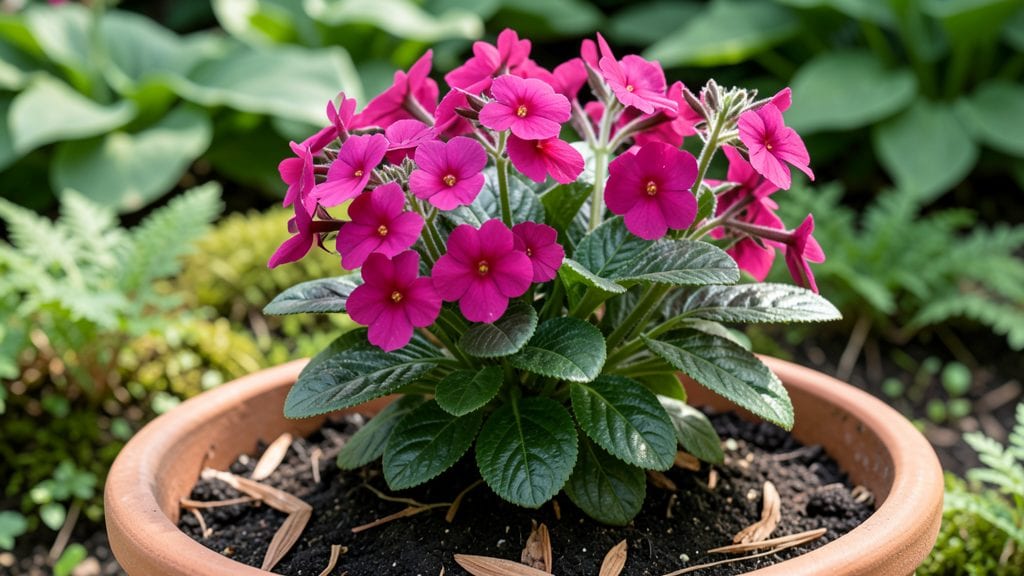
Shade-loving summer flowers prove that vibrant blooms don’t need full sun to shine—my shady garden borders now burst with color from impatiens, hostas, and astilbes that thrive where others fail.
The key is choosing plants that match your light levels: partial shade (3–6 hours of sun) for bold annuals, or full shade (less than 3 hours) for delicate perennials that flourish under tree canopies.
I swapped sun-hungry petunias for shade-tolerant begonias last year, and my garden stayed lush all summer without a single wilted leaf.
These flowers aren’t just pretty—they’re low-maintenance workhorses. Annuals like fuchsias and coleus deliver instant color, while perennials like heucheras and astilbes return year after year with minimal fuss.
Pair them with foliage plants like sweet woodruff or Japanese painted ferns for texture, and you’ll create a layered, textured shade garden that feels alive even on cloudy days. The best part? They handle humidity and dry spells better than sun-lovers, making them perfect for northern climates or east-facing beds.
Imagine stepping into a garden where deep purples, velvety reds, and buttery yellows dance under the dappled light—no harsh afternoon sun required. These shade stars bloom from early summer through fall, with some like impatiens even flowering until frost.
They’ll transform dull corners into moody, romantic retreats, whether planted in borders, containers, or tucked into woodland gardens where sunlight barely reaches. The secret is mixing heights and colors for drama, and letting the foliage do half the work.
Whether you’re working with a north-facing yard, a patio under a tree, or a balcony with limited sun, these flowers adapt effortlessly. Start with a few foolproof annuals for instant impact, then layer in perennials for long-term beauty.
The payoff? A garden that feels alive, intentional, and thriving—without the sunburned struggles of high-light plants. Ready to bring shade to life?
📚 In This Guide
- What you need
- Instructions
- Tips and common mistakes
- Wrapping up and next steps
What you need
- ● Shade-tolerant flower seeds or plants: Impatiens (New Guinea or classic varieties) – 12-24 plants
- ● Fuchsias – 6-12 plants (choose trailing or bush types)
- ● Begonias (Wax, Rex, or Tuberous) – 10-15 plants
- ● Coleus (for foliage contrast) – 6-8 plants
- ● Heuchera (Coral Bells) – 4-6 plants (perennial option)
- ● Potting soil: 2-3 bags of high-quality, well-draining peat-free potting mix (e.g., Miracle-Gro or FoxFarm)
- ● Containers or garden bed: Containers: 5-10 pots (8-12" diameter) with drainage holes
- ● Garden bed: A partially shaded area (4+ hours of dappled light/day)
- ● Fertilizer: Slow-release granular fertilizer (e.g., Osmocote) or liquid feed (e.g., Miracle-Gro Shade Food)
- ● Watering can or hose with gentle spray nozzle
- ● Gloves and hand trowel (for planting)
- ○ Mulch (optional but recommended): Shredded bark or coconut coir to retain moisture
- ● Self-watering planters for low-maintenance care
- ● Decorative garden stakes or trellises (for trailing fuchsias or ivy)
- ● Garden markers or cute plant labels (to track varieties!)
- ● Organic compost (to boost soil health)
- ● Shade cloth (if your area gets too much indirect light)
- ● Colorful garden stones or pebbles (for a polished look)
How to design a stunning shade garden with summer-blooming perennials
Low-light spots don't have to be dull—here's how to create a thriving, colorful shade garden that blooms all summer long.
🌱 Step 1: Select the Right Shade-Tolerant Species
Start by choosing plants that naturally thrive in partial to full shade (less than 6 hours of direct sun daily). My go-to shade-loving perennials include hostas for lush foliage, astilbes for feathery plumes, heucheras for vibrant foliage, and bleeding hearts for delicate, heart-shaped blooms. These varieties handle dappled light and even deep shade better than sun-loving annuals.
For maximum impact, mix three bloom times: early summer (like columbines), mid-summer (hydrangeas), and late summer (toad lilies). This ensures continuous color from June through September. Check each plant's mature size—crowding will lead to competition for nutrients and light, which weakens blooms.
☀️ Step 2: Prepare the Soil for Moisture Retention
Shade gardens often have damp, compacted soil that drains poorly. Amend the existing soil with 3-4 inches of organic compost and 1-2 inches of perlite or coarse sand to improve aeration. I like to work in peat moss for moisture retention, especially in areas with afternoon shade where soil dries out faster.
Test your soil's pH—most shade perennials prefer slightly acidic to neutral (6.0-7.0). If your soil is heavy clay, consider building raised beds with a 50/50 mix of garden soil and compost. This prevents root rot while keeping moisture levels ideal for shade plants. Water the amended soil thoroughly before planting to help it settle.
🪴 Step 3: Plant with Layered Depth and Spacing
Arrange plants in three height tiers: tallest in the back (hydrangeas, astilbes), mid-height (heucheras, ferns), and shortest in front (ajugas, sweet woodruff). This creates visual depth and ensures no plant is overshadowed. Space perennials 12-24 inches apart, depending on their mature width—check the plant tag for guidance.
Dig holes twice as wide as the root ball but only as deep. Gently loosen the roots if they're circling and place the plant so the top of the root ball sits just below soil level. Backfill with native soil mixed with compost, then water deeply to eliminate air pockets. Mulch with 2-3 inches of shredded bark to retain moisture and suppress weeds.
💧 Step 4: Water Deeply and Adjust for Shade Conditions
Shade gardens need consistent moisture but are prone to fungal issues if overwatered. Water deeply once a week (or more in extreme heat) until the soil is 6 inches deep and damp. You'll know it's right when water runs out the drainage holes if planted in containers, or when the top inch of soil feels moist to the touch.
In deep shade, reduce watering slightly—these areas stay damp longer. Watch for yellowing leaves, which can signal overwatering or poor drainage. If your garden has hot afternoon sun, increase watering to prevent leaf scorch. Fertilize lightly in early spring with a balanced 10-10-10 formula to encourage strong root growth before the blooming season.
✂️ Step 5: Prune and Maintain for Continuous Blooms
Deadhead spent blooms regularly to encourage more flowers—this is especially important for astilbes and bleeding hearts. Cut back wilted stems to the nearest leaf node with clean, sharp shears. In late fall, trim tattered foliage but leave seed heads (like those on toad lilies) for winter interest and wildlife.
Divide crowded perennials every 3-4 years in early spring to rejuvenate growth. Dig up clumps, separate the roots, and replant the healthiest sections. This prevents root-bound stress and keeps your shade garden vibrant. Add a slow-release fertilizer in spring to support the next season's blooms, and your garden will reward you with months of lush, low-maintenance color.
Tips & tricks for perfect shade garden design
Creating a vibrant shade garden takes thoughtful planning—here's how to avoid common pitfalls and elevate your design.
Plant Selection Strategy: When choosing your shade-loving perennials from Step 1, prioritize varieties with contrasting textures and colors. For example, pair the velvety foliage of heucheras with the airy plumes of astilbes to create visual interest. Consider adding ferns for delicate fronds that complement the bolder blooms. I've found that grouping plants with similar water needs together prevents overwatering or underwatering specific areas—this is especially important since shade gardens have inconsistent moisture levels.
Soil Preparation Insight: The soil amendment process in Step 2 deserves extra attention, particularly when dealing with clay soil. If you're working with heavy clay, consider adding vermiculite instead of perlite for even better moisture retention and aeration. Test your amended soil's texture by squeezing a handful—it should hold its shape when pressed but still crumble easily. This ideal consistency supports root development while preventing compaction that can suffocate plant roots over time.
Layering Technique: For the three-tiered planting approach in Step 3, think vertically as well as horizontally. Install a few tall ornamental grasses (like Hakonechloa) along the back edge to add movement and soften the garden's structure. When spacing your perennials, remember that mature size matters—what looks perfect now may become crowded in three years. I always mark plant locations with stakes before digging to visualize the final arrangement and ensure proper spacing from the start.
Watering Wisdom: The deep watering technique in Step 4 requires patience. Use a soil probe or long screwdriver to check moisture levels at 6 inches deep after watering—this ensures you're hydrating the root zone where plants actually need water. In deep shade areas, I've found that drip irrigation systems work best because they deliver water slowly and directly to the roots, reducing fungal risks from overhead watering. Always water in the morning to allow foliage to dry before evening, which helps prevent common shade garden diseases.
Pro Tips for Shade Loving Summer Flowers
- Creating a vibrant shade garden takes thoughtful planning—here's how to avoid common pitfalls and elevate your design.
- Plant Selection Strategy: When choosing your shade-loving perennials from Step 1, prioritize varieties with contrasting textures and colors.
- Soil Preparation Insight: The soil amendment process in Step 2 deserves extra attention, particularly when dealing with clay soil.
Frequently asked questions
Got questions about shade-loving summer flowers?
You’re not alone! Here are some of the most common queries—and their easy answers—to help you grow a lush, low-light garden with confidence.
Which shade-loving flowers bloom the longest in summer?
For nonstop color, prioritize impatiens, begonias, and fuchsias—they thrive in partial to full shade and often flower from early summer until frost. Coleus (technically a foliage plant) also delivers vibrant hues all season long. Pro tip: Deadhead spent blooms to encourage more flowers!
When is the best time to plant shade flowers for summer blooms?
Plant spring-blooming shade perennials (like hostas or astilbes) in early spring, while annuals (impatiens, lobelia) can go in after the last frost (typically late April–May in most zones). For instant impact, opt for potted plants in early summer—just water deeply to help them establish.
How do I keep shade flowers from wilting in summer heat?
Shade flowers still need consistent moisture—water deeply 2–3 times weekly (more in extreme heat). Use mulch (2–3 inches) to retain soil moisture and avoid overhead watering to prevent fungal issues. Morning watering is ideal—it gives plants a drink before the sun intensifies.
What’s a good alternative if my shade is very dark (e.g., under trees)?
For deep shade (less than 3 hours of sunlight), try heuchera, astilbe, or Japanese forest grass for texture, or caladiums for bold foliage. Even some ferns (like maidenhair or Boston fern) add greenery. Annuals like sweet potato vine can tolerate low light too—just expect slower growth than sun-loving plants.
Why are my shade flowers yellowing or drooping?
Yellow leaves often signal overwatering or poor drainage—check soil moisture and ensure pots have drainage holes. Drooping can mean thirst (water deeply) or root-bound plants (repot if needed). Leggy growth? It might need more light—gradually move plants to a slightly brighter spot (but avoid harsh sun).
Can I mix shade flowers with sun-loving plants in the same bed?
Yes! Use layering: place shade lovers (like impatiens or ferns) in the understory, while taller sun plants (e.g., black-eyed Susans) go in the back. Just ensure no competition for water—shade plants wilt faster when dehydrated. Bonus: This creates a natural, lush transition!
Wrapping up and next steps
Transforming your shady garden into a vibrant oasis is easier than you think! With the right shade-loving summer flowers—like impatiens, ferns, and astilbes—you can create a lush, colorful retreat that thrives even in low light.
These beauties not only add charm but also bring life to areas where sun-starved plants usually struggle.
Ready to get started? Pick one or two favorites from our list, gather your supplies, and begin planting! 🌿 Whether you’re a seasoned gardener or a beginner, your shady spots will soon burst with color and joy. Happy gardening!