
Trees
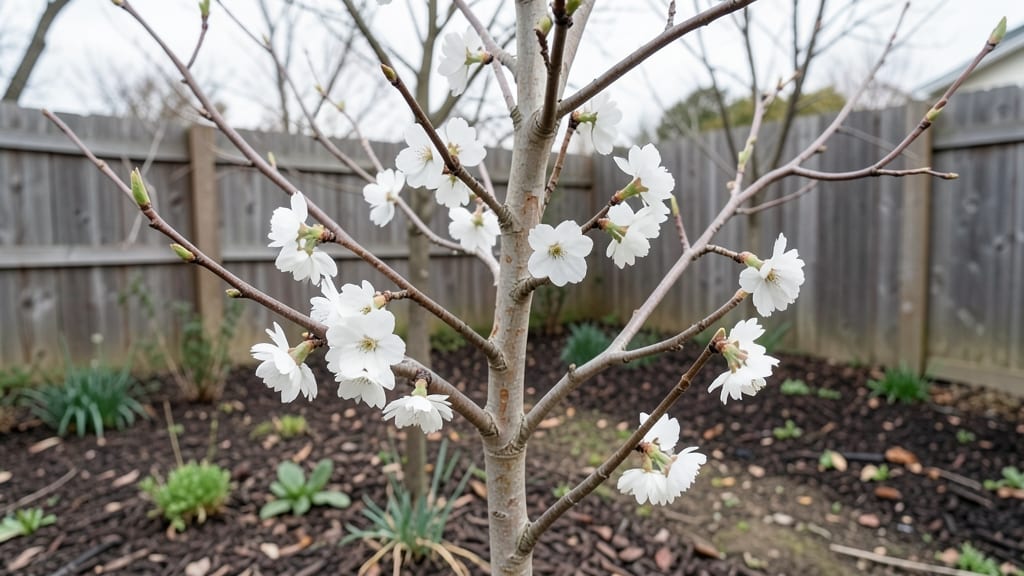
The ethereal white flowering almond tree bursts into bloom each spring, painting the garden with its delicate cloud of blossoms. That’s your white flowering almond tree putting on its best show—and it thrives in the Pacific Northwest’s chilly mornings when other trees hesitate.
I planted mine three years ago after seeing neighbors’ trees covered in snow and blooms, and now it’s the first thing people notice in my yard every March.
This tree isn’t fussy about soil as long as it drains well—sandy loam works best, but even rocky ground won’t kill it. Water deeply once a week after planting, then let nature take over; drought tolerance kicks in after the first year.
The real magic happens in full sun to partial shade, where those fragrant white flowers appear before the leaves even unfurl. Just don’t expect almonds unless you plant two varieties—most ornamental types focus on showstopping blooms, not fruit.
By late spring, you’ll have glossy green foliage that turns golden in fall, plus that signature cloud of blossoms returning every year. Prune lightly in late winter to shape it, and watch how it attracts bees before most other trees even think about waking up.
The only challenge? Keeping squirrels from nibbling buds—but that’s a small price for such dramatic spring color.
Perfect for urban yards, parks, or even large containers if you’re short on space. Once established, it’s basically maintenance-free and outshines anything else in early spring. Let’s get yours planted before next year’s bloom parade!
📚 In This Guide
- What you need
- Instructions
- Tips and common mistakes
- Wrapping up and next steps
What you need
- ● White flowering almond tree: 1 sapling (2–3 years old, Prunus glandulosa 'Alba' or similar cultivar) from a nursery or local grower (ensure it’s frost-hardy for PNW zones 5–8).
- ● OR seeds (if propagating from scratch—germination rates are low, but it’s a fun challenge!).
- ● Planting site: Full sun location (minimum 6–8 hours of sunlight daily).
- ● Well-draining soil (amend with compost if your soil is heavy clay).
- ● Space: 15–20 feet from structures or other trees (they spread!).
- ○ Soil amendments (optional but helpful): 5–10 lbs of organic compost or aged manure per planting hole.
- ● 1 cup of bone meal (for phosphorus, aiding root growth).
- ● Shovel or trowel (for digging the planting hole).
- ● Garden gloves (to protect your hands—almond tree bark can be prickly!).
- ● Watering can or hose with a gentle spray nozzle (for post-planting hydration).
- ● Mulch (2–3 inches of wood chips or straw to retain moisture and suppress weeds).
- ● Pruning shears (for shaping or removing dead branches after planting).
- ○ Stake & ties (optional)—if your tree is young or in a windy area.
- ● Timing: Plant in early spring (March–April) or fall (September–October) to avoid frost stress.
- ● Water access: Ensure a drip irrigation system or hose is nearby for the first 2–3 weeks post-planting.
- ● Frost protection: In Zone 5, consider a lightweight frost cloth for young trees in late spring.
- ● Permits (if applicable): Check local regulations—some areas require permits for large trees or invasive species (though almond trees are generally safe!).
Step-by-step guide to planting and caring for a white flowering almond tree
Transform your Pacific Northwest yard with this stunning, cold-hardy beauty that blooms earlier than most.
🌱 Step 1: Choose the Perfect Planting Location
White flowering almond trees thrive in full sun—at least 6 hours of direct sunlight daily. In the Pacific Northwest, where mornings can still be chilly, pick a spot that gets afternoon warmth but avoids late-day shade from buildings or taller trees. The tree’s natural frost resilience means it can handle light freezes, but the more sun it gets, the more spectacular its spring blooms will be.
Check your site’s drainage before planting. These trees despise soggy roots, so if your soil stays wet for more than a few days after rain, amend it with 3-4 inches of compost mixed into the top 12 inches of soil. You’ll know you’ve got good drainage when water drains freely through the soil in 2-3 hours after watering.
🪴 Step 2: Plant at the Right Time and Depth
Plant your white flowering almond tree in early spring, once the soil has warmed to at least 50°F but before new growth begins. Dig a hole twice as wide as the root ball but only as deep—planting too deep can suffocate the roots. Gently loosen the root ball if it looks compacted, then place the tree in the hole so the top of the root ball sits 1-2 inches above ground level. This slight elevation prevents water from pooling around the trunk.
Backfill with the native soil, tamping lightly every 6 inches to remove air pockets. Water deeply right after planting to settle the soil and eliminate gaps. You’ll know it’s done right when the soil around the edges of the hole looks firm and the tree stands upright without leaning.
☀️ Step 3: Water and Mulch for Strong Establishment
Water your newly planted tree deeply once a week for the first two months, providing 10-15 gallons of water per session. You’ll see the soil 12 inches down stay moist but not soggy—this encourages deep root growth. After that, water every 2-3 weeks, unless you’ve had no rain for 4+ weeks, in which case give it a deep soak. Overwatering is the fastest way to kill these trees, so always let the top 4 inches of soil dry out before watering again.
Spread 3-4 inches of organic mulch (like wood chips or bark) around the base, keeping it 6 inches away from the trunk to prevent rot. Mulch helps retain moisture, regulate soil temperature, and suppress weeds—all critical for a young tree’s first growing season. Replenish the mulch annually in early spring to maintain its protective layer.
✂️ Step 4: Prune for Shape and Bloom Health
Prune your white flowering almond tree in late winter or early spring, just before buds swell but before new growth starts. Remove any dead, crossing, or diseased branches first—these are easy to spot as they’ll be brown, brittle, or growing inward. Next, thin out 10-20% of the canopy to improve airflow and light penetration. You’ll see stronger blooms and fewer pest issues when the tree isn’t overcrowded.
Avoid heavy pruning—these trees bloom on old wood, so cutting back too much reduces next year’s flowers. Focus on shaping the tree by trimming branches that grow toward the center or rub against each other. Always use clean, sharp pruners to make cuts just outside the branch collar for the fastest healing.
⏰ Step 5: Protect and Maintain Through the Seasons
In the Pacific Northwest’s cooler climate, your white flowering almond tree will need minimal winter protection. If you’re in a colder microclimate (below 10°F), wrap the trunk with tree guard or burlap to shield it from harsh winds and temperature swings. Remove the protection in early spring once the ground thaws to avoid trapping moisture against the bark.
Fertilize once in early spring with a balanced, slow-release fertilizer (like 10-10-10) to support new growth. You’ll know it’s working when you see vibrant new leaves by late April or early May. Avoid fertilizing in fall or winter, as the tree is dormant and won’t use the nutrients. Keep an eye out for aphids or spider mites—a strong spray of water usually clears them up before they become a problem.
Tips & tricks for perfect white flowering almond tree planting
These game-changing tips will help your Pacific Northwest almond tree thrive and reward you with spectacular spring blooms year after year.
Sunlight Strategy: When selecting that perfect spot, remember the Pacific Northwest's unpredictable weather. While your tree needs at least 6 hours of sun daily, prioritize afternoon sunlight—those late-day rays are especially valuable when morning temperatures can still be chilly. I've seen trees in spots with morning sun and afternoon shade struggle to produce their best blooms, while those facing west absolutely dazzle.
Soil Prep Secret: Don't skip the drainage test! Before planting, dig a small hole nearby and fill it with water. If it drains completely within 2-3 hours, your soil is perfect. If not, amend with that 3-4 inches of compost mixed into the top 12 inches of soil as instructed. I once planted in soil that took 6 hours to drain and lost my first tree—don't make that mistake!
Planting Precision: The 1-2 inch elevation above ground level is crucial for preventing water pooling. After planting, create a shallow basin around the tree to direct water away from the trunk during those first critical waterings. This simple adjustment has saved me from root rot issues in multiple plantings.
Winter Protection Insight: For those colder microclimates below 10°F, I've found that wrapping the trunk with tree guard creates a microclimate that can protect your tree from temperature swings. Just remember to remove it in early spring once the ground thaws—trapped moisture against the bark can cause problems just as severe as winter damage.
Pro Tips for White Flowering Almond Tree
- These game-changing tips will help your Pacific Northwest almond tree thrive and reward you with spectacular spring blooms year after year.
- Sunlight Strategy: When selecting that perfect spot, remember the Pacific Northwest's unpredictable weather.
- Soil Prep Secret: Don't skip the drainage test!
Frequently asked questions
Got questions about growing and caring for your white flowering almond tree? You’re not alone! Here are some of the most common queries—plus practical answers—to help you nurture this stunning PNW favorite.
How cold can a white flowering almond tree handle?
A true frost-resistant gem, this tree thrives in USDA Zones 5-9 and can survive brief dips to 10°F (-12°C). Young trees may need winter protection (like mulch or burlap wraps) if temps drop below 15°F (-9°C). In the Pacific Northwest’s chilly springs, it’s a standout performer—just plant in well-draining soil to avoid root rot.
When do white flowering almond trees bloom, and how long does it last?
Expect late winter to early spring blooms (February–March in the PNW), often before leaves appear—a breathtaking sight! Flowers last 2–3 weeks, with peak beauty in cool weather. For extended blooms, plant in full sun (6+ hours/day) and avoid heavy pruning before winter.
Can I grow a white flowering almond tree from seed?
While possible, grafted trees are the way to go for reliable blooms. Seeds often produce bitter almonds (not edible) and may take 5+ years to flower. Buy a nursery-grown grafted variety (like ‘White Pearl’) for guaranteed white blossoms and faster results.
Do I need to prune my tree after it blooms?
Yes! Prune after flowering (late spring) to shape the tree and remove dead/diseased branches. Avoid heavy pruning in fall/winter—it can stimulate new growth vulnerable to frost. Focus on opening the canopy for airflow and sunlight to prevent fungal issues.
What pests or diseases should I watch for?
Keep an eye out for aphids, spider mites, and peach leaf curl (a fungal disease). Treat aphids with neem oil; for leaf curl, apply copper fungicide in late fall. Ensure proper spacing (15–20 ft apart) to reduce humidity-related issues like powdery mildew.
Wrapping up and next steps
The white flowering almond tree is a stunning, frost-resistant gem that brings early spring color and fragrance to the Pacific Northwest.
Whether you're a seasoned gardener or a beginner, its beauty and adaptability make it a fantastic addition to your landscape—just ensure you plant it in well-draining soil and a sunny spot for the best results!
Ready to transform your yard? 🌸 Start by checking local nurseries for young saplings, then roll up your sleeves and get planting—your future spring blooms will thank you!