
Shrubs
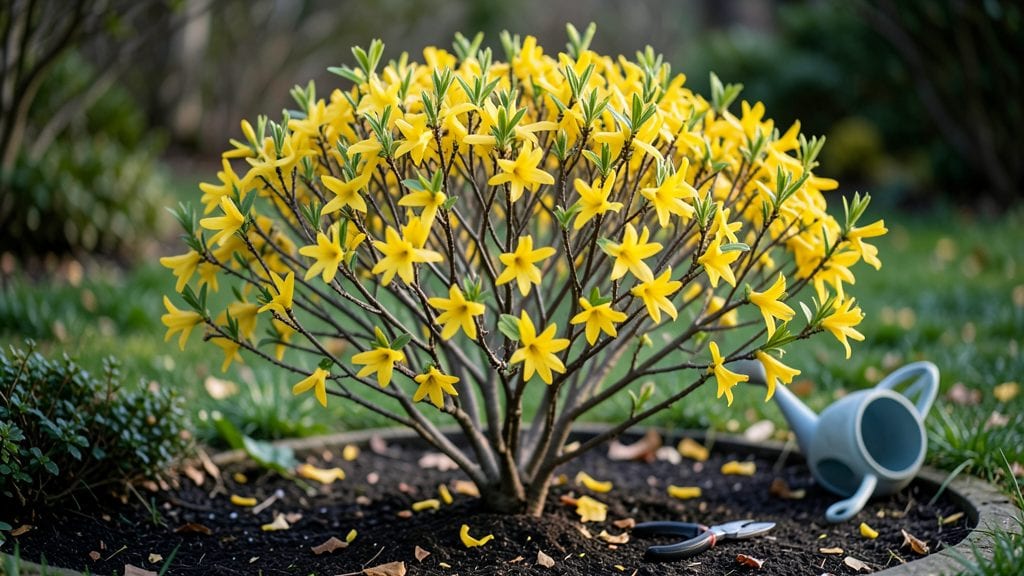
When the Pacific Northwest still feels like winter’s last stubborn hold, early flowering bushes burst through the chill with shocking color—forsythia’s golden spikes, magnolia’s velvety blooms, or azaleas’ jewel-toned clusters. I’ve planted these frost fighters for years, and they’ve never let me down, even when late frosts threaten.
The secret lies in choosing the right varieties for our damp, cool climate and giving them the care they need to wake up early.
These bushes thrive with minimal fuss: most need morning sun and afternoon shade, well-draining soil, and a light pruning right after blooming to keep them tidy.
Forsythia and magnolia handle our wet springs like champs, while azaleas love acidic soil—just add a handful of peat moss if yours is heavy clay. Plant in early fall or late winter for roots to establish before the growing rush begins.
By late March or early April, you’ll see buds swelling against bare branches, then—boom—a springtime display that makes neighbors pause their mail delivery. The blooms last 3-6 weeks, giving pollinators their first feast of the year while you sip coffee on your porch.
Prune strategically, and you’ll get repeat performances for years.
Works for shady corners, sunny borders, or even containers on patios. Here’s how to pick the perfect varieties for your yard’s microclimate—and keep them blooming reliably season after season.
📚 In This Guide
- What you need
- Instructions
- Tips and common mistakes
- Wrapping up and next steps
What you need
- ● Early flowering shrubs: Choose frost-resistant varieties like Rhododendron, Pieris japonica, Viburnum, or Daphne odora. Buy 3–5 mature plants (3–5 gallons each) for a fuller look.
- ● High-quality potting soil: 50 lbs of organic, well-draining soil (mix in 20% perlite for aeration).
- ● Compost or aged manure: 10–15 lbs to enrich the soil with nutrients.
- ● Mulch: 2–3 cubic feet of wood chips or pine bark to retain moisture and insulate roots.
- ● Garden trowel or spade: For digging holes (choose a 6–8" wide tool).
- ● Garden gloves: A pair of durable, breathable gloves to protect your hands.
- ● Watering can or hose with nozzle: A 1–2 gallon can for precision watering.
- ● Pruning shears: Bypass-style shears for shaping and deadheading.
- ● Measuring tape or ruler: To ensure proper spacing (3–6 feet apart, depending on shrub size).
- ● Slow-release fertilizer: Osmocote or similar (apply 1 tbsp per plant at planting).
- ● Frost cloth: Lightweight fabric to protect young plants during late frosts.
- ● Soil pH tester: Early bloomers like Rhododendrons thrive in acidic soil (pH 4.5–6.0).
- ● Decorative stones or edging: For a polished garden border.
How to select and plant early flowering bushes for Pacific Northwest gardens
These hardy shrubs thrive in our region’s damp springs and chilly nights—here’s how to choose and establish them for maximum bloom.
Choose Frost-Resistant Varieties for Your Microclimate
For the Pacific Northwest’s unpredictable spring weather, prioritize bushes that tolerate temperatures down to 10°F without damage. Rhododendrons like ‘Catawbiense’ and ‘Nova Zembla’ handle our wet springs beautifully, while Pieris japonica (andromeda) blooms early and resists late frosts. Check your specific zone—most of the PNW falls between 6-8, so select cultivars bred for those ranges.
Site selection matters just as much as the plant. Avoid low spots where cold air pools—even frost-resistant bushes will struggle if they’re planted in frost pockets. A south- or southeast-facing location gives them the gradual warmth they need to break dormancy without risking freeze damage. I always test a spot by planting a few annuals first; if they survive winter, it’s a good bet for shrubs.
Prepare the Planting Site for Moisture and Drainage
Early bloomers like Pacific Northwest natives (like salal or Oregon grape) and acid-loving rhododendrons demand well-draining, slightly acidic soil (pH 4.5-6.0). Mix 3 cubic feet of peat moss or pine bark fines into the planting hole to improve drainage and acidity—this is non-negotiable for most spring bloomers. If your native soil is heavy clay, amend it with composted leaf mold to retain moisture without suffocating roots.
Dig the hole twice as wide as the root ball but only as deep. Planting too deep buries the root flare (where roots meet stem) and invites rot. Water the hole thoroughly before inserting the bush—this prevents air pockets that could strangle roots. I always tap the sides of the hole gently after planting to settle the soil around roots without compacting it.
Plant and Mulch for Winter Protection
Place the bush in the hole so the top of the root ball sits 1-2 inches above ground level. This prevents soil from washing over the crown during heavy PNW rains. Backfill with native soil mixed with your amendments, firming gently in layers. Water deeply to eliminate air gaps, then apply 3 inches of wood chips or pine straw around the base—this mimics the forest floor these shrubs evolved in and insulates roots from temperature swings.
Here’s the thing—mulch too early or too late, and you’ll trap moisture or suffocate roots. Wait until soil temperatures rise above 40°F in spring before adding mulch. In fall, apply it after the first hard frost to protect roots through winter. I always leave a 2-inch gap between mulch and the stem to prevent rot.
Water and Fertilize for Strong First-Year Growth
Newly planted bushes need deep watering once a week during the first growing season, more often in summer heat. The goal is to encourage deep root growth—water slowly until it runs out the drainage holes, then let the soil dry slightly before repeating. Overwatering in winter is a common mistake; these shrubs are drought-tolerant once established, so adjust your schedule based on rainfall.
Hold off on fertilizer until new growth appears in spring—usually 4-6 weeks after planting. Use a balanced, slow-release fertilizer (like 10-10-10) at half strength. Acid-loving varieties (rhododendrons, azaleas) need iron chelate if leaves yellow between veins—a classic sign of chlorosis in our alkaline soils. I test soil pH annually and adjust with sulfur if needed.
Prune and Protect for Long-Term Blooms
Prune immediately after flowering to avoid cutting off next year’s buds. Remove dead, crossing, or weak branches first, then thin out 1/3 of the oldest stems at the base to encourage new growth. Never prune more than 25% of the bush in one season—these shrubs rely on stored energy for early blooms, and aggressive cuts weaken them.
For late frosts (which happen often in the PNW), cover tender blooms with frost cloth if temperatures dip below 28°F after buds swell. I’ve seen ‘Kramer’s Red’ rhododendrons bloom through light frost, but a hard freeze will damage flowers. Once buds open, they’re safe—focus protection on the swollen bud stage when they’re most vulnerable.
Tips & tricks for perfect early flowering bushes in Pacific Northwest gardens
Here’s what nobody tells you about getting these frost-resistant beauties to thrive—and bloom—year after year.
Microclimate Mastery: The 10°F tolerance rating is just the starting point. If your garden sits in a frost pocket (common in low spots), even these hardy bushes will struggle. I’ve seen ‘Nova Zembla’ rhododendrons survive winter only to get frost burn in spring because they were planted too low. Test your spot by planting a few annuals first—if they survive our winters, it’s safe for shrubs. Southeast-facing locations give the gradual warmth these early bloomers need to break dormancy without risking freeze damage.
Soil Science Matters: That 3 cubic feet of peat moss or pine bark fines isn’t just a suggestion—it’s the difference between thriving and struggling. Our native soils are often too alkaline and compacted for acid-loving varieties. I’ve had clients skip this step and end up with chlorotic (yellowing) leaves within months. For heavy clay soils, composted leaf mold is your secret weapon—it improves both drainage and moisture retention without suffocating roots. And remember: the root flare (where roots meet stem) should sit 1-2 inches above ground level—burying it invites rot.
Mulch Timing is Everything: Mulching too early traps moisture and suffocates roots, while waiting too long leaves them vulnerable to winter temperature swings. The 40°F soil temperature rule is non-negotiable in spring—use a soil thermometer if you’re unsure. In fall, wait until after the first hard frost before applying that 3 inches of wood chips. Pro tip: Leave a 2-inch gap between mulch and the stem to prevent crown rot. I’ve seen too many well-intentioned gardeners smother their bushes with mulch right up to the trunk.
Frost Protection Strategy: When temperatures dip below 28°F after buds swell, act fast. I’ve used frost cloth to save ‘Kramer’s Red’ rhododendrons that would have otherwise lost their blooms. The key is timing—once flowers open, they’re safe, but that vulnerable swollen bud stage is critical. For late frosts, I recommend having frost cloth on hand and checking your local forecast. A light frost might not harm the blooms, but a hard freeze will.
Pro Tips for Early Flowering Bushes
- Here’s what nobody tells you about getting these frost-resistant beauties to thrive—and bloom—year after year.
- Microclimate Mastery: The 10°F tolerance rating is just the starting point.
- Soil Science Matters: That 3 cubic feet of peat moss or pine bark fines isn’t just a suggestion—it’s the difference between thriving and struggling.
Frequently asked questions
What are the best early flowering bushes for cold climates like the PNW?
Top picks include Pieris japonica (Andromeda), Viburnum bodnantense (Winter Lilac), and Hamamelis mollis (Witch Hazel). These thrive in zones 5–8, handle frost, and burst into color as early as late winter. For extra hardiness, opt for Symphoricarpos albus (Snowberry), which blooms in spring and again in fall!
When should I plant early flowering bushes in the PNW?
Plant in early fall or late winter (before buds swell) for best root establishment. Avoid summer heat, which stresses young shrubs. If buying bare-root, plant by March 15th—sooner is better! Container-grown bushes can go in until mid-October, giving roots time to settle before winter.
Will early bloomers survive a late frost? Some varieties are more resilient than others.
Choose frost-resistant types like Viburnum plicatum (Japanese Snowball) or Cornus stolonifera (Red Osier Dogwood), which can tolerate 20–25°F without damage. For extra protection, mulch heavily (3–4 inches) and water deeply before winter. If buds freeze, new growth often emerges from the base—don’t panic!
How do I encourage more blooms next year?
Prune after flowering (late spring/early summer) to avoid cutting off next year’s buds. Feed with balanced fertilizer (10-10-10) in early spring, and water consistently during dry spells. Deadhead spent blooms (if not pruning) to redirect energy. Pro tip: Thin out crowded branches to improve airflow and reduce disease.
Why aren’t my early flowering bushes blooming this year?
Common culprits: over-fertilizing with nitrogen (promotes leaves, not flowers), poor drainage (root stress), or pruning at the wrong time. Check for pests (like spider mites) or fungal issues (e.g., powdery mildew). If the shrub is young (<3 years), it may still be establishing—patience is key!
What’s a great low-maintenance alternative to high-fuss early bloomers?
Try Weigela florida (Pink Princess) or Spiraea japonica (Goldmound). Both are drought-tolerant, deer-resistant, and bloom reliably with minimal pruning. Spiraea even handles full sun to partial shade, making it a versatile pick for small spaces.
Wrapping up and next steps
Early flowering bushes are the Pacific Northwest’s secret weapon for beating winter blues and adding vibrant color to your garden before summer even begins! 🌸 From hardy rhododendrons to cheerful azaleas, these frost-resistant stars thrive in your region’s cool, damp climate while demanding minimal fuss.
Whether you’re a seasoned gardener or a newbie with a green thumb, these bushes offer low-maintenance beauty and ecological benefits—like supporting pollinators and providing year-round structure.
Ready to transform your yard? Start small: Pick one or two varieties that match your space and sunlight, then plant them this fall for a head-start on next spring’s show. Happy gardening—your future blooms will thank you!