
Flowers
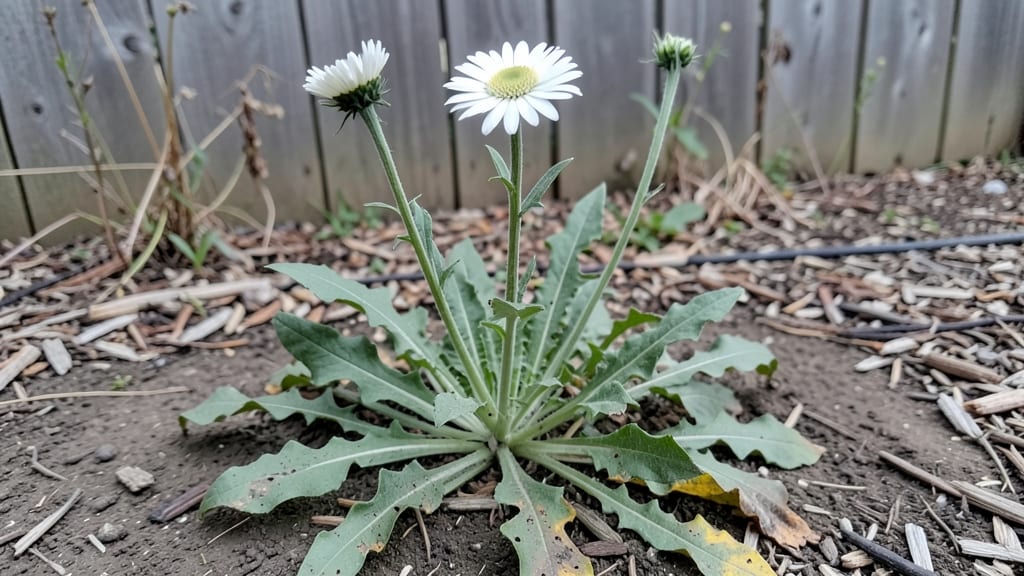
White chicory flowers transform any garden into a dreamy, ethereal retreat with their delicate, star-shaped blooms. 🌸 I’ve grown them in my own garden, and they’re not just beautiful—they’re edible too, adding a peppery crunch to salads and a sophisticated touch to cocktails.
Their silvery-blue-green foliage contrasts beautifully with vibrant blooms, making them a standout in borders or mixed containers.
The best part? They’re low-maintenance and thrive in full sun to partial shade, perfect for busy gardeners. Pair them with purple coneflowers or lavender for a striking color combo, or let them naturalize in a wildflower meadow.
Their long stems also make them ideal for cutting gardens, lasting weeks in a vase.
Imagine your garden in late summer, dotted with these luminous white stars, their petals glistening with morning dew. They attract pollinators like bees and butterflies, turning your space into a lively, buzzing ecosystem. Plus, their resilience means they’ll come back year after year with minimal effort.
Whether you’re designing a pollinator-friendly border or adding height to a mixed bed, white chicory brings effortless elegance. Let’s bring that dreamy, edible beauty to your garden—it’s easier than you think!
📚 In This Guide
- What you need
- Instructions
- Tips and common mistakes
- Wrapping up and next steps
What you need
- ● White chicory flowers: Freshly picked or store-bought (ensure they’re pesticide-free!)
- ● Quantity: At least 10–15 blooms for garnishes or small salads; 30+ for larger dishes
- ● Cleaning supplies: Lukewarm water
- ● Soft brush or cloth (for gentle cleaning)
- ○ Paper towels or salad spinner (optional but helpful)
- ● Storage containers: Air-tight container or sealed bag (for short-term storage)
- ● Damp paper towel (if storing for 1–2 days)
- ● Growing your own: Chicory seeds (variety: Cichorium intybus)
- ● Well-draining soil mix
- ● Sunny spot (6+ hours of sunlight daily)
- ● Organic fertilizer (for faster growth)
- ● Foraging tips: Field guide or app for positive ID (avoid lookalikes!)
- ● Gloves (if handling rough stems)
- ● Preservation: Silica gel packets (for drying)
- ● Food-safe dehydrator (for long-term storage)
Step-by-Step guide to growing white chicory flowers
Here's how to cultivate these delicate, edible blooms that elevate salads and cocktails alike.
🌱 Step 1: Start Seeds Indoors for Early Blooms
Chicory thrives from seed, so begin indoors 8-10 weeks before your last frost date. Fill 2-3 inch deep seed trays with sterile seed-starting mix, keeping it lightly moist but not soggy. Scatter seeds thinly—¼ inch apart—since they germinate best in shallow soil. Cover with just a sprinkle of mix (no more than ⅛ inch deep).
Place trays in a warm spot (70-75°F) under a grow light or in a sunny window. Germination takes 10-20 days, so patience is key. Once seedlings show first true leaves, thin to 1 plant per cell to avoid crowding. I always label trays with the date—chicory grows fast, and you’ll want to track progress.
☀️ Step 2: Harden Off and Transplant Outdoors
Two weeks before transplanting, harden off seedlings by moving them outdoors for 1-2 hours daily, gradually increasing exposure. Chicory loves full sun but tolerates light shade—just avoid heavy afternoon heat in hot climates. Choose a spot with well-draining soil and space plants 12-18 inches apart in rows 18 inches apart for airflow.
Transplant on a cool, overcast day to reduce stress. Bury seedlings slightly deeper than their containers to encourage strong root growth. Water deeply at the base—avoid wetting leaves, which can invite fungal issues. Mulch with 1-2 inches of organic mulch to retain moisture and suppress weeds.
💧 Step 3: Maintain Soil and Water for Continuous Blooms
Chicory prefers consistently moist but not waterlogged soil. Water 1-2 inches deep every 2-3 days during dry spells, adjusting for rainfall. Overwatering causes yellowing leaves, while underwatering leads to bitter blooms—neither is ideal for culinary use. I check soil moisture by pressing a finger 1 inch deep; if dry, it’s time to water.
Fertilize lightly with a balanced organic fertilizer (10-10-10) every 4-6 weeks to support growth. Chicory is drought-tolerant once established but produces sweeter, more tender blooms with regular care. Watch for pests like aphids—a strong spray of water usually removes them without harming the plant.
✂️ Step 4: Harvest and Encourage More Blooms
Harvest flowers in the early morning when they’re fully open but still crisp. Snip stems 2-3 inches below the bloom with clean scissors to encourage new growth. Use blooms immediately or store in a paper towel-lined container in the fridge for 2-3 days. For continuous harvests, deadhead spent blooms promptly—this redirects energy to new flowers.
Chicory’s bitter leaves can also be blanched for salads, but focus on the white flowers for their delicate, slightly sweet flavor. If plants bolt (send up tall stems), harvest leaves first—they’re still edible and less bitter than later growth. With proper care, you’ll enjoy weeks of blooms perfect for garnishes and infusions.
Tips & tricks for growing perfect white chicory flowers
Between us, chicory flowers are one of the most rewarding edible plants to grow—but they demand precision. Here's what I've learned from years of trial and error to ensure you get those delicate, snow-white blooms every time.
Seed Depth and Spacing: Those ¼ inch apart and ⅛ inch deep measurements in Step 1 aren't arbitrary—they're crucial. Chicory seeds need light to germinate, so don't bury them deeper than a sprinkle. I've ruined batches by covering them too thickly, which leads to poor germination. Use a fine mist spray bottle to keep the seed-starting mix lightly moist without creating soggy conditions. A seedling heat mat set to 70-75°F speeds up germination from 10-20 days to just 7-10 days.
Hardening Off Strategy: The gradual 1-2 hour daily outdoor exposure in Step 2 is non-negotiable for transplant success. I've seen seedlings shock and die when moved too quickly to full sun. Start with just an hour in partial shade, then increase by 30 minutes each day. Watch for wilting—if you see this, the plant isn't ready for more sun. A simple shade cloth (50% coverage) during the first few days of hardening off prevents sunburn while still allowing light adaptation.
Watering Wisdom: The 1-2 inches deep watering guideline in Step 3 is about more than just moisture—it's about encouraging deep root growth. Water slowly at the base rather than overhead to prevent fungal issues. I use a moisture meter to check soil conditions, aiming for that "slightly damp" feel at 1 inch deep. Early morning watering prevents evaporation and gives roots time to absorb moisture before heat sets in. Mulch acts as a moisture blanket, so always maintain that 1-2 inch layer after transplanting.
Harvest Timing: That early morning harvest window in Step 4 is when flowers are at their peak freshness and flavor. The 2-3 inches below the bloom cut encourages branching and more flowers. I harvest with clean, sharp scissors to avoid damaging stems. Store blooms in a paper towel-lined container in the fridge—they'll keep their crispness for 2-3 days. For continuous harvests, I deadhead every morning and evening, which keeps plants producing for weeks.
Pro Tips for White Chicory Flower
- Between us, chicory flowers are one of the most rewarding edible plants to grow—but they demand precision.
- Seed Depth and Spacing: Those ¼ inch apart and ⅛ inch deep measurements in Step 1 aren't arbitrary—they're crucial.
- Hardening Off Strategy: The gradual 1-2 hour daily outdoor exposure in Step 2 is non-negotiable for transplant success.
Frequently asked questions
Can I grow white chicory flowers at home, and how long does it take?
Yes! White chicory flowers (like Cichorium intybus) thrive in cool weather and can be grown from seed or transplanted. Start seeds indoors 6–8 weeks before the last frost, or sow directly in spring/fall. Expect blooms in 8–12 weeks under ideal conditions (full sun, well-drained soil). Pro tip: Deadhead spent flowers to encourage more blooms!
Are white chicory flowers safe to eat raw, or do I need to cook them first?
Absolutely safe raw! Their mild, slightly bitter flavor shines in salads, garnishes, or cocktails. For a sweeter taste, lightly blanch them in boiling water for 10–15 seconds before using. Avoid overcooking—they turn mushy and lose their delicate texture. Bonus: Pair them with honey or citrus to balance their bitterness.
What can I substitute if I can’t find white chicory flowers?
No problem! Try these substitutes for a similar look and flavor:
- Borage flowers (cucumber-like taste, vibrant blue/purple)
- Violet flowers (sweet, fragrant, and edible)
- Dandelion blooms (bitter, but harvest young for milder flavor)
- Endive or radicchio leaves (for a bitter crunch in salads)
How long do white chicory flowers stay fresh after picking?
Fresh-picked chicory flowers last 3–5 days in the fridge, wrapped in a damp paper towel to retain moisture. For longer storage, try this trick: Trim stems, place stems-down in a jar of water (like cut flowers), and cover loosely with a plastic bag. Use within a week for peak flavor.
What’s the best way to use white chicory flowers in cocktails?
These blooms add a elegant, herbal note to drinks! Float one or two on top of gin-based cocktails (like a White Russian or Tom Collins) or muddle a petal into a mojito for a floral twist. Pro move: Infuse vodka or gin with chicory flowers for 24 hours before straining—it adds a subtle bittersweet depth!
Why are my white chicory flowers wilting or turning yellow?
Common issues and fixes:
Issue
Cause
Solution
Wilting quickly
Thirsty or hot weather
Water deeply at the base (avoid wetting leaves) and provide afternoon shade in extreme heat.
Yellowing leaves
Overwatering or nutrient deficiency
Let soil dry slightly between waterings and fertilize lightly with compost tea.
No blooms
Too much nitrogen or not enough sun
Reduce fertilizer and ensure 6+ hours of sunlight daily.
Wrapping up and next steps
From vibrant salads to elegant cocktails, white chicory flowers bring a touch of sophistication and freshness to your culinary creations. 🌸 Their delicate flavor and striking appearance make them a versatile ingredient for both home cooks and mixologists alike.
Whether you're experimenting with edible garnishes or adding a unique twist to your dishes, these blooms are a game-changer!
Ready to elevate your next meal or drink? Start small—pick a recipe, gather your supplies, and let your creativity bloom! Happy cooking (and sipping)! 🍽️🥂