
Flowers
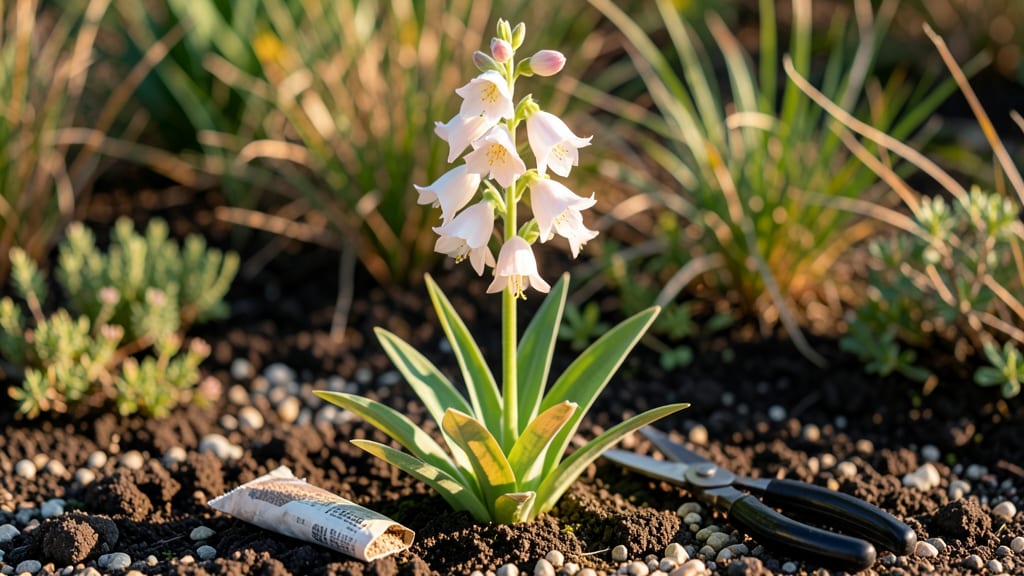
Growing white bell flower campanula in the Pacific Northwest means you get a frost-hardy, long-blooming star that thrives where many flowers struggle. 🌿 I’ve watched mine survive winters with just a dusting of snow, then burst into delicate white bells by early spring—proof that beauty and resilience go hand-in-hand.
The key is choosing the right spot and variety, like Campanula persicifolia, which handles our damp, cool summers with ease.
These plants love bright but indirect light, making them perfect for woodland edges or partially shaded borders. Well-draining soil is a must—amend heavy clay with compost to keep roots happy—and water only when the top inch feels dry.
Once established, they’re low-maintenance, but a light trim after blooming keeps them tidy and encourages next year’s flowers.
You’ll be rewarded with clusters of bell-shaped blooms from late spring through summer, their pure white petals contrasting beautifully against deep green foliage. The best part? They multiply over time, creating natural drifts that look effortless.
For extra plants, divide clumps in early spring or take root cuttings in fall—both methods are foolproof.
In our climate, campanulas handle winter dormancy like champs, so no fuss is needed beyond a light mulch layer. Just remember: patience pays off.
These perennials may take a year or two to really settle in, but once they do, they’ll reward you with decades of cheerful blooms—with almost no work from you.
📚 In This Guide
- What you need
- Instructions
- Tips and common mistakes
- Wrapping up and next steps
What you need
- ● Campanula seeds or nursery plants: Choose frost-hardy varieties like Campanula lactiflora or Campanula persicifolia. Start with 3–5 plants for a small garden or 10+ for a full border.
- ● Well-draining potting mix: A blend of 50% peat moss or coco coir, 30% perlite, and 20% compost (for seedlings) or native soil amended with compost (for outdoor planting).
- ● Containers (if starting indoors): 4–6 inch pots with drainage holes (for seedlings) or gallon-sized containers for larger plants.
- ● Organic mulch: 2–3 inches of shredded bark, straw, or wood chips to retain moisture and protect roots from frost.
- ● Garden trowel or transplant spade (for digging and planting).
- ● Pruning shears (for deadheading and shaping).
- ● Watering can or hose with a gentle spray nozzle (to avoid disturbing soil).
- ● Gloves (to protect hands from thorns or rough soil).
- ○ pH testing kit (optional): Ideal soil pH for campanula is 6.0–7.0.
- ● Sunlight: Partial shade (4–6 hours of morning sun) or dappled shade (ideal for PNW’s damp climate).
- ● Hardiness zone: USDA Zones 3–8 (perfect for the Pacific Northwest!).
- ● Water source: Consistent moisture (but avoid waterlogging).
- ● Frost tolerance: Campanula thrives in cool climates—no extra protection needed beyond mulch!
Step-by-Step instructions for planting frost-hardy campanula in the Pacific Northwest
Here's how to get those delicate white bells thriving in your cool, damp climate.
🌱 Step 1: Choose the Right Location and Prepare the Soil
Campanula loves partial shade, so pick a spot that gets morning sun and afternoon shade—especially in hotter summer months. In the Pacific Northwest, this means west-facing or north-facing areas where afternoon sun won't scorch the foliage. Avoid low spots where cold air pools, as campanula dislikes soggy roots.
Loosen the soil to a depth of 12 inches with a garden fork or tiller. Campanula prefers well-draining, slightly acidic soil (pH 6.0-7.0). If your soil is heavy clay, mix in 2-3 inches of compost and a handful of perlite to improve drainage. The roots need room to spread, so avoid compacted ground.
🪴 Step 2: Plant at the Correct Depth and Spacing
Dig holes twice as wide as the root ball but only as deep as the container—campanula dislikes being buried too deep. Gently remove the plant from its container and tease out any circling roots. Place the root ball in the hole so the top is level with the surrounding soil. Firm the soil lightly around the roots to eliminate air pockets.
Space plants 12-18 inches apart for a lush, cascading effect. If you're planting in clusters, arrange them in odd-numbered groups (3, 5, or 7) for a natural, balanced look. Water deeply right after planting to settle the soil and encourage root contact. You'll know it's right when the soil surface looks slightly firm but not rock-hard.
☀️ Step 3: Water and Mulch for Pacific Northwest Conditions
Water deeply once a week during the first growing season, allowing the top 2 inches of soil to dry out between waterings. Campanula is drought-tolerant once established, but young plants need consistent moisture. In the Pacific Northwest's cool, wet climate, overwatering is more likely than underwatering—soak the soil thoroughly but avoid puddles.
Apply a 2-inch layer of mulch (like shredded bark or pine needles) around the base of the plants, keeping it 2 inches away from the stems to prevent rot. Mulch helps regulate soil temperature and retains moisture, which is especially helpful during our unpredictable spring rains. Replenish mulch annually in early spring to protect roots from winter frosts.
✂️ Step 4: Prune and Maintain for Long-Term Blooms
Deadhead spent flowers by snipping the stems just above a set of healthy leaves in early summer. This encourages more blooms and prevents the plant from putting energy into seed production. Campanula often self-seeds, so you may see volunteers popping up nearby—these can be transplanted or left to naturalize for a wildflower effect.
In late fall, cut back the foliage by one-third to tidy the plant and remove any diseased or damaged stems. This also helps the plant enter dormancy more smoothly, making it more resilient to Pacific Northwest frosts. Avoid heavy pruning in winter, as campanula's evergreen leaves provide some protection against cold snaps.
Tips & tricks for perfect campanula planting in the Pacific Northwest
These practical tips will help you avoid common mistakes and get your white bell flowers thriving in our unique climate.
Soil Preparation Secret: In Step 1, when loosening that 12-inch depth of soil, take a moment to feel the texture. Campanula roots need to spread freely, so break up any dense clumps with your fingers—no need for heavy equipment. If your soil feels compacted, mix in an extra handful of perlite beyond the 2-3 inches mentioned. This creates tiny air pockets that prevent soggy roots, which campanula absolutely hates in our wet climate. Think of it as giving your plants' roots room to breathe.
Planting Depth Caution: I've seen too many gardeners bury campanula too deep in Step 2, thinking "more soil equals better." But campanula's delicate stems need to stay at the soil surface level—just like the instructions say. Here's a trick: After placing the root ball, gently pat the soil and check the top of the root ball. It should sit just slightly above ground level, not buried. If it looks too deep, add a little more soil around the sides and pat again until it's perfect.
Watering Wisdom: That "deeply once a week" guideline in Step 3 is your golden rule, but here's the thing about Pacific Northwest weather: Our spring rains can be unpredictable. After your first deep watering, stick your finger 2 inches into the soil. If it feels damp, wait a few extra days. If it's bone dry, water again. Young campanula roots can't handle soggy soil, but they also won't survive drought. This finger test is your best friend for getting the watering just right.
Mulch Placement Tip: When applying that 2-inch layer of mulch in Step 3, keep it 2 inches away from stems to prevent rot—this is critical. But here's what nobody tells you: Create a little "mulch volcano" around each plant. Mound the mulch slightly higher in the center and let it slope gently downward. This creates a natural water channel that directs rainwater away from the stems during our frequent spring showers. It's a simple trick that prevents stem rot and keeps your campanula looking its best.
Pro Tips for White Bell Flower Campanula
- These practical tips will help you avoid common mistakes and get your white bell flowers thriving in our unique climate.
- Soil Preparation Secret: In Step 1, when loosening that 12-inch depth of soil, take a moment to feel the texture.
- Planting Depth Caution: I've seen too many gardeners bury campanula too deep in Step 2, thinking "more soil equals better."
Frequently asked questions
Got questions about growing white bell flower Campanula in the Pacific Northwest? We’ve got answers!
Here are some of the most common concerns—from planting to pests—so you can cultivate these frost-resistant beauties with confidence.
When is the best time to plant white bell flower in the PNW?
Plant Campanula in early spring (March–April) or early fall (September–October) for best results. This timing lets roots establish before summer heat or winter frost. If starting from seeds, sow them indoors 8–10 weeks before the last frost date. For transplants, choose cooler days to reduce stress!
How cold-hardy is white bell flower, and does it survive PNW winters?
Most Campanula varieties thrive in USDA Zones 3–8, making them perfect for the PNW’s frosty winters. They’re perennial and return yearly, though heavy snow or ice may damage foliage. Mulch around the base in late fall to protect roots. Varieties like Campanula lactiflora are especially resilient!
How often should I water white bell flower, especially in rainy PNW climates?
Water Campanula deeply but infrequently—about once a week, unless it’s unusually dry or hot. Overwatering can lead to root rot, so ensure well-draining soil. In the PNW’s damp seasons, check soil moisture before watering; these plants prefer consistency over soggy conditions.
What pests or diseases should I watch for with white bell flower?
Common issues include aphids (sap-sucking pests), slugs (especially in wet climates), and powdery mildew (from poor airflow). Remove pests by hand or use neem oil. For mildew, space plants for airflow and avoid overhead watering. Healthy soil and pruning spent blooms help prevent most problems!
Can I grow white bell flower in containers, or does it need garden space?
Yes! Campanula adapts well to containers, especially trailing varieties like Campanula poscharskyana. Use a 5–7 gallon pot with drainage holes and well-draining potting mix. Place in partial shade and water consistently. Just ensure the container stays cool in summer—these plants dislike heat stress.
Why isn’t my white bell flower blooming as expected?
Lack of blooms often stems from too much nitrogen (focus on balanced fertilizer), overcrowding (prune or divide clumps), or poor light (they prefer partial shade). Deadhead spent flowers to encourage more blooms. If growth is leggy, it may need more sunlight or a spring pruning to promote bushiness.
Wrapping up and next steps
Growing white bell flower campanula in the Pacific Northwest is a rewarding journey—one that brings delicate beauty and resilience to your garden! 🌸 With the right soil, sunlight, and care, these frost-hardy blooms will thrive year after year, offering a stunning contrast to your landscape.
Whether you're a seasoned gardener or just starting, the key is patience and attention to their needs.
Ready to transform your garden? Start small—plant a few campanulas this season and watch them flourish! For even more inspiration, explore companion plants or creative container ideas to elevate your floral displays. Happy gardening! 🌿