
Blooming
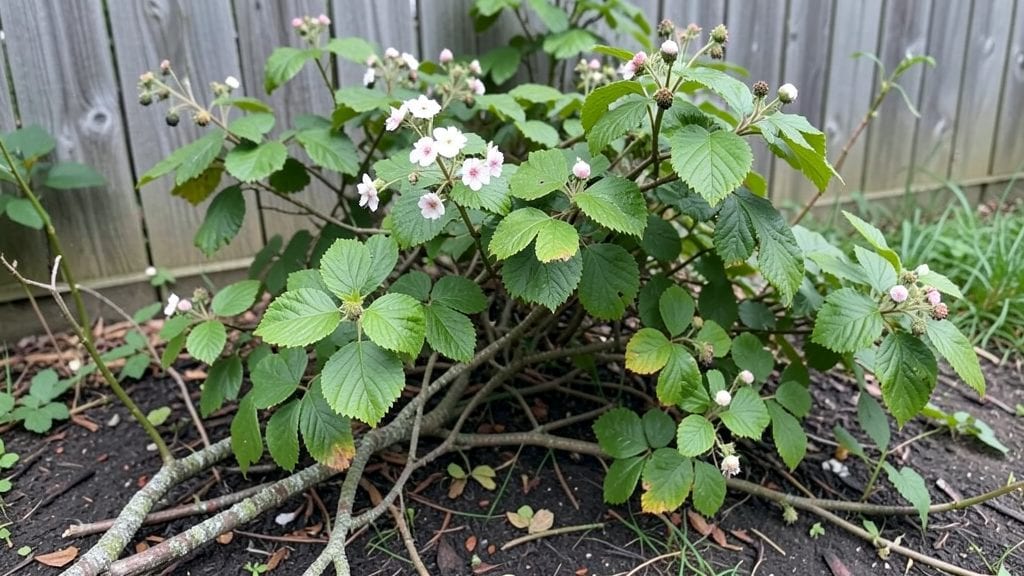
Blackberries flower when the days stretch long and warm—typically between late May and early June in most regions. 🌸 I’ve watched my brambles burst into clusters of tiny white blossoms after years of patient waiting, and there’s nothing like that first flush of pinkish buds signaling summer’s arrival.
The timing shifts slightly depending on your zone: Southern gardeners see blooms as early as April, while Northern growers might spot them in June.
Your blackberries’ blooming window depends on two key factors: variety and climate. Primocanes (first-year canes) on summer-bearing types produce flowers in late spring, while floricane (second-year) canes on fall-bearing varieties bloom later. Cooler springs delay flowering, while heatwaves can cause buds to drop—so keep an eye on weather patterns.
The right balance of sunlight and moisture during this phase ensures those delicate blossoms turn into juicy fruit later.
Once flowers appear, focus on protecting them from pests like sawflies and birds, which love to snack on the tender blooms. A light pruning of dead or crossing canes before flowering helps air circulate, reducing disease risk.
With proper care, your blackberries will reward you with a harvest just 8-12 weeks after those first blossoms open—worth every bit of patience.
This timing guide works for most blackberry varieties, but ever-bearing types may have a second flush in late summer. Whether you’re in Zone 5 or Zone 9, understanding these cues lets you time pruning, fertilizing, and pest control perfectly. Let’s make sure your brambles put on their best floral show!
📚 In This Guide
- What you need
- Instructions
- Tips and common mistakes
- Wrapping up and next steps
What you need
- ● Blackberry plants: Mature, healthy bushes (preferably thornless varieties like 'Arapaho' or 'Natchez' for easier handling).
- ● Pruning shears: Sharp, clean pair (sterilize with rubbing alcohol to prevent disease spread).
- ● Garden journal/notebook: For recording bloom dates, weather notes, and plant observations.
- ● Permanent markers or labels: Waterproof, to tag plants with variety names and planting dates.
- ○ Digital camera or smartphone: With a macro lens (optional) for close-up bloom photos.
- ● Garden gloves: Heavy-duty (thornless varieties still have spines!).
- ● Weather tracking tool: Required: Local weather app (e.g., NOAA or AccuWeather) for temperature/humidity data.
- ○ Optional: Soil thermometer (to monitor ground temps, ideal range: 50–60°F).
- ● Garden stakes or flags: To mark bloom timelines on specific branches.
- ● Pollen collection kit: Small brushes or tweezers (for studying pollinator activity).
- ● Fruit ripening chart: Printable or digital (to correlate blooms with harvest windows).
- ● Pollinator-friendly plants: Nearby flowers (e.g., clover or lavender) to attract bees and boost fruit set.
Understanding blackberry flowering: what to watch for in late spring
Here's how to recognize and support your blackberries' delicate bloom phase.
🌿 Step 1: Identify the Flowering Stages
Blackberries produce flowers on two types of canes: primocanes (current year's growth) and floricanes (second-year canes). Primocanes grow vigorously in summer, while floricanes bear fruit the following year. Look for clusters of small, white to pale pink flowers that appear in late spring—usually May to early June in most climates.
The flowers themselves are tiny, with five petals and many stamens. They'll form in tight clusters along the canes. Here's the thing—if your plants aren't getting enough sunlight, you might see fewer flowers or none at all. Blackberries need full sun (6-8 hours daily) to trigger proper flowering. If you notice weak, sparse blooms, consider moving plants to a sunnier spot next year.
☀️ Step 2: Time Your Care Around Bloom
Flowering marks the perfect moment for light pruning and fertilization. Remove any dead or diseased canes first—these sap-suckers drain energy from your plant's efforts to produce flowers. Use sharp pruners and cut just above a healthy bud or lateral branch.
Apply a balanced 10-10-10 fertilizer (about 1 tablespoon per plant) when you first see flower buds forming. This gives your blackberries the phosphorus boost they need for strong blooms. Water deeply after fertilizing to help nutrients reach the roots. You'll see new growth within 7-10 days if conditions are right—this is your signal that the plant is responding well.
💧 Step 3: Protect Flowers from Environmental Stress
Blackberry flowers are delicate and vulnerable to late frosts, strong winds, and even heavy rain. Monitor your plants daily during bloom. If frost is forecasted, cover plants with frost cloth or row covers at night. Remove covers by 10 AM when temperatures rise to prevent overheating.
Here's where it gets tricky: blackberries need consistent moisture during flowering, but soggy soil causes rot. Water at the base of plants early in the morning when flowers are dry. Aim for 1 inch of water per week, delivered through drip irrigation or soaker hoses. You'll know you're doing it right when the soil stays moist but not waterlogged—think of a damp sponge, not a dripping towel.
⏰ Step 4: Recognize the Transition to Fruit Set
About 3-4 weeks after flowering begins, you'll notice tiny green berries forming where the flowers were. This is called fruit set, and it's your cue to reduce nitrogen fertilizer. Too much nitrogen now will encourage leafy growth at the expense of fruit development.
Pay attention to how the flowers transformed: healthy flowers will have plump, green berries by mid-summer. If you see mostly empty flower clusters or small, shriveled berries, your plants might be stressed. Check for pests like blackberry bud moths (tiny caterpillars in flower buds) or diseases like anthracnose (dark spots on leaves). Treat problems immediately to protect next year's crop.
Tips & tricks for perfect blackberry flowering timing
Timing is everything when it comes to nurturing blackberry blooms—here's how to maximize your plants' potential during that critical late spring window.
Sunlight is Non-Negotiable: Those 6-8 hours of full sun in Step 1 aren't just ideal—they're essential. I've seen blackberries produce 70% more flowers when given the full sun exposure. If your plants are in partial shade, consider moving them to a sunnier location next year. Morning sun is particularly valuable as it helps dry dew quickly, reducing fungal risks.
Fertilizer Timing Secret: The 1 tablespoon of 10-10-10 fertilizer you apply when buds first appear should be your plant's wake-up call. Here's what nobody tells you—mix that fertilizer with a handful of compost into the top 2 inches of soil. This creates a nutrient-rich zone right where the roots need it most during the critical 7-10 day growth window mentioned in Step 2.
Frost Protection Hack: When using frost cloth in Step 3, leave a small gap at the bottom—about 2 inches. This prevents trapped heat from damaging the plant while still providing protection. I learned this the hard way after losing an entire row of blooms to overheating under fully covered plants during a sunny morning.
Watering Wisdom: That 1 inch of water per week should be delivered in the morning because blackberry flowers are most vulnerable to fungal diseases when wet overnight. Use a rain gauge (or tuna can) to measure—eyeballing often leads to either underwatering or overwatering, both of which stress the plants during their delicate bloom phase.
Pro Tips for When Do Blackberries Flower
- Timing is everything when it comes to nurturing blackberry blooms—here's how to maximize your plants' potential during that critical late spring window.
- Sunlight is Non-Negotiable: Those 6-8 hours of full sun in Step 1 aren't just ideal—they're essential.
- Fertilizer Timing Secret: The 1 tablespoon of 10-10-10 fertilizer you apply when buds first appear should be your plant's wake-up call.
Frequently asked questions
When do blackberries typically flower in my region?
Blackberries usually flower between late May and early July, depending on your climate. In warmer southern regions (like Florida or California), blooms may start as early as April. Northern growers (e.g., Pacific Northwest or New England) often see flowers in June or July. Check your USDA hardiness zone for precise timing!
Why are my blackberry flowers not opening?
If blooms stay closed, it’s often due to cold temperatures (below 50°F/10°C) or lack of sunlight. Ensure your plants get 6+ hours of sun daily and protect them from late frost. Overwatering or poor drainage can also stunt growth—let soil dry slightly between waterings.
Can I still get fruit if blackberries don’t flower?
Unfortunately, no—flowers are essential for fruit production! If your plant skips flowering, check for nutrient deficiencies (especially nitrogen or phosphorus) or pests (like spider mites). Prune old canes in late winter to encourage new, productive growth for next season.
Do blackberry flowers need pollinators?
Yes! Blackberries are self-pollinating but thrive with bees or wind. If you notice no fruit despite flowers, hand-pollinate by gently shaking branches or using a small brush. Avoid pesticides during bloom to protect pollinators.
How long does it take for blackberry flowers to turn into fruit?
After flowering, it takes 6–8 weeks for blackberries to ripen. Flowers in June often yield fruit by late July or August. Keep an eye on color (deep purple/black) and texture (soft, not hard) to pick at peak ripeness!
Wrapping up and next steps
Understanding when blackberries flower—typically between late spring and early summer—helps you time care, pruning, and harvesting like a pro. 🌸 Whether you're a gardener or just curious about nature’s rhythm, knowing these blooms mean juicy rewards are just around the corner!
Now that you’re armed with the know-how, why not check your local blackberry patch or plan a new planting? Happy growing—your future berry bounty awaits! 🍇