Blooming
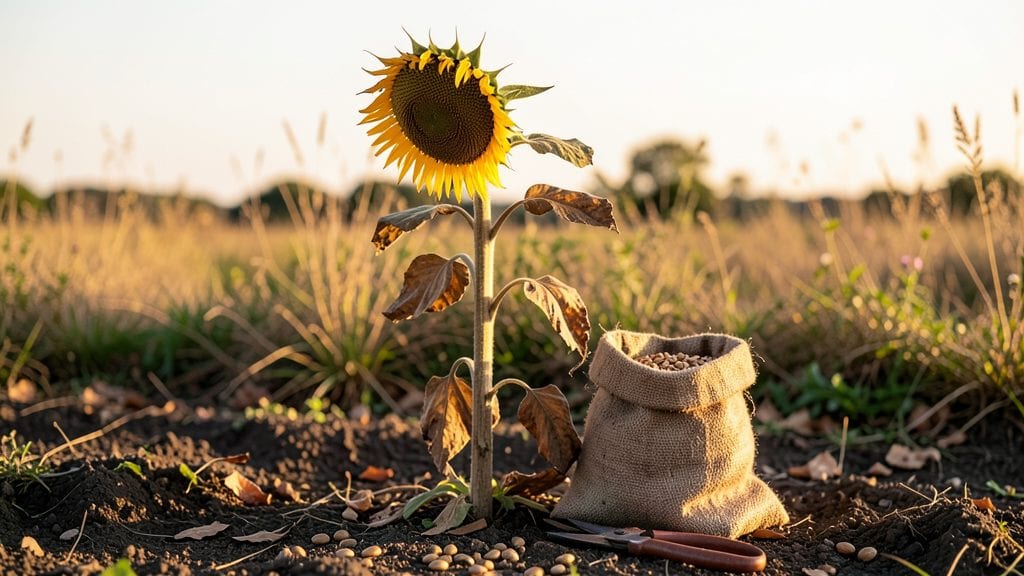
What to do with sunflowers after they die? They’re far from over—they’re just waiting for their next chapter. 🌻 After those golden faces droop, you’ve got options: harvest seeds for next year’s garden, snip stems for crafts, or let them stand as winter wildlife hotels.
The choice depends on what you want from your garden space.
Here’s the thing—sunflowers are multi-purpose after blooming. Deadhead spent flowers to encourage a second flush of blooms on some varieties, or leave them for birds to feast on seeds.
The stems alone can be dried for floral arrangements, turned into rustic vases, or even woven into baskets. Every part has potential beyond the garden bed.
You’ll end up with sturdy stems for DIY projects, a stash of seeds for planting, or a tidy garden that still serves wildlife. The key is acting before the stems turn brittle—whether that means cutting, drying, or composting. Let’s turn those post-bloom stalks into something useful.
Works for gardeners who want to reduce waste, boost next year’s harvest, or simply keep their space looking intentional. No matter your goal, there’s a way to make sunflowers work for you long after they’ve finished blooming.
📚 In This Guide
- What you need
- Instructions
- Tips and common mistakes
- Wrapping up and next steps
What you need
- ● Dried sunflower heads (1–10+ depending on project scale; fully dried for crafts, fresh for cooking)
- ● Scissors or pruning shears (sharp, clean pair for cutting stems—bonus if they’re bypass-style for precision!)
- ○ Gloves (optional but recommended) (gardening gloves to protect hands from thorns or sap)
- ● Newspaper or cardboard (for drying/seeding—large enough to lay flat under sunflowers)
- ● Paper bags or envelopes (for seed collection—1–2 brown paper lunch bags work perfectly)
- ● Twine or rubber bands (to secure seed heads or bags)
- ● Hot glue gun + glue sticks (for attaching sunflowers to wreaths or frames)
- ● Wire or floral tape (for securing stems in arrangements)
- ● Frame or canvas (for pressed sunflower art—8x10” or larger)
- ● Mod Podge or clear sealant (to preserve dried flowers in crafts)
- ● Paint & brushes (acrylic or tempera for decorating sunflower pots or frames)
- ● Fresh sunflower seeds (harvested from unopened buds—1–2 cups)
- ● Oven-safe baking sheet (for roasting seeds at 300°F)
- ● Olive oil or melted butter (2–3 tbsp for tossing seeds)
- ● Salt, spices, or honey (to taste—try smoked paprika or cinnamon for flavor!)
- ● Mason jars or airtight containers (for storing seeds or sunflower greens)
- ● Compost bin or pile (for breaking down stems/leaves—no special tools needed!)
- ● Shovel or garden fork (to chop stems into smaller pieces for faster composting)
- ● Seedling trays (if propagating) (small pots or biodegradable peat pellets for growing new sunflowers)
Creative ways to repurpose sunflowers after their blooming season
Here’s how to turn those towering stems into something new—no waste, just inspiration.
🌿 Step 1: Harvest and Dry the Stems Properly
Once sunflowers fade, cut stems at the base with clean shears. Bundle 5-6 stems together and secure with twine or a rubber band. Hang upside down in a dry, well-ventilated spot—like a garage or porch—for 2-4 weeks. You’ll know they’re ready when the heads rattle when shaken and stems snap cleanly.
If you’re short on space, lay stems flat on a screen or newspaper in a single layer. Avoid direct sunlight to prevent mold; indirect light speeds drying without risking rot. I’ve found that stems dried this way hold their shape better for crafts.
✂️ Step 2: Clean and Prepare Heads for Crafting
Remove any remaining seeds or dried petals by gently rubbing the head between your palms or with a soft brush. For a polished look, wipe the head with a damp cloth to remove dust. If you plan to paint or dye the stems, skip this step—dirt and oils help stains adhere better.
Save the seeds! Spread them on a tray in a warm, dry place for 1-2 weeks until fully dry. Store in a paper bag in a cool, dark spot—they’ll last for years and make great bird feeders or compost starters.
🪴 Step 3: Choose Your Upcycling Project
For wreaths or wall art, arrange dried stems in a circular pattern and glue them to a grapevine or foam base. Use floral wire to secure stems at the back. I like to add dried flowers or ribbons for extra texture—sunflowers pair beautifully with eucalyptus or lavender.
To make candle holders, strip stems of leaves and branches, then place them upright in a deep bowl or vase. Fill with sand or pebbles to weigh them down, then add a votive candle. The natural shape adds rustic charm to any room.
💧 Step 4: Preserve for Long-Term Use (Optional)
If you want sunflowers to last beyond the season, spray dried heads and stems with clear acrylic sealer in a well-ventilated area. This locks in color and prevents fading. For a natural finish, brush stems with beeswax—it adds a subtle sheen and protects against moisture.
Store finished pieces in a cool, dry place away from direct sunlight. Wrap stems in acid-free tissue paper to prevent yellowing. I keep my sunflower crafts in a labeled box with silica gel packets to absorb any lingering moisture.
☀️ Step 5: Compost or Mulch the Remaining Plant Matter
Once you’ve extracted everything useful, chop the leftover stems into 1-2 inch pieces and add them to your compost pile. Sunflower stems break down quickly and add valuable nutrients to the soil. If you’re not composting, use them as mulch around perennials—they’ll suppress weeds and retain moisture.
Real talk: Don’t toss those stems! Even the scraps have purpose. I’ve used sunflower mulch to protect my strawberry plants over winter, and the stems broke down just enough to feed the soil by spring.
Tips & tricks for perfect sunflower upcycling
Here’s what nobody tells you about making the most of your sunflowers after they’ve finished blooming.
Drying Strategy: The 2-4 week drying time in Step 1 might feel long, but patience pays off. If you’re in a hurry, speed up the process by placing stems in a warm, dry spot (like near a sunny window) for 1-2 weeks, then finish them in a dehydrator set to 120°F for 4-6 hours. This preserves their shape without risking mold—just check them daily to avoid over-drying.
Seed Salvation: Don’t overlook those seeds from Step 2! After drying them for 1-2 weeks, store them in a paper bag in the freezer for up to 6 months to extend their shelf life. For an extra treat, roast seeds in a dry skillet over medium heat for 5-7 minutes until fragrant, then sprinkle with a pinch of salt. They make a great zero-waste snack or bird feeder filling.
Project Personalization: In Step 3, when creating wreaths or candle holders, think outside the box. For wreaths, add small bells or feathers for a whimsical touch. For candle holders, try arranging stems in a spiral pattern or mix in other dried flowers like baby’s breath for contrast. The key is balancing the sunflower’s bold presence with complementary textures.
Preservation Hack: If you’re using the optional acrylic sealer in Step 4, work in thin layers—thick coats can cause drips or uneven finishes. For a natural look, beeswax not only adds shine but also repels dust, making your sunflower crafts last longer. Apply with a soft cloth in circular motions for an even coat.
Pro Tips for What To Do With Sunflowers After They Die
- Here’s what nobody tells you about making the most of your sunflowers after they’ve finished blooming.
- Drying Strategy: The 2-4 week drying time in Step 1 might feel long, but patience pays off.
- Seed Salvation: Don’t overlook those seeds from Step 2!
Frequently asked questions
Got questions about what to do with your sunflowers after they’ve reached the end of their blooming life? You’re not alone! Here are some of the most common queries—and practical answers—to help you make the most of your post-sunflower journey.
When is the best time to harvest sunflower seeds?
Harvest seeds when the flower head turns brown and the back of the seed is dry and black. This usually happens 8-12 weeks after flowering. Wait too long, and birds or pests may snatch them first! Cut the head off, dry it in a warm, dark place for a week, then rub the seeds free.
Can I replant sunflower stems or leaves after the flower dies?
Sunflower stems and leaves are not typically replanted, but you can compost them! Chop them into smaller pieces first to speed up decomposition. Avoid replanting seeds from store-bought sunflowers—they’re often hybrid and won’t grow true to type.
How do I preserve sunflowers for crafts or arrangements?
For long-lasting sunflowers, dry them upside-down in a dark, well-ventilated space for 2-4 weeks. Once fully dry, remove the stems and store the heads in a cool, dry place. You can also preserve them in glycerin for a glossy, everlasting look!
What should I do if birds or squirrels keep eating my sunflower seeds?
Cover the heads with mesh bags or netting once they’re dry but before they’re fully ripe. If you’re harvesting for bird feeders, leave a few heads on the plant for wildlife to enjoy—it’s a great way to support local birds while still getting some seeds for yourself!
Are there any sunflower parts I should not compost?
Avoid composting sunflower heads if they show signs of mold, mildew, or pest damage, as these can introduce unwanted pathogens to your compost pile. Healthy stems and leaves, however, are perfect for enriching your soil naturally!
Wrapping up and next steps
Sunflowers don’t have to say goodbye when their blooming days end—they can spark creativity, nourish the earth, or even brighten your home in unexpected ways!
Whether you’re preserving their beauty, repurposing their seeds, or giving back to nature, there’s a meaningful way to honor their cycle. Start small: pick one idea from this guide and turn your sunflowers into something new today. 🌻✨
- Need inspiration? Try saving seeds for next year’s garden or crafting a wreath—your future self (and plants!) will thank you.
- Ready to dive deeper? Explore DIY projects or share your sunflower upcycling wins with the gardening community!