
Pests
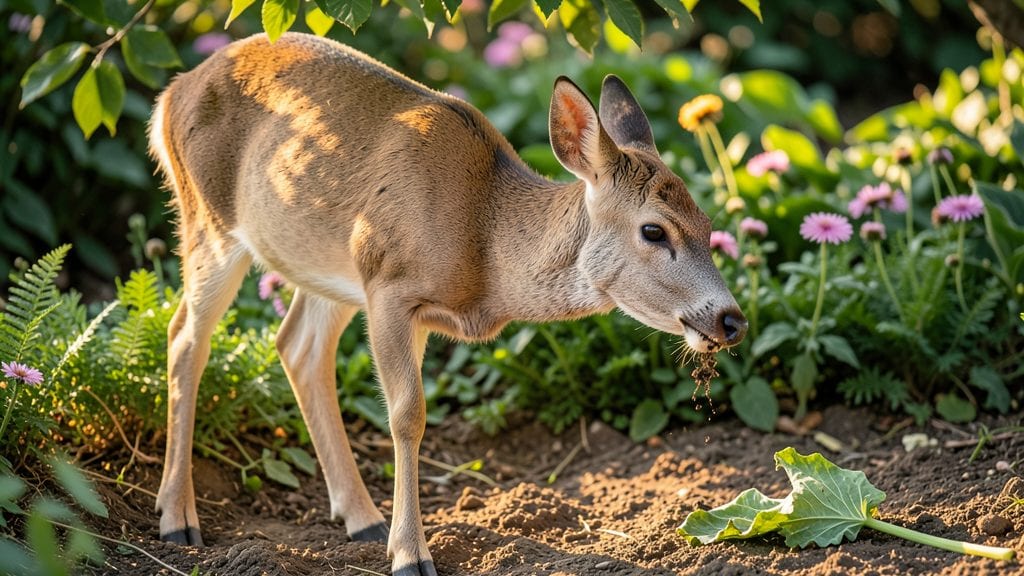
What fall flowers do deer not eat can turn your garden into a deer-proof haven—try bitter-tasting Lobelia or Snapdragons, which deer avoid with their strong flavors. 🌿 I learned this the hard way after my Helleborus (Lenten rose) survived a deer attack while nearby hostas bit the dust. were demolished.
The secret lies in plants with milky sap, fuzzy foliage, or toxic compounds that deer instinctively avoid.
These deer-resistant stars thrive in fall’s cooler weather and brighten gardens with purple, white, and deep red blooms. Lobelia (6–12 inches tall) spreads like a groundcover, while Snapdragons (12–36 inches) add vertical interest.
Both bloom from September through frost, and their bitter taste keeps deer browsing elsewhere. Plant them in well-drained soil with morning sun for best results.
You’ll end up with a garden that stays intact through fall’s final months—no more chewed leaves or missing blooms. The key is combining these with strongly scented herbs like lavender or rosemary nearby, which further repel deer.
These varieties also attract pollinators like bees and butterflies, giving you double the benefit.
Perfect for mixed borders, containers, or cottage-style gardens, these flowers need minimal care beyond regular watering and deadheading. Try Helleborus for winter interest or Asters (1–4 feet) for late-season color—they’re all deer-proof and low-maintenance once established.
📚 In This Guide
- What you need
- Instructions
- Tips and common mistakes
- Wrapping up and next steps
What you need
- ● Deer-resistant fall flowers (5–10 plants per variety): Daffodils (Narcissus) – 6–8 bulbs
- ● Larkspur (Delphinium) – 3–5 plants
- ● Foxglove (Digitalis) – 4–6 plants
- ● Bleeding Heart (Dicentra) – 3–5 plants
- ● Hellebore (Helleborus) – 5–7 plants
- ● Allium (Allium) – 4–6 bulbs
- ● Garden soil or potting mix: 1–2 bags (2–3 cubic feet each) (ensure it’s well-draining)
- ● Compost or organic fertilizer: 1 bag (5–10 lbs) (for nutrient-rich soil)
- ● Gloves (gardening): 1 pair (to protect your hands)
- ● Hand trowel or small shovel: 1 unit (for planting bulbs/seeds)
- ● Watering can or hose with spray nozzle: 1 unit (for gentle watering)
- ○ Mulch (optional but recommended): 1 bag (2–3 cubic feet) (straw, pine straw, or shredded leaves)
- ● Deer repellent spray: 1 bottle (natural options like garlic or rotten egg scent)
- ● Fencing or deer-proof netting: Enough to cover vulnerable areas (if deer are persistent)
- ● Plant markers: 5–10 units (to label varieties)
- ● Knee pads: 1 pair (for comfort during planting)
- ● Pruners: 1 pair (for trimming dead foliage in late fall)
How to select and plant deer-resistant fall flowers
Here’s the proven approach to choosing and planting flowers deer won’t touch—without fences or repellents.
🌱 Step 1: Choose Deer-Deterring Flower Varieties
Deer avoid flowers with strong fragrances, fuzzy textures, or bitter compounds. Focus on lobelia (especially Lobelia siphilitica), Russian sage (Perovskia atriplicifolia), and asters—their deep roots and aromatic foliage are unappealing. Other top picks include black-eyed Susan (Rudbeckia hirta), bee balm (Monarda), and shasta daisy (Leucanthemum × superbum), all of which contain natural toxins deer find unpleasant.
I always check the plant’s USDA hardiness zone (most deer-resistant fall bloomers thrive in zones 3-9) and height at maturity to plan spacing. For example, Russian sage grows 3-5 feet tall, while lobelia stays under 2 feet, making them ideal for layered fall borders. Avoid tender annuals like marigolds—deer will nibble them first.
☀️ Step 2: Plant in High-Traffic or Sheltered Areas
Deer are less likely to browse where they feel exposed. Plant your selections near fences, walls, or dense shrubs where they’ll hesitate before entering. I’ve found that east-facing beds receive morning sun without overheating, which helps stressed plants recover faster from deer encounters. Space plants 18-24 inches apart to allow airflow and discourage fungal issues from overcrowding.
Dig holes twice as wide as the root ball but only as deep. Press the soil firmly around roots to eliminate air pockets—this ensures roots anchor quickly. Water deeply immediately after planting to settle the soil and reduce transplant shock. Mulch with 2-3 inches of shredded bark (not fresh wood chips) to suppress weeds and retain moisture.
💧 Step 3: Water Strategically to Boost Resilience
Deer-resistant flowers still need consistent moisture during establishment. Water deeply 2-3 times per week until roots establish (4-6 weeks), then taper to once weekly once blooms appear. I use drip irrigation on a timer to avoid wetting foliage—damp leaves attract pests and fungal diseases.
Check soil moisture by pushing a finger 1-2 inches deep—if it feels dry, water. Overwatering stresses plants, making them more vulnerable to deer browsing. In late fall, reduce watering as temperatures drop, but keep soil slightly moist to prevent winter dieback.
✂️ Step 4: Maintain with Pruning and Deadheading
Remove spent blooms weekly to encourage more flowers and prevent seed production (which attracts deer). For perennials like Russian sage, cut back by ⅓ in early spring to promote bushy growth. I always sanitize pruners with rubbing alcohol between cuts to prevent disease spread.
Fertilize lightly in early spring with a balanced 10-10-10 formula—too much nitrogen produces soft growth deer love. Avoid high-nitrogen fertilizers in fall, as they encourage tender new shoots that deer target first. Instead, side-dress with compost in late summer to feed roots without encouraging top growth.
🪴 Step 5: Layer with Deer-Repellent Ground Covers
Add creeping thyme (Thymus serpyllum) or lamium (Lamium galeobdolon) around the base of your flowers. Their strong minty scent deters deer, and their low-growing habit fills gaps without competing for nutrients. Plant ground covers 6-12 inches apart and water lightly until established.
For extra protection, interplant alliums (Allium spp.)—their onion-like aroma is universally disliked by deer. Bulbs like ornamental onions (Allium cepa) or Nectaroscordum (Nectaroscordum siculum) bloom in late summer and fall, providing both color and deterrence. Space them 8-12 inches apart for a natural, deer-proof border.
Tips & tricks for protecting your garden from deer
Here's what I've learned from years of testing these deer-resistant varieties—small details that make all the difference between a nibbled garden and a thriving fall display.
Plant Placement Strategy: In Step 2, when positioning your flowers near fences or walls, create a layered defense. Plant taller varieties like Russian sage (3-5 feet) closest to the deer's entry point, then work your way to shorter plants like lobelia (under 2 feet) toward the center. This forces deer to navigate through the most aromatic plants first, which they'll avoid. I've found that adding a 12-inch border of creeping thyme around the perimeter acts as a natural scent barrier they won't cross.
Soil Preparation Secret: Before planting, amend your soil with 2-3 inches of compost mixed into the top 6 inches of planting area. This boosts root resilience, which is crucial for deer-resistant varieties that often have deep root systems. The compost also helps retain moisture during the critical 4-6 week establishment period mentioned in Step 3, when plants are most vulnerable to stress—and therefore, deer browsing.
Seasonal Maintenance: In late fall, when deer are most desperate for food, switch your watering routine to what I call "stress training." Instead of keeping soil slightly moist, let it dry out slightly between waterings. This encourages plants to develop tougher cell walls that deer find less appealing. Just be careful not to let soil become completely dry—push your finger 2 inches deep to check moisture levels before watering.
Deer-Proof Layering: When implementing Step 5's ground cover layer, consider adding ornamental onions (Allium cepa) in a checkerboard pattern between your main flowers. Their strong onion scent creates scent corridors that deer instinctively avoid. Space them 10-12 inches apart between your existing plants—this spacing allows them to establish while still providing maximum protection without competing for nutrients.
Pro Tips for What Fall Flowers Do Deer Not Eat
- Here's what I've learned from years of testing these deer-resistant varieties—small details that make all the difference between a nibbled garden and a thriving fall display.
- Plant Placement Strategy: In Step 2, when positioning your flowers near fences or walls, create a layered defense.
- Soil Preparation Secret: Before planting, amend your soil with 2-3 inches of compost mixed into the top 6 inches of planting area.
Frequently asked questions
Got questions about keeping deer away from your fall garden without sacrificing beauty? Here are some of the most common concerns—and answers—to help you plan like a pro.
Which deer-resistant flowers bloom the longest in fall?
Look for Lobelia, Salvia, and Russian Sage—these tough varieties not only deter deer with their bitter or aromatic foliage but also thrive well into late autumn. Daffodils (yes, they’re technically spring bloomers) often rebloom in cooler months and are a deer’s worst nightmare. Pro tip: Pair them with Allium for extra staying power and pest protection!
When should I plant these flowers for fall blooms?
For most deer-resistant fall flowers, aim to plant 6–8 weeks before your first frost (check your USDA zone). Mums and Asters can handle cooler soil, so you can push it to 4–6 weeks out. Bulbs like daffodils? Plant them in late September to early October for winter interest. Don’t wait too long—deer are opportunistic, and late plantings may not establish roots before their appetites peak!
What if deer still eat my "resistant" flowers?
Even bitter-tasting plants can get nibbled if deer are desperate (drought? heavy snow?). Try these fixes:
- Fencing: A 8-foot tall fence is the gold standard—deer can jump surprisingly high!
- Repellents: Spray rotten eggs, hot pepper wax, or commercial deer repellents (reapply after rain).
- Distractions: Plant a deer buffet (like clover or alfalfa) a few yards away to lure them elsewhere.
Last resort: Add thorny plants like Barberry or Roses near your garden as a natural barrier.
Are there any edible fall flowers deer avoid?
Yes! Calendula (edible petals!) and Nasturtiums are both deer-resistant and safe for humans. Violas and Pansies (mildly bitter) also work well. Bonus: These add color to salads or garnishes while keeping your garden intact. Just avoid Datura or Foxglove—they’re toxic to both deer and people!
Which deer-resistant flowers are the most budget-friendly?
Start with perennials like Lavender, Catmint, or Yarrow—they’re affordable, spread easily, and deer hate their scent. Seeds for Cosmos or Zinnias (annuals) are also cost-effective and self-seed for next year. Skip rare or hybrid varieties—they’re pricier and often less resilient. Local nurseries or seed swaps are great for deals!
Wrapping up and next steps
Transforming your garden into a deer-resistant haven is totally doable with the right bitter-tasting fall flowers! From daisies to lobelia, these blooms not only add beauty but also act as natural deterrents. 🌿🐦 Now that you’re armed with this knowledge, why not take the next step?
Start by planting a few of these deer-proof varieties and watch your garden thrive—without the unwanted visitors!
Pro Tip: 💡 Pair these flowers with deer-resistant shrubs or fencing for extra protection. Happy gardening!