
Plants
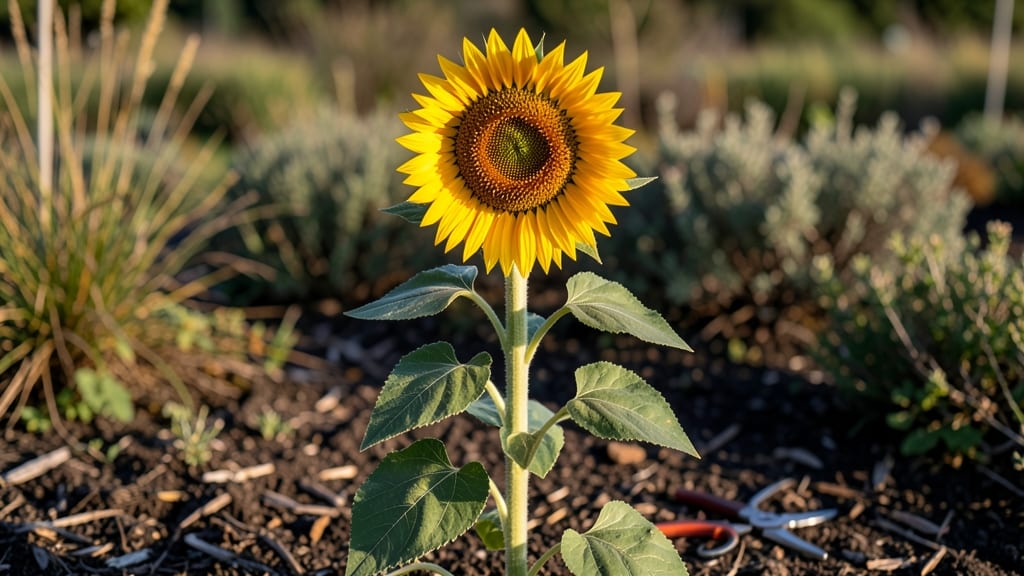
What do sunflower stalks look like in their early days? Those velvety green shoots, with their hairy, rough texture, instantly set them apart from other plants. 🌻 That fuzzy coating isn’t just for show—it’s a built-in defense against pests and harsh sunlight.
When you first spot them, they’re often just 6 inches tall, but within weeks, they’ll shoot up like a skyscraper, reaching heights of 5 to 12 feet depending on the variety.
The leaves are another dead giveaway: broad, toothy-edged, and arranged alternately along the stem, almost like a spiral staircase. Young stalks are hollow and fibrous, while mature ones develop a thicker, woody core—perfect for spotting when it’s time to prune or harvest.
The branching pattern also changes as they grow, with side shoots appearing only after the main stalk reaches its full height.
Recognizing these stalks early helps you time pruning, prevent overcrowding, and spot problems like powdery mildew or aphids before they take hold. A healthy stalk stands straight and sturdy, while stressed ones may lean or develop strange bumps.
Once you learn these visual cues, you’ll never mistake a sunflower for anything else in your garden.
This knowledge also makes harvesting easier—wait until the back of the flower head turns yellow and the stalk feels dry and papery at the base. Whether you’re growing for seeds, cut flowers, or bird feed, understanding the stalk’s lifecycle ensures you get the best results from your plants.
📚 In This Guide
- What you need
- Instructions
- Tips and common mistakes
- Wrapping up and next steps
What you need
- ● Fresh or dried sunflower stalks – Harvested from mature sunflowers (Helianthus annuus), preferably 3–6 feet tall for best texture and structure. (Tip: Choose stalks with a rough, hairy exterior and a hollow center.)
- ● Pruning shears or sharp knife – For clean cuts (sterilize blades with rubbing alcohol if reusing).
- ● Measuring tape or ruler – To track stalk diameter (typically ½–1 inch thick) and height.
- ○ Magnifying glass (optional but helpful) – Reveals fine details like tiny hairs (trichomes) or resinous spots.
- ● Notebook & pen – To sketch or jot down observations (e.g., stalk color, texture, or branching patterns).
- ● Camera or smartphone – For close-up photos of stalk features like ridges, nodes, or leaf scars.
- ● Natural dyes – Turmeric, coffee, or beet juice to stain stalks for crafts (e.g., wreaths or sculptures).
- ● Hot glue gun or twine – To secure stalks into arrangements or frames.
- ● Acrylic paint & brushes – For painting stalk textures or creating botanical art.
- ● Oven or dehydrator – To dry stalks thoroughly for long-term storage or projects.
- ● Field guide or plant ID app – To compare sunflower stalks with similar plants (e.g., Jerusalem artichoke or wild sunflowers).
How to identify sunflower stalks at every growth stage
Sunflower stalks transform dramatically from seedling to towering giant—here's how to spot them at each phase.
🌱 Step 1: Spot the Tiny Seedlings
New sunflower sprouts emerge with two small, round cotyledons (the first leaves) that look like tiny maple leaves. These appear 5-10 days after planting when soil stays consistently moist. The stem at this stage is barely 1/8 inch thick and often hidden beneath the soil surface.
Here's the thing—you might confuse them with dandelion seedlings at first. Look for the hairy texture on the stem even at this early stage. Run your fingers along it: you'll feel fine, downy hairs that distinguish sunflowers from other young plants. The leaves will soon develop serrated edges, another key identifier.
🌿 Step 2: Recognize the Juvenile Phase
By 3-4 weeks, sunflower stalks grow 1-2 feet tall with a rough, ribbed texture that feels almost sandpapery. The stems develop prominent vertical grooves and turn a deeper green. You'll notice the leaves grow larger with each node, arranged alternately along the stem.
At this stage, you can identify them by their rapid vertical growth. Unlike many plants that branch early, sunflowers stay single-stemmed until they reach maturity. The leaves will also develop a slightly fuzzy underside—another distinctive trait that helps differentiate them from similar-looking plants.
☀️ Step 3: Observe the Mature Stalks
Full-grown sunflower stalks reach 6-12 feet tall with a thick, woody base that feels surprisingly heavy. The upper portions remain hollow but develop thick, leathery leaves that can measure 6-12 inches long. The stems maintain their rough, hairy texture but become smoother near the flower head.
This is the moment that matters: the stalks develop prominent lateral branches near the top where the flower buds form. The main stem stays straight and sturdy, capable of supporting the 3-4 pound flower heads. You'll also notice the leaves become progressively smaller as you move up the stalk toward the flower.
✂️ Step 4: Identify the Post-Flowering Stage
After flowering, sunflower stalks develop dry, papery seed heads while the lower portion of the stem turns woodier and brown. The upper leaves yellow and fall off, leaving just the rough, ribbed stalk supporting the seed head. The texture remains hairy but becomes more brittle as the plant matures.
Real talk: this is when many gardeners mistake sunflower stalks for weeds. The empty stalks can stand for months after flowering, especially in drier climates. The distinctive vertical ridges and thick base remain visible even after the leaves have fallen, making identification possible year-round in the garden.
Tips & tricks for identifying sunflower stalks at every stage
These visual cues will help you spot sunflower stalks with confidence, no matter their growth phase.
Texture is Key: The hairy texture is your best friend for identification. In Step 1, those fine downy hairs on the 1/8-inch-thick stem distinguish sunflower seedlings from dandelions. Even in mature stalks (Step 3), this rough, hairy texture remains—just check near the base where it's most pronounced. Run your fingers along the stem if you're unsure; you'll feel that distinctive fuzziness.
Growth Patterns Matter: Pay attention to how sunflowers grow differently than other plants. In Step 2, their rapid vertical growth to 1-2 feet in just 3-4 weeks is unmistakable. Unlike many plants that branch early, sunflowers stay single-stemmed until maturity. This vertical growth pattern continues as they reach towering heights of 6-12 feet in Step 3, with leaves arranged alternately along the stem.
Leaf Shape Changes: The leaves tell a story about the plant's age. In Step 1, look for those tiny maple-like cotyledons that soon develop serrated edges. By Step 2, leaves grow larger with each node, then in Step 3, they become thick and leathery (measuring 6-12 inches long) while progressively shrinking as you move up toward the flower head. This gradual size change is a clear indicator of maturity.
Post-Flowering Clues: After flowering (Step 4), don't dismiss those empty stalks as weeds. The distinctive vertical ridges and thick base remain visible even after leaves fall. The dry, papery seed heads and woody brown base are telltale signs that help identify sunflowers year-round in your garden.
Pro Tips for What Do Sunflower Stalks Look Like
- These visual cues will help you spot sunflower stalks with confidence, no matter their growth phase.
- Texture is Key: The hairy texture is your best friend for identification.
- Growth Patterns Matter: Pay attention to how sunflowers grow differently than other plants.
Frequently asked questions
Got questions about sunflower stalks? You’re not alone! Here are some of the most common queries—plus quick, practical answers to help you identify, grow, or even repurpose them with confidence.
What does a sunflower stalk look like before the flower blooms?
A young sunflower stalk is sleek, smooth, and vibrant green, often with a slightly ribbed texture. It grows upright (3–12 feet tall, depending on the variety) and may have fuzzy white hairs near the base. As it matures, the stalk thickens and develops a rough, woody texture—especially near the top where the flower bud forms.
How long does it take for a sunflower stalk to fully grow?
Most sunflower stalks reach full height in 8–12 weeks from planting, but growth speed depends on sunlight, soil, and variety. Dwarf varieties (like ‘Teddy Bear’) may mature in 6–8 weeks, while giant varieties (like ‘Mammoth’) can take up to 16 weeks. Watch for the flower bud to swell—this signals the stalk is nearly mature!
Can you tell if a sunflower stalk is healthy just by looking at it?
Healthy stalks are straight, sturdy, and uniformly green with no yellowing or wilting. Look for:
- No spots or mold (signs of disease like powdery mildew).
- No holes or chew marks (pests like slugs or beetles).
- Firm, not hollow (tap it—it should sound solid).
What can I do with sunflower stalks after the flowers die?
Don’t toss them! Sunflower stalks are versatile—here’s how to use them:
- Compost: Chop into small pieces for nutrient-rich compost.
- Bird feeders: Hang dried stalks (with seeds) for winter birds.
- Crafts: Weave into wreaths, make brushes, or dye fabric naturally.
- Mulch: Break into chunks to protect garden soil over winter.
Why is my sunflower stalk growing crooked or falling over?
Crooked or floppy stalks usually mean one of three things:
- Poor sunlight: Sunflowers need 6+ hours of direct sun daily. Move potted plants or thin crowded garden beds.
- Weak roots: Overcrowding or compacted soil can stunt growth. Add compost or stake young plants.
- Heavy flowers: Tall varieties may need stakes or cages to support blooms.
Wrapping up and next steps
Now that you’ve explored the towering, rough, and hairy beauty of sunflower stalks, you’re ready to appreciate these plants even more! Whether you’re growing them for their stunning blooms, seeds, or even culinary uses, understanding their unique structure makes gardening even more rewarding. 🌻
Ready to take the next step? Try planting your own sunflowers—watch as those sturdy stalks grow tall and proud, supporting vibrant flowers that brighten up any garden or landscape. Happy growing! 🌱