
Flowers
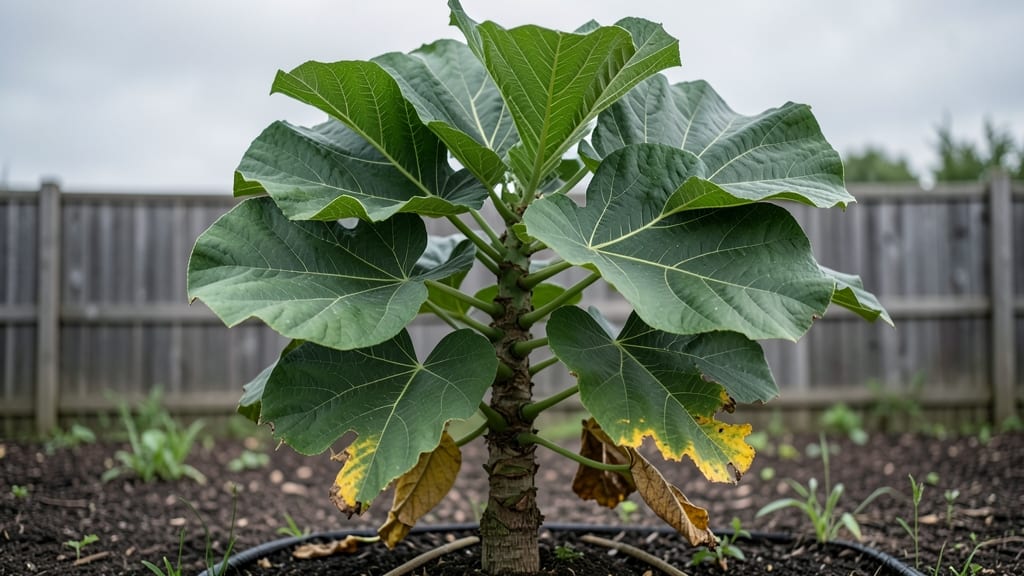
Growing the skeleton flower (Lathraea squamaria) feels like nurturing a secret—this striking white bloom thrives in dry gardens where most plants struggle. 🌿 Unlike typical flowers, it’s a parasite, tapping into nearby roots for nutrients, but with the right host and care, it rewards you with ghostly stems and delicate blossoms that defy drought.
The trick is pairing it with compatible hosts like willows or poplars while ensuring well-draining soil and partial shade. Most gardeners skip this one because it seems tricky, but once established, it’s low-maintenance—perfect for water-wise landscapes.
I’ve seen it pop up reliably in my xeric garden after just one season of patience.
You’ll end up with clusters of ghostly white flowers that sway in the breeze, their skeletal stems adding ethereal drama to borders or woodland edges. The key is monitoring host health—too much stress on the host can backfire, but a thriving skeleton flower signals a balanced ecosystem at work.
Whether you’re reviving a dry slope or filling a shady corner, this plant delivers unexpected beauty with minimal fuss. Let’s get those rhizomes planted right—they’re easier to establish than you’d think.
📚 In This Guide
- What you need
- Instructions
- Tips and common mistakes
- Wrapping up and next steps
What you need
- ● Skeleton Flower Bulbs: 3–5 mature bulbs (2–3 inches in diameter) for optimal display.
- ● Well-Draining Potting Mix: 60% cactus/succulent mix
- ● 30% perlite or pumice (for aeration)
- ● 10% coarse sand or horticultural grit
- ● Pot or Garden Bed: For pots: 6–8 inch diameter containers with drainage holes (terracotta or fabric pots preferred).
- ● For gardens: Full sun to partial shade spot with rocky, well-drained soil (amend with grit if needed).
- ● Drainage Layer: 1–2 inches of small gravel or lava rocks at the bottom of pots.
- ● Watering Can or Spray Bottle: With a fine rose attachment for gentle hydration.
- ○ Fertilizer (Optional): Balanced liquid fertilizer (5-5-5 or 10-10-10), diluted to half-strength.
- ● OR slow-release bulb fertilizer (follow package instructions).
- ● Temperature: Thrives in USDA Zones 9–11. Indoor growers: Keep above 50°F (10°C) during dormancy.
- ● Light: Bright, indirect light (6+ hours daily). South/west-facing windows or grow lights work indoors.
- ● Humidity: Low to moderate (30–50% ideal). Avoid soggy conditions!
- ● Dormancy Period: Requires a cool, dry rest (50–60°F/10–15°C) for 6–8 weeks after blooming.
- ● Pruning shears (for dead leaves post-bloom).
- ● Soil moisture meter (to avoid overwatering).
- ● Grow lights (LED or fluorescent, 12–16 hours/day if natural light is limited).
- ● Mulch (gravel or pebbles) for outdoor beds to retain heat and deter weeds.
Step-by-step instructions for cultivating skeleton flower in arid landscapes
Here's how to grow these striking, water-wise blooms with minimal fuss.
🌱 Step 1: Choose the Perfect Planting Location
Skeleton flowers (Lachenalia) thrive in full sun to partial shade, with 6+ hours of direct sunlight daily for best blooming. I always plant mine in south-facing beds where they get morning sun and afternoon shade—this prevents leaf scorch while ensuring strong flower stems. The key is well-draining soil; these plants despise soggy roots.
If your garden has heavy clay soil, amend the area with 1-2 inches of coarse sand or perlite mixed into the top 12 inches of soil. You'll know you've got the right spot when the soil feels gritty when dry and drains within 15 minutes after watering. Avoid low-lying areas where water pools after rain.
🪴 Step 2: Plant at the Right Depth and Spacing
Dig a hole twice as wide as the root ball but only as deep as the container it came in. Skeleton flowers have shallow roots, so planting too deep suffocates them. Gently loosen the roots if they're circling in the pot before placing the plant in the hole.
Space plants 4-6 inches apart in rows 12 inches apart. This gives them room to spread while preventing overcrowding, which leads to weak stems and poor flowering. Tap the soil lightly around the base to eliminate air pockets, then water deeply to settle everything. You'll see the soil settle about ½ inch—this confirms proper placement.
☀️ Step 3: Establish a Watering Routine for Drought Tolerance
Water deeply once every 7-10 days during the first growing season, allowing the soil to dry out completely between waterings. Overwatering is the fastest way to kill skeleton flowers—yellowing leaves or mushy stems are sure signs you're watering too much. I check moisture by sticking my finger 2 inches deep; if it feels dry, it's time to water.
Once established, these plants need almost no supplemental water beyond natural rainfall. In USDA Zones 8-10, they'll go dormant in summer, so reduce watering to once every 3-4 weeks until fall rains return. Mulch with 1 inch of gravel or coarse sand to prevent soil moisture loss and keep roots cool.
✂️ Step 4: Prune and Maintain for Long-Term Blooms
Deadhead spent blooms by snipping the flower stalk ½ inch above the base with clean, sharp shears. This encourages the plant to redirect energy into new flower production rather than seed development. I do this every 2-3 weeks during the blooming season, which typically runs from late winter to early spring in most climates.
After flowering, allow the foliage to die back naturally—this stores energy in the bulb for next year's growth. In Zone 7 and colder, cut back dead leaves in late fall to prevent rot over winter. Fertilize lightly in early spring with a balanced 10-10-10 fertilizer at ½ the recommended rate—these plants need just enough nutrients to thrive, not to grow aggressively.
⏰ Step 5: Overwinter for Year-Round Growth
In Zones 7-9, skeleton flowers are perennial if given proper winter care. Apply a 2-inch layer of mulch (straw or shredded bark) around the base in late fall to insulate the bulbs. In Zone 6 and colder, dig up bulbs after foliage dies back, let them dry for 2 weeks, then store in a cool, dry place (50-60°F) until late winter before replanting.
Resist the urge to water during dormancy—these bulbs need dry conditions to rest. You'll know they're ready to wake up when new shoots emerge in early spring, signaling it's time to resume regular watering. With proper care, a single planting can bloom for 5-7 years before needing division.
Tips & tricks for perfect skeleton flower cultivation
Here's what nobody tells you about making these drought-loving beauties thrive in your garden.
Sunlight Strategy: While skeleton flowers tolerate partial shade, I've found the sweet spot is actually morning sun with afternoon shade—this prevents leaf burn while ensuring strong stems for those striking blooms. In hotter climates (Zones 9-10), provide afternoon shade during peak summer months to prevent stress. The key is observing your plants: if leaves start yellowing at the edges during summer, they're getting too much direct afternoon sun.
Soil Test Trick: Before planting, mix 1 part coarse sand or perlite with 3 parts native soil in a bucket. Fill it with water and let it drain completely—if it takes longer than 15 minutes to drain, your soil needs more amendment. I've seen gardeners skip this test and end up with soggy roots that lead to bulb rot. These plants need gritty soil that mimics their natural arid habitats.
Watering Wisdom: The 7-10 day watering interval during active growth sounds generous, but I've learned to adjust based on rainfall. After a good soaking rain (1 inch or more), you can safely skip your scheduled watering. Use a rain gauge to track precipitation—this prevents overwatering while keeping roots hydrated. In containers, check moisture every 5-7 days since potted soil dries out faster than garden beds.
Mulching Matters: The 1-inch gravel mulch recommendation works, but I've found 2 inches of decomposed granite provides even better moisture retention while preventing weeds. Apply it after the soil has warmed in spring (when soil temperature reaches 60°F at 2 inches deep) to protect emerging shoots. Avoid organic mulches like wood chips—they can retain too much moisture around the base.
Pro Tips for The Skeleton Flower
- Here's what nobody tells you about making these drought-loving beauties thrive in your garden.
- Sunlight Strategy: While skeleton flowers tolerate partial shade, I've found the sweet spot is actually morning sun with afternoon shade—this prevents leaf burn while ensuring strong stems for those striking blooms.
- Soil Test Trick: Before planting, mix 1 part coarse sand or perlite with 3 parts native soil in a bucket.
Frequently asked questions
Got questions about growing The Skeleton Flower (Lachenalia spp.)? You’re not alone—this striking succulent can be tricky for beginners! Here are answers to the most common queries to help you cultivate these drought-resistant beauties with confidence.
How long does it take for The Skeleton Flower to bloom after planting?
The Skeleton Flower typically takes 6–12 months to bloom after planting, depending on light, temperature, and care. If grown from seed, expect flowers in 1–2 years. Patience pays off—these plants reward consistency with dramatic, skeletal-like blooms that last 4–6 weeks per season.
Why isn’t my Skeleton Flower blooming? Troubleshooting tips
If your plant skips flowering, check these common issues:
- Insufficient light: Needs 6+ hours of bright, indirect sunlight daily. South-facing windows or grow lights help.
- Overwatering: Let soil dry completely between waterings—these plants hate soggy roots.
- Lack of dormancy: Mimic winter conditions with cooler temps (50–60°F) and reduced water for 6–8 weeks to trigger blooms.
- Overcrowded roots: Repot every 2–3 years in well-draining soil.
Can I grow The Skeleton Flower in containers? What’s the best pot size?
Yes! These plants thrive in containers with drainage holes to prevent root rot. Start with a 4–6 inch pot for young plants, then upgrade to 8–10 inches as they mature. Use a cactus/succulent mix with perlite or pumice for optimal drainage. Terracotta pots help regulate moisture—just avoid glazed containers that trap humidity.
Are there drought-tolerant alternatives to The Skeleton Flower?
If you love The Skeleton Flower’s xeric charm but want more options, try these low-maintenance, drought-resistant plants:
- Haworthia (Zebra Plant): Succulent with striking stripes; thrives on neglect.
- Echeveria: Rosette-shaped succulents with vibrant colors; great for rock gardens.
- Agave: Bold, architectural foliage; handles heat and dry spells effortlessly.
- Lithops (Living Stones): Mimics pebbles—perfect for desert landscapes.
How do I overwinter The Skeleton Flower in cold climates?
These plants are tender perennials and can’t survive freezing temps. For winter care:
- Move pots indoors to a cool, bright spot (50–60°F), like a garage or sunroom.
- Reduce watering to once every 4–6 weeks—only enough to keep soil slightly moist.
- Avoid fertilizing during dormancy; resume in early spring.
Wrapping up and next steps
The Skeleton Flower (Lachenalia) is a stunning, drought-resistant gem that brings textured beauty to xeric gardens with minimal fuss. Whether you’re a seasoned gardener or a curious beginner, its low-maintenance charm makes it a perfect addition—just embrace its love for sunlight and well-draining soil. 🌵✨
Ready to transform your garden? Start by selecting your favorite variety, gathering supplies, and giving this resilient plant the care it deserves. Watch as your space blooms with unexpected elegance—one skeleton flower at a time!