
Flowers
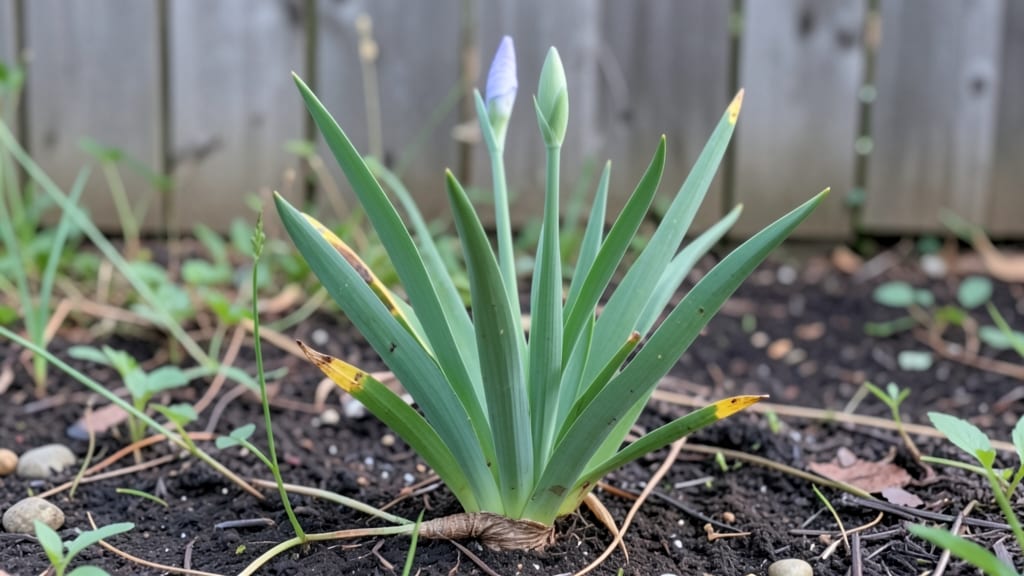
Growing Tennessee flower iris means welcoming bold purple blooms that shrug off winter freezes and return stronger every spring. 🌿 I’ve been growing these hardy perennials for years, and they’ve become the star of my Tennessee garden—low-maintenance yet impossible to ignore when they burst into color in April.
The secret to their success lies in mimicking their native conditions: well-draining soil, full sun, and minimal fuss. Tennessee’s humid summers and cold winters actually work in their favor—just plant them in early fall or late winter, and they’ll establish roots before the heat arrives.
Most gardeners overwater irises, but these plants prefer their soil on the drier side once established.
By late spring, you’ll be rewarded with clusters of vibrant purple, blue, or white blooms that last for weeks, followed by sword-like foliage that adds texture all season.
The best part? They multiply over time, creating natural colonies that spread effortlessly. Even deer tend to leave them alone, making them a foolproof choice for Tennessee landscapes.
Whether you’re planting along a pond edge, in a sunny border, or even in containers, these irises adapt beautifully. Here’s how to get started with varieties that thrive in our region—from the classic Iris virginica to the striking Iris hexagona with its unique yellow falls.
📚 In This Guide
- What you need
- Instructions
- Tips and common mistakes
- Wrapping up and next steps
What you need
- ● Tennessee Iris Rhizomes: 3–5 healthy, firm rhizomes (choose Iris tennexensis or similar native varieties).
- ● Well-draining Soil: 1–2 cubic yards of sandy loam or amended garden soil (mix in perlite or coarse sand if your soil is heavy).
- ● Compost: 1–2 gallons of well-aged compost or organic matter to enrich soil.
- ● Organic Mulch: 2–3 inches of pine straw, shredded bark, or wood chips (to retain moisture and regulate temperature).
- ● Watering Can or Hose: With a gentle spray nozzle for even moisture.
- ● Garden Gloves: Heavy-duty gloves to protect hands during planting.
- ● Pruners or Sharp Knife: For trimming foliage (sterilized with rubbing alcohol).
- ● Garden Fork or Tiller: To loosen soil 12–18 inches deep (especially if clay-heavy).
- ● pH Test Kit: To ensure soil pH is between 6.0–7.0 (irises prefer slightly acidic to neutral soil).
- ● Slow-Release Fertilizer: 10–20-10 NPK ratio (apply sparingly—irises dislike excess nitrogen!).
- ○ Drip Irrigation System: Optional but ideal for consistent moisture without overwatering.
- ● Stakes or Trellis: For taller varieties (e.g., Iris giganticaerulea) to support blooms.
- ● Frost Cloth: Lightweight fabric to protect young plants during unexpected late frosts.
Step-by-step guide to planting and caring for Tennessee flower iris
Here's how to establish hardy, long-lived iris beds that multiply every year.
🌱 Step 1: Choose the Perfect Planting Site
Tennessee flower iris thrives in full sun to partial shade with at least 6 hours of direct sunlight daily. I always look for spots with morning sun and afternoon shade—this prevents the rhizomes from overheating while still giving them plenty of light to bloom. The soil should have excellent drainage, as iris roots rot quickly in soggy conditions. If your yard has heavy clay, amend the area with 2-3 inches of compost mixed into the top 12 inches of soil.
Test your site's drainage by digging a 12-inch deep hole and filling it with water. If it drains completely within 4-6 hours, your spot is ideal. If water remains after 24 hours, choose a different location or raise beds with amended soil. I've found that slightly sloped areas prevent water pooling during heavy rains, which is critical for iris longevity.
🪴 Step 2: Prepare and Plant the Rhizomes
Plant iris rhizomes in early spring or fall, when soil temperatures are between 50-65°F. The tops of the rhizomes should be exposed—never buried under soil. I like to plant them at a 45-degree angle, about 3-4 inches deep, with the pointed end facing upward. This positioning encourages strong root growth while keeping the rhizome stable.
Space rhizomes 12-18 inches apart in rows 2-3 feet apart for mature plants. The wider spacing gives leaves room to fan out and prevents fungal diseases from spreading between plants. After planting, water deeply to settle the soil around the rhizomes but avoid creating puddles. You'll know you've done it right when the soil looks firm but not compacted.
☀️ Step 3: Establish Watering and Fertilizing Routines
Water iris deeply once a week during the first growing season to encourage root establishment. After the first year, iris becomes drought-tolerant once established, but you'll want to water during prolonged dry spells to maintain vibrant blooms. I always check soil moisture by sticking my finger 2 inches deep—if it feels dry, that's your cue to water. Overwatering is the fastest way to kill iris, so never let the rhizomes sit in standing water.
Fertilize lightly in early spring with a balanced 10-10-10 formula applied at ½ the recommended rate. Too much nitrogen produces lush foliage but fewer blooms. I avoid fertilizing after mid-July, as new growth won't harden off before winter. Mulch with 2-3 inches of organic mulch (like shredded leaves) in late fall to protect rhizomes from freezing temperatures while allowing them to breathe.
✂️ Step 4: Prune and Divide for Long-Term Health
Deadhead spent blooms by cutting the stems 2 inches above the foliage to redirect energy into next year's flowers. I always use clean, sharp pruners to avoid tearing leaves. Leave the fan of leaves intact until they naturally yellow in late summer—this ensures the rhizome stores enough energy for spring regrowth. Never cut back foliage until it turns brown, as this weakens the plant.
Divide iris clumps every 3-4 years in early spring or fall. Lift the rhizomes carefully with a fork, separating sections with at least one fan of leaves per division. Replant immediately in the prepared site. This prevents overcrowding and rejuvenates blooms. I've found that dividing in fall gives plants more time to establish roots before winter, while spring division allows for better root growth before the first bloom cycle.
Tips & tricks for perfect Tennessee flower iris planting
Here's what nobody tells you about growing these hardy perennials that'll make all the difference.
Sunlight Strategy: While Tennessee flower iris thrives in full sun, I've noticed the most vibrant blooms come from plants receiving morning sun with afternoon shade during our region's hottest months. This prevents the rhizomes from overheating while still giving them the 6 hours of direct sunlight they need daily. If you're planting in summer, consider a location with afternoon shade from nearby trees or structures.
Drainage Test Tip: That 4-6 hour drainage test is crucial, but I've learned to go one step further. After filling the hole with water, press the soil firmly with your foot - if water still pools after 24 hours, you're dealing with a serious drainage issue. In these cases, consider creating raised beds with a mix of native soil and compost to ensure proper drainage from the start.
Planting Angle Secret: The 45-degree angle mentioned in Step 2 isn't just about aesthetics - it's about stability and growth direction. Planting at this angle helps the rhizome develop roots downward while keeping the fan of leaves properly oriented for sunlight. I've found that maintaining this angle during replanting after division keeps the plants healthier and more productive.
Fertilizing Balance: When applying that 10-10-10 fertilizer at half strength in early spring, focus on the base of the plant rather than sprinkling it randomly. The rhizomes absorb nutrients most efficiently when fertilizer is placed directly in the root zone. Also, consider using a slow-release granular fertilizer for even more consistent results throughout the growing season.
Pro Tips for Tennessee Flower Iris
- Here's what nobody tells you about growing these hardy perennials that'll make all the difference.
- Sunlight Strategy: While Tennessee flower iris thrives in full sun, I've noticed the most vibrant blooms come from plants receiving morning sun with afternoon shade during our region's hottest months.
- Drainage Test Tip: That 4-6 hour drainage test is crucial, but I've learned to go one step further.
Frequently asked questions
Got questions about growing Tennessee flower iris? You’re not alone! Here are some of the most common inquiries—plus quick answers to help you cultivate these stunning, frost-hardy blooms with confidence.
When is the best time to plant Tennessee iris?
Plant your Tennessee iris in early fall (September–October) or late winter (February–March) for optimal root establishment. Avoid planting in extreme heat or drought—these perennials need time to settle before summer’s intensity. Pro tip: If planting in spring, keep soil moist until roots take hold!
Are Tennessee irises really frost-resistant?
These hardy beauties tolerate USDA Zones 3–9 and can survive light frosts. However, heavy mulch (2–3 inches of straw or leaves) in winter protects rhizomes from extreme cold. Young plants may need extra care—just a cozy blanket of mulch works wonders!
Why aren’t my Tennessee irises blooming?
Common culprits include overcrowded rhizomes, poor sunlight, or nutrient deficiencies. Try dividing clumps every 3–4 years, ensuring they get 6+ hours of sun, and fertilize lightly in spring with balanced 10-10-10. Bonus: Deadhead spent blooms to encourage more flowers!
How do I protect Tennessee irises from pests?
Iris borers and aphids are the main troublemakers. Prevent borers by removing leaf debris (their hiding spot!) and handpick aphids with a spray of soapy water. For severe infestations, use neem oil or insecticidal soap. Healthy plants with well-draining soil resist pests better!
Can I grow Tennessee irises in containers?
Yes! Use a large pot (12+ inches deep) with fast-draining mix (60% soil, 30% perlite, 10% compost). Place in full sun and divide rhizomes every 2 years. Warning: Container irises may need winter protection in colder zones—move pots to a sheltered spot or wrap with burlap.
Wrapping up and next steps
The Tennessee flower iris is a hardy, stunning addition to any garden, offering year-round beauty with minimal fuss. With the right soil, sunlight, and care, these frost-resistant blooms will reward you with vibrant colors and resilience season after season.
Ready to transform your garden? Start planting today—your future blooms will thank you!
🌱 Pro Tip: Share your progress with fellow gardeners or tag us in your photos for extra inspiration! 📸