
Flowers
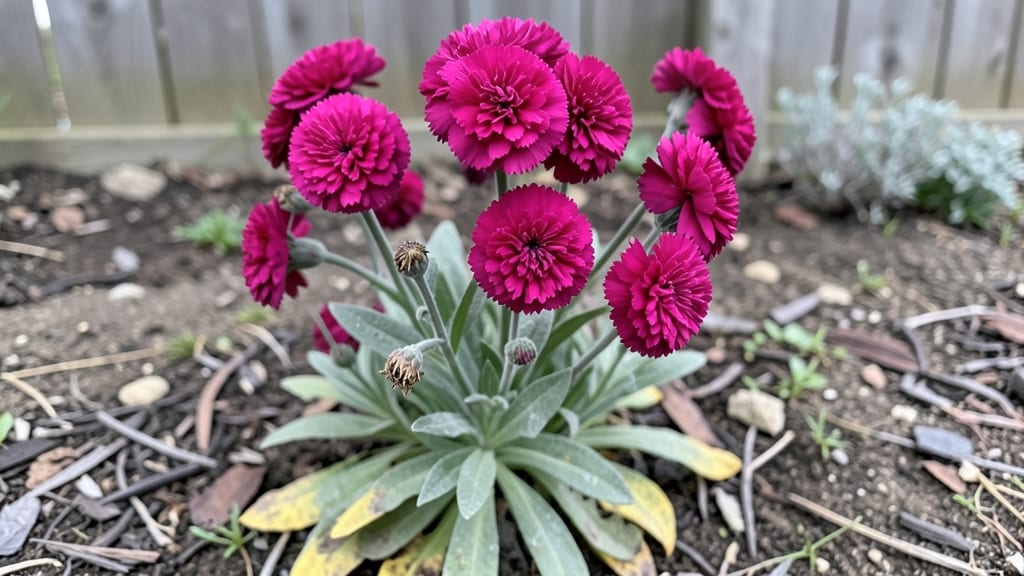
The double-flowered sweet william transforms Pacific Northwest gardens into a pollinator paradise year-round, with its lush, layered blooms that hummingbirds and bees can't resist. 🌸 I remember the first time I planted them—my garden went from "pretty" to "stunning" overnight, with clusters of velvety petals in every shade from pink to deep purple.
These aren't just flowers; they're the secret weapon for borders, cottage-style arrangements, and even cutting gardens.
What makes them special is their versatility—they thrive in partial shade, handle Pacific Northwest's damp springs, and rebloom if you deadhead them regularly. Pair them with lavender for a fragrant border or salvia for a pollinator superhighway.
The double blooms also make incredible long-lasting bouquets, their layered petals holding up beautifully in arrangements.
You'll love how they soften edges in formal gardens while adding wild charm to cottage-style plots. Their ruffled edges catch the light differently every day, creating a shimmering effect that's pure magic at dusk. Plus, they're one of the few perennials that keep bees buzzing even in late fall.
For best results, plant them in groups of three or five—odd numbers create natural movement in the garden. They're the perfect bridge between spring bulbs and summer perennials, ensuring your garden never looks bare. Here's how to make them the star of your design!
📚 In This Guide
- What you need
- Instructions
- Tips and common mistakes
- Wrapping up and next steps
What you need
- ● Sweet William seeds or plants: Choose Dianthus barbatus double-flowered varieties (e.g., 'Black Magic,' 'Red Velvet'). Buy 20-50 seeds for a vibrant display.
- ● Well-draining potting mix: 10-15 gallons of a blend with 50% peat moss or coconut coir, 30% perlite, and 20% compost for optimal drainage.
- ● Containers or garden bed: For containers: 5-7 inch pots (1 plant per pot) or hanging baskets (3-4 plants per basket).
- ● For in-ground planting: A sunny spot with 6+ hours of light and well-amended soil (pH 6.0-7.0).
- ● Slow-release fertilizer: 10-10-10 or 5-10-10 NPK (apply 1 tbsp per plant at planting).
- ● Mulch: 2-3 inches of shredded bark or straw to retain moisture and suppress weeds.
- ● Hand trowel or small shovel for planting.
- ● Watering can or hose with a gentle spray nozzle (avoid soaking the soil).
- ● Pruning shears for deadheading spent blooms (encourages more flowers!).
- ○ Garden gloves (optional but recommended for prickly stems).
- ○ Stakes or cages (optional): For tall varieties (e.g., 'Black Magic'), use 4-6 inch stakes to support stems.
- ○ Pollinator-friendly companions (optional): Plant Lavender or Catmint nearby to attract bees and butterflies!
How to grow lush double-flowered Sweet William in the Pacific Northwest
This hardy annual thrives in our cool, wet climate—here’s how to coax its bold blooms all season.
🌱 Step 1: Choose the Right Location and Soil Prep
Sweet William loves partial to full sun—at least 4-6 hours daily—but in the PNW’s shade-heavy gardens, a bright spot with morning sun works too. Avoid soggy soil; these plants hate wet feet. Amend heavy native soil with 2-3 inches of compost to improve drainage and fertility.
I dig in a 5-gallon bucket of compost per 4-square-foot area—this ensures nutrients last through the blooming season. Test your soil’s pH: Sweet William prefers 6.0-7.0. If your soil runs acidic (common in PNW forests), sprinkle dolomitic lime lightly and mix it in.
🌿 Step 2: Plant Seeds or Transplants at the Right Time
Start seeds indoors 8-10 weeks before last frost (late February to early March in the PNW) or sow directly after frost danger passes (mid-April to early May). Double-flowered varieties need extra warmth to germinate—place seed trays on a seedling heat mat set to 70-75°F.
Direct-sow seeds ¼ inch deep, spacing them 12 inches apart in rows 18 inches apart. Thin seedlings to the strongest stems when they reach 2 inches tall—this prevents overcrowding and ensures robust blooms. If using transplants, space them 10-12 inches apart in well-prepared beds.
☀️ Step 3: Water and Feed for Continuous Blooms
Keep soil evenly moist but not soggy—water deeply once a week if rain is scarce, or 2-3 times weekly during dry spells. Double-flowered varieties are heavier than singles, so they need extra support. Mulch with 2 inches of straw or shredded leaves to retain moisture and suppress weeds.
Fertilize lightly at planting with 5-10-10 (½ cup per 4-square-foot area), then side-dress with low-nitrogen 0-10-10 when buds form. Too much nitrogen = lush foliage but few flowers. Watch for yellowing leaves—this signals over-fertilization or phosphorus deficiency.
✂️ Step 4: Deadhead and Prune for Long-Lasting Color
Deadhead spent blooms weekly to encourage new flowers—this is the secret to nonstop color. Pinch back leggy stems to just above a set of leaves to promote bushier growth. In the PNW’s mild climate, Sweet William often blooms into fall, so keep deadheading until frost.
If plants flop under their own weight (common with double blooms), stake them early with 3-foot bamboo stakes or weave stems through a low tomato cage. Avoid heavy pruning—this can reduce flowering. Instead, focus on light trimming to maintain shape.
⏰ Step 5: Extend the Season with Simple Tricks
In the PNW’s cool summers, Sweet William often bolts early. To delay flowering, plant in partial shade and water consistently—stress triggers premature blooms. For fall color, sow a second crop in late July—these will bloom through October.
Protect tender stems from heavy rain (which can cause rot) by planting in sheltered spots or using cloche covers during downpours. With these tweaks, your double-flowered Sweet William will be a pollinator magnet from spring to frost.
Tips & tricks for growing double-flowered Sweet William
These game-changing tricks will help you transform your garden into a pollinator paradise with vibrant double-flowered Sweet William blooms.
Sunlight Strategy: While Sweet William thrives with 4-6 hours of daily sun, don't overlook the power of morning sunlight in PNW shade-heavy gardens. Position your plants to capture those golden morning rays—this gives them the energy boost they need for those stunning double blooms. I've seen dramatic differences in flower production when plants get morning sun versus afternoon shade.
Soil Science: The 2-3 inches of compost recommendation isn't just about nutrients—it's about creating the perfect air-soil balance. Double-flowered varieties are heavier, so well-draining soil prevents those delicate stems from flopping. For the 5-gallon bucket of compost per 4-square-foot area, I like to mix in a handful of perlite to further improve drainage without sacrificing fertility.
Timing is Everything: When starting seeds indoors 8-10 weeks before last frost, don't just set them on your kitchen counter. The 70-75°F heat mat requirement is non-negotiable for double-flowered varieties—they need that warmth to germinate properly. I've had better success using a seedling heat mat than even my warmest windowsill, especially in our cool PNW springs.
Support System: Those gorgeous double blooms are heavy! The early staking recommendation with 3-foot bamboo stakes can't be emphasized enough. I've seen plants collapse under their own weight by mid-summer if not supported properly. For a more natural look, try weaving stems through low tomato cages—they're sturdy and blend beautifully with the foliage.
Pro Tips for Sweet William Double Flowered
- These game-changing tricks will help you transform your garden into a pollinator paradise with vibrant double-flowered Sweet William blooms.
- Sunlight Strategy: While Sweet William thrives with 4-6 hours of daily sun, don't overlook the power of morning sunlight in PNW shade-heavy gardens.
- Soil Science: The 2-3 inches of compost recommendation isn't just about nutrients—it's about creating the perfect air-soil balance.
Frequently asked questions
Got questions about growing and caring for Sweet William double flowered varieties? You’re not alone! Here are some of the most common queries from gardeners—plus quick answers to keep your blooms thriving.
When is the best time to plant Sweet William double flowered?
For Dianthus barbatus (Sweet William), plant seeds in early spring or late summer. If starting from transplants, aim for spring after the last frost—they love cool weather but hate soggy roots. In the Pacific Northwest’s mild climate, late March to early April is ideal for seed-starting indoors.
How long does it take for Sweet William double flowered to bloom?
From seed, expect 8–10 weeks to first blooms, depending on conditions. Transplants may flower in 6–8 weeks if planted early. Deadhead spent blooms to encourage continuous flowering through summer, especially in PNW’s damp, cool summers.
Are double-flowered Sweet Williams as good for pollinators as single varieties?
Double-flowered Sweet Williams can attract pollinators, but their denser petals may limit access to nectar. For maximum pollinator appeal, interplant with single-flowered varieties or native PNW flowers like Lupinus. Choose light pink or white doubles—they’re still bee-friendly!
Why aren’t my double-flowered Sweet Williams blooming?
Check these fixes:
- Light: They need full sun (6+ hours/day)—PNW shade slows blooms.
- Water: Keep soil evenly moist but not waterlogged (root rot is a foe!).
- Fertilizer: Use a balanced, low-nitrogen feed (like 10-10-10) every 4–6 weeks.
- Deadheading: Snip spent blooms to redirect energy to new flowers.
Can I grow Sweet William double flowered in containers?
Use 5–6 inch pots with well-draining soil and a 3–4 inch deep container for roots. Choose compact doubles like ‘Black Magic’ or ‘Pinkie.’ Place pots in sunny spots (e.g., balconies, patios) and water frequently—containers dry out faster than garden beds.
How do I overwinter Sweet William double flowered in the PNW?
These hardy annuals won’t survive winter, but you can save seeds! Let a few flowers go to seed, collect them in late summer, and store in a cool, dry place. Start new plants next spring. For year-round color, succession-plant seeds every 2–3 weeks from spring to early summer.
Wrapping up and next steps
Transforming your Pacific Northwest garden into a buzzing, blooming haven with double-flowered Sweet William is easier—and more rewarding—than you think! 🌸 These vibrant pollinator magnets not only add year-round beauty but also support local ecosystems with minimal fuss.
Whether you’re a seasoned gardener or a curious beginner, the key is starting small—plant a few, experiment with colors, and let nature do the rest.
Ready to take the next step? Grab your seeds or cuttings this weekend and plant them in a sunny spot. Before you know it, your garden will be a flurry of activity—and a showstopper for neighbors and pollinators alike! 🐝✨