
Shrubs
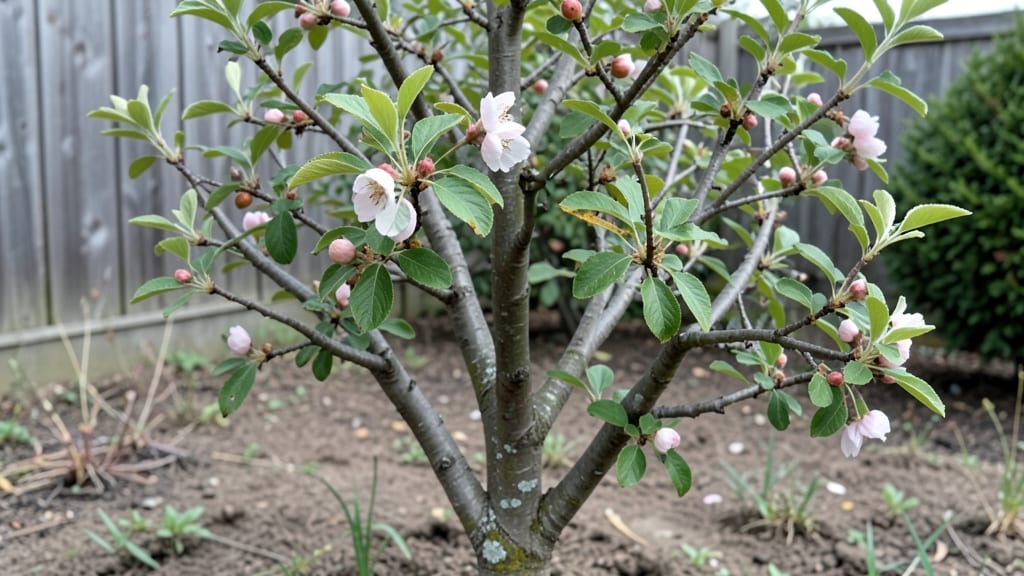
The Bechtel flowering crabapple thrives in Pacific Northwest gardens, offering four seasons of interest from delicate spring blooms to vibrant fall foliage. 🌸 I planted mine against a north-facing fence where it gets morning sun and afternoon shade—perfect for keeping the blossoms from fading too quickly in summer.
The tree’s compact size makes it ideal for small yards, yet it still attracts hummingbirds year-round with its abundant nectar.
This variety loves well-draining soil with a slightly acidic pH, but it’s forgiving enough to handle the region’s wet winters as long as you avoid waterlogged roots. Space two trees 15-20 feet apart for proper airflow, which helps prevent fungal issues common in damp climates.
The first year is all about establishing roots, so keep the soil consistently moist but not soggy—think of it as nurturing a baby tree.
By spring’s second year, you’ll be rewarded with hundreds of fragrant white flowers that hummingbirds can’t resist. The tree’s glossy green leaves provide summer shade, while its fiery red fall foliage adds a dramatic touch.
Prune lightly in late winter to shape the tree and remove dead branches, but avoid heavy pruning—this crabapple’s charm lies in its natural, slightly wild form.
Even in the PNW’s rainy seasons, this tree stays healthy with minimal fuss. Just watch for aphids on new growth and treat with a strong spray of water if they appear.
With the right spot and basic care, your Bechtel crabapple will become the showstopper of your garden, drawing pollinators and neighbors alike to admire its beauty.
📚 In This Guide
- What you need
- Instructions
- Tips and common mistakes
- Wrapping up and next steps
What you need
- ● Bechtel Flowering Crabapple Tree (1-2 trees for optimal pollination and beauty): Size: 5–6 ft tall, 3–4 ft wide (mature) Growth rate: Moderate (12–24" per year) Hardiness zones: 3–8 (perfect for PNW!)
- ● Planting Hole: Depth: Twice as wide as the root ball, same depth Soil mix: Well-draining, slightly acidic (pH 6.0–7.0)
- ● Mulch (2–3 inches): Wood chips, bark, or pine straw (avoid fresh wood)
- ○ Organic Fertilizer (optional but recommended): Balanced formula (e.g., 10-10-10) or compost
Step-by-step guide to planting and caring for Bechtel flowering crabapple
This stunning tree thrives in Pacific Northwest conditions—here’s how to plant and nurture it.
🌱 Step 1: Choose the Perfect Planting Spot
Bechtel crabapples love full sun—select a location with at least 6 hours of direct sunlight daily. In the Pacific Northwest’s often cloudy climate, a south- or west-facing spot ensures they get enough light for vibrant blooms and healthy growth.
Check the soil drainage first. These trees hate soggy roots, so avoid low spots where water pools. If your soil feels compacted or clay-heavy, amend it with 2-3 inches of compost before planting. You’ll know you’ve got it right when the soil crumbles easily when squeezed—not sticking together like wet clay.
🪴 Step 2: Plant at the Right Depth and Stake for Support
Dig a hole twice as wide as the root ball but only as deep as the container it came in. Gently remove the tree from its container and loosen any circling roots with your fingers—this helps them spread out naturally in the soil.
Place the tree in the hole so the top of the root ball sits 1-2 inches above the surrounding soil level. Backfill with native soil (no amendments here) and tamp lightly to remove air pockets. Water deeply to settle everything. If your tree is over 6 feet tall, use two stakes on opposite sides, angled away from the trunk, and secure with soft tree ties—not too tight.
☀️ Step 3: Water Deeply and Mulch for Retention
After planting, water the tree slowly and deeply until moisture reaches 12 inches down. You’ll know it’s enough when water runs out the bottom of the hole. This helps roots establish quickly in the new soil.
Spread 3 inches of mulch (wood chips or bark) in a 3-foot-wide ring around the base, keeping it 6 inches away from the trunk. Mulch conserves moisture and regulates soil temperature, which is especially helpful during the Pacific Northwest’s rainy winters. Replenish mulch annually as it breaks down.
🌿 Step 4: Prune for Shape and Health in Late Winter
Wait until late winter or early spring (just before buds swell) to prune. Remove any dead, diseased, or crossing branches first—these can harbor pests or block sunlight. Cut back to a healthy bud or branch collar, using clean, sharp pruners.
Shape the tree by thinning out 10-20% of the canopy to improve airflow. Focus on branches growing inward or rubbing against others. You’ll see new growth emerge within weeks, signaling the tree is healing well. Avoid heavy pruning in fall—it encourages tender new growth that won’t survive winter.
⏰ Step 5: Feed and Monitor for Year-Round Hummingbird Traffic
Apply a balanced, slow-release fertilizer (10-10-10) in early spring when new leaves appear. Follow the package rate—over-fertilizing can burn roots. In the Pacific Northwest’s mild climate, a single feeding is often enough, but monitor the tree’s health. Yellowing leaves may signal it’s time for another light feeding in midsummer.
Bechtel crabapples reward patience with spring blooms, summer fruit, and fall color—plus, they’re a hummingbird magnet year-round. Watch for the first pink buds in early spring as your signal that winter dormancy is over. With proper care, this tree will thrive for decades, attracting pollinators and adding beauty to your landscape.
Tips & tricks for perfect Bechtel flowering crabapple planting
These practical insights will help you nurture a thriving crabapple that brings beauty and life to your Pacific Northwest garden.
Sunlight Strategy: While the instructions call for at least 6 hours of direct sunlight, I've found that south-facing spots in the PNW often get more than enough light even with our frequent cloud cover. If you're planting near other trees, watch for shade patterns throughout the day—morning sun is particularly important for those early spring blooms. A simple trick is to observe your yard at noon on a clear day to identify true sun exposure.
Soil Prep Secret: The 2-3 inches of compost recommendation is perfect for improving drainage in our often heavy clay soils. I like to mix in a handful of perlite or coarse sand when amending—this creates tiny air pockets that help roots breathe. For the best results, work the amendments into the bottom 6 inches of soil where most roots will grow. This gives your crabapple the strongest foundation possible.
Watering Wisdom: That deep watering until moisture reaches 12 inches might sound like a lot, but it's absolutely critical for root establishment. I use a long screwdriver to check moisture levels—if it comes out dry, keep watering. In our rainy climate, the key is consistent moisture rather than constant watering. Consider installing a soaker hose near the base to maintain even moisture without overwatering.
Pruning Pro Tip: When shaping your tree in late winter, focus on creating an open center that allows light to reach all branches. I like to step back every few cuts to visualize the tree's shape—this helps prevent over-thinning. Remember that Bechtel crabapples naturally grow in a rounded form, so aim to maintain that natural silhouette while improving airflow through the canopy.
Pro Tips for Bechtel Flowering Crabapple
- These practical insights will help you nurture a thriving crabapple that brings beauty and life to your Pacific Northwest garden.
- Sunlight Strategy: While the instructions call for at least 6 hours of direct sunlight, I've found that south-facing spots in the PNW often get more than enough light even with our frequent cloud cover.
- Soil Prep Secret: The 2-3 inches of compost recommendation is perfect for improving drainage in our often heavy clay soils.
Frequently asked questions
Got questions about growing and caring for the Bechtel flowering crabapple? You’re not alone! Here are some of the most common queries from gardeners in the Pacific Northwest (and beyond) who want to attract hummingbirds year-round with this stunning shrub.
What’s the best time to plant a Bechtel flowering crabapple in the PNW?
Plant your Malus × ‘Bechtel’ in early spring (March–April) or fall (September–October) for optimal root establishment. Avoid planting in extreme heat or frost—this shrub thrives when soil temps are mild (50–70°F). Well-draining soil is key, so amend clay-heavy areas with compost.
How long does it take for a Bechtel crabapple to flower and attract hummingbirds?
With proper care, you’ll see spring blooms within 2–3 years of planting! Hummingbirds adore the pinkish-white flowers (March–May), but the red berries in fall keep them lingering until winter. Pro tip: Deadhead spent blooms to encourage a second flush of flowers in late summer.
Is the Bechtel crabapple cold-hardy enough for the PNW’s wet winters?
This variety is USDA Zones 5–8, making it perfect for Seattle to Portland. It handles rain and mild winters beautifully, but avoid soggy soil—plant on a slight mound or improve drainage. Mulch around the base (2–3 inches) to protect roots from temperature swings.
Why aren’t hummingbirds visiting my Bechtel crabapple?
If hummers skip your shrub, check these fixes:
- Timing: Blooms peak in spring; add salvia or bee balm for summer interest.
- Location: Plant near sunny windows or feeders (hummers scout for easy meals).
- Pests: Spider mites or aphids can deter birds—spray with neem oil if needed.
- Water: Keep soil consistently moist (not soggy) during bloom season.
Can I grow a Bechtel crabapple in a container, or does it need garden space?
While it prefers garden beds (reaching 15–20’ tall/wide), you can grow it in a large container (20+ gallons) for patios. Use fast-draining potting mix and repot every 2–3 years. Warning: Containers dry out faster—water deeply 2–3x/week in summer.
What’s a good alternative if I want a low-maintenance hummingbird shrub?
If the Bechtel’s size or care feels overwhelming, try these PNW-friendly picks:
Shrub
Height
Bloom Time
Hummingbird Appeal
Salal (Gaultheria shallon)
3–6’
Spring–fall
(berries + nectar)
Oregon grape (Mahonia aquifolium)
2–4’
Winter–spring
(early blooms)
Red twig dogwood (Cornus sericea)
6–10’
Spring
(stunning stems for winter)
All three thrive in shade to part sun—ideal for wooded PNW yards!
Wrapping up and next steps
The Bechtel flowering crabapple isn’t just a stunning addition to your Pacific Northwest garden—it’s a year-round hummingbird magnet that brings joy, color, and life to your outdoor space. 🌸 With its low-maintenance care, disease resistance, and ability to thrive in various conditions, this tree is a dream for both novice and experienced gardeners alike.
Ready to transform your yard into a vibrant, bird-friendly haven? Plant one today and watch as your garden becomes a buzzing, blooming paradise! For best results, pair it with native companion plants and keep an eye out for those tiny, feathered visitors—you won’t regret it.