
Pruning
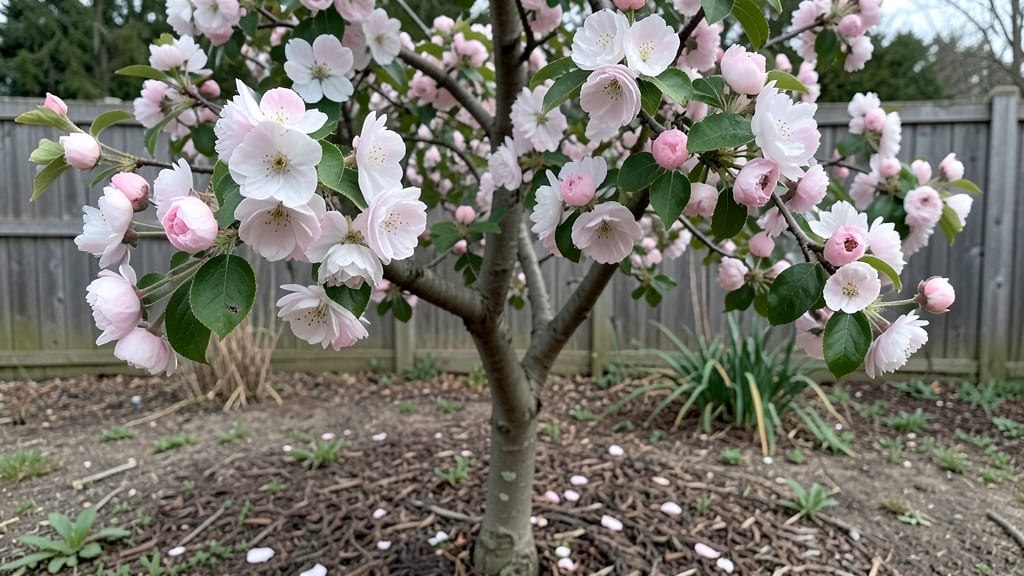
A pink flowering crabapple tree transforms any yard into a hummingbird magnet with its showstopping spring blooms and year-round interest. I planted mine near the front walkway, and neighbors now stop to admire the cloud of pink blossoms that arrive every March—long before tulips even think about waking up.
The tree’s delicate petals contrast beautifully with its dark green foliage, while its small, persistent fruits add autumn color and winter structure.
This tree thrives in almost any spot—sunny lawns, mixed borders, or even tight urban spaces—making it perfect for small gardens. Pair it with dwarf conifers for contrast or spring bulbs at its base to extend the show.
The best part? It requires minimal pruning to maintain its shape, so you spend more time enjoying the view than wielding shears. Hummingbirds, bees, and butterflies will visit nonstop, turning your yard into a lively ecosystem.
By late summer, the blossoms give way to tiny, ornamental fruits that stay on the tree through winter, providing food for birds and visual interest when everything else is dormant. The tree’s compact size (typically 15-25 feet tall) makes it ideal for focal points or as a standalone specimen.
With its four-season appeal, this tree does double duty as both a conversation starter and a wildlife haven—no fancy landscaping required.
For formal gardens, keep it pruned to a single-trunk form, while cottage-style yards benefit from its natural, slightly wild habit. Urban landscapes love its disease resistance and adaptability to city soils.
The key is planting it where you’ll see it daily—because once it blooms, you’ll never want to miss a season of its magic.
📚 In This Guide
- What you need
- Instructions
- Tips and common mistakes
- Wrapping up and next steps
What you need
- ● Pruning shears: Bypass pruners (sharp, clean, and sterilized to prevent disease). Recommended: Felco F-2 or similar (1 pair).
- ● Loppers: For thicker branches (1.5"–2" diameter). Recommended: Corona 44007 (1 pair).
- ● Hand saw: Pruning saw with a curved blade for stubborn branches (1).
- ● Gloves: Heavy-duty, cut-resistant gloves (1 pair) to protect hands from thorns.
- ● Disinfectant: 70% rubbing alcohol or pruning sealant (small bottle) for tool sterilization.
- ○ Pruning sealant (optional but helpful): For sealing larger cuts (e.g., Tanglefoot Tree Wound Pruning Seal).
- ● Ladder or step stool: Sturdy, tall enough to reach the tree’s canopy (1).
- ● Trash bags or bucket: For collecting pruned branches (1–2).
- ● Watering can or hose: With a gentle spray nozzle (1).
- ● Knowledge: Basic understanding of tree pruning principles (or a willingness to learn!).
- ● Timing: Prune during dormant season (late winter/early spring) or right after flowering (avoid summer heat!).
- ● Weather check: Choose a dry, overcast day to minimize stress on the tree.
- ● Tree wrap: Protects the trunk from pests/sunburn (1 roll).
- ● Fertilizer: Slow-release, balanced fertilizer (e.g., 10-10-10) for post-pruning recovery.
- ● Hummingbird feeder: Hang nearby to attract pollinators while the tree blooms!
- ● Camera or journal: Track growth and pruning progress over the years.
Step-by-step guide to planting and caring for a pink flowering crabapple tree
Here's how to establish a vibrant, hummingbird-friendly tree that thrives with minimal fuss.
🪴 Step 1: Choose the Perfect Planting Site and Prepare the Soil
Select a location with full sun exposure—at least 6 hours of direct sunlight daily—and well-draining soil. Pink flowering crabapples tolerate a range of soil types but perform best in slightly acidic to neutral soil (pH 6.0-7.0). If your soil is heavy clay, amend it with 2-3 inches of organic compost mixed into the top 12 inches of soil to improve drainage.
Dig a hole twice as wide as the root ball but no deeper. This encourages roots to spread horizontally rather than sinking into compacted soil. Gently loosen the roots of the container-grown tree if they appear circling—this prevents girdling as the tree matures. Place the tree in the hole so the top of the root ball sits level with the surrounding soil—never bury the graft union if your tree was grafted.
💧 Step 2: Plant and Water Thoroughly for Initial Establishment
Backfill the hole with native soil, tamping down gently in 2-inch layers to eliminate air pockets. Water deeply after each layer to settle the soil and encourage root contact. Once planted, create a 4-inch-high berm of soil around the perimeter to direct water toward the roots during irrigation. This simple technique reduces water runoff and keeps moisture where it’s needed.
Water the tree once daily for the first 2 weeks, then taper to twice weekly for the first growing season. You’ll know it’s getting enough moisture when the soil feels damp 2-3 inches below the surface—stick your finger in to check. Avoid overhead watering once flowers appear to prevent fungal issues like powdery mildew, which can dull the vibrant pink blooms.
☀️ Step 3: Provide Seasonal Care for Year-Round Hummingbird Appeal
In spring, apply a 2-inch layer of mulch (like shredded bark) around the base, keeping it 3 inches away from the trunk to prevent rot. This conserves moisture and regulates soil temperature. Pink flowering crabapples bloom on old wood, so avoid heavy pruning in late winter—focus on removing only dead, diseased, or crossing branches during dormancy. Use sterilized pruners to make clean cuts just outside the branch collar.
During summer, fertilize lightly with a balanced, slow-release fertilizer (10-10-10) in early June and again in early August. Over-fertilizing leads to excessive foliage at the expense of flowers, which hummingbirds rely on. Watch for aphids or scale insects on new growth—spray with neem oil if you spot sticky residue on leaves, as these pests can weaken the tree before winter.
✂️ Step 4: Prune Strategically to Maintain Shape and Flower Production
Prune only in late winter (February-March) before buds swell, as this encourages robust flowering. Remove suckers (shoots growing from the base) and water sprouts (vertical shoots from the trunk) to redirect energy into the main structure. Thin out 10-20% of the oldest branches annually to improve airflow and reduce disease risk. Never remove more than 25% of the canopy in a single year, or you’ll stress the tree.
Shape the tree by selective pruning—cut back branches that rub against each other or grow inward. Make cuts at a 45-degree angle just above an outward-facing bud to promote healthy regrowth. After pruning, apply wound dressing only if the cut is larger than ½ inch in diameter; smaller cuts seal naturally. This minimalist approach preserves the tree’s natural beauty while keeping it healthy for decades.
Tips & tricks for perfect pink flowering crabapple tree planting and care
Transforming your yard into a hummingbird magnet starts with these essential insights—learn how to avoid common pitfalls while maximizing your tree's potential.
Soil Preparation: When amending heavy clay soil with the recommended 2-3 inches of organic compost, mix it thoroughly into the top 12 inches. I learned this the hard way after planting a tree in amended surface soil only—roots struggled to penetrate the compacted subsoil below. Use a broadfork to loosen the soil without turning it, preserving beneficial soil structure while improving drainage.
Watering Strategy: The 4-inch-high berm technique around your newly planted tree is a game-changer. It creates a natural water retention basin that prevents runoff during those critical first two weeks. I recommend using a soaker hose placed at the base to deliver moisture directly to the roots without wetting the foliage, which helps prevent fungal diseases like powdery mildew that can affect the vibrant pink blooms.
Pruning Precision: When pruning in late winter, focus on removing only 10-20% of the oldest branches annually. I always use sterilized pruners and make cuts at a 45-degree angle just above an outward-facing bud—this technique promotes faster healing and encourages new growth in the right direction. Remember, smaller cuts (under ½ inch) don't need wound dressing as they'll seal naturally over time.
Fertilizer Timing: The two applications of balanced 10-10-10 fertilizer in early June and early August are perfect for encouraging blooms without overstimulating foliage growth. I've found that applying fertilizer in the morning allows the tree to absorb nutrients throughout the day, maximizing its benefits. Always water the tree thoroughly after applying fertilizer to prevent root burn.
Pro Tips for Pink Flowering Crabapple Tree
- Transforming your yard into a hummingbird magnet starts with these essential insights—learn how to avoid common pitfalls while maximizing your tree's potential.
- Soil Preparation: When amending heavy clay soil with the recommended 2-3 inches of organic compost, mix it thoroughly into the top 12 inches.
- Watering Strategy: The 4-inch-high berm technique around your newly planted tree is a game-changer.
Frequently asked questions
Got questions about keeping your pink flowering crabapple tree thriving while attracting hummingbirds with minimal fuss? Here are some of the most common ones—and their answers!
When is the best time to plant a pink flowering crabapple tree?
The ideal time to plant is in early spring or fall when temperatures are mild. This gives roots time to establish before extreme heat or cold. Avoid planting in summer—young trees struggle with drought stress. If you must plant in late fall, choose a hardy variety (like 'Dolgo' or 'Royal Raindrops') and mulch well to protect roots.
Do pink flowering crabapples really attract hummingbirds year-round?
While they peak during spring blooms (March–May), these trees offer late-season nectar (June–July) and wildlife-friendly fruit for birds and insects. For year-round hummingbird action, pair it with native perennials like bee balm or coral honeysuckle. Pro tip: Leave dead flowers—they feed pollinators too!
How often should I prune a pink flowering crabapple for minimal effort?
Prune once a year in late winter or early spring (before buds swell) to shape and remove dead wood. Focus on thinning branches (not topping!) to improve airflow and reduce disease risk. Skip heavy pruning—these trees bloom on old wood, so avoid cutting back more than 20% annually. Pro tip: Use sterilized tools to prevent bacterial canker.
What are some low-maintenance alternatives to pink flowering crabapples?
If you want hummingbird-friendly, low-prune trees with similar vibes, try:
- Serviceberry (Amelanchier) – White flowers, edible berries, and fall color.
- Japanese Snowbell (Styrax japonicus) – Fragrant blooms, shade-tolerant, and disease-resistant.
- Viburnum (e.g., 'Burkwoodii') – Clusters of pink/white flowers and berries for wildlife.
Why are my pink flowering crabapple leaves turning yellow or dropping?
Yellowing leaves often signal overwatering, nutrient deficiency, or disease. Check these fixes:
- Watering: Ensure well-draining soil—these trees hate soggy roots.
- Fertilizer: Apply a balanced, slow-release fertilizer in early spring.
- Disease: If spots or oozing appear, prune infected branches immediately and sterilize tools. Fungicides (like neem oil) can help prevent apple scab.
Wrapping up and next steps
The pink flowering crabapple tree isn’t just a stunning addition to your landscape—it’s a low-maintenance hummingbird magnet that thrives with minimal pruning! 🌸 With its vibrant blooms, year-round appeal, and easy care, it’s the perfect choice for gardeners who love beauty without the hassle.
Whether you’re a pruning pro or a beginner, this tree rewards effortlessly.
Ready to transform your yard? Start by selecting the perfect spot (sunny and well-drained!) and grab your tools—your hummingbird haven awaits! 🐦⬛✨