
Landscaping
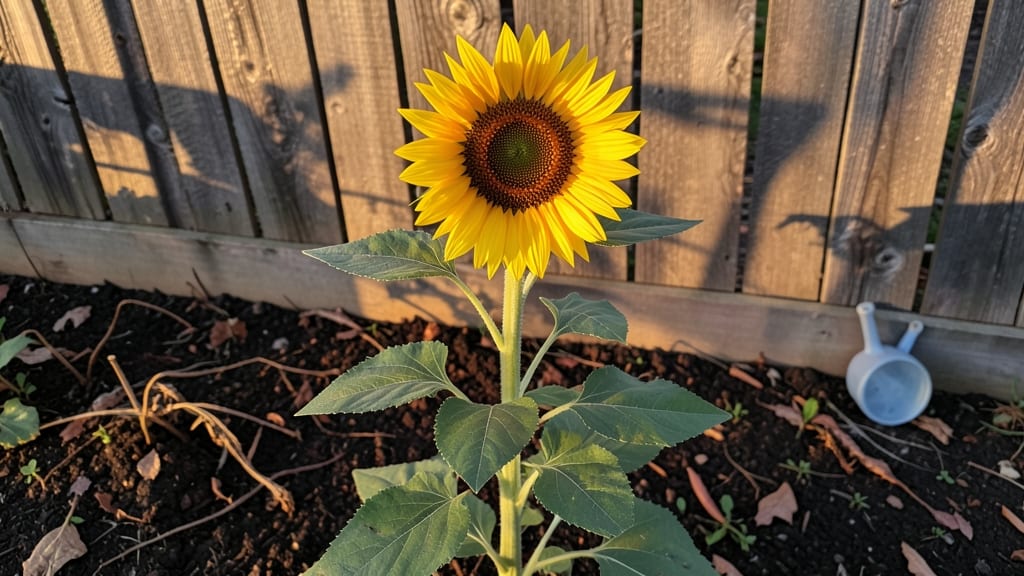
Sunflowers in front of your house aren’t just summer splashes—they’re a year-round statement that turns your curb into the talk of the neighborhood. 🌻 I planted mine last spring after years of seeing boring foundation plants, and now I get compliments from passersby who stop to take photos.
The secret? Mixing tall varieties with shorter ones for layered drama, plus evergreen shrubs to keep color through winter.
Start with three to five sunflower varieties—tall ones like 'Mammoth' (10+ feet) for height, mid-height 'Teddy Bear' (3-4 feet) for texture, and dwarf 'Sunspot' (2 feet) for edges. Add low-maintenance perennials like lavender or ornamental grasses to fill gaps when sunflowers fade.
Most sunflowers need full sun (6+ hours daily) and well-draining soil, but even my first attempt thrived with minimal fuss.
By late summer, your front yard will be a golden cascade of blooms that frame your home’s entrance, while the rustling stems add movement to photos. The best part?
Deadheading spent blooms keeps them producing for weeks, and the seeds feed birds through winter. Even in winter, the dried stalks add structure—just leave them until spring cleanup.
This design works for any home style, from modern to cottage. Urban front yards? Try containers. Small spaces? Stick to dwarf varieties. The key is balancing height, color, and seasonal interest so your sunflowers never look like a temporary display.
Ready to make your house the most photographed on the block?
📚 In This Guide
- What you need
- Instructions
- Tips and common mistakes
- Wrapping up and next steps
What you need
- ● Sunflower seeds: Choose disease-resistant varieties like Mammoth (6–10 ft tall) or Teddy Bear (compact, 1–2 ft). Buy 50–100 seeds per plant, depending on your desired density.
- ● Well-draining potting soil or garden soil: 5–10 bags (2–3 cubic feet each), amended with compost for nutrients.
- ● Containers or garden bed: Containers: 5–10 large pots (12+ inches deep, with drainage holes). Terracotta or fabric grow bags work well.
- ● Garden bed: A sunny, 6+ hour/day spot with loose, fertile soil (amend with compost if needed).
- ● Watering can or hose with a gentle spray nozzle: For even moisture without disturbing seeds.
- ○ Plant labels (optional but helpful): Wooden or biodegradable labels to track varieties.
- ● Gloves: A pair to protect your hands while handling soil and seeds.
- ● Hand trowel or garden fork: For digging holes or loosening soil in containers/beds.
- ○ Pruning shears (optional): For trimming dead foliage or shaping plants later.
- ○ Mulch (optional but recommended): 2–3 bags of straw or shredded bark to retain moisture and suppress weeds.
- ○ Fertilizer (optional): A balanced, slow-release granular fertilizer (10-10-10 ratio) or compost tea for a nutrient boost.
- ○ Sunflower stakes or cages (optional): 5–10 stakes (5–6 ft tall) for taller varieties to prevent flopping.
How to plant sunflowers for a striking year-round front-yard display
Sunflowers transform any front yard into a vibrant, low-maintenance masterpiece with minimal effort.
🌱 Step 1: Choose the Right Varieties for Year-Long Interest
For a bold, ever-changing display, mix tall varieties (like 'Mammoth' reaching 10-12 feet) with mid-height (6-8 feet) and dwarf types (2-3 feet). Plant perennial sunflowers (like 'Maximilian' or 'Rustic') for winter interest—they retain dried seed heads and foliage through cold months. I always include bicolor varieties (e.g., 'Lemon Queen') for contrast against classic yellows.
Space taller varieties 2-3 feet apart in the back of your bed, mid-height 18-24 inches apart, and dwarfs 12 inches apart. This creates natural layers and prevents shading issues. If your yard gets strong winds, opt for sturdy varieties like 'Autumn Beauty' or 'Russian Giant'—their thick stems resist flopping.
🪴 Step 2: Prepare the Soil and Plant at the Right Time
Sunflowers thrive in well-draining soil with a pH of 6.0-7.5. Work in 2-3 inches of compost (from your materials list) to improve fertility and moisture retention. Avoid heavy clay—amend with sand or perlite if needed. I test soil moisture by squeezing a handful: if it crumbles but holds shape, it's perfect for planting.
For spring planting, sow seeds ½ inch deep after the last frost when soil reaches 60°F. For fall interest, plant 8-10 weeks before your first frost—this gives flowers time to mature before winter. Water deeply 1 inch per week (more in dry spells) until stems reach 12 inches tall, then taper to ½ inch weekly to encourage root depth.
☀️ Step 3: Provide Support and Maintain for Long-Lasting Beauty
Install bamboo stakes or cages (from your materials list) at planting if growing tall varieties—insert them 6 inches deep beside each stem. Tie stems loosely with soft plant ties as they grow to prevent damage. I avoid tight binding; sunflowers grow fast and need room to sway in the breeze.
Deadhead spent blooms by snipping stems 2 inches below the flower head to redirect energy to new growth. Leave 1-2 dried seed heads per plant for winter texture and birdseed. Fertilize lightly with balanced 10-10-10 (from your materials list) at planting and again when flowers appear—sunflowers are heavy feeders but over-fertilizing leads to weak stems.
✂️ Step 4: Extend the Season with Strategic Pruning
To prolong blooms, prune back leggy stems in early summer by cutting 4-6 inches above the lowest set of leaves. This encourages bushier growth and more flowers. For perennial varieties, cut back ½ the plant height in late winter to stimulate fresh spring growth—just before new shoots emerge.
Watch for powdery mildew (white dust on leaves) in humid climates. Improve airflow by thinning crowded stems and spray with neem oil (from your materials list) if needed. Mulch with 2-3 inches of straw to retain moisture and suppress weeds—sunflowers hate competition.
Tips & tricks for perfect sunflower front-yard displays
Creating a sunflower garden that thrives year-round takes a few strategic moves—here's what I've learned after years of trial and error.
Variety Layering: The secret to that lush, layered look comes from planting in three distinct tiers: position your 10-12 foot 'Mammoth' varieties at the back, 6-8 foot mid-heights in the middle, and 2-3 foot dwarfs in front. This creates natural depth while preventing taller varieties from shading out smaller ones completely. I always add perennial types like 'Maximilian' for winter interest—they hold their dried seed heads beautifully through cold months.
Soil Prep Strategy: Before planting, mix 2-3 inches of compost into your soil and test the moisture by squeezing a handful—it should crumble but hold shape. For heavy clay soils, work in sand or perlite to improve drainage. I've found sunflowers actually tolerate slightly alkaline soil (up to pH 7.5) better than most flowers, so don't stress about perfect neutrality.
Support System: For tall varieties, install bamboo stakes or cages at planting—bury them 6 inches deep beside each stem. The key is loose tying with soft plant ties as they grow; tight bindings restrict growth and can damage stems. I've seen sunflowers reach 12 feet with proper support, while unsupported ones often flop over by mid-summer.
Season Extension: To keep your display vibrant longer, prune back leggy stems in early summer by cutting 4-6 inches above the lowest set of leaves. This redirects energy to side shoots, creating bushier plants with more blooms. For perennial varieties, give them a ½ height haircut in late winter—just before new shoots appear—to stimulate fresh spring growth.
Pro Tips for Sunflowers In Front Of House
- Creating a sunflower garden that thrives year-round takes a few strategic moves—here's what I've learned after years of trial and error.
- This creates natural depth while preventing taller varieties from shading out smaller ones completely.
- Soil Prep Strategy: Before planting, mix 2-3 inches of compost into your soil and test the moisture by squeezing a handful—it should crumble but hold shape.
Frequently asked questions
Got questions about planting sunflowers as a bold front-yard statement?
Here are answers to the most common concerns—from timing to troubleshooting—so you can dive in with confidence!
When is the best time to plant sunflowers for year-round appeal?
For a long-lasting display, plant sunflowers in early spring (after the last frost) for summer blooms. For winter interest, choose perennial varieties (like Helianthus species) or plant dwarf sunflowers in late summer for fall/winter color. Pro tip: Deadhead spent blooms to encourage regrowth!
How much water do sunflowers need in front of my house?
Sunflowers are drought-tolerant once established! Water deeply 1-2 times per week during the first month, then reduce to once weekly (or when soil feels dry). Mulch around the base to retain moisture and suppress weeds. Overwatering can cause root rot—so let the soil dry slightly between waterings.
Can I plant sunflowers in containers or small spaces?
Dwarf varieties
(like ‘Teddy Bear’ or ‘Moulin Rouge’) thrive in 5-gallon pots or raised beds. Place containers near your front door or along walkways for a pop of color. Just ensure pots have drainage holes and use well-draining soil to prevent soggy roots.
Will sunflowers attract pests like bees or birds to my home?
Sunflowers are pollinator magnets—bees, butterflies, and birds love them! While this is great for ecosystems, it may bring extra visitors. To minimize pests, avoid pesticides and plant bee-balms or marigolds nearby to distract insects. If birds become a nuisance, try bird netting over seed heads once they mature.
How do I protect sunflowers from harsh winters?
Most annual sunflowers die back in frost, but perennial types (like Maximilian sunflowers) return yearly. For tender varieties, cut back dead foliage in late winter and mulch heavily. In extreme cold, add a light layer of straw around the base. Bonus: Dried sunflower stalks add rustic winter charm!
What are some low-maintenance alternatives if sunflowers aren’t my style?
If sunflowers feel too bold, try these easy-care front-yard stars:
- Black-eyed Susans – Drought-tolerant perennials with golden blooms.
- Russian Sage – Fragrant, purple spikes that thrive in heat.
- Coneflowers – Long-lasting, pollinator-friendly perennials.
- Ornamental Grasses – Add texture with minimal upkeep.
Wrapping up and next steps
Planting sunflowers in front of your house isn’t just about adding beauty—it’s a low-maintenance, high-reward way to transform your curb appeal with minimal effort.
These cheerful blooms bring warmth, texture, and a touch of whimsy year-round, whether you opt for towering varieties or compact, bushy types. Why wait? Grab your gardening gloves and turn your front yard into a sunflower haven—your future self (and neighbors!) will thank you!
🌻 Next step: Pick your favorite sunflower variety, grab the supplies from our materials list, and start planting today. Happy gardening!