
Planting
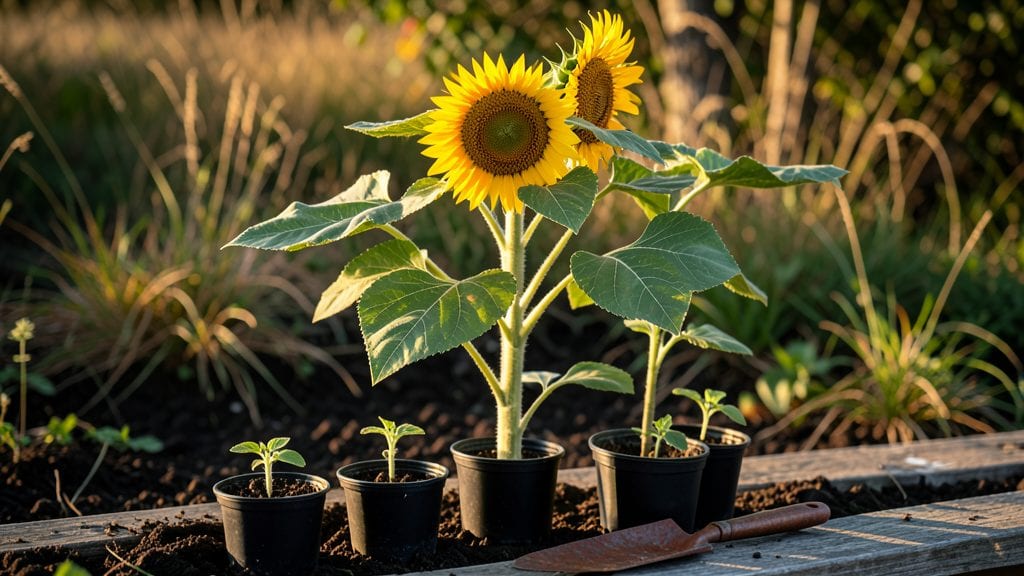
Sunflower plant spacing isn't just about fitting more plants in—it's about giving each one room to grow into those towering, sun-soaked giants we all dream of. 🌻 I learned the hard way that crowding them too close leads to weak stems, fewer blooms, and a whole lot of frustration when they flop over like overgrown weeds.
The right spacing turns a patch of seeds into a golden sea of blooms that turns neighbors' heads and hummingbirds' stomachs.
Most sunflower varieties need 12-24 inches between plants, depending on their mature height and whether you're growing them for seeds, cut flowers, or just pure joy. Tall varieties like 'Mammoth' need the full 24 inches, while shorter types like 'Teddy Bear' can squeeze into 12 inches.
And here's the kicker: rows should be 2-3 feet apart to let air circulate and prevent fungal diseases that turn your golden dreams into sad, brown mush. Trust me, your future self will thank you when harvest time rolls around.
What you'll end up with is a sunflower stand that looks like a golden waterfall, with stems strong enough to support those massive blooms without bending like overcooked spaghetti.
The key is matching spacing to your sunflowers' growth habits—taller ones need more elbow room, while bushier types can play closer together. And when you get it right? You'll harvest more seeds, bigger blooms, and fewer flopped-over disasters than you ever thought possible.
This works for backyard plots, community gardens, or even container setups with dwarf varieties. Whether you're a first-timer or a seasoned grower, the right spacing makes all the difference between a pretty row and a showstopper. Let's get those measurements right from the start!
📚 In This Guide
- What you need
- Instructions
- Tips and common mistakes
- Wrapping up and next steps
What you need
- ● Sunflower seeds – Choose a variety (e.g., Mammoth, Autumn Beauty, or Teddy Bear) based on your climate and goals. Buy 1–2 lbs per 100 sq ft for optimal coverage.
- ● Garden soil or potting mix – Well-draining, nutrient-rich soil (pH 6.0–7.5). Amend with compost for extra fertility.
- ● Watering can or hose with a gentle spray nozzle – Sunflowers need consistent moisture, especially during germination.
- ● Garden trowel or transplanter – For digging holes or transplanting seedlings.
- ● Measuring tape or string with stakes – To mark rows and maintain 12–24" spacing between plants (depending on variety).
- ● Mulch (straw, grass clippings, or wood chips) – Helps retain moisture and suppress weeds. Use 2–3 inches after planting.
- ● Plant labels – To track varieties and spacing.
- ● Fertilizer (balanced 10-10-10 or compost tea) – Apply lightly at planting and again when flowers emerge.
- ● Row covers or netting – Protects young seedlings from pests like birds or deer.
- ● Garden twine or stakes – Supports taller varieties (e.g., Mammoth) to prevent toppling.
- ● Sunflower companion plants – Marigolds or borage deter pests naturally.
How to space sunflowers for maximum growth and blooms
Perfect spacing is the secret to sunflowers that thrive—not crowd each other.
🌱 Step 1: Plan Your Layout Based on Variety
Tall sunflower varieties like 'Mammoth' need 18-24 inches between plants in the row, while dwarf types like 'Teddy Bear' can sit 12-15 inches apart. Check your seed packet for exact spacing—this ensures stems stay sturdy and heads develop fully. I always sketch a quick grid on paper first to visualize the rows.
Sunflowers grow best in blocks or clusters, not single rows. Space rows 2-3 feet apart to allow airflow and prevent fungal diseases. If you're planting in containers, use one plant per 12-inch pot for dwarf varieties or two per 18-inch pot for larger types. The key is avoiding competition for sunlight and nutrients.
☀️ Step 2: Choose the Right Location for Light and Support
Sunflowers need full sun (6-8 hours daily)—no compromises. I plant mine where they’ll get morning sun and afternoon shade if temperatures exceed 90°F, as excessive heat can scorch leaves. Before planting, test the spot by observing how long shadows are cast midday; if shadows are shorter than 2 feet, it’s prime sun.
If your variety grows over 6 feet tall, consider adding stakes or cages at planting. I use 5-foot bamboo stakes for 'Russian Giant' and tie stems loosely with garden twine as they grow. This prevents leaning and ensures heads face upward for maximum sun exposure. Watch for stems that start bending—this is your cue to add support immediately.
💧 Step 3: Plant Deeply and Water Strategically
Dig holes 1 inch deeper than the root ball and space them according to your variety’s needs. Press soil gently around the roots to eliminate air pockets, but don’t compact it—sunflower roots need room to spread. Water deeply right after planting to settle the soil and encourage root growth. You’ll know it’s right when water drains freely from the bottom of the hole.
After planting, water once a week for the first month, providing 1 inch of water per week. Let the top 2 inches of soil dry between waterings—overwatering leads to weak stems and disease. Mulch with 2-3 inches of straw to retain moisture and suppress weeds. This also keeps soil temperatures stable, which is critical for germination and early growth.
✂️ Step 4: Monitor Growth and Thin if Needed
Check seedlings in 10-14 days for true leaves (the second set after the initial cotyledons). If you planted seeds too close together, thin to your planned spacing immediately. Use sharp scissors to snip unwanted stems at soil level—pulling can disturb roots of remaining plants. You’ll see stronger, sturdier stems within a week after thinning.
Watch for signs of overcrowding: yellowing leaves, stunted growth, or stems leaning toward the sun. These are red flags to thin further. For container-grown sunflowers, prune side shoots that form below the main head to direct energy upward. This ensures the primary bloom reaches its full potential.
Tips & tricks for perfect sunflower plant spacing
A few simple tricks can transform your sunflower garden from a crowded mess to a thriving display of towering blooms.
Variety Matters: When planning your layout in Step 1, remember that the 18-24 inch spacing for tall varieties like 'Mammoth' isn't just about room to grow—it's about preventing disease. Crowded plants trap moisture, creating perfect conditions for powdery mildew. That's why I always sketch my layout first, marking each variety's specific needs. For container growing, the one plant per 12-inch pot rule ensures roots have enough space to anchor without competing.
Sunlight Secret: The 6-8 hours of full sun requirement in Step 2 is non-negotiable, but here's what nobody tells you: morning sun is more important than afternoon. If you must provide afternoon shade when temperatures exceed 90°F, use light fabric that still allows some sunlight through. I've seen sunflowers wilt dramatically when suddenly shaded after hours of intense sun—gradual transition is key.
Support System: For varieties over 6 feet tall, don't wait until stems are bending to add support. Install your 5-foot bamboo stakes at planting time in Step 2. The roots will grow around them naturally, creating a stronger anchor. I tie stems loosely with garden twine every 12-18 inches up the stem—tight ties can actually restrict growth as the plant matures.
Watering Wisdom: The 1 inch of water per week recommendation in Step 3 works perfectly in most climates, but there's a trick to make it even better. Water deeply in the morning, aiming for the base of the plant rather than overhead. This prevents fungal spores from splashing onto leaves and encourages roots to grow deeper. The 2 inches of dry soil between waterings is your guide—stick your finger in to check rather than relying on memory.
Pro Tips for Sunflower Plant Spacing
- A few simple tricks can transform your sunflower garden from a crowded mess to a thriving display of towering blooms.
- Variety Matters: When planning your layout in Step 1, remember that the 18-24 inch spacing for tall varieties like 'Mammoth' isn't just about room to grow—it's about preventing disease.
- Sunlight Secret: The 6-8 hours of full sun requirement in Step 2 is non-negotiable, but here's what nobody tells you: morning sun is more important than afternoon.
Frequently asked questions
What’s the best sunflower plant spacing for giant varieties?
Giant sunflowers (like ‘Russian Giant’ or ‘Mammoth’) need 18–24 inches apart in rows spaced 3–4 feet apart. This prevents overcrowding, ensures strong stems, and maximizes flower size. Smaller varieties can tolerate closer spacing (12–18 inches), but giants thrive with extra room.
Can I plant sunflowers too close together?
Yes, but expect smaller flowers, weaker stems, and more disease risks. Overcrowded sunflowers compete for sunlight and nutrients, leading to leggy growth or even toppling. If you’ve already planted too close, thin seedlings to the recommended spacing once they’re 4–6 inches tall.
How does sunflower spacing affect yield?
Proper spacing (12–24 inches apart, depending on variety) directly impacts yield by:
- Increasing flower size (more oil/seeds per head).
- Reducing competition for water and nutrients.
- Minimizing pests and fungal diseases (better airflow).
What if I’m growing sunflowers in containers?
Container-grown sunflowers need at least 12 inches of diameter per plant (or 1 plant per 5-gallon pot). Dwarf varieties (like ‘Teddy Bear’) work best in small pots, while larger types may need 20+ gallons. Ensure pots have drainage holes to prevent root rot!
Can I interplant sunflowers with other crops?
Sunflowers pair well with:
- Shallow-rooted crops (lettuce, radishes) planted early in the season.
- Beans or peas (they fix nitrogen, benefiting sunflowers).
Wrapping up and next steps
Perfecting your sunflower plant spacing is the secret to a thriving garden and bountiful blooms! 🌻 Whether you’re aiming for towering stems or a sea of cheerful faces, the right distance ensures strong growth, fewer pests, and easier harvests.
Now that you’re armed with spacing tips, grab those seeds and get planting—your future sunflowers will thank you!
💡 Next step: Sketch a quick garden layout with your chosen spacing, mark rows, and prepare the soil. Happy gardening!