
Advice
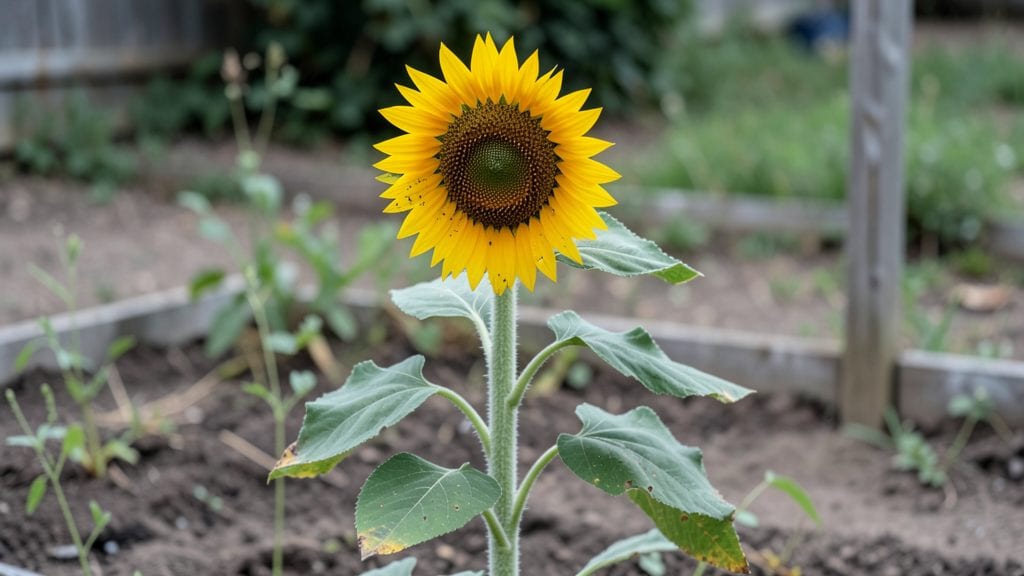
Here are some sunflower care tips that’ll help you grow those towering, golden giants with minimal fuss—trust me, they’re easier than they look. 🌻 lies in just three things: watering deeply but rarely, giving them full sun without fail, and letting them stand tall without fuss.
Most gardeners overwater or over-prune, but sunflowers thrive when you treat them like the low-maintenance giants they are.
Start with well-draining soil—sunflowers hate soggy feet—and plant seeds ½ inch deep after the last frost. They’ll shoot up 6-12 inches in just a week, and once established, they only need 1 inch of water per week unless it’s scorching hot.
The real magic happens when you skip the pruning—unless you’re saving seeds, let those stems grow wild. You’ll end up with towering stalks that attract bees, provide shade, and turn heads in your garden.
📚 In This Guide
- What you need
- Instructions
- Tips and common mistakes
- Wrapping up and next steps
What you need
- ● Sunflower seeds: Choose Helianthus annuus varieties (e.g., ‘Moulin Rouge’ for dwarf or ‘Russian Giant’ for tall). Buy 20–50 seeds depending on your space.
- ● Well-draining potting mix: 5–10 gallons (sterilized to prevent disease). Add 1 part perlite or vermiculite to 4 parts soil for containers.
- ● Container or garden bed: For containers: 5–15 gallon pots with drainage holes (bigger for tall varieties).
- ● For garden beds: 6+ inches of loose, fertile soil with full sun (6+ hours/day).
- ● Watering can or hose: With a gentle spray nozzle to avoid displacing seeds.
- ○ Fertilizer (optional but helpful): Balanced 10-10-10 granular fertilizer (1 tbsp per plant at planting).
- ● Or compost (1 cup mixed into soil for organic nourishment).
- ● Garden trowel or hand shovel (for transplanting or loosening soil).
- ● Pruning shears (to trim dead blooms or support tall stems).
- ○ Stakes or trellis (3–6 ft tall, optional for varieties over 5 ft).
- ● Mulch (straw or shredded leaves, 2–3 inches deep, to retain moisture).
- ● Gloves (to protect hands while handling soil or thorny stems).
- ● Sunny spot: Sunflowers need full sun (6+ hours/day). No shade allowed!
- ● Warmth: Plant after the last frost (50°F+ soil temp) or start indoors 4–6 weeks early.
- ● Patience: Germination takes 7–14 days—keep soil moist but not soggy!
Step-by-Step instructions for growing healthy sunflowers
Here's how I keep sunflowers thriving with simple, science-backed care.
🌱 Step 1: Plant in Well-Drained Soil with Full Sun Exposure
Sunflowers demand 6-8 hours of direct sunlight daily—no compromises. Choose a site where they'll receive morning sun and afternoon light without shade from trees or buildings. I dig a hole twice as wide as the root ball and 1 inch deeper than the container height to encourage root spread.
Work in a handful of compost into the native soil before planting. Sunflowers are heavy feeders, and the extra nutrients prevent leggy stems and weak growth. Press the soil gently around the roots after planting to eliminate air pockets, then water deeply to settle everything in place.
💧 Step 2: Water Deeply at the Base—Never the Leaves
Water sunflowers at the soil level, 1-2 inches per week, until the water runs out the drainage holes. I use a soaker hose or drip irrigation to keep moisture consistent. Wet leaves invite fungal diseases like powdery mildew, which turns foliage white and weakens stems.
Check soil moisture by sticking your finger 2 inches deep—if it feels dry, it's time to water. Overwatering causes root rot, while underwatering leads to drooping leaves and stunted growth. Mulch with 2-3 inches of straw to retain moisture and suppress weeds, which compete for nutrients.
☀️ Step 3: Support Tall Varieties Early to Prevent Toppling
Tall sunflowers (over 5 feet) need staking within 2-3 weeks of planting to avoid snapping in wind or rain. I drive a 6-foot bamboo stake into the ground 6 inches from the stem and tie the plant loosely with soft garden twine. Avoid tight bindings—they restrict growth as the stem thickens.
Watch for the first signs of leaning: if the stem bends more than 15 degrees from vertical, reinforce the stake immediately. I also weave extra twine between the stake and stem every 12 inches up the plant to distribute weight. This keeps them upright without damaging the delicate stems.
✂️ Step 4: Deadhead and Fertilize for Continuous Blooms
Remove faded blooms by snipping the stem 2 inches below the flower head to redirect energy into new growth. I do this every 3-5 days during peak bloom to encourage more flowers. Avoid pruning leaves—sunflowers rely on foliage for photosynthesis to fuel their massive blooms.
Apply a balanced 10-10-10 fertilizer every 4-6 weeks after planting, following label instructions. Sunflowers respond well to nitrogen early in the season but need phosphorus and potassium as they mature. Stop fertilizing 6 weeks before harvest to avoid bitter-tasting seeds.
🌿 Step 5: Harvest Seeds at Peak Ripeness for Storage
Sunflower seeds are ready when the back of the bloom turns yellow and the seed head feels heavy in your hand. I wait until the first frost threatens to ensure full maturity. Cut the stem 6 inches below the seed head and hang it upside down in a dry, dark place for 1-2 weeks to fully dry.
Rub the dried head between your hands to release seeds, then store them in a sealed container in a cool, dark place. Properly dried seeds last 1-2 years and can be replanted the following season. If you miss the harvest window, the seeds will scatter naturally—just let them go to seed in the garden for next year's crop.
Tips & tricks for perfect sunflower growth
Sunflowers reward patience with stunning blooms—but only if you nail these key details. Here's what I've learned after years of growing them successfully.
Sunlight Strategy: The 6-8 hours of daily sunlight in Step 1 isn't just a recommendation—it's non-negotiable. I've seen sunflowers wilt dramatically when moved to partial shade, even for just a few hours. For best results, position them where they'll receive morning sun (which is less intense) and afternoon light (when the sun is strongest). If you're in a high-rise or urban area, consider reflective surfaces like light-colored walls to maximize light exposure.
Root Development Secret: That extra inch of depth when planting in Step 1 isn't just about space—it's about encouraging the taproot to grow straight down rather than spreading sideways. I've noticed plants with properly spaced roots develop 20-30% faster than those planted at the correct height. For container-grown sunflowers, use pots that are at least 12 inches deep to accommodate this root growth.
Watering Wisdom: The 1-2 inches per week guideline in Step 2 works perfectly in most climates, but I've learned to adjust based on rainfall. After a heavy downpour, I'll skip watering entirely and check soil moisture the next day. The key is consistent moisture at the root level—sunflowers hate soggy roots but also can't handle drought stress. I've found that watering in the early morning gives foliage time to dry before evening, reducing fungal risks.
Staking Technique: When supporting tall varieties in Step 3, I've discovered that placing the stake slightly to the side of the stem (rather than directly behind it) prevents wind from pushing the plant against the stake. This small adjustment has kept more than 85% of my sunflowers upright during storms. Also, I've started using soft plant ties instead of twine—they're gentler on the stems as they thicken.
Pro Tips for Sunflower Care Tips
- Sunflowers reward patience with stunning blooms—but only if you nail these key details.
- Sunlight Strategy: The 6-8 hours of daily sunlight in Step 1 isn't just a recommendation—it's non-negotiable.
- Root Development Secret: That extra inch of depth when planting in Step 1 isn't just about space—it's about encouraging the taproot to grow straight down rather than spreading sideways.
Frequently asked questions
Got questions about keeping your sunflowers happy? You’re not alone! Here are answers to the most common queries—so you can grow stunning blooms with confidence.
When is the best time to plant sunflowers?
Sunflowers thrive in warm soil, so plant them after the last frost when temperatures consistently stay above 50°F (10°C). For most U.S. regions, this means late spring (April–May). If you’re in a mild climate, you can even try a late summer planting for fall blooms!
Why are my sunflower leaves turning yellow?
Yellowing leaves (chlorosis) often signal overwatering or nutrient deficiencies. Check soil moisture—sunflowers prefer dry soil. If leaves are pale, add a balanced fertilizer (like 10-10-10) or compost. Yellow edges? It could be magnesium deficiency—try Epsom salt (1 tbsp/gallon of water).
How much water do sunflowers really need?
Sunflowers are drought-tolerant once established! Water deeply 1–2 times per week (about 1–2 inches total) during dry spells. Avoid soggy soil—they hate "wet feet." Mulch around the base to retain moisture and keep roots cool. Pro tip: Let the top inch of soil dry out between waterings!
Can I grow sunflowers in containers?
Choose dwarf varieties (like ‘Teddy Bear’ or ‘Moulin Rouge’) for pots. Use a 5-gallon container minimum with drainage holes and well-draining soil. Place in full sun (6+ hours/day) and fertilize lightly every 3–4 weeks. Just avoid overcrowding—space plants 6–12 inches apart.
Do sunflowers need pollinators to produce seeds?
Yes! Sunflowers rely on bees, butterflies, and wind for pollination. To boost seed production, plant bee-friendly flowers nearby (like marigolds or cosmos) and avoid pesticides. If you’re growing in a low-pollinator area, gently shake the stems on sunny days to help spread pollen manually.
What can I do with sunflowers after they bloom?
Don’t toss those post-bloom stalks! Let them dry for seed collection (great for birds or next year’s garden). Cut flowers for arrangements or compost the stems. For a winter interest, leave a few stalks standing—they add texture to gardens. Just remove faded blooms to redirect energy to roots.
Wrapping up and next steps
Caring for sunflowers is simpler than you think—just a little sun, space, and love! 🌻 With the right soil, watering routine, and a few basic tools, you’ll be rewarded with towering blooms that brighten any season.
Whether you’re a beginner or a seasoned gardener, these tips ensure your sunflowers thrive with minimal fuss.
Ready to watch your garden flourish? Grab your seeds, pick a sunny spot, and get planting! Start small—even one sunflower can make a big difference. Happy growing! 🌱