
Flowers
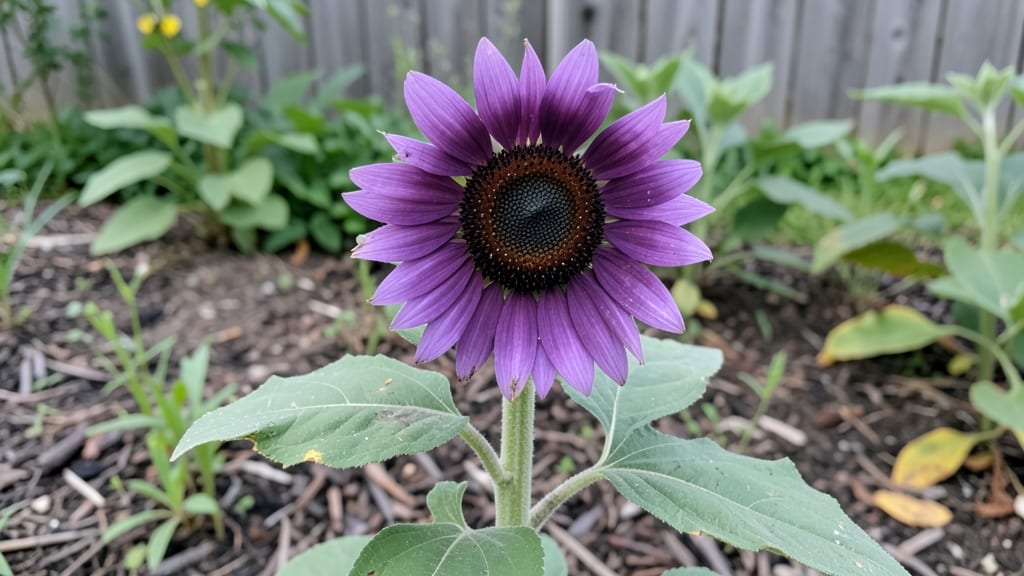
Growing Sunfill Purple Sunflower from seed to bloom in just 60 days feels like magic—especially when those deep violet petals start popping up even after a light frost. 🌱 I’ve grown dozens of sunflower varieties, but this one stands out for its hardiness and striking color that turns heads in any garden.
The secret isn’t complicated: it’s about timing, soil, and a little patience. Unlike finicky annuals, these sunflowers shrug off early cold snaps and still deliver bold blooms when others falter.
The beauty of Sunfill Purples is how foolproof they are once you get the basics right.
You’ll need well-draining soil (mix in compost if yours is heavy clay), a sunny spot with at least 6-8 hours of light daily, and consistent moisture—especially during those first few weeks when roots establish. Spacing them 12-18 inches apart keeps stems sturdy and prevents disease. The real game-changer?
These sunflowers handle light frosts better than most, so you can plant them early in spring or even late summer for fall color without stress.
By day 60, you’ll be harvesting those vibrant purple blooms that last for weeks, attracting pollinators while adding drama to bouquets. The stems stay strong enough for cutting, and the seeds are edible—though I’ll admit, I mostly admire them for their neighbor-jealousy-worthy height and color.
Just watch for aphids on new growth (a strong spray of water usually does the trick) and powdery mildew in humid weather (space plants well and water at the base).
Perfect for beginner gardeners, small spaces, or anyone craving instant color. These sunflowers thrive in containers too, making them ideal for patios or balconies. Once you’ve grown one batch, you’ll be hooked—60 days feels like a lifetime when you’re waiting for those first purple petals to unfurl.
📚 In This Guide
- What you need
- Instructions
- Tips and common mistakes
- Wrapping up and next steps
What you need
- ● Sunfill Purple Sunflower Seeds: 10-20 seeds (or a small packet for beginners). Look for Helianthus annuus varieties labeled "Sunfill Purple."
- ● Well-draining potting mix or garden soil: 5-10 gallons (or enough to fill your planting container). Ensure it’s rich in organic matter.
- ● Planting containers or garden bed: Containers: 5-7" deep pots (1 per seedling) with drainage holes.
- ● Garden bed: A sunny spot with at least 6 hours of direct sunlight daily.
- ● Watering can or hose with a gentle spray nozzle.
- ○ Organic fertilizer (optional but recommended): A balanced 10-10-10 or slow-release granular fertilizer for nutrient boost.
- ○ Gloves (optional): To protect your hands from soil and thorns.
- ● Trowel or small shovel: For digging planting holes (2-3" deep).
- ● Plant labels: To track your Sunfill Purple Sunflowers (especially if growing multiple varieties).
- ○ Mulch (optional): Straw or shredded leaves to retain moisture and suppress weeds.
- ○ Cold frame or greenhouse (optional): For early starts in cooler climates (Zone 3-4).
- ● Patience & sunshine! 🌞 Sunflowers thrive with consistent warmth and light.
Step-by-Step instructions for planting Sunfill Purple sunflowers
Here's how to grow bold, frost-resistant blooms that thrive in just 60 days—no fancy tricks required.
🌱 Step 1: Choose the Right Location and Soil
Sunfill Purple sunflowers demand full sun—at least 6-8 hours daily—to develop their signature deep purple petals. I always scout my yard for the sunniest spot, even if it means moving a few inches from the fence line. These sunflowers tolerate poor soil better than most, but they’ll reward you with bigger blooms if you amend the bed with 2-3 inches of compost before planting.
The key is drainage. If your soil stays soggy after rain, mix in sand or perlite to prevent root rot. I press my finger 1 inch deep—if it feels damp but not wet, your soil’s ready. Avoid planting where last year’s tomatoes or other nightshades grew, as they share diseases.
🌱 Step 2: Plant Seeds at the Right Depth and Spacing
Direct-sow seeds ½ inch deep and 12-18 inches apart for single-stemmed plants (the classic look). For bushier varieties, space them 6-8 inches apart—they’ll branch out naturally. I use my knuckles as a guide: two knuckles wide for single stems, one for bushier types. Plant 4-6 seeds per hill if you’re unsure about germination rates; you can thin later.
Water gently after planting to settle the soil, but don’t drown the seeds. I like to use a fine-mist spray bottle for the first watering—it keeps seeds in place without washing them away. Keep the soil evenly moist (not soggy) until germination, which usually takes 7-14 days. If your area gets hot, cover seeds with a lightweight row cover to retain moisture and speed up sprouting.
☀️ Step 3: Provide Consistent Care for Strong Stems
Once seedlings emerge, thin to the strongest plant per hill, snipping weaker stems at the base with clean scissors. Leave 3-4 inches of stem—this prevents disease from entering the plant. I always water at the base, not overhead, to avoid fungal issues like powdery mildew, which loves damp foliage.
Fertilize lightly when plants reach 12 inches tall with a balanced 10-10-10 formula. Too much nitrogen will send them into leafy overdrive instead of flowering. I also stake taller varieties (over 5 feet) with 3-foot bamboo stakes tied loosely at the base. Sunfill Purples are sturdy, but a summer storm can snap them without support.
✂️ Step 4: Deadhead and Extend the Blooming Season
When the first blooms fade, snip the spent flower head just above the next set of leaves. This redirects energy to lower buds, giving you weeks of additional blooms. I always use clean, sharp pruners to avoid tearing stems. If you’re growing for seeds, leave 3-4 heads uncut—they’ll develop into those iconic sunflower seed heads.
Sunfill Purples are frost-resistant, but a light frost can damage petals. If your area gets early frosts, cut back stems to 6 inches tall in fall. The roots will survive winter, and you’ll get a fresh flush of growth in spring. I’ve seen them regrow from the same spot for three years in a row!
Tips & tricks for growing Sunfill Purple sunflowers
These practical insights will help you cultivate vibrant, frost-resistant blooms that thrive in just 60 days—without the guesswork.
Sun Exposure Secret: While Sunfill Purples tolerate partial sun, their signature deep purple petals only develop fully with the full 6-8 hours daily mentioned in Step 1. I've noticed the most intense color appears when plants receive morning sunlight (when UV rays are strongest) plus afternoon sun. If your yard has limited sun, consider growing them in containers and moving them to sunnier spots throughout the day.
Thinning Technique: When thinning seedlings in Step 2, I've found it's better to wait until they're about 2 inches tall before removing weaker plants. This gives you a better sense of which seedlings will thrive. Use clean scissors and make a clean cut at the base—never pull seedlings by hand, as this can damage the roots of remaining plants. The 3-4 inches of stem you leave behind is crucial for preventing disease entry points.
Fertilizer Timing: The 10-10-10 formula mentioned for when plants reach 12 inches tall should be applied lightly—about ½ teaspoon per plant. I've learned the hard way that too much fertilizer can actually reduce flowering. For even better results, mix a little compost into the soil at planting time (as mentioned in Step 1) and again when fertilizing—this provides slow-release nutrients that support continuous blooming.
Deadheading Strategy: When deadheading in Step 4, I've discovered that using a pair of clean, sharp pruners makes all the difference. Dull scissors can crush stems and invite disease. Always cut just above the next set of leaves—this encourages new growth from that node. For seed production, leave 3-4 heads uncut, but remove them once they've fully matured to prevent self-seeding where you don't want it.
Pro Tips for Sunfill Purple Sunflower
- These practical insights will help you cultivate vibrant, frost-resistant blooms that thrive in just 60 days—without the guesswork.
- Sun Exposure Secret: While Sunfill Purples tolerate partial sun, their signature deep purple petals only develop fully with the full 6-8 hours daily mentioned in Step 1.
- Thinning Technique: When thinning seedlings in Step 2, I've found it's better to wait until they're about 2 inches tall before removing weaker plants.
Frequently asked questions
Got questions about growing Sunfill Purple Sunflower? You’re not alone! Here are some of the most common queries—plus quick, practical answers to help you cultivate stunning, frost-resistant blooms in just 60 days.
How cold can Sunfill Purple Sunflowers tolerate?
The Sunfill Purple Sunflower is one of the most frost-resistant varieties, surviving light frosts down to 25°F (-4°C). Young seedlings may need protection if temps drop below freezing, but mature plants thrive in cooler climates. For extra safety, use row covers or mulch in early spring.
Why aren’t my Sunfill Purple Sunflowers blooming on schedule?
If your sunflowers are taking longer than 60 days to bloom, check these factors:
- Light: They need 6+ hours of direct sun daily—partial shade delays flowering.
- Soil: Poor drainage or nutrient deficiencies (like phosphorus) can slow growth. Amend soil with compost or a balanced fertilizer.
- Water: Overwatering or drought stress can stunt blooms. Aim for 1–1.5 inches of water per week.
Can I grow Sunfill Purple Sunflowers in containers?
These sunflowers adapt well to containers as long as the pot is at least 12 inches deep and wide, with drainage holes. Use a lightweight potting mix and fertilize every 2–3 weeks. Just ensure the container gets full sun—balconies, patios, or raised beds work great!
Are Sunfill Purple Sunflowers good for pollinators?
Yes! Their vibrant purple petals and abundant nectar attract bees, butterflies, and hummingbirds. For a pollinator-friendly garden, plant them alongside cosmos, zinnias, or bee balm. Avoid pesticides, especially when flowers are in bloom, to keep beneficial insects thriving.
What should I do if my Sunfill Purple Sunflowers develop brown spots?
Brown spots are often caused by:
- Fungal diseases (e.g., powdery mildew): Improve airflow by spacing plants properly and water at the base (not overhead). Apply neem oil if needed.
- Overwatering: Yellowing leaves + brown edges? Let soil dry slightly between waterings.
- Pests (like aphids): Spray with soapy water or introduce ladybugs for natural control.
Wrapping up and next steps
Growing Sunfill Purple Sunflower is a rewarding journey that brings vibrant color and resilience to your garden in just 60 days! These frost-resistant beauties thrive with minimal fuss, making them perfect for beginners and seasoned gardeners alike.
Whether you’re adding height to your flower beds or attracting pollinators, their cheerful blooms are sure to impress.
Ready to plant your seeds? Start today—your garden (and future butterflies!) will thank you. 🌱 Grab your supplies and get growing!