Planting
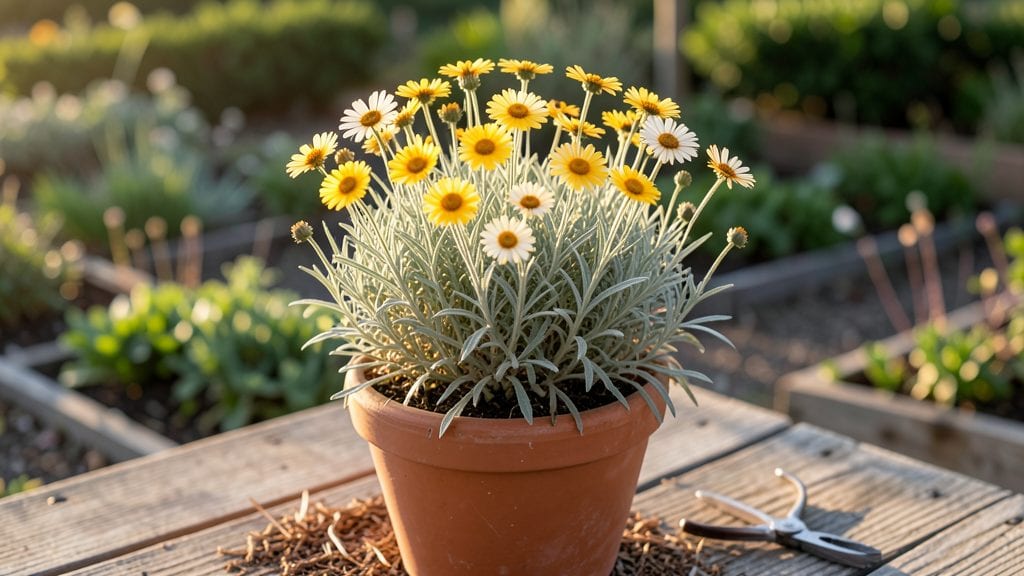
Caring for strawflowers feels like growing a plant that refuses to give up—even when you forget to water them. 🌿 These drought-resistant blooms stay vibrant through heatwaves and last for months in arrangements, making them the ultimate low-maintenance star for sunny gardens.
The secret lies in their tough-as-nails nature: they thrive in poor soil, hate humidity, and bloom longer than most annuals.
You’ll need full sun (at least 6 hours daily), well-draining soil, and minimal fuss—no rich compost or frequent watering. Strawflowers actually prefer dry conditions, which is why they outlast most summer flowers.
Deadhead spent blooms to encourage more flowers, and watch them keep producing until frost. The best part? They dry beautifully, so you’ll have cut flowers long after the garden fades.
Winter dormancy is their only real challenge, but even that’s simple: cut back dead stems and let the roots rest. Come spring, they’ll bounce back with fresh growth, proving these aren’t just pretty—they’re practically indestructible. Ready to grow flowers that outperform every other annual in your garden?
Whether you’re a beginner or a seasoned gardener, strawflowers reward patience with long-lasting color and effortless care. No more wilting by noon or fading in a week—just reliable blooms that keep giving. Let’s get yours thriving!
📚 In This Guide
- What you need
- Instructions
- Tips and common mistakes
- Wrapping up and next steps
What you need
- ● Strawflower plants: 1–3 nursery-grown plants (choose from varieties like ‘Moulin Rouge,’ ‘Golden Dream,’ or ‘Pink Profusion’).
- ● Well-draining potting mix: 1–2 bags (5–10 gallons) of cactus/succulent blend or add perlite/sand (20–30%) to regular soil for aeration.
- ● Containers (if not planting in-ground): 1–3 pots (10–12 inches in diameter) with drainage holes.
- ○ Optional: Self-watering pots for low-maintenance care.
- ● Sunlight access: Full sun (6+ hours/day) or a bright indoor grow light (12+ hours/day for indoor plants).
- ● Water: Tap water (room temp) or rainwater (avoid fluoride-treated water if possible).
- ● Pruning shears: Small, sharp pair (sterilized with rubbing alcohol).
- ● Slow-release fertilizer: 1–2 pellets or granules (low-phosphorus, like 10-10-10) for occasional feeding.
- ● Mulch: 1–2 inches of gravel or organic mulch (e.g., straw) to retain moisture and suppress weeds.
- ● Spray bottle: For misting leaves if humidity drops below 40% (common in dry climates).
- ● Plant labels: Waterproof tags to track varieties and care notes.
- ● Gloves: Lightweight gardening gloves to protect hands from prickly stems.
Step-by-Step guide to growing and maintaining drought-tolerant strawflowers
Here's how I keep these long-lasting blooms thriving with minimal water and maximum beauty.
🌱 Step 1: Plant in Well-Draining Soil with Full Sun Exposure
Strawflowers demand full sun (6+ hours daily)—anything less results in sparse, weak blooms. I always plant mine in sandy or gravelly soil that drains quickly, as they despise soggy roots. Amend heavy clay with coarse sand or perlite to improve aeration.
Dig a hole twice as wide as the root ball but only as deep as the container it came in. Gently loosen the roots if they're circling and place the plant so the top of the root ball sits ½ inch below soil level. This ensures stability while preventing rot.
Backfill with native soil mixed with compost for nutrients, then water deeply to settle everything. The first few weeks are critical—keep soil consistently moist but never waterlogged. You'll know you've got the right balance when the soil feels like a wrung-out sponge.
☀️ Step 2: Water Deeply but Infrequently After Establishment
Once established, strawflowers are famously drought-tolerant, but they need proper watering to reach their full potential. I water mine once a week during dry spells, soaking the root zone to 12 inches deep. This encourages deep root growth rather than shallow, thirsty roots.
Water in the early morning to reduce evaporation and fungal risks. You'll see the plants perk up noticeably within hours—wilting is normal during the day but they should spring back by evening. Overwatering is the fastest way to kill these tough plants, so always check the soil before watering.
Real talk: If you forget to water for two weeks, don't panic. Strawflowers will bounce back with just a deep drink. Their natural resilience is what makes them perfect for low-maintenance gardens.
✂️ Step 3: Deadhead and Prune for Continuous Blooms
Here's where it gets fun—strawflowers reward regular deadheading with nonstop blooms. I snip off spent flowers at the base of the stem using clean pruners, but leave the first set of leaves intact. This encourages new side shoots to form and keeps the plant bushy.
For shaping, trim back leggy stems by ⅓ their length in early summer. You'll see fresh growth emerge within a week—that's your signal everything is working. Never cut into old wood (brown stems), as new growth only comes from green, flexible shoots.
I also remove any yellowing or diseased leaves immediately. Strawflowers rarely get pests, but aphids can appear on new growth. A quick spray with neem oil keeps them in check without harming the plant.
🪴 Step 4: Overwinter with Protection for Year-Round Color
In colder climates, strawflowers need winter protection to survive. I mound 6-8 inches of mulch around the base after the first frost, using straw or shredded leaves. This insulates the roots while allowing airflow to prevent rot.
In zones with hard freezes (below 20°F), I cut back the stems to 2 inches tall and cover the crown with burlap or frost cloth. The plant will look dormant, but the roots stay alive. Come spring, new growth emerges within 2-3 weeks of warmer temperatures.
This is the moment that matters: If you protect them properly, you'll get fresh blooms again next season without replanting. That's the beauty of strawflowers—they truly are the "plant once, enjoy forever" perennial.
Tips & tricks for perfect strawflower plant care
Between us, these drought-tolerant beauties are forgiving—but only if you nail a few key details. Here's what nobody tells you about keeping them thriving.
Soil Science: The ½ inch below soil level placement in Step 1 isn't just about aesthetics—it prevents crown rot while keeping the plant stable. For heavy clay soils, mix in coarse sand or perlite until you can poke your finger in and feel resistance, not mud. This mimics their native rocky terrain and prevents waterlogging, which is their #1 enemy.
Watering Wisdom: That once-a-week deep soak in Step 2 should penetrate to 12 inches deep. Use a screwdriver or soil probe to check—if it comes out dry, water again. I've seen gardeners drown these plants by giving them daily shallow drinks, thinking they needed more water. The key is infrequent but thorough hydration that encourages deep root growth.
Pruning Precision: When trimming back leggy stems by ⅓ their length in Step 3, always cut just above a leaf node where new growth emerges. I use clean pruners and wipe them with rubbing alcohol between cuts to prevent spreading any potential pathogens. The first set of leaves you leave intact becomes the growth point for new stems—never remove them.
Winter Survival Strategy: The 6-8 inches of mulch in Step 4 isn't just decoration—it creates an insulating blanket that maintains root zone temperatures above freezing. For extra protection in zones below 20°F, I add a layer of bubble wrap over the mulch before covering with frost cloth. This double layer has saved my plants through -10°F winters without any damage.
Pro Tips for Strawflower Plant Care
- Between us, these drought-tolerant beauties are forgiving—but only if you nail a few key details.
- Soil Science: The ½ inch below soil level placement in Step 1 isn't just about aesthetics—it prevents crown rot while keeping the plant stable.
- Watering Wisdom: That once-a-week deep soak in Step 2 should penetrate to 12 inches deep.
Frequently asked questions
Got questions about keeping your strawflower thriving?
Here are answers to the most common queries—from pruning to pests and beyond!
How often should I water my strawflower?
Strawflowers are drought-tolerant once established! Water deeply once a week (or less in hot climates) to encourage strong roots. Overwatering leads to root rot—let the soil dry out between waterings. Pro tip: Mulch around the base to retain moisture and deter weeds!
When and how should I prune my strawflower?
Prune after flowering (late fall or early spring) to shape the plant and encourage fresh growth. Cut back 1/3 of the stems to the base, and trim any dead or leggy branches. For container plants, a light trim every 4-6 weeks keeps them bushy. Deadheading spent blooms extends the flowering season!
What pests commonly attack strawflowers, and how do I treat them?
Watch for aphids, spider mites, or whiteflies—they love strawflowers! Spray with neem oil or insecticidal soap for mild infestations. For severe cases, introduce ladybugs (natural predators) or use horticultural oil. Keep plants healthy with proper spacing to improve airflow and deter pests.
Can strawflowers grow in containers, and what’s the best soil mix?
Strawflowers thrive in containers with drainage holes. Use a well-draining mix like 60% potting soil + 30% perlite + 10% sand. Add a slow-release fertilizer at planting time. Containers dry out faster—water more frequently in summer!
Why aren’t my strawflowers blooming?
Blooms may skip if the plant lacks sunlight (6+ hours/day), nutrients, or water. Ensure it’s in a bright, sunny spot and fertilize lightly every 4-6 weeks with a balanced 10-10-10 formula. Overcrowding or old plants may also reduce flowers—prune and refresh the growing conditions!
Wrapping up and next steps
Caring for a strawflower is easier than you think—these drought-resistant darlings thrive with minimal fuss and reward you with stunning, long-lasting blooms that bring sunshine to any space! 🌼 With the right balance of sunlight, well-draining soil, and occasional pruning, you’ll enjoy vibrant flowers that defy seasonal limits and even last through winter with proper care.
Now that you’re armed with all the tips, roll up your sleeves and get planting! Start with a healthy strawflower, follow the care steps, and soon you’ll be the proud owner of a low-maintenance, high-reward garden staple. Happy gardening—your future blooms will thank you! 🌱✨