Propagation
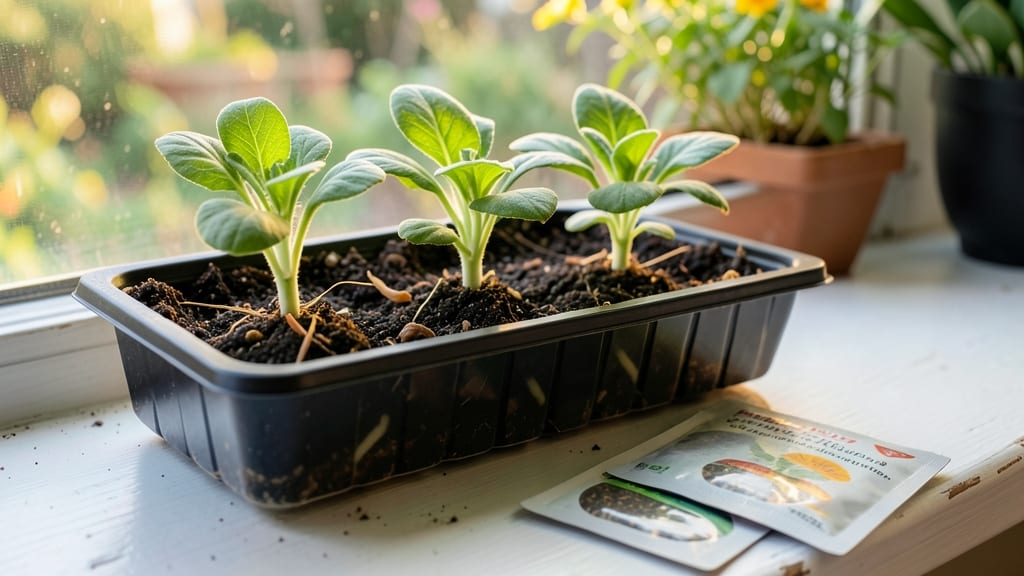
Growing flowers from seeds isn’t just possible—it’s shockingly easy once you know the right steps. I’ve started marigolds, zinnias, and sunflowers from seed every spring, and my first batch of blooms always feels like a little victory.
The secret isn’t fancy equipment; it’s patience, the right soil, and a sunny spot. Most beginners overcomplicate it, but you only need a few supplies and a little time to turn those tiny seeds into vibrant blooms.
Start with fast-germinating flowers like cosmos or snapdragons—they’ll sprout in just 5-7 days, giving you quick confidence. Use a seed-starting mix (not garden soil) and shallow containers, then keep them warm and moist until sprouts appear.
Light is critical: place trays near a south-facing window or under grow lights for 12-16 hours daily. Overwatering is the biggest rookie mistake, so let the top inch of soil dry between waterings to avoid mold.
By the time you’re pinching back seedlings and hardening them off, you’ll be rewarded with bold, sunlit blooms that outshine anything from a nursery. The best part? These flowers thrive in pots or garden beds, and you’ll save money while enjoying varieties you’d never find in stores.
Once you master this, your garden will always have fresh, fragrant blooms—no waiting for spring sales.
Works for any sunny spot, from balconies to backyard beds, and scales from a single pot to a full flower border. Here’s how to make it foolproof the first time around.
📚 In This Guide
- What you need
- Instructions
- Tips and common mistakes
- Wrapping up and next steps
What you need
- ● Flower seeds: Choose high-quality, fresh seeds (check the packet for germination rates). Start with easy varieties like marigolds, sunflowers, or zinnias if you're a beginner!
- ● Seed-starting trays or pots: Small containers (2-4 inches deep) with drainage holes—biodegradable pots are eco-friendly!
- ● Seed-starting mix: A lightweight, sterile potting soil designed for seeds (avoid garden soil—it’s too dense!).
- ● Grow lights or sunny windowsill: A full-spectrum LED grow light (12-16 hours/day) or a south-facing window with bright, indirect light.
- ● Spray bottle: For gentle watering (avoid over-saturating seeds!).
- ○ Plastic wrap or humidity dome: To retain moisture while seeds germinate (optional but helpful for tropical flowers).
- ○ Fertilizer (optional but recommended): A balanced, water-soluble fertilizer (5-10-5 or 10-10-10 ratio) for seedlings.
- ● Plant labels: To track varieties (use toothpicks + masking tape if you’re crafty!).
- ● Heat mat (for slow germinators): Keeps soil warm (70–85°F) for seeds like peppers or tomatoes.
- ● Tweezers or popsicle sticks: For delicate seed placement (especially tiny seeds like snapdragons).
- ● Pruning shears: To trim leggy seedlings later.
- ● Mulch or pebbles: For drainage in trays (prevents root rot).
Step-by-step guide to growing flowers from seeds
Here’s how I turn tiny seeds into vibrant blooms—no green thumb required.
Choose the Right Seeds and Containers
Start with seeds suited for your climate and sunlight. Annuals like marigolds, zinnias, and cosmos are perfect for beginners—they germinate quickly and produce bold blooms. Avoid delicate perennials for your first try; they’re pickier about timing and care.
Use small seed-starting trays or biodegradable pots—each cell should hold 2-3 seeds to give you backup sprouts. Fill them with sterile seed-starting mix (never garden soil—it’s too dense and can harbor diseases). Moisten the mix until it’s damp like a wrung-out sponge, but not soggy. Tap the tray gently to settle the soil evenly.
Plant Seeds at the Correct Depth
Read the seed packet for depth guidelines, but a general rule is to plant seeds twice as deep as their diameter. Tiny seeds like petunias go in just ¼ inch deep, while larger ones like sunflowers need 1 inch of coverage. Press them lightly into the soil—don’t bury them too deep, or they’ll struggle to reach the light.
Cover the tray with a clear plastic dome or plastic wrap to trap warmth and moisture. Place it in a spot with consistent warmth (70-75°F)—a sunny windowsill or a seedling heat mat works best. Check daily for condensation; if the dome fogs up, lift it briefly to let excess moisture escape. Germination usually takes 5-14 days, depending on the flower type.
Provide Light and Air Circulation
As soon as sprouts appear, remove the dome immediately to prevent mold. Place the tray under grow lights or in a south-facing window where they get 12-16 hours of light daily. Without enough light, seedlings stretch weakly toward the sun—a sign they’re not getting enough intensity. If they lean, move the lights closer (within 2-4 inches) or switch to a brighter window.
Once the first true leaves (not the initial seed leaves) appear, thin the seedlings to the strongest one per cell. Use small scissors to snip the extras at soil level—don’t pull them, or you’ll disturb the roots of the plants you’re keeping. Water gently from the bottom to avoid washing away the soil.
Harden Off and Transplant
Two weeks before your last frost date, start hardening off your seedlings. Place them outside in a sheltered spot for 1-2 hours the first day, gradually increasing their time outdoors over 7-10 days. This toughens their stems and leaves so they can handle wind and sun without shock. By the final day, they should spend the full day outside.
Transplant on a cloudy day or in the late afternoon to reduce stress. Dig holes slightly larger than the root ball and space plants according to the seed packet—crowding leads to weak stems and fewer blooms. Water deeply after planting to settle the soil around the roots. Mulch with 1-2 inches of organic mulch to retain moisture and suppress weeds.
Maintain for Continuous Blooms
Keep the soil evenly moist but not waterlogged—flowers wilt quickly in dry conditions but rot if overwatered. Most annuals need 1 inch of water per week, delivered at the base of the plant to avoid fungal diseases. Fertilize lightly with a balanced, water-soluble fertilizer every 4-6 weeks once flowers appear. Too much nitrogen makes plants grow leaves instead of blooms.
Deadhead spent blooms regularly by pinching off faded flowers with your fingers or snips. This encourages new buds to form and extends the blooming season. Watch for pests like aphids or powdery mildew—spray with neem oil at the first sign to keep plants healthy. With consistent care, your seedlings will reward you with months of vibrant color.
Tips & tricks for perfect flower seed starting
Even the simplest flower-growing process has hidden secrets that make all the difference between wimpy seedlings and thriving blooms.
Warmth is Everything: That 70-75°F range isn't just a suggestion—it's the Goldilocks zone for germination. If your kitchen runs cooler, place the tray on top of your fridge (not inside) or use a seedling heat mat. I learned this the hard way after waiting two weeks for seeds that never sprouted—turns out my basement was too chilly. A simple thermometer near your tray will save you from this frustration.
Lighting Hack: The 12-16 hours of daily light requirement can be tricky without grow lights. Place your seedlings on a bookshelf near a south-facing window and rotate the tray 180 degrees daily—this prevents them from leaning toward one light source. I keep a small desk lamp with a full-spectrum bulb nearby for cloudy days, and it makes a noticeable difference in stem strength.
Thinning Technique: When you're thinning those seedlings to one per cell, here's what nobody tells you: Use clean, sharp scissors and cut at soil level—not above it. Pulling seedlings can uproot your keepers. Also, save the thinned seedlings! Place them in a separate container with fresh soil and give them a second chance—they'll often grow just as well.
Harden Off Gradually: That 1-2 hour to full day progression over 7-10 days is critical, but don't rush it. On windy days, move your seedlings to a more sheltered spot. I've seen perfectly hardened-off plants get shocked by sudden gusts, so keep an eye on the weather forecast. Start the process when you see your first frost date approaching in the almanac—this gives you that two-week buffer.
Pro Tips for Grow Flowers From Seeds
- Even the simplest flower-growing process has hidden secrets that make all the difference between wimpy seedlings and ...
- Warmth is Everything: That 70-75°F range isn't just a suggestion—it's the Goldilocks zone for germination. If your ki...
- Lighting Hack: The 12-16 hours of daily light requirement can be tricky without grow lights. Place your seedlings on ...
Frequently asked questions
Got questions?
Growing flowers from seeds is rewarding, but it’s natural to have doubts along the way. Here are answers to the most common concerns—so you can bloom with confidence!
How long does it take for flower seeds to germinate?
Germination time varies by plant! Fast growers like marigolds or zinnia sprout in 5–10 days, while roses or peony seeds can take 2–4 weeks. Check the seed packet for specifics—patience is key!
What’s the best temperature for seed germination?
Most flowers thrive at 65–75°F (18–24°C), but some (like petunias) need warmth (70–80°F / 21–27°C). Use a seedling heat mat if your home runs cooler. Avoid extremes—too hot or cold can stall growth!
Why aren’t my seeds sprouting? Troubleshooting tips!
Try these fixes if seeds stay dormant:
- Light lovers: Some seeds (e.g., poppies) need sunlight to germinate—don’t bury them deep!
- Moisture issues: Keep soil consistently damp (not soggy) with a spray bottle.
- Old seeds: Test viability by floating them in water (sinkers are good; floaters may be dead).
- Patience: Some seeds (like foxglove) take months—don’t give up!
Can I grow flowers from seeds indoors year-round?
Yes! Use grow lights (12–16 hours/day) to supplement weak winter sunlight. Start with fast germinators like pansies or nasturtiums, then transplant outdoors after frost. Just mimic their natural growing season—most flowers need 10+ hours of light daily.
Are store-bought seeds better than saving my own?
Store-bought seeds offer guaranteed varieties and freshness, while saved seeds are free but may not be true to the parent plant (especially hybrids). Start with store-bought for reliability, then experiment with saving seeds from heirloom or open-pollinated flowers!
What’s the most common mistake beginners make?
Overwatering! Seeds need moisture, not mud. Use a tray with drainage holes and water from the bottom to avoid damping off (a fungal disease). Let the top inch of soil dry slightly between waterings.
Wrapping up and next steps
Growing flowers from seeds is a rewarding journey that connects you to nature while filling your space with vibrant beauty! 🌸 With the right tools, patience, and care, you can transform tiny seeds into stunning blooms—whether you’re a beginner or a seasoned gardener. Start small, experiment with different varieties, and enjoy the magic of watching life grow right before your eyes.
Ready to take the next step? Pick your favorite flowers, gather your supplies, and plant your first seeds today! Your garden (and future pollinators) will thank you.