
Flowers
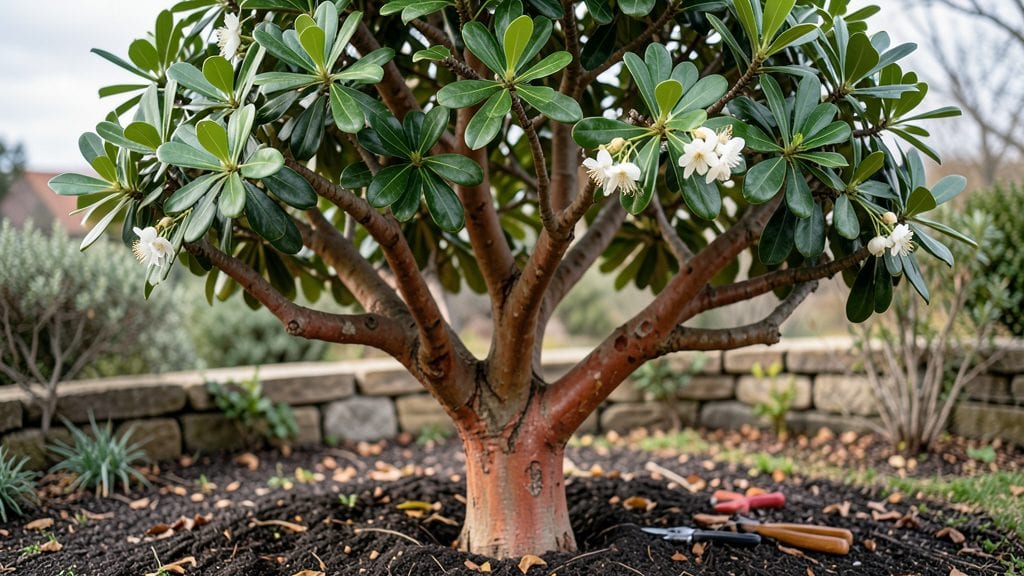
Strawberry tree flowers smell like cotton candy and sunshine—except they’re real, and they’ll bring hummingbirds to your yard for months. 🌸 I planted mine last spring, and by summer, the fragrant blooms had me hooked: not just for their sweet perfume, but for how they turned my garden into a hummingbird buffet overnight.
These trees thrive in partial shade to full sun, making them perfect for understory plantings or as a focal point in mixed borders. They’re low-maintenance once established—just water deeply once a week during dry spells and feed with compost in early spring.
The secret to their longevity? Pruning lightly after flowering to encourage bushier growth and more blooms next season.
By midsummer, your tree will be covered in clusters of pink-white flowers that attract pollinators while filling the air with a scent like nothing else. The berries that follow (edible but bland) add a decorative touch, but it’s the flowers that steal the show—year after year, with minimal effort.
Here’s how to get started without the guesswork.
Works beautifully in containers for small spaces or as a standalone specimen in larger gardens. The fragrance alone makes it worth growing, but the hummingbirds? That’s the real magic. Let’s make your yard their new favorite stop.
📚 In This Guide
- What you need
- Instructions
- Tips and common mistakes
- Wrapping up and next steps
What you need
- ● Strawberry tree plant: 1-3 nursery-grown saplings (3–5 ft tall, potted or bare-root). Choose Arbutus unedo for classic fragrant blooms or Arbutus x andrachne (hybrid) for hardier varieties.
- ● Well-draining soil: 5–10 bags of peat-free potting mix (or a blend of 60% topsoil, 30% compost, and 10% perlite/sand for in-ground planting). Aim for a pH of 5.0–6.5.
- ● Container (if potted): 1–2 15–20 gallon pots with drainage holes (terracotta or fabric grow bags work best).
- ● Mulch: 2–3 cubic feet of pine bark or wood chips to retain moisture and regulate temperature.
- ● Fertilizer: 1 lb of slow-release granular fertilizer (10-10-10 or organic options like fish emulsion).
- ● Gardening tools: Trowel or small shovel
- ● Pruning shears (sterilized)
- ○ Garden gloves (optional but recommended)
- ● Watering supplies: Hose with a gentle spray nozzle or a 5-gallon watering can.
- ● Sunlight access: Full sun to partial shade (6+ hours of sunlight daily for optimal blooms).
- ● Climate suitability: USDA Zones 7–9 (or container-grown for colder climates).
- ● A hummingbird feeder to attract pollinators and enhance the garden’s charm.
- ● Epsom salt (1 tbsp/month) for magnesium boosts during growing season.
- ● Drip irrigation system for consistent moisture (especially in dry climates).
- ● Decorative stakes or trellis if growing near a patio or walkway.
Step-by-Step guide to cultivating strawberry tree flowers
Here's how I've learned to coax these fragrant blooms into thriving year-round beauty.
🌱 Step 1: Select the Right Location for Planting
Strawberry tree (Arbutus unedo) thrives in full sun to partial shade, with at least 6 hours of direct sunlight daily. I always plant mine where it gets morning sun and afternoon shade—this prevents leaf scorch while still encouraging abundant blooming. The soil should drain well, so avoid low spots where water pools.
Dig a hole twice as wide as the root ball but no deeper. Loosen the sides of the hole with a shovel to encourage root spread. Strawberry trees tolerate a range of soil types, but they prefer slightly acidic to neutral pH (6.0-7.0). If your soil is heavy clay, mix in 2-3 inches of compost into the bottom of the hole to improve drainage.
☀️ Step 2: Plant and Establish the Tree
Place the tree in the hole so the top of the root ball sits 1 inch above ground level. This prevents water from pooling around the stem, which can cause rot. Backfill with native soil, pressing gently to remove air pockets but not compacting too firmly. Water deeply right after planting to settle the soil around the roots.
Mulch the base with 2-3 inches of organic mulch, keeping it 6 inches away from the trunk to prevent moisture buildup. Strawberry trees are drought-tolerant once established, but young plants need consistent moisture. Water once a week during the first year, providing 1-2 gallons per watering, until new growth appears. You'll know it's settled in when you see dark green, glossy leaves by mid-summer.
🌿 Step 3: Prune for Health and Blooms
Prune in late winter or early spring before new growth begins. Remove any dead, diseased, or crossing branches first—these compete with healthy growth for energy. I also thin out overcrowded branches to improve airflow, which reduces fungal diseases. Cut just above a bud or branch junction to encourage new growth.
Strawberry trees flower on both old and new wood, so avoid heavy pruning. Light shaping is fine, but don't remove more than 25% of the canopy in one season. After pruning, fertilize lightly with a balanced, slow-release fertilizer (10-10-10) to support new growth. You'll see pinkish-white flower buds forming in late spring, signaling the tree is ready for its fragrant display.
⏰ Step 4: Maintain for Year-Round Interest
Once established, strawberry trees need minimal care but benefit from monthly deep watering during dry spells. The tree’s bark peels naturally over time—this is normal and adds to its ornamental appeal. Remove fallen leaves and debris around the base to prevent pests and diseases from taking hold.
In late fall, apply a 2-inch layer of mulch to insulate roots and retain moisture. Strawberry trees are cold-hardy but appreciate protection in harsh winters. Watch for hummingbirds in spring—they adore the nectar-rich flowers! If you notice yellowing leaves, it may signal overwatering or nutrient deficiency. Adjust care accordingly, and you'll enjoy fragrant blooms and glossy foliage for decades.
Tips & tricks for perfect strawberry tree flowers
Real talk: these fragrant blooms won't just happen—they need the right conditions from day one. Here's what I've learned after watching my own trees transform from scraggly saplings to hummingbird magnets.
Sunlight Strategy: That 6-hour minimum of sunlight is non-negotiable, but I've found the sweet spot is actually 8-10 hours for maximum blooms. Morning sun builds energy, while afternoon shade prevents leaf burn. If your yard gets intense afternoon sun, consider planting near a north-facing wall or under light dappled shade from taller trees.
Root Ball Placement: The 1-inch elevation above ground level in Step 2 is crucial—this prevents rot by keeping the trunk dry. I've seen too many people plant too deep, which suffocates the roots. Use a level to check placement, and make sure the top of the root ball is clearly visible above the surrounding soil.
Watering Wisdom: Those first-year weekly waterings with 1-2 gallons are critical, but timing matters just as much. Water in the morning so leaves dry quickly, preventing fungal issues. I set a reminder on my phone for the first year because I nearly forgot once and saw wilting leaves within days. Once established, you'll know you're doing it right when you see those glossy dark green leaves by mid-summer.
Pruning Precision: When you're thinning out those overcrowded branches in Step 3, aim to create an open center that lets light reach the inner branches. This encourages blooms all the way up the tree, not just at the tips. I cut back to just above a bud that faces outward—this creates the best shape for future growth and flowering.
Pro Tips for Strawberry Tree Flowers
- Real talk: these fragrant blooms won't just happen—they need the right conditions from day one.
- Sunlight Strategy: That 6-hour minimum of sunlight is non-negotiable, but I've found the sweet spot is actually 8-10 hours for maximum blooms.
- Root Ball Placement: The 1-inch elevation above ground level in Step 2 is crucial—this prevents rot by keeping the trunk dry.
Frequently asked questions
When do strawberry tree flowers bloom, and how long do they last?
Strawberry tree flowers (Arbutus unedo) bloom in late fall to winter (October–February), offering a rare burst of color and scent during colder months. Individual blossoms last 2–3 weeks, but clusters may linger for up to a month if conditions are ideal. Their timing aligns perfectly with hummingbirds’ winter migration—so you’ll get both beauty and pollinators!
How do I encourage more strawberry tree flowers on my plant?
To maximize blooms, prioritize full sun (6+ hours/day) and well-draining soil. Prune lightly after flowering to shape the tree and remove dead wood, but avoid heavy cuts—this plant blooms on old wood. Water deeply but infrequently (drought-tolerant once established), and fertilize lightly in early spring with balanced, acidic fertilizer (e.g., 10-10-10).
Why aren’t hummingbirds visiting my strawberry tree flowers?
Hummingbirds love strawberry tree flowers, but a few factors might deter them: lack of nectar (ensure the tree is healthy), competing plants (place it where it stands out), or wind/rain disrupting access. Try adding a shallow water source nearby or planting companion nectar-rich flowers (like salvia) to attract them. Patience helps—hummingbirds may take a few weeks to discover your tree!
Do strawberry tree flowers smell like actual strawberries?
Nope! While their name is tempting, strawberry tree flowers have a sweet, honey-like fragrance with subtle floral notes—think vanilla + citrus. The scent is strongest in the evening, making them a magical addition to gardens, patios, or even as a cut flower in arrangements. (Bonus: The edible fruit that follows has a tart, strawberry-like taste—but the flowers themselves are purely ornamental.)
Can I grow a strawberry tree in a pot, or does it need to be planted in the ground?
Yes! Strawberry trees thrive in large containers (18"+ diameter) with drainage holes, making them great for patios or small yards. Use a well-draining potting mix (add perlite or sand) and repot every 2–3 years. Keep the pot in full sun and water when the top inch of soil is dry. Just note: Potted trees may produce fewer flowers than ground-planted ones due to root constraints.
What should I do if my strawberry tree flowers drop early?
Early flower drop is often caused by stress, such as overwatering, poor drainage, or temperature swings (below 20°F). Check soil moisture (it should be evenly dry between waterings) and ensure the tree isn’t in a windy or frost-prone spot. If the issue persists, test soil pH (ideal: 5.0–6.5) and avoid heavy fertilizers, which can stress the plant. Mulch around the base to insulate roots in winter.
Wrapping up and next steps
The strawberry tree (Arbutus unedo) isn’t just a stunning addition to your garden—it’s a year-round gift of fragrance, beauty, and wildlife support. With its delicate flowers, glossy foliage, and edible berries, this versatile plant rewards patience and care.
Whether you’re drawn to its hummingbird magnet appeal or its low-maintenance charm, now’s the perfect time to plant and nurture one!
Ready to transform your outdoor space? Start by gathering your supplies and choosing the ideal spot—then watch your garden bloom with effortless elegance. 🌸✨