
Flowers
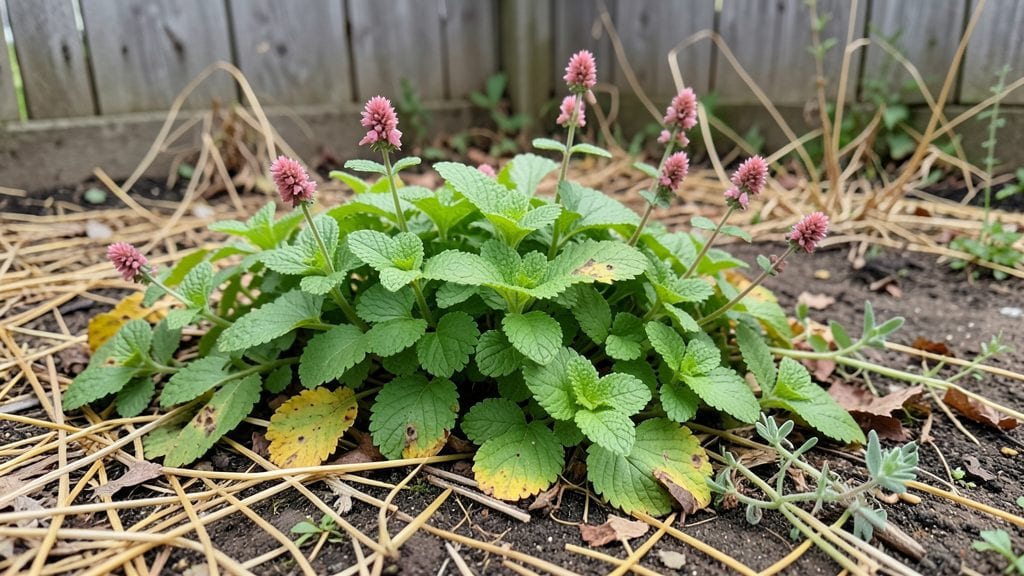
Strawberry mint flowers aren’t just pretty—they’re a fragrant magnet for pollinators in shady spots where most plants struggle. 🌿 I first spotted them spilling over a garden border in early June, their tiny pink blooms dotted with bees and butterflies, while the scent of mint lingered in the air like a secret.
The contrast of their delicate flowers against deep green leaves makes them a standout in any garden design.
This plant thrives where others fade, spreading gracefully in partial shade while keeping its aromatic charm alive. Pair it with hostas or ferns for a lush, textured border, or tuck it into containers alongside impatiens for a cascading, fragrant display.
The key? Let it spread naturally—its trailing habit softens edges and fills gaps where other plants won’t grow.
What you’ll love most is how it transforms a shady corner into a pollinator paradise. The flowers attract bees and butterflies, while the scent repels pests from nearby veggies. By late summer, the foliage turns a rich, velvety green, and the flowers linger longer than most annuals.
It’s the kind of plant that makes neighbors stop and ask, “What’s that smell?”
Works equally well in garden beds, hanging baskets, or as a living mulch under trees. The best part? It’s effortless once established—just water occasionally and watch it thrive where other plants give up. Perfect for adding beauty and fragrance to those tricky shade spots.
📚 In This Guide
- What you need
- Instructions
- Tips and common mistakes
- Wrapping up and next steps
What you need
- ● Strawberry mint plants: 2–4 nursery-grown plants (6-inch pots) or seeds (if starting from scratch). Pro tip: Plants mature faster than seeds!
- ● Well-draining soil: 1 bag (2–3 cubic feet) of peat-free potting mix or garden soil amended with compost (1 part compost to 3 parts soil).
- ● Perlite or vermiculite (1 cup) to improve drainage in containers.
- ● Containers or garden bed: Containers: 2–4 10–12-inch pots with drainage holes (terracotta or fabric grow bags work best).
- ● Garden bed: A 4’ x 4’ partially shaded area (4–6 hours of morning sun, dappled light, or full shade).
- ● Watering supplies: Watering can or hose with a gentle spray nozzle (to avoid disturbing roots).
- ● Fertilizer: Balanced, slow-release fertilizer (10-10-10 or 20-20-20, 1 tbsp per plant) or organic compost tea (1 cup per gallon of water).
- ○ Mulch (optional but recommended): 2–3 inches of shredded bark or straw mulch to retain moisture and suppress weeds.
- ● Garden trowel or hand shovel (for transplanting or amending soil).
- ● Pruning shears (sharp, clean pair for trimming spent blooms or runners).
- ○ Gloves (optional, but helpful if you’re sensitive to mint’s oils).
- ○ pH test kit (optional; ideal soil pH: 6.0–7.0).
- ● Climate: Hardy in USDA Zones 3–9. Plant after the last frost in spring.
- ● Pollinator prep: Ensure nearby bee-friendly flowers (like lavender or borage) for a thriving ecosystem!
- ● Spread control: Strawberry mint is aggressive—plant in containers or line garden beds with edging (e.g., landscape fabric).
- ● Sunlight check: Avoid hot afternoon sun; it can scorch leaves.
How to grow lush strawberry mint flowers in shade gardens
Here's how to create a fragrant, bee-friendly oasis where strawberry mint thrives.
🌱 Step 1: Choose the Perfect Planting Spot
Strawberry mint loves partial to full shade—think dappled sunlight or filtered light beneath trees. I look for spots where other shade plants already grow well, as this indicates consistently moist soil and cooler temperatures. Avoid areas where water pools after rain, as soggy roots lead to rot.
This fragrant ground cover spreads aggressively, so contain it in 6-8 inch deep spots or along borders where its 3-6 inch high foliage can spill gracefully. If planting in containers, use hanging baskets or window boxes—the cascading habit makes it perfect for vertical gardens.
💧 Step 2: Prepare Soil for Thriving Growth
Strawberry mint prefers rich, well-draining soil with a slightly acidic to neutral pH. I mix 2 parts potting soil with 1 part compost to ensure nutrients without compacting the roots. For in-ground plantings, amend the native soil with 1 inch of compost and a handful of perlite to improve drainage.
This plant loves moisture but hates soggy feet. Amend heavy clay soil with 2 inches of sand or coconut coir to prevent waterlogging. Test your soil's moisture by squeezing a handful—it should hold together but not drip water. If it crumbles easily, add more compost.
☀️ Step 3: Plant and Water for Establishment
Space plants 12-18 inches apart if growing in the ground, or let them spill over container edges if using pots. Dig holes just deep enough to cover the roots completely—no burying the crown. Gently firm the soil around the base to eliminate air pockets that could dry out roots.
Water deeply right after planting, then maintain consistent moisture—about 1 inch of water per week. Strawberry mint's bright green, textured leaves will tell you if it's happy: wilted leaves mean it's thirsty, while yellowing suggests overwatering. Mulch with 2 inches of shredded bark to retain moisture and suppress weeds.
✂️ Step 4: Encourage Blooms and Pollinators
Pinch back new growth by ⅓ in early spring to promote bushier plants and more flowers. This fragrant herb produces tiny white to pink flowers that attract bees, butterflies, and hummingbirds—perfect for shade gardens where pollinators are scarce.
Deadhead spent blooms regularly to redirect energy into new growth and prolong the flowering season. I also divide mature clumps every 2-3 years in early spring to keep plants vigorous. Simply dig up the root ball, separate the sections, and replant—this plant spreads so easily, you'll always have extras to share!
🌿 Step 5: Maintain Through Seasons
Strawberry mint is hardy in zones 5-9, but it may need winter protection in colder climates. I cover young plants with 2 inches of mulch before the first frost to insulate roots. In spring, trim back any dead foliage to encourage fresh growth.
Fertilize lightly in early spring with a balanced 10-10-10 formula—too much nitrogen reduces flowering. Watch for powdery mildew in humid conditions; improve airflow by thinning crowded plants. With proper care, your strawberry mint will spread into a fragrant, pollinator-friendly carpet that brightens even the shadiest corners of your garden.
Tips & tricks for perfect strawberry mint flowers
Creating a thriving strawberry mint garden in shady spots takes a few strategic moves—here's how to maximize your fragrant pollinator haven.
Location Intelligence: When selecting your planting spot in Step 1, look for areas where other shade-loving plants already thrive. These spots naturally have the right moisture levels and cooler temperatures strawberry mint craves. I've found the best locations are near established trees where dappled light filters through—this mimics the plant's natural understory habitat.
Soil Science: In Step 2, don't just mix the 2 parts potting soil with 1 part compost—consider adding a handful of worm castings too. They provide gentle, slow-release nutrients that help prevent the leaf burn you might see with synthetic fertilizers. For containers, use a blend with 30% perlite to ensure that perfect drainage strawberry mint needs to prevent root rot.
Pruning Strategy: When you pinch back new growth by ⅓ in Step 4, focus on the topmost sets of leaves. This encourages bushier growth from the base while maintaining that cascading habit perfect for hanging baskets. I also recommend doing this pruning on a dry morning—wet foliage can develop fungal issues when you handle it.
Winter Prep: For the 2 inches of mulch you'll add before frost in Step 5, use shredded leaves or straw instead of wood chips. These materials break down more quickly in spring, giving your plants an earlier start. Just make sure to remove any mulch that's piled directly against plant stems to prevent rot.
Pro Tips for Strawberry Mint Flowers
- Creating a thriving strawberry mint garden in shady spots takes a few strategic moves—here's how to maximize your fragrant pollinator haven.
- Location Intelligence: When selecting your planting spot in Step 1, look for areas where other shade-loving plants already thrive.
- Soil Science: In Step 2, don't just mix the 2 parts potting soil with 1 part compost—consider adding a handful of worm castings too.
Frequently asked questions
How do I tell if my strawberry mint flowers are thriving?
Healthy strawberry mint (like Mentha × smithiana) has vibrant green, slightly fuzzy leaves and upright stems with clusters of tiny pink or white flowers. If leaves turn yellow or wilt, it may need more water or shade. Overcrowding? Thin out plants to improve airflow and reduce stress.
When is the best time to plant strawberry mint flowers?
Plant in early spring (after the last frost) or late summer for a fall bloom. Strawberry mint spreads aggressively, so avoid planting near delicate perennials. If starting from seeds, sow indoors 8–10 weeks before the last frost for a head start.
Can strawberry mint grow in full shade?
Yes! This shade-loving plant thrives in partial to full shade (2–6 hours of sunlight daily). In deep shade, expect slower growth but still fragrant foliage. Amend soil with compost to ensure nutrients reach roots, especially in low-light areas.
Why aren’t bees visiting my strawberry mint flowers?
Bees adore strawberry mint, but if they’re absent, check these fixes:
- Timing: Flowers bloom late spring to summer—wait until then!
- Location: Plant near other pollinator-friendly flowers (e.g., lavender, coneflowers).
- Pesticides: Avoid harsh chemicals; opt for neem oil if pests are an issue.
What can I do with strawberry mint flowers besides admire them?
These versatile blooms are perfect for:
- Culinary uses: Infuse simple syrups, teas, or desserts with leaves/flowers (mildly sweet, minty flavor).
- DIY potpourri: Dry flowers and mix with citrus peels for a fragrant sachet.
- Pollinator gardens: Pair with other shade-tolerant flowers (e.g., astilbe, heuchera) for a bee-friendly oasis.
How do I stop strawberry mint from spreading everywhere?
Strawberry mint is invasive—contain it with:
- Containers: Grow in pots with drainage holes (bury pots in the ground if desired).
- Root barriers: Use landscape fabric to limit underground spread.
- Regular pruning: Trim back stems to encourage bushier growth and reduce runners.
Wrapping up and next steps
Transforming your shade garden with strawberry mint flowers is a fragrant, low-maintenance way to attract pollinators while adding vibrant charm. These resilient plants thrive in partial shade, offering both beauty and practicality—perfect for gardeners who want effortless elegance. 🌿✨
Ready to take the next step? Start small by planting a few in containers or along garden edges, then expand as you see their magic unfold. Share your progress with fellow gardening enthusiasts and watch your pollinator-friendly haven grow!